











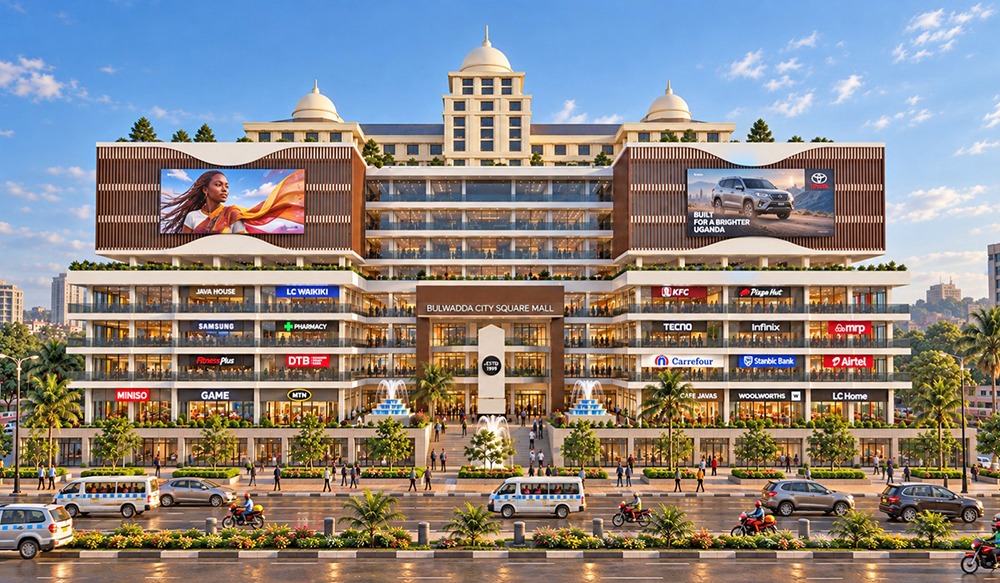
Hajj Hassan Bulwadda’s recent Shs400 billion proposal to turn Kampala City Square into a solar-powered mall and hotel complex is not an isolated bid; it is the latest chapter in a multi-decade state playbook on manufactured billionaires. In Uganda, ‘investor status’ has been systematically engineered over the last thirty years to legitimize the private capture of public assets.
By bypassing the Kampala District Land Board (KDLB) and taking his so-called architectural blueprint straight to the executive, Bulwadda is running a highly automated template of narrative manipulation, direct executive deliveries, and cosmetic smokescreens.
To understand why Kampala is fiercely resisting this project, one must trace the chronological timeline of this state playbook which shows the script has remained exactly the same, only the names change.
The Chronological Blueprint of Executive Allocations
- 1994: The Nile Hotel Ransom (The Fourati Brothers)
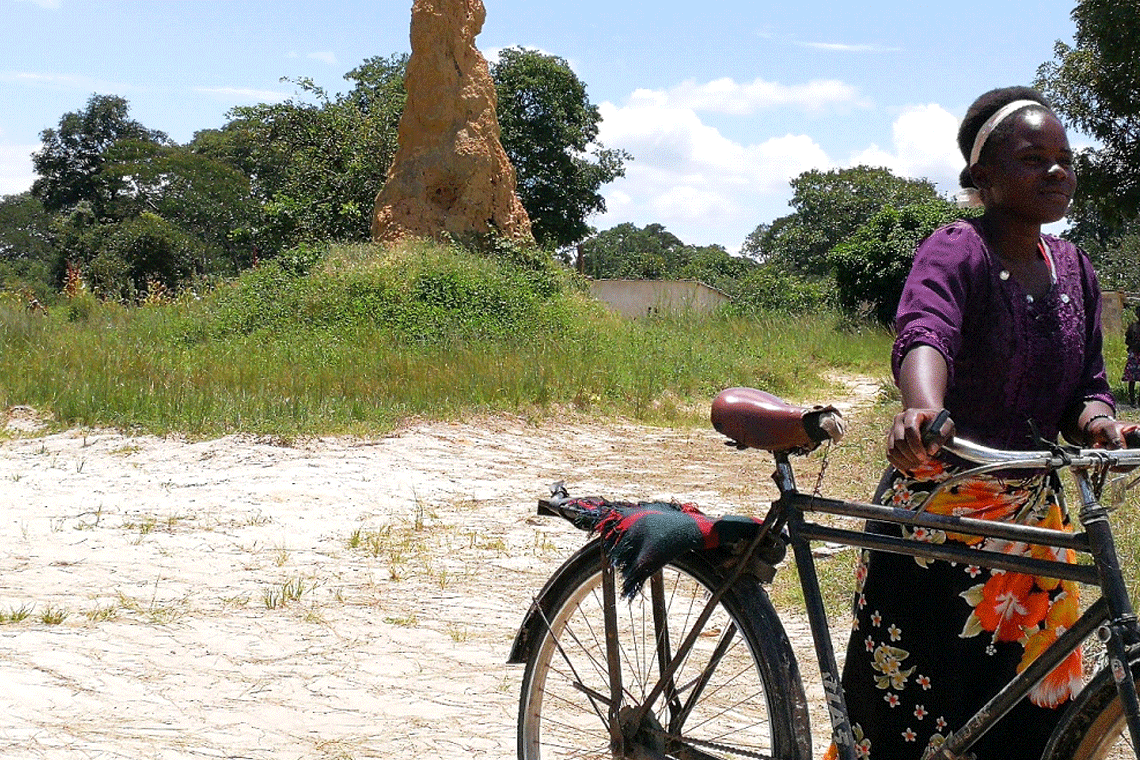
The template began in the mid-1990s when a Tunisian group was introduced as a word-class luxury hotel tycoons and handed Nile Hotel International and Conference Center. They never put a single brush of paint on the structure. Instead, they disappeared with the hotel’s title deeds, forcing the state into a protracted legal battle and a massive USD 1.4 million ransom payout just to recover the title deed for the Aga Khan Group (Serena Hotels)
- 1997: The UCB Insider Siphoning (Westmont)
The executive bypass was perfected when the country was told that a massive Malaysian conglomerate was buying 49 percent of the Uganda Commercial Bank (UCB) for USD 11 million. In reality, Westmont was merely a front. They covertly sold their stake to a domestic consortium backed by a powerful military general, using UCB as a financial faucet to siphon over Shs40 billion in unsecured insider loans, forcing the central bank to seize and liquidate the former People’s Bank.
- Early 2000: The Defunct AGOA Dream (The Sri Lankan DJ)
The state-backed investor shifted to industry when the sprawling assets and machinery of the defunct Uganda Coffee Marketing Board (CMB) in Bugoloobi were doled out to Velupillai Kananathan, a Sri Lankan former DJ, packaged overnight as a global coffee magnate to spearhead Tri- Star Apparels under the United States African Growth and Opportunity Act (AGOA). The venture absorbed massive government-guaranteed loans and rolling treasury subsidies. In an amazing twist of events, the hitherto touted game changer project collapsed amid falsified dollar returns operational incompetence and, exploitation of the rural AGOA girls. While the public lost its cash and the industrial hub, a powerful wife of a powerful military general who headed it, remained entrenched as a permanent Senior Presidential Advisor on a non-existent AGOA export market. On the other hand, the Sri Lankan former DJ in the wake of running down AGOA, returned back to tycoon Karim Hirji’s to work as his sidekick.
- 20022-2004: The Lugogo Sports Hub Takeover (ShopRite Checkers)
The template shifted directly into erasing Kampala green recreation spaces when the state doled out parts of the historic Lugogo Sports Hub– the cradle of Uganda football– to South African retail giant, ShopRite Checkers. The Local Government Minister at the time, Jaberi Bidandi Ssali fought the project fiercely, but was bypassed by executive backing. Decades later, ShopRite announced its complete exit from Uganda, pulling down its signs, and leaving behind its franchise properties to Carrefour. While the South African ‘savior investor’ is completely gone, the public sports hub they replaced is lost forever.
- 2005: The Nakasero Hill CHOGM Trap (The Aya Brothers)
Ahead of the 2007 Commonwealth Heads of Government Summit (CHOGM), the state cleared 14 acres of prime public Uganda Broadcasting Corporation’s land, gifting it to the Sudanese Aya Brothers under the promise of the Hilton five-star hotel. The hotel missed the summit by a decade, mutated into a conduit for endless financial bailouts drawn directly from the national treasury and, ultimately collapsed into receivership and multi-billion debts.
- 2006: The Shimoni Land Swindle and the Rent-Back Trap
Over 1000 primary school children were aggressively evicted when fifteen acres of land were purportedly doled out to Saudi billionaire prince under the guise of a six-star hotel construction. The purported investor never built even a single foundation for the so-called six-star hotel and, the land was ultimately doled out to the very well-known Sudhir Ruparelia to build his Kingdom complex, curiously on land earlier earmarked for the construction of the alleged Saudi billionaire’s Kingdom six-star hotel. The rest of the land was gifted to a renowned Somali widow businesswoman.
In a profound twist of urban governance, Sudhir now stands as the landlord to the exact same government that gave him the free land, charging the state billions in rent revenue to rent back the office space.
- 2011: The Nakawa-Naguru Satellite City Mirage (The North London Prime OPEC Billionaires)
The state demolished 1760 low-cost housing units at gunpoint while promising that the North London based Prime OPEC Billionaires would transform the 82 acres of public land into a futuristic so-called Satellite Smart City. However, the touted North London billionaires never laid even a single brick on the site. After a decade of redundancy, the land was parceled out to well-connected public figures including Sudhir Ruparelia and Pastor Grace Lubega of the Phaneeros ministries
- The Modern Era: Promissory Notes and Luxury Limousine (Pinett, Tugume and Magoola)
The template expanded into health, agriculture and pharma. Enrica Pinett secured Shs1.4 trillion in state-guaranteed promissory notes for the completely stalled Lubowa International Specialized Hospital. Nelson Tugume of Inspire Africa secured billions under the guise of coffee-value addition supplementary budgets only to ship into the country a luxury limousine unabated while his Ntungamo coffee processing factory remained completely redundant. Concurrently, Dr Mathias Magoola of the Dhei Bio Pharma at Matugga along Kampala, Bombo- Gulu highway, receives rolling state financial bailouts to build a pharma hub, yet his core operation cannot pay workers and, defaults on multi-billion loans contracted with Equity Bank funded by ordinary depositors, all while he opens a new cassava processing plant back in his native Busoga region.
- The Present Climax (The Bulwadda Standoff)
It is the exact, unvarnished chronological timeline that prosecutes Hajj Hassan Bulwadda City Square ambitions. The public relations tactics he is deploying are pages ripped directly out of the old handbook.
 The PR Smokescreen and the Family Wetland Legacy
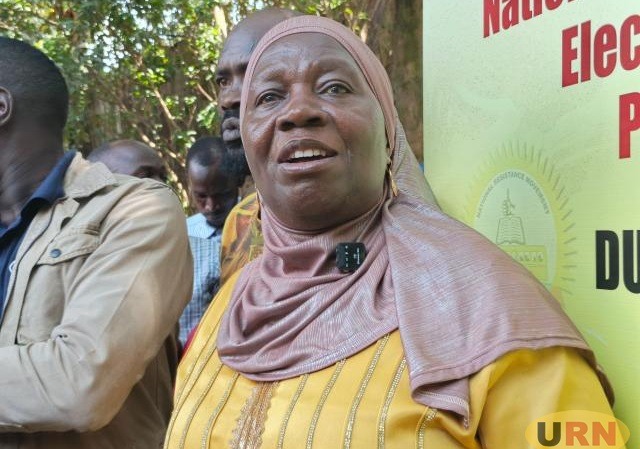
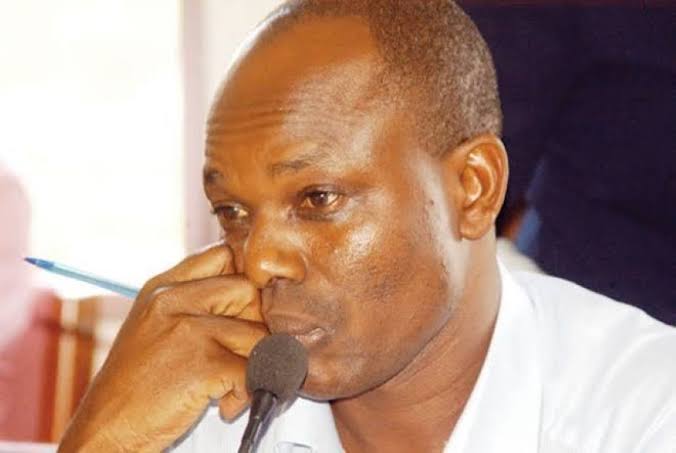
To manufacture his billionaire status, Bulwadda orchestrates a highly publicized Shs200 million donation to the Pastor Robert Kayanja current charity drive, and gives out land titles to Lubigi wetland evictees. This carefully masks his active 130- acre, Shs11 billion perceived land fraud with an 80-year-old Catholic nun in Kassanda- Mubende. More profoundly, it attempts to drown out the raw double standards of his own family’s history with public land. Bulwadda’s sister, Sarah Kizito famously secured direct executive protection from the president to retain her controversial commercial developments on a vital Kampala City Council Authority (KCCA) wetland, completely defeating eviction attempt by KCCA technocrats under Jennifer Musisi and, a parliamentary committee led by Hon. Abdu Katuntu. Yet, this executive protection highlights a glaring contradiction within the same household: her husband, Godfrey Nyakana – a powerful NRM figure in Kampala, was previously, aggressively uprooted from a nearby wetland in Bugoloobi when NEMA demolished his mega structure. The environment minister at the time, Major General Kahinda Otafiire, famously justified the enforcement by stating that only frogs, crocodiles, and fish have a license to live in wetlands, cuttingly asking if Nyakana was a frog. The stark contradiction between a husband forcefully evicted because he was not a frog, and a wife insulated by presidential decree exposes exactly why the public views Bulwadda’s current State House backing with deep suspicions.
- The Executive Contradiction about the Marketeer Dynamic
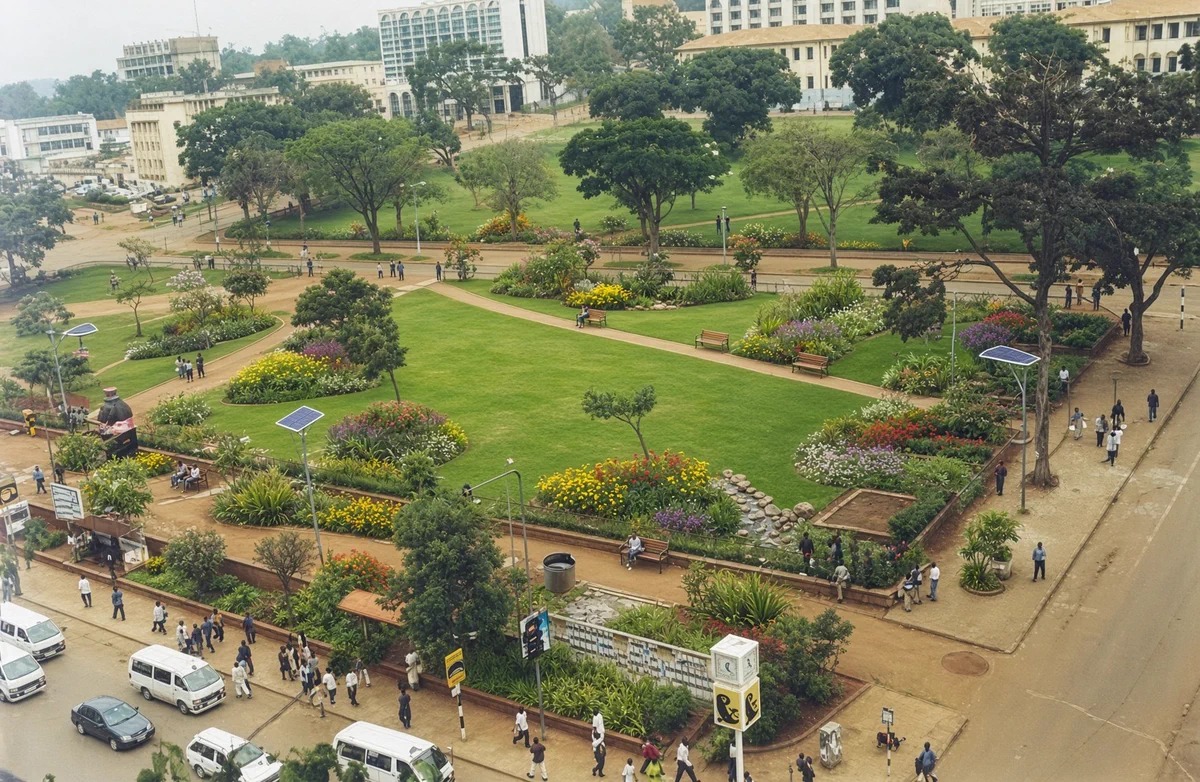
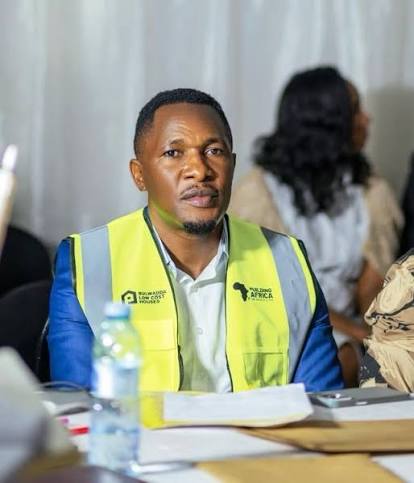
This direct bypass exposes a profound institutional vulnerability. By transforming the presidency into a literal marketing agent for his private real estate ambition, Bulwadda has triggered massive double standard. Years ago, President Yoweri Museveni himself personally stepped in and stopped Hassan Basajjalaba’s developments on City Square, decreeing that it must remain a green public space. Today, Basajjalaba’s 49-year lease granted over City Square remains active and subsisting, yet the exact same President is actively promoting and validating Bulwadda’s identical commercial proposal, effectively bypassing his own past directives.
- The Farce of the Vetting Committee
In an effort to manage growing civic outrage, the executive directed the Kampala Minister, Minsa Kabanda to establish an inter-ministerial committee to review the Shs400 bid put in by Bulwadda. However, public suspicion is rife that the committee is completely a farce particularly because within Uganda’s political architecture, cabinet ministers serve at the pleasure of the president and are not structurally or politically expected to overrule their appointing authority- doing so would be at their absolute political peril. The committee does not exist as an independent oversight panel, but as an administrative clearing house to deliver procedural legitimacy to a decision that has already been made from above.
- The Irreversible Excision
Truer to form, the most devastating reality of this entire structural loop is that more or less all of the public assets doled out free of charge by the state never returns to the public asset register folio. From the 14 acres of UBC land at Nakasero doled out to the Aya Brothers to the 15 acres of land of Shimoni gifted to Sudhir Ruparelia and a powerful Somali widow.
When Buganda Katikkiro, Charles Peter Mayiga, to mention but one, states that Kampala is full of shopping malls and desperately needs to preserve its public green spaces, he is speaking from this exact same history. The Capital City refuses to watch the state repeat a 30-year cycle that more or less permanently deletes public assets from the register folio for the fleeting, unfulfilled promises of transient investors.
Author Profile
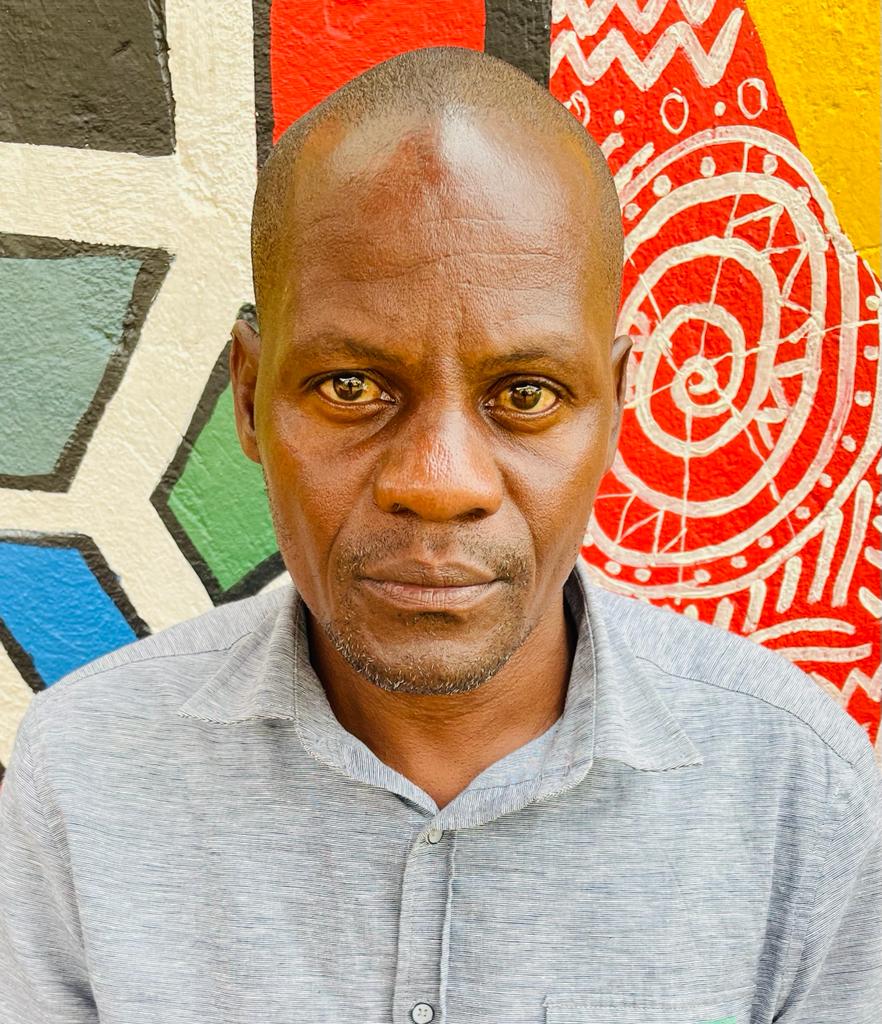
- Mr. Stephen Kasozi Muwambi is a seasoned crime investigative writer, majoring in judicial-based stories. His two decades’ experience as a senior investigative journalist has made him one of the best to reckon on in Uganda. He can also be reached via [email protected]
Latest entries
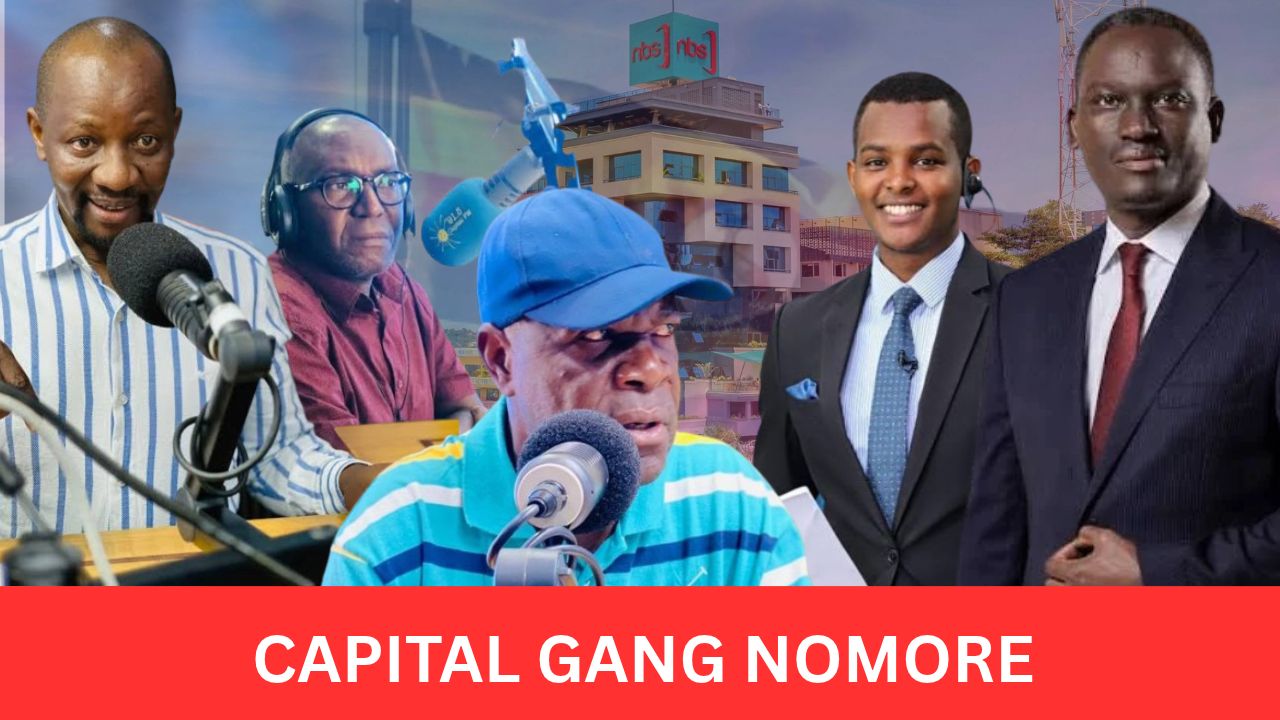 FeaturedOctober 13, 2026CAPITAL GANG IN TURMOIL: OSCAR SEMWEYA QUITS AFTER 30 YEARS: Capital FM’s Legendary Talk-Show Host Reportedly Exits After Clashing With New Owner Kin Kariisa As Producer Patricia Osman And Panellist Derrick Wandera Face The Exit Door
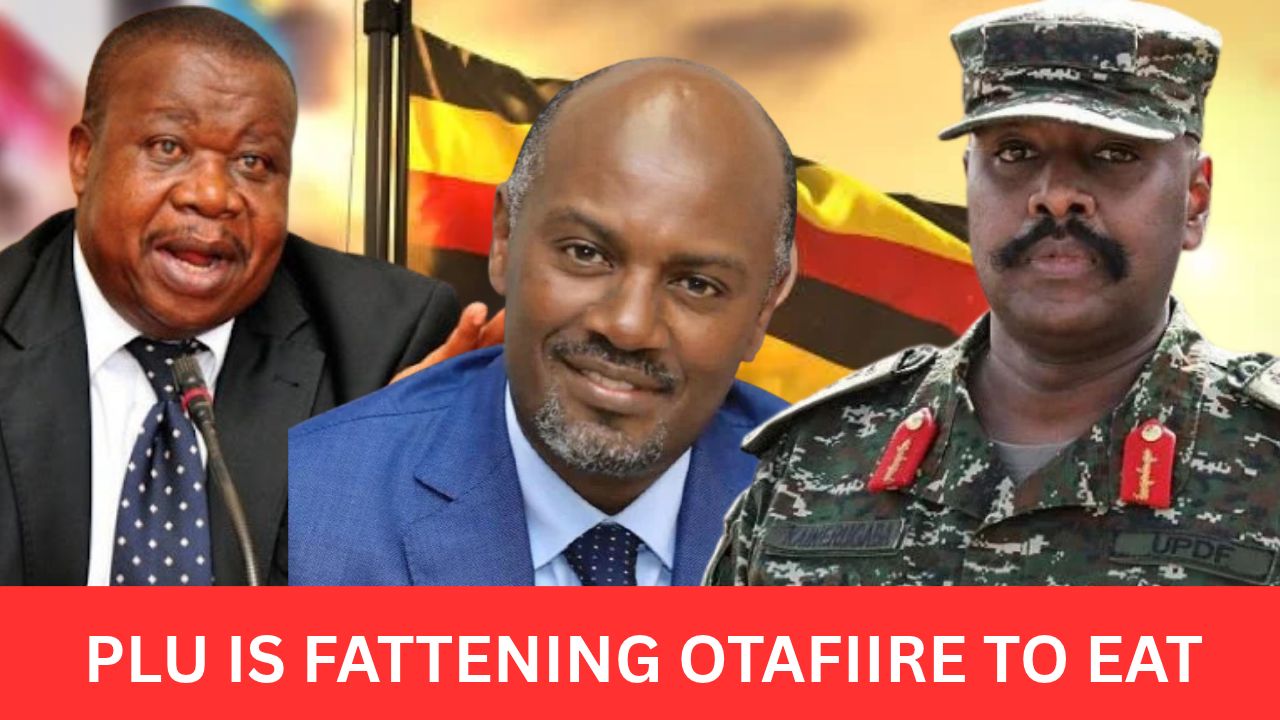 FeaturedOctober 13, 2026‘WE SHALL EAT OTAFIIRE LIKE GRASSHOPPERS’ CDF Muhoozi Ally Andrew Mwenda Escalates The War Against The Veteran Minister, Threatening To Dismantle His Political Network And Defeat Him In Ruhinda
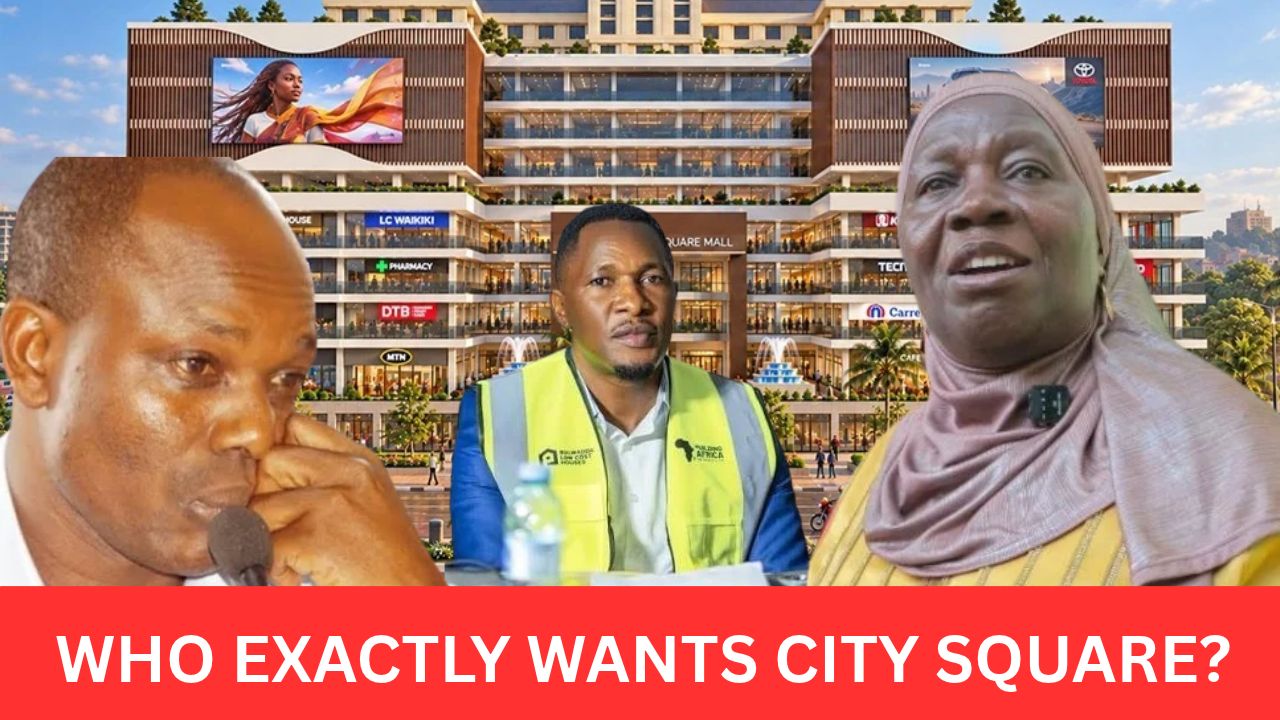 FeaturedOctober 13, 2026WHO WANTS KAMPALA CITY SQUARE? Hassan Bulwadda’s Shs400b Solar-Powered Mall And Hotel Proposal Revives Questions Over The Fate Of Public Land, Presidential Influence And A 30-Year History Of Controversial Investor Deals
 FeaturedOctober 12, 2026‘WE WON’T BE SOLD!’ Among’s Followers Protest Social Media Rebranding, Reject Transfer To Global Africa And Demand Answers After Former Speaker Annet Anita Among’s Accounts Reportedly Change Ownership