









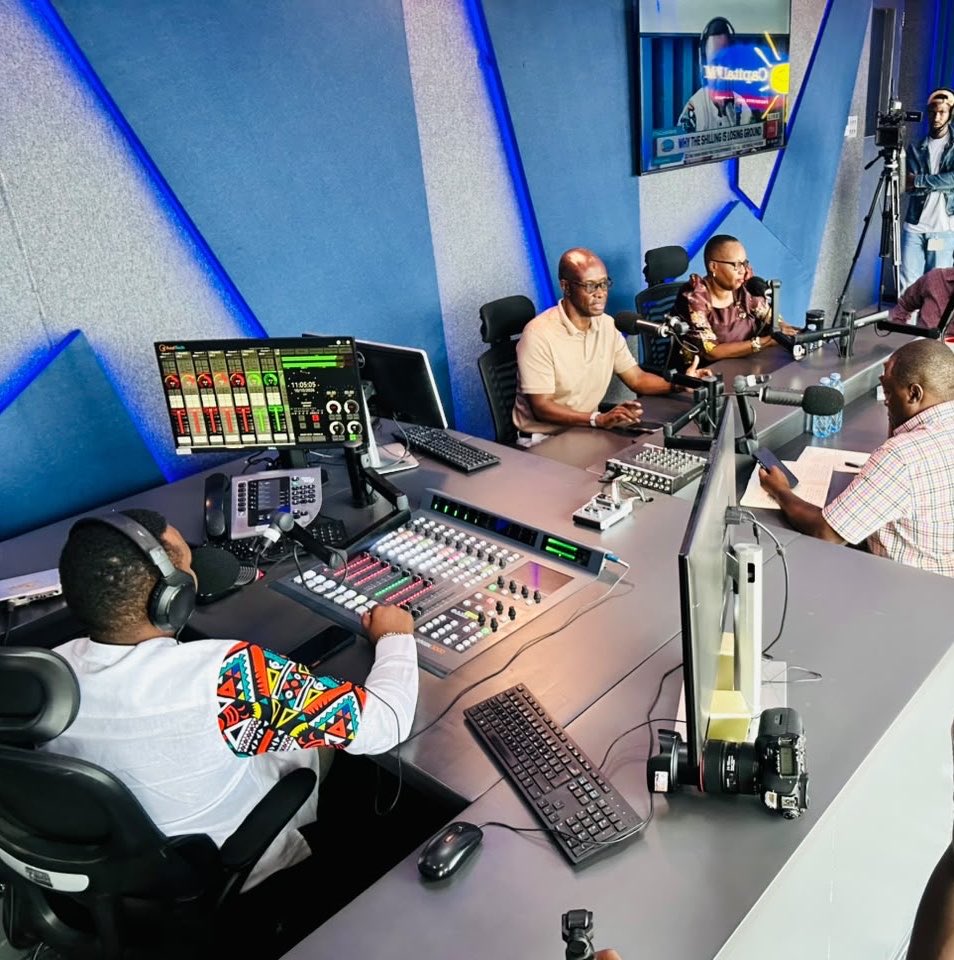
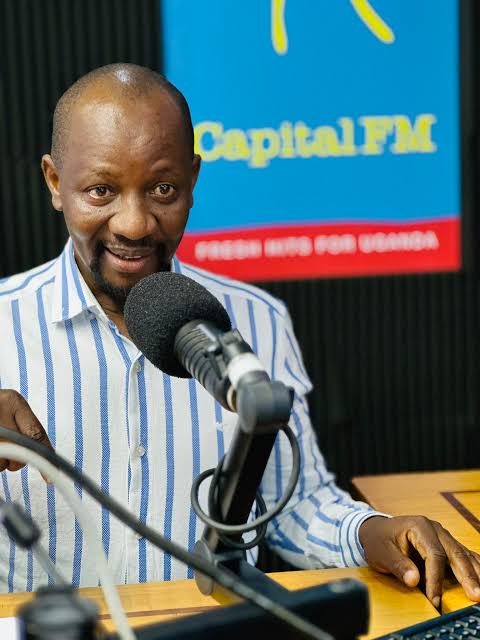
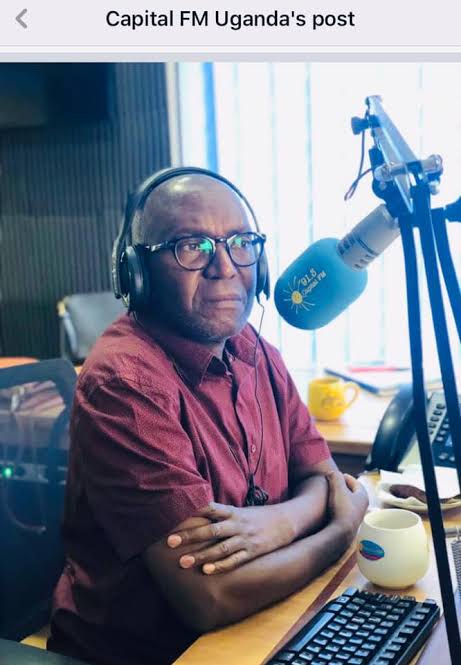
Uganda’s longest-running political talk show, Capital Gang, is facing one of its biggest tests since its establishment, with veteran moderator Oscar Semweya reportedly preparing to leave the programme after more than three decades at the helm.
The reported departure of Semweya, popularly regarded by his admirers as Uganda’s equivalent of American broadcasting legend Larry King, threatens to mark the end of an era for the Saturday political discussion that has built a loyal following around its combative exchanges, familiar voices and distinctive style of interrogating the country’s political leadership.
The Investigator has learnt that Semweya’s exit follows reported disagreements with media mogul Kin Kariisa, the chief executive officer of Next Media, which recently acquired a majority stake in Capital FM, the radio station that has hosted the programme for decades.
Sources familiar with the developments say Kariisa has indicated that Semweya’s services will not be required under the new arrangement, prompting the veteran broadcaster to consider stepping aside and concentrating on his responsibilities at Taibah Schools, where he serves as principal.
“Oscar will not moderate that show again. He is retiring from radio,” a source familiar with the developments said.
Although the reported exit has not been publicly confirmed by the key parties, the prospect of losing a presenter who has become almost inseparable from the programme raises questions about Capital Gang’s future, particularly whether the show can retain its signature listenership after a major change in its cast.

For many regular listeners, Capital Gang is not simply a radio programme. It is a weekly political ritual built around Semweya’s familiar voice, the personalities of the permanent panellists and the arguments that have unfolded around Uganda’s most contentious public issues.
The reported departure of Semweya is accompanied by indications that other members of the production and discussion team could also leave, potentially transforming the programme more radically than a simple change of presenter.
The gangsters face the exit door
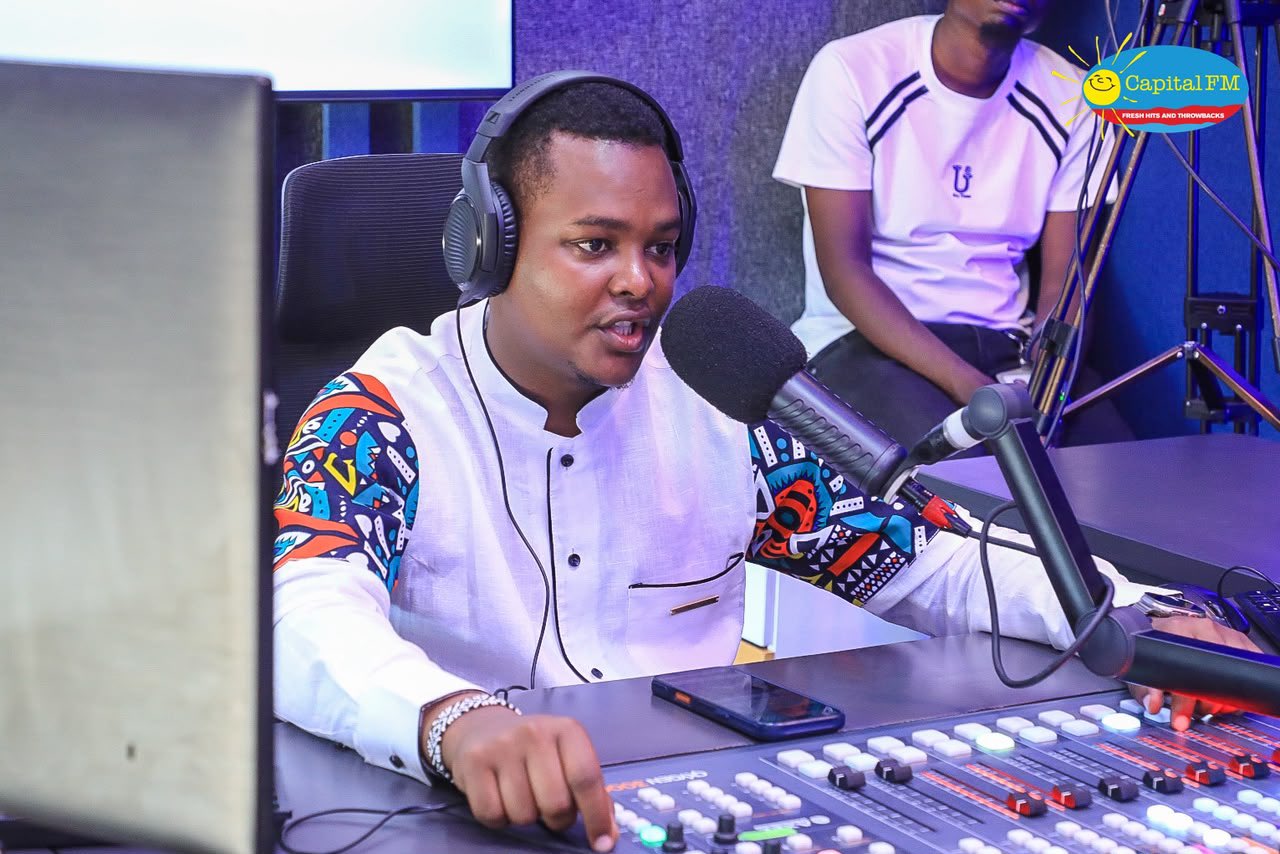
Among those reportedly affected is Derrick Wandera, the youngest of the programme’s permanent panellists, commonly known as gangsters. Sources say Wandera has already been informed that his services may no longer be required under the new arrangement.
Capital Gang producer Patricia Osman is also reportedly on the exit path, while seasoned journalist Dalton Kaweesa is said to be positioned to take over production responsibilities.
Meanwhile, Canary Mugume, a news anchor at Next Media, is reportedly being considered as Semweya’s potential replacement in the moderator’s chair.
If the changes proceed as described by the sources, Capital Gang could lose several of the people who have shaped its sound, rhythm and identity over the years.
The question is whether the new management intends to preserve the existing programme and refresh its presentation or build a substantially different product under the familiar Capital Gang name.
A radio talk show is not sustained by its title alone. Its character emerges from the relationship between the moderator, the panellists, the production team and the audience. Replacing several of those elements simultaneously risks disrupting the chemistry that listeners have come to expect.
For a programme whose appeal has depended heavily on familiar personalities and spirited disagreements, such a transition could prove particularly challenging.
Three decades of political theatre
Semweya’s reported departure is significant because of the length of time he has been associated with the programme.
Over more than 30 years, he has occupied the central position in discussions that have accompanied Uganda’s changing political landscape. Capital Gang has provided a platform for debating government decisions, opposition politics, elections, public accountability and the personalities who dominate national affairs.
Its appeal has rested partly on the clash of perspectives among its regular contributors. The gangsters have not always agreed with one another, and their differences have helped produce the spirited exchanges that distinguish the programme from conventional news bulletins and more restrained studio interviews.
Semweya’s role has been to hold those exchanges together, steer the conversation and give the show a recognisable structure.
That familiarity is important in radio, where audiences often develop strong attachments to presenters and panellists. Listeners become accustomed to particular voices, arguments, mannerisms and recurring rivalries. Over time, those personalities become part of the programme’s brand.
For loyal Capital Gang listeners, the Saturday discussion has consequently been about more than the issues on the agenda. It has also been about hearing familiar participants challenge one another and anticipating how the debate will unfold. This is the legacy the new management must contend with.
Replacing a presenter who has spent decades establishing that relationship with the audience is not the same as appointing a new newsreader. The incoming moderator would have to earn the confidence of listeners who may already associate the programme’s credibility and character with Semweya.
The challenge could be even greater if several established panellists depart at the same time.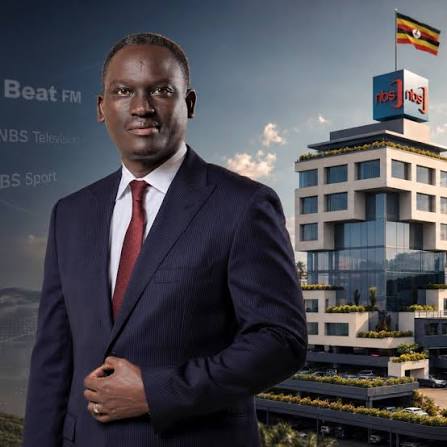
Can Canary Mugume fill Semweya’s shoes?
Mugume’s reported emergence as a possible successor presents Next Media with an opportunity to introduce a younger broadcasting style while maintaining the programme’s relevance in a changing media environment.
As a news anchor within the media group, he is already familiar with the demands of live broadcasting and the importance of handling politically sensitive subjects. However, moderating Capital Gang would require a different set of skills from presenting a news bulletin.
The moderator must balance competing personalities, keep discussions focused, challenge sweeping claims and ensure that disagreements do not overwhelm the issues under examination.
More importantly, Mugume would be stepping into a position occupied by a broadcaster whose association with the programme spans generations of listeners.
The test would be whether he can establish his own identity without alienating the audience that has grown accustomed to Semweya’s style.
There is also the question of whether the new management will preserve the existing format, including the combative exchanges that have made Capital Gang distinctive, or introduce a more controlled discussion.
A change in moderation does not necessarily mean the programme will decline. New presenters can attract younger audiences, introduce fresh perspectives and revive programmes that have become too dependent on established personalities.
But the transition must be carefully managed. A sudden departure of the moderator, producer and some permanent panellists could leave listeners feeling that the programme they knew has disappeared, even if the Capital Gang name remains on the schedule.

The danger of losing the signature audience
Capital Gang’s greatest asset may also be its greatest vulnerability: the audience’s attachment to its established cast.
Unlike programmes that rely primarily on breaking news or specialist reporting, personality-driven talk shows build loyalty through repeated encounters with familiar voices. Listeners return because they know the participants, understand their positions and enjoy the tension generated when those positions collide.
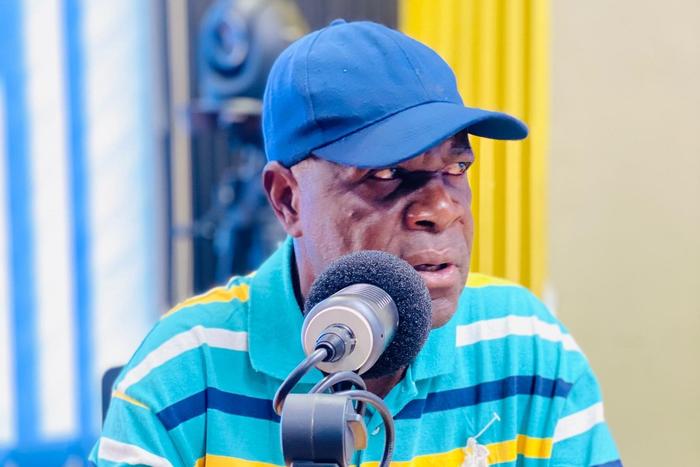
The gangsters have become part of this appeal. Their disagreements and distinctive contributions help create a sense of continuity from one Saturday to the next.
If the familiar cast is dismantled, the new programme will have to rebuild that connection.
Some listeners may follow Semweya wherever he goes, while others may give the new moderator a chance. A section could simply stop listening, particularly if the new format feels markedly different from the programme they have followed for years.
The risk is not necessarily an immediate collapse in listenership but a gradual erosion of loyalty as audiences migrate to competing stations, online discussions and digital platforms offering political commentary.
Capital Gang must also contend with a media environment that has changed considerably since the programme established itself. Political discussions now circulate through social media, podcasts, livestreams and short video clips. Listeners can follow debates at their convenience rather than waiting for a scheduled radio broadcast.
That makes a strong identity even more important. The programme must offer something that audiences cannot easily obtain elsewhere, whether through incisive questioning, credible analysis, entertaining disagreements or the chemistry of its contributors.
If the familiar gangsters are replaced without a compelling alternative, the show could struggle to distinguish itself in an increasingly crowded market.
On the other hand, a well-executed transition could help it reach new audiences without abandoning its traditional listeners.
Kin Kariisa’s new era at Capital FM
Kariisa’s reported intervention comes as Next Media seeks to expand its presence in Uganda’s competitive broadcasting industry following its acquisition of a majority stake in Capital FM.
The development places the station at the centre of a broader question facing media owners: how to modernise an established brand without destroying the qualities that made it successful.
For a new owner, reviewing staffing, programming and production arrangements may be part of a commercial strategy intended to improve performance and align the station with the wider business.
But legacy programmes present a special challenge because their value is often inseparable from the people who created them.
Capital Gang’s long association with Semweya means that any attempt to redesign the programme will inevitably be judged against its previous form.
The new management will therefore need to communicate clearly about its plans, the direction of the show and the reasons for making changes. Where possible, retaining some continuity in the panel or format could help ease the transition.
The reported developments also raise questions about how experienced broadcasters are treated when ownership changes. While media companies have legitimate commercial interests, the departure of long-serving presenters can carry consequences beyond the individual employment relationship, especially when those presenters have become central to a programme’s public identity.
For Semweya, the reported exit could provide an opportunity to devote more attention to Taibah Schools and other interests after a lengthy radio career. For the remaining members of the team, it could mark the end of a familiar working arrangement.
For Capital FM, however, the challenge will be to ensure that a change in personnel does not become a loss of audience confidence.
An institution at a crossroads
The future of Capital Gang will ultimately depend on what comes next. If the reported changes are implemented, the new moderator and production team will inherit a programme with an established reputation but also a demanding audience.
They will need to demonstrate that Capital Gang can remain lively, independent-minded and relevant without relying entirely on the personalities who built its reputation.
The management must also decide how much of the old programme to preserve. Keeping the name while changing nearly every familiar voice may not be enough to convince listeners that they are still hearing the same show.
For more than three decades, Semweya has been the steady hand behind a weekly gathering of political debaters. His reported exit, alongside the possible departure of Osman and Wandera, could therefore represent more than a routine personnel reshuffle.
It could be the beginning of a fundamental transformation of one of Uganda’s best-known political radio programmes.
Whether that transformation becomes a successful reinvention or a painful loss of identity remains to be seen.
For now, Capital Gang faces a defining question: can a programme built around the chemistry of its established gangsters survive when the gang itself is being dismantled?
Author Profile
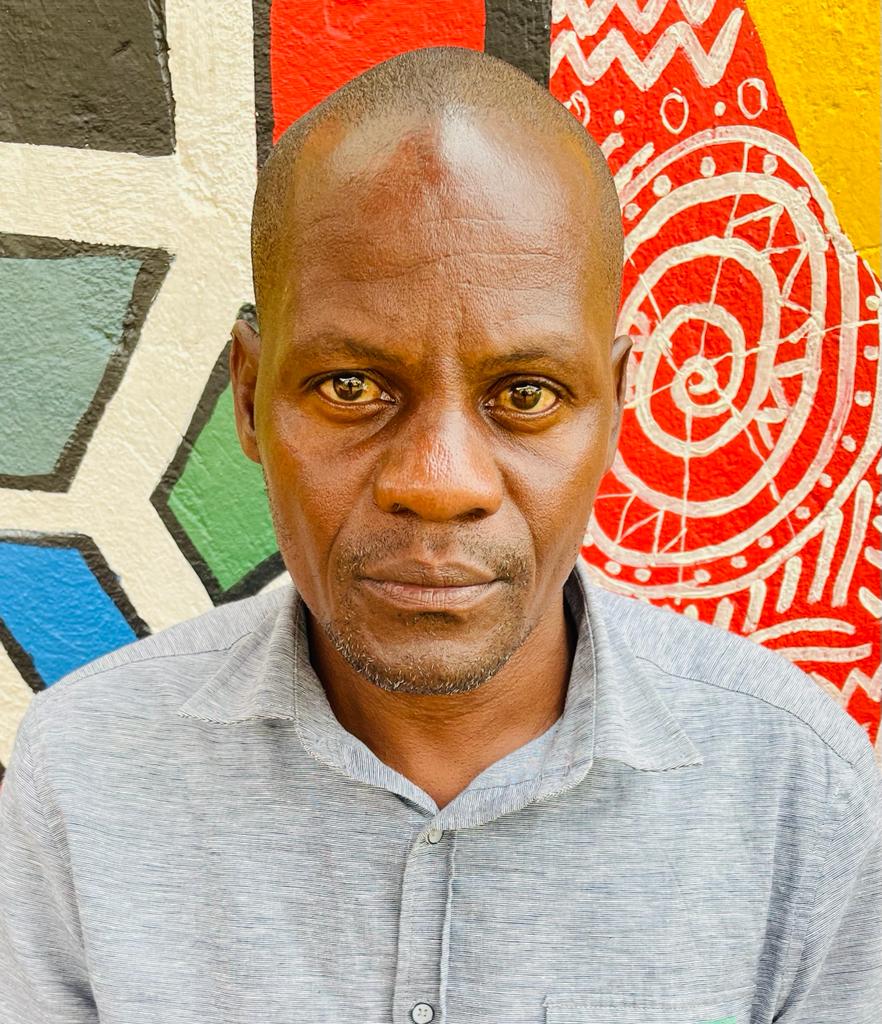
- Mr. Stephen Kasozi Muwambi is a seasoned crime investigative writer, majoring in judicial-based stories. His two decades’ experience as a senior investigative journalist has made him one of the best to reckon on in Uganda. He can also be reached via [email protected]
Latest entries
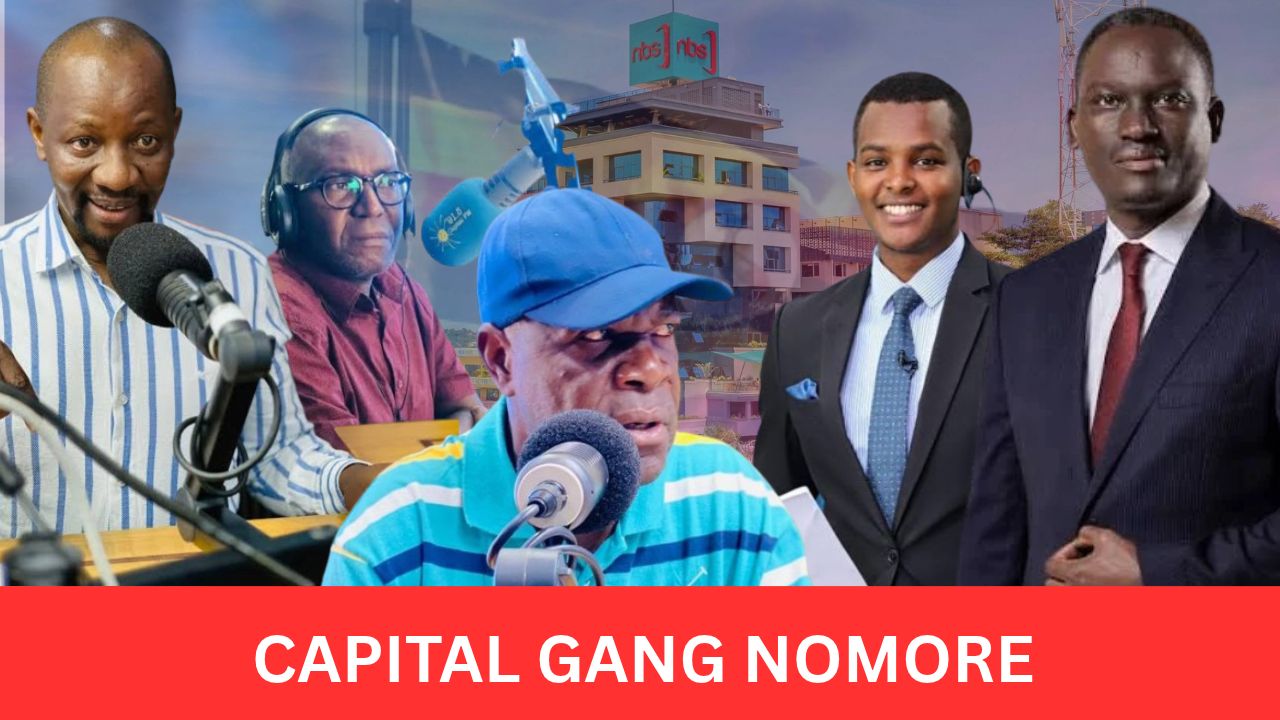 FeaturedOctober 13, 2026CAPITAL GANG IN TURMOIL: OSCAR SEMWEYA QUITS AFTER 30 YEARS: Capital FM’s Legendary Talk-Show Host Reportedly Exits After Clashing With New Owner Kin Kariisa As Producer Patricia Osman And Panellist Derrick Wandera Face The Exit Door
 FeaturedOctober 13, 2026‘WE SHALL EAT OTAFIIRE LIKE GRASSHOPPERS’ CDF Muhoozi Ally Andrew Mwenda Escalates The War Against The Veteran Minister, Threatening To Dismantle His Political Network And Defeat Him In Ruhinda
 FeaturedOctober 13, 2026WHO WANTS KAMPALA CITY SQUARE? Hassan Bulwadda’s Shs400b Solar-Powered Mall And Hotel Proposal Revives Questions Over The Fate Of Public Land, Presidential Influence And A 30-Year History Of Controversial Investor Deals
 FeaturedOctober 12, 2026‘WE WON’T BE SOLD!’ Among’s Followers Protest Social Media Rebranding, Reject Transfer To Global Africa And Demand Answers After Former Speaker Annet Anita Among’s Accounts Reportedly Change Ownership