



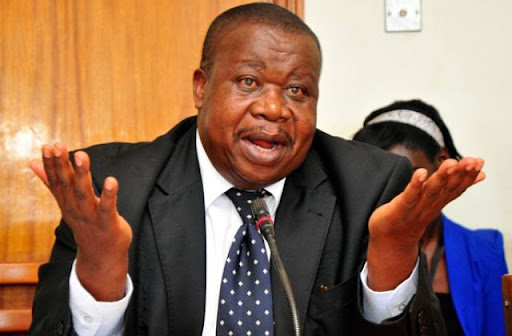
The battle over President Yoweri Museveni’s succession has produced an unlikely political protagonist within the ruling National Resistance Movement (NRM): Soroti City West MP and NRM vice-chairperson for Eastern Uganda, David Calvin Echodu, who reportedly stood his ground against efforts to position Chief of Defence Forces (CDF) Gen Muhoozi Kainerugaba as his father’s successor in 2031.
At a time when several senior NRM officials have appeared reluctant to openly challenge the growing political influence of the President’s son, Echodu has reportedly emerged as one of the few party leaders willing to tell Museveni what some of his colleagues may only be discussing behind closed doors: that Muhoozi is not yet ready to inherit the presidency and must first abandon his military uniform if he wants to pursue civilian politics.
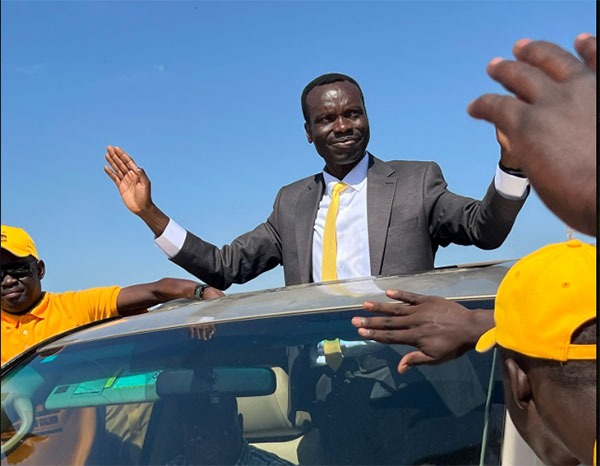
His intervention at the Tuesday, Central Executive Committee (CEC) meeting at State House, Entebbe, reportedly turned an anticipated succession endorsement into an uncomfortable confrontation for Muhoozi’s supporters.
According to accounts of the closed-door meeting reported by Agence France-Presse (AFP), only seven of the 28 CEC members had voted on Muhoozi’s proposed succession when the process was halted following objections from senior members. Four had reportedly supported the General, while three opposed him.
It was in this atmosphere that Echodu reportedly advised Museveni to retire his son from the Uganda People’s Defence Forces (UPDF), give him a civilian assignment and allow him to acquire the political experience necessary to lead the country.
More controversially, Echodu reportedly advised Museveni himself to contest the 2031 presidential election, arguing that his son was not yet prepared to take over the country’s leadership. The intervention has placed the Eastern Region NRM vice-chairperson at the centre of an increasingly bitter succession struggle, pitting party establishment figures against the emerging political machinery of the Patriotic League of Uganda (PLU), whose principal objective is to position Muhoozi for State House.
The man who challenged the Muhoozi project
Echodu’s reported intervention is significant because the NRM CEC is not an ordinary party gathering. It is the ruling party’s top executive decision-making organ, chaired by Museveni himself and populated by senior officials who have historically been careful about challenging the President’s political preferences. The CEC brings together national and regional party leaders, the secretary general, treasurer and representatives of different party structures.
For a regional vice-chairperson to openly question the readiness of Museveni’s son, particularly in a meeting where the President had reportedly presented his credentials for consideration, represents a significant political intervention. The October 27 CEC meeting had already introduced the succession question into the party’s highest decision-making structure.
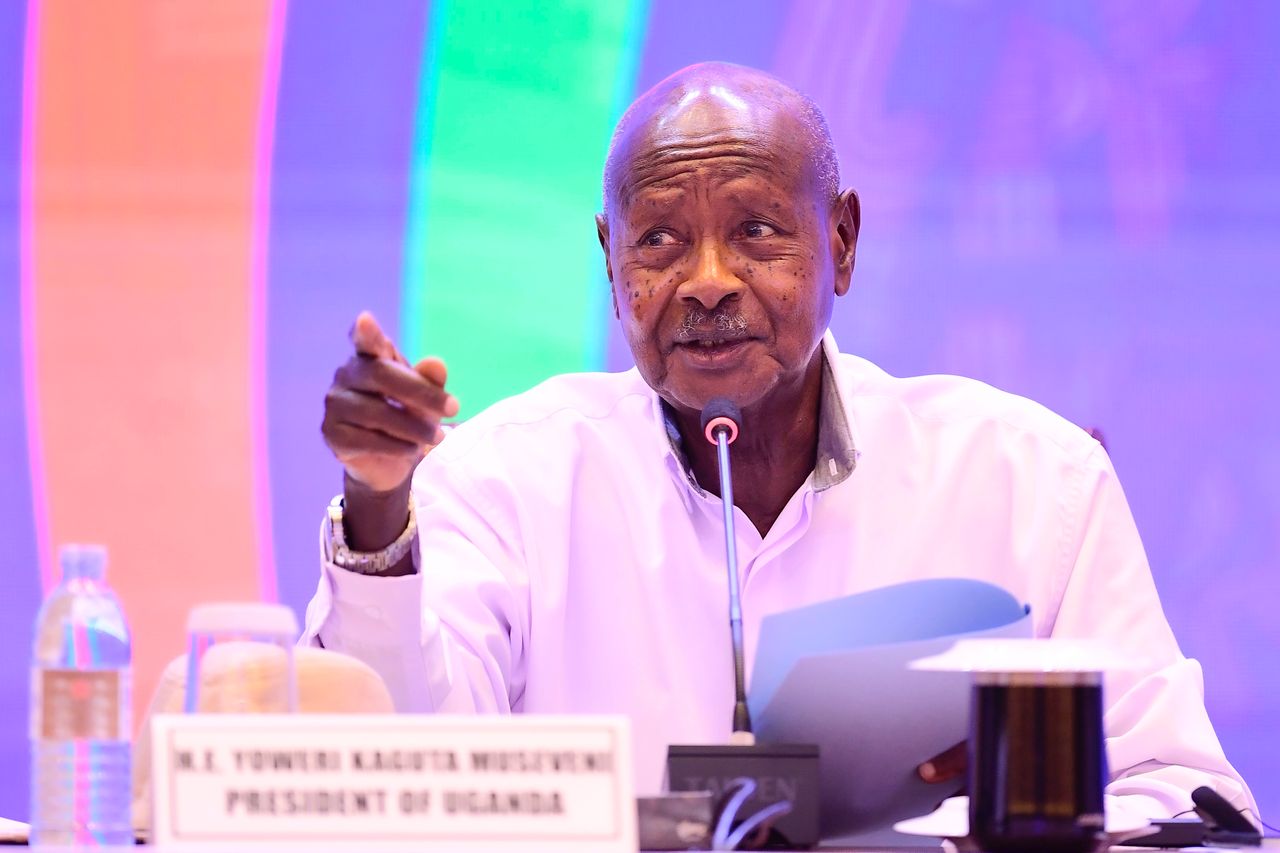
During that meeting, Museveni reportedly presented a paper outlining the qualities he considered essential for Uganda’s next leader, including Pan-Africanism, military strength, discipline and ideological clarity. He reportedly invited members to examine Muhoozi’s suitability against those attributes. Museveni was also quoted by participants as defending his son’s military experience and ideological credentials while acknowledging that some of his social media conduct worried members.
It was against this background that Kasambya County MP Daudi Kabanda, a leading PLU mobiliser and executive secretary in the Office of the National Chairman, publicly announced that Museveni had endorsed Muhoozi.
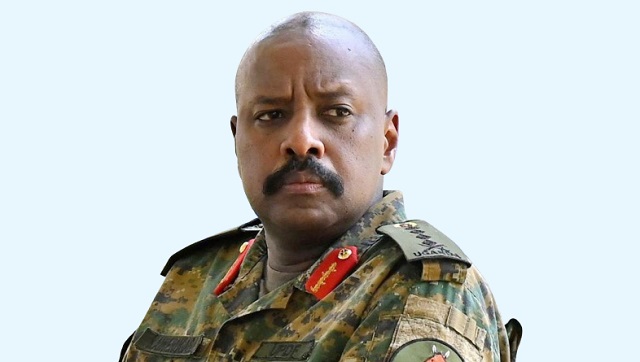 However, NRM Electoral Commission chairman Tanga Odoi subsequently disputed claims that the party had formally discussed or endorsed a successor.
The Tuesday meeting reportedly went further, with members openly questioning the General’s suitability. Echodu’s reported contribution was particularly consequential because he did not merely question Muhoozi’s social media behaviour. He proposed an alternative political arrangement: Muhoozi should leave the military, acquire civilian experience, and allow Museveni to seek another term. That position effectively challenges the urgency of the PLU succession campaign.
From the Elwelu Controversy to the Muhoozi Succession Battle
Echodu’s growing visibility in the succession debate comes after an earlier confrontation with influential members of the Muhoozi political camp over the arrest of former Deputy CDF Lt Gen (Rtd) Peter Elwelu. Following Elwelu’s arrest in Soroti over allegations relating to national security, Echodu expressed concern about the circumstances surrounding the operation and the anxiety it had generated among residents of Teso.
He called for transparency, consultations with relevant security institutions and reassurance to the population. Speaking on behalf of himself and the people of Eastern Uganda, Echodu urged residents to remain calm as political and opinion leaders sought clarification from the responsible authorities. His position was that a matter involving a senior former military commander and allegations of possible insecurity in Teso required transparency rather than speculation.
But his intervention attracted criticism from Local Government Minister Balaam Barugahara, who is also PLU vice-chairperson in charge of Western Uganda. Balaam urged Echodu and other leaders to approach the matter with objectivity and statesmanship, rather than viewing it through political, tribal or regional lenses. He defended Museveni and Muhoozi’s experience in assessing intelligence and handling security matters, while insisting that the relevant institutions should be allowed to conduct their investigations.
 Daudi Kabanda also entered the dispute, questioning why Elwelu’s arrest had generated what he described as regional and sectarian reactions. Kabanda cited previous arrests involving senior security officials, including Generals James Kazini, Henry Tumukunde, Kale Kayihura and David Sejusa, arguing that Elwelu should not be treated differently.
The exchange exposed an emerging political fault line between Echodu, who was demanding transparency and reassurance for his constituents, and PLU-aligned figures who appeared determined to defend the military and political leadership against criticism. Now that Echodu has reportedly challenged Muhoozi’s succession ambitions inside CEC, the earlier confrontation has acquired a new political dimension.
The coincidence is difficult to ignore: two influential PLU figures who previously challenged Echodu over his handling of the Elwelu affair are also among the most visible defenders of Muhoozi’s political ambitions. However, there is no independently established evidence that Balaam and Kabanda’s earlier criticism was coordinated as retaliation for Echodu’s position on succession.
Balaam and Kabanda: The Political Attack Dogs
Balaam and Kabanda occupy important positions within the PLU political network. Balaam is not merely a government minister. He is also the movement’s vice-chairperson for Western Uganda and one of the prominent political figures defending Muhoozi’s leadership credentials. His criticism of Echodu over the Elwelu affair demonstrated his willingness to challenge fellow NRM leaders who question the handling of politically sensitive security matters.
Kabanda, on the other hand, is among the most vocal parliamentary defenders of the Muhoozi project. As Kasambya County MP and PLU executive secretary in the Office of the National Chairman, he has repeatedly taken the lead in communicating the General’s political ambitions. On September 1, 2026, Kabanda announced Muhoozi’s intention to contest the 2031 presidential election and discussed the mobilisation of millions of signatures in support of his candidature. He subsequently claimed that Museveni had endorsed his son during the October 27 CEC meeting.
That announcement was significant because it presented the President’s reported remarks as an endorsement before the NRM had communicated any formal succession decision. NRM Electoral Commission chairman Tanga Odoi challenged that interpretation, maintaining that the meeting had not selected a successor.
The latest CEC developments have therefore placed Kabanda in a difficult political position. His public campaign has been built around the expectation that Muhoozi enjoys the backing of his father and the ruling party establishment. Echodu’s reported intervention suggests that the assumption of automatic CEC support is premature. For Balaam and Kabanda, the challenge is no longer simply defending Muhoozi against opposition politicians. They must also contend with resistance from within the party that has governed Uganda since 1986.
The Constitutional Question Echodu has Brought to the Table
Perhaps the strongest argument against Muhoozi’s immediate succession is the constitutional contradiction surrounding his continued military service. Article 208(2) of Uganda’s Constitution provides that the UPDF shall be non-partisan, national in character, patriotic, professional, disciplined and subordinate to civilian authority.
Section 16 of the Political Parties and Organisations Act further restricts serving military personnel from engaging in specified partisan political activities. Yet Muhoozi is simultaneously the serving CDF and the chairman of a political movement whose supporters are campaigning for his presidency.
The PLU describes itself as a pressure group within the wider NRM movement. Nevertheless, its endorsement campaigns and political mobilisation have raised questions about the distinction between civic activity and partisan political participation. The CEC’s reported recommendation that Muhoozi should retire from the army before pursuing civilian politics therefore touches on a genuine constitutional and legal concern.
Interestingly, Muhoozi had previously indicated that he intended to leave the military in 2028, following an eight-year retirement timeline he announced in 2022. That would be three years before his declared 2031 presidential target. Echodu’s reported position, however, suggests that some NRM leaders are unwilling to wait until then without first establishing whether Muhoozi can operate successfully outside the military.
A Succession Battle that Could Expose NRM’s Internal Divisions
The latest developments raise a bigger question about the future of the NRM: can the party accommodate Muhoozi’s ambitions without alienating senior figures who believe the succession should be determined through established party structures? For decades, Museveni has been the ultimate political authority within the movement.
But his son’s emergence as a presidential contender has introduced competing loyalties, with some politicians aligning themselves with the PLU while others remain committed to the traditional NRM establishment. Echodu’s reported intervention is significant because it demonstrates that not every senior NRM official is prepared to accept Muhoozi’s elevation simply because he is Museveni’s son.
The reported suggestion that Museveni should contest again in 2031 also provides a possible alternative for those who believe the transition is premature. It could, however, deepen disagreements with PLU mobilisers who have already begun preparing the ground for Muhoozi’s presidential campaign.
For Echodu, the political risks are considerable. Challenging a succession project associated with the President’s family can expose an individual to hostility from powerful political networks. His earlier confrontation with Balaam and Kabanda over Elwelu’s arrest, followed by his reported position at the CEC meeting, places him increasingly on the opposite side of the Muhoozi political camp. But the bigger test will be whether he can sustain his position without becoming isolated within the ruling party.
Is Echodu Becoming the Voice of NRM Resistance?
The significance of Echodu’s reported intervention should not be measured simply by whether Muhoozi eventually retires from the army or contests in 2031. It is about whether senior NRM leaders can openly question the political direction of the party without being treated as enemies of the President’s family.
The CEC meeting reportedly demonstrated that Muhoozi’s supporters cannot take the party’s endorsement for granted. It also showed that the succession question has become too consequential to be settled through social media declarations, political mobilisation and claims of presidential endorsement.
For Balaam and Kabanda, Echodu represents an uncomfortable voice within the NRM establishment: a leader who is reportedly prepared to tell Museveni that his son must first satisfy the constitutional, political and leadership requirements expected of any civilian presidential aspirant. Whether that makes him the beginning of a wider resistance movement within the NRM remains to be seen.
But one thing is becoming clear: Muhoozi’s biggest political challenge may not come from the opposition or the traditional anti-Museveni forces. It may come from within his father’s own political house, where some senior figures are increasingly unwilling to surrender the succession debate to the PLU. And in that unfolding contest, Calvin Echodu has emerged as one of the most consequential voices challenging the assumption that Muhoozi’s path to State House is already settled.
Author Profile

- Uganda's First online News Paper. "More than Just News" Investigative, Informative, without Fear or Favor
Latest entries
- FeaturedNovember 12, 2026INSIDE THE BOLD CHALLENGE TO THE MUHOOZI PRESIDENCY PROJECT: The Eastern Region NRM Vice-Chairperson Reportedly Told CEC That Muhoozi Was Not Ready To Inherit State House And Should First Quit The Military
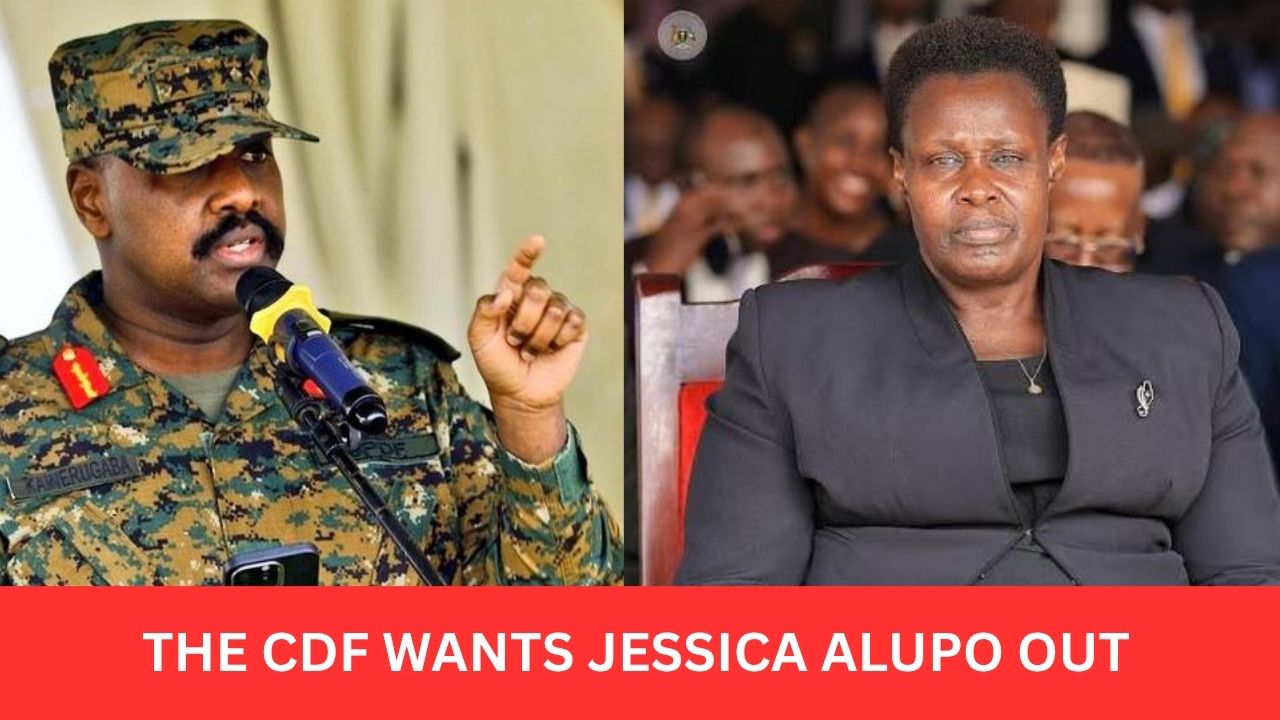 FeaturedNovember 6, 2026MUHOOZI EYES ALUPO’S SEAT: FROM CDF TO VICE PRESIDENT? After Announcing Plans To Quit The Military, Gen Muhoozi Kainerugaba Appears To Have Set His Sights On Jessica Alupo’s Office, Triggering Fresh Speculation About The Next Phase Of Uganda’s Succession Politics
 FeaturedOctober 31, 2026“I FOUND MY FRIEND BESIGYE ALMOST DEAD IN PRISON” – They Fought Together To Overthrow Obote, Served In Museveni’s First Government But Parted Ways Over The Direction Of The Revolution. Now Saleh Wants To Heal The Wounds
 FeaturedOctober 12, 2026EL NIÑO RAINS BEGIN! KAMPALA, UPCOUNTRY FLOODED: Heavy Downpours Pound The City And Upcountry, River Mayanja Bursts Banks, Commuters Stranded As Residents Count Losses And Demand Urgent Government Action