









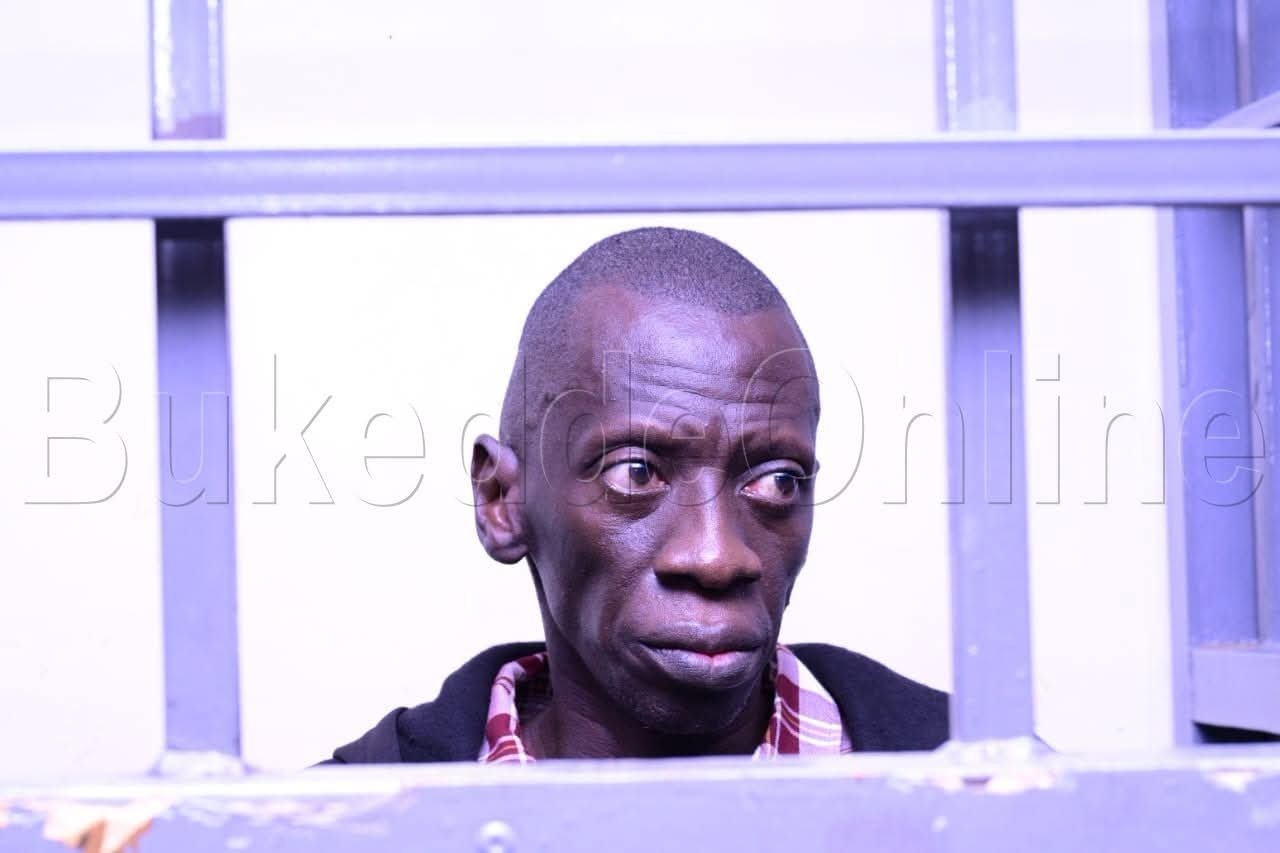
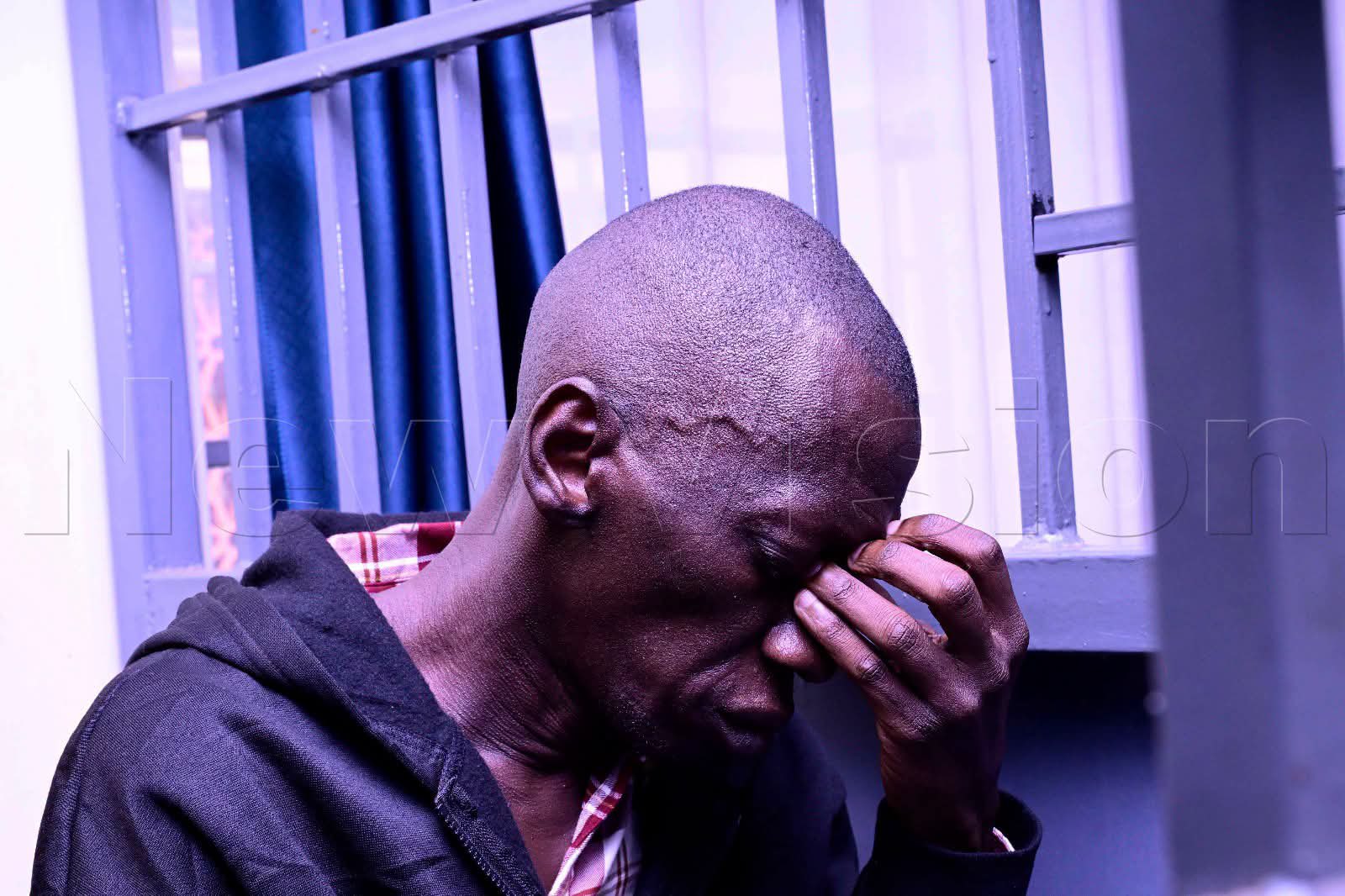
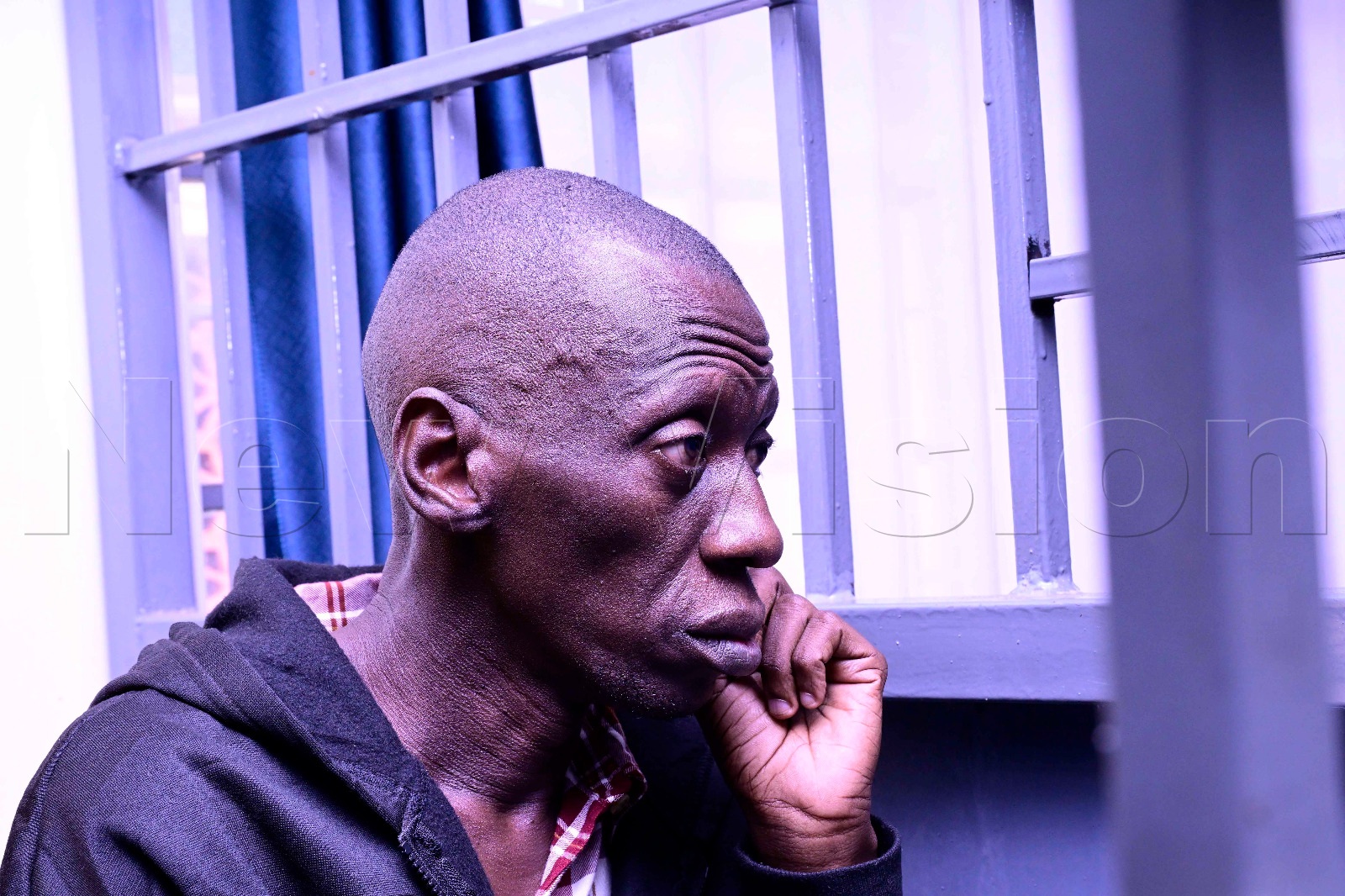
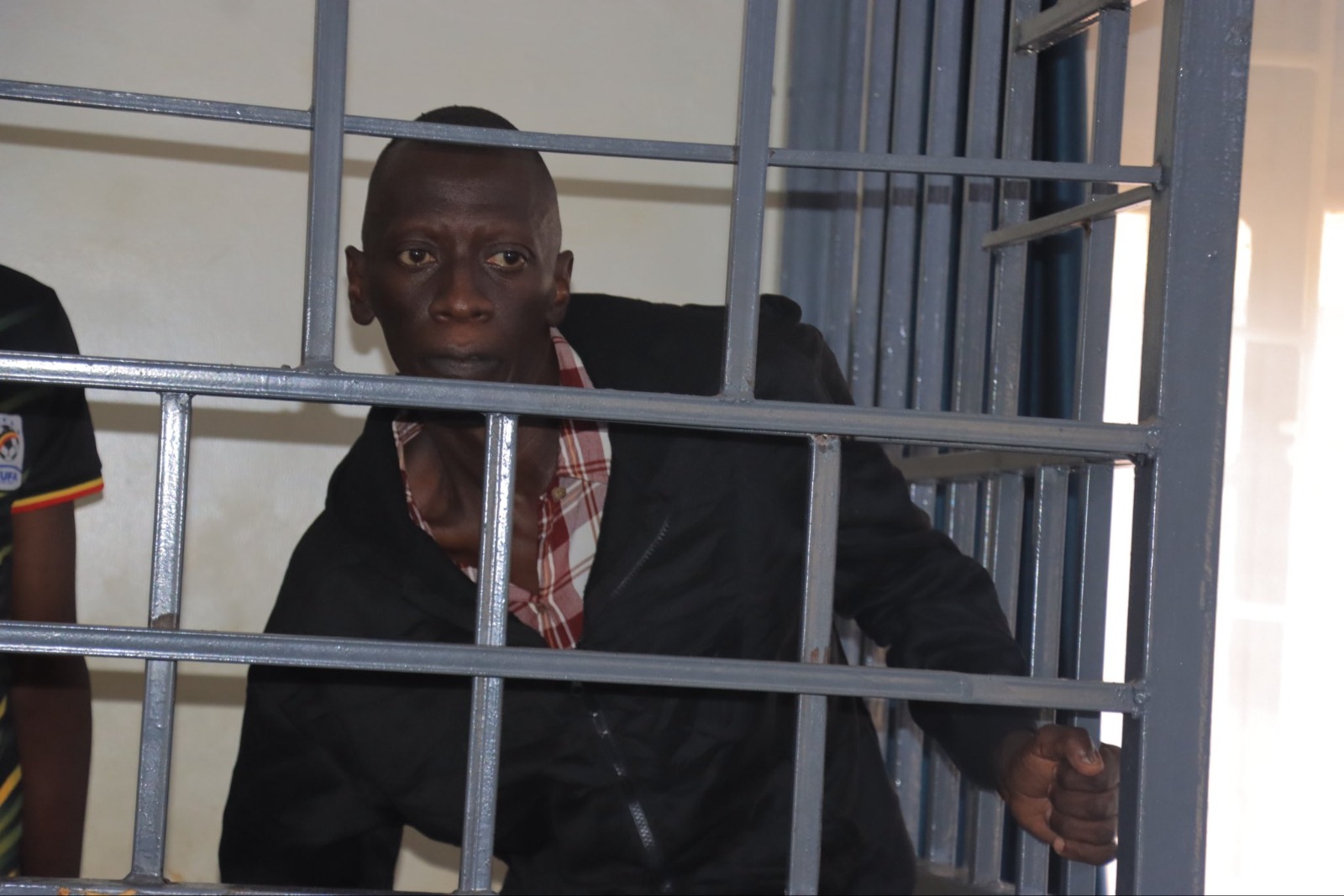
The State has finally produced missing opposition activist Sam Mugumya before the General Court Martial at Makindye, more than 14 months after his reported abduction in Mbarara, in a dramatic development that has reignited questions about enforced disappearances, military detention and the alleged role of Chief of Defence Forces (CDF) Gen Muhoozi Kainerugaba.
Mugumya, a political activist associated with opposition politics, was this morning, charged with treachery alongside serving Uganda People’s Defence Forces (UPDF) officers before the military court and subsequently remanded to Murchison Bay Prison, Luzira.
His appearance marks a significant turn in a disappearance that had attracted national attention, particularly after the army repeatedly denied holding him despite mounting pressure from his family, lawyers and opposition activists demanding to know his whereabouts.
The case has also placed Gen Muhoozi at the centre of renewed controversy following his earlier social media declaration that he had Mugumya in detention, accompanied by threats that the activist would be executed.
For his lawyers and human rights campaigners, however, the appearance before a military court does not bring the matter to an end. Instead, it raises fresh questions about the legality of his detention, the circumstances surrounding his disappearance, allegations of torture and the decision to prosecute a civilian before a military tribunal.
From Mbarara abduction to the military dock
The events leading to Wednesday’s appearance date back to August 26, 2025, when Mugumya was reportedly seized by armed men at NIM Hotel in Nyamitanga, Mbarara City, while having breakfast.
According to eyewitness accounts published at the time, the armed men, some dressed in military uniform and others in plain clothes, entered the hotel, picked him up and bundled him into a vehicle described as a drone van.
They reportedly drove him away towards Kampala, leaving his family and political associates without information about his whereabouts. Mugumya’s disappearance immediately raised concerns among opposition politicians and human rights activists, particularly because of his previous association with former presidential candidate Dr Kizza Besigye.
His lawyers subsequently pursued legal intervention through an application for a writ of habeas corpus, seeking to compel the authorities to produce him before court or explain the legal basis for his detention.
The High Court issued a writ in September 2025, directing the authorities to account for his whereabouts. However, the military maintained that he was not in its custody.
In an affidavit filed in response to the legal proceedings, Lt Col Edgar Musasizi, Director of Civil Affairs at the Ministry of Defence and Veteran Affairs, said searches of military detention facilities had failed to establish any record of Mugumya’s detention.
Musasizi specifically denied that Mugumya had been detained by officers of the Special Forces Command or held at Kasenyi Barracks. The military’s position was categorical.
In his affidavit, Musasizi stated: “I do satisfy and return that Sam Mugumya has not at any material time been in the custody of the respondents in this matter.”
He further maintained that searches of detention facility records had found no entry relating to Mugumya from August 26, 2025.
The denial placed the burden on Mugumya’s family and lawyers to continue searching for answers while the activist remained missing. But the military’s position would eventually be thrown into question by statements from the very person heading the UPDF.
Muhoozi’s explosive admission and execution threats
The most controversial development in the disappearance emerged in October 2026, when Gen Muhoozi publicly claimed on X that he was holding Mugumya.
In a post that shocked opposition supporters and human rights campaigners, the CDF declared: “Yes, I have Sam Mugumya. He is fine. But I will execute him soon.”
In another post, Muhoozi appeared to respond to concerns about Mugumya’s physical condition, particularly his legs, writing: “People are feeling sorry for Mugumya’s legs? I’m going to shoot him to death.”
The statements were particularly alarming because Mugumya had not been publicly produced before a court or formally accounted for by the military despite months of legal demands. They also appeared to contradict the sworn position presented by military officials in the High Court that the UPDF did not have him.
For activists, the CDF’s statements were more than a social media controversy. They raised serious questions about whether a senior military officer could publicly acknowledge holding a civilian, threaten to execute him and seemingly face no immediate accountability.
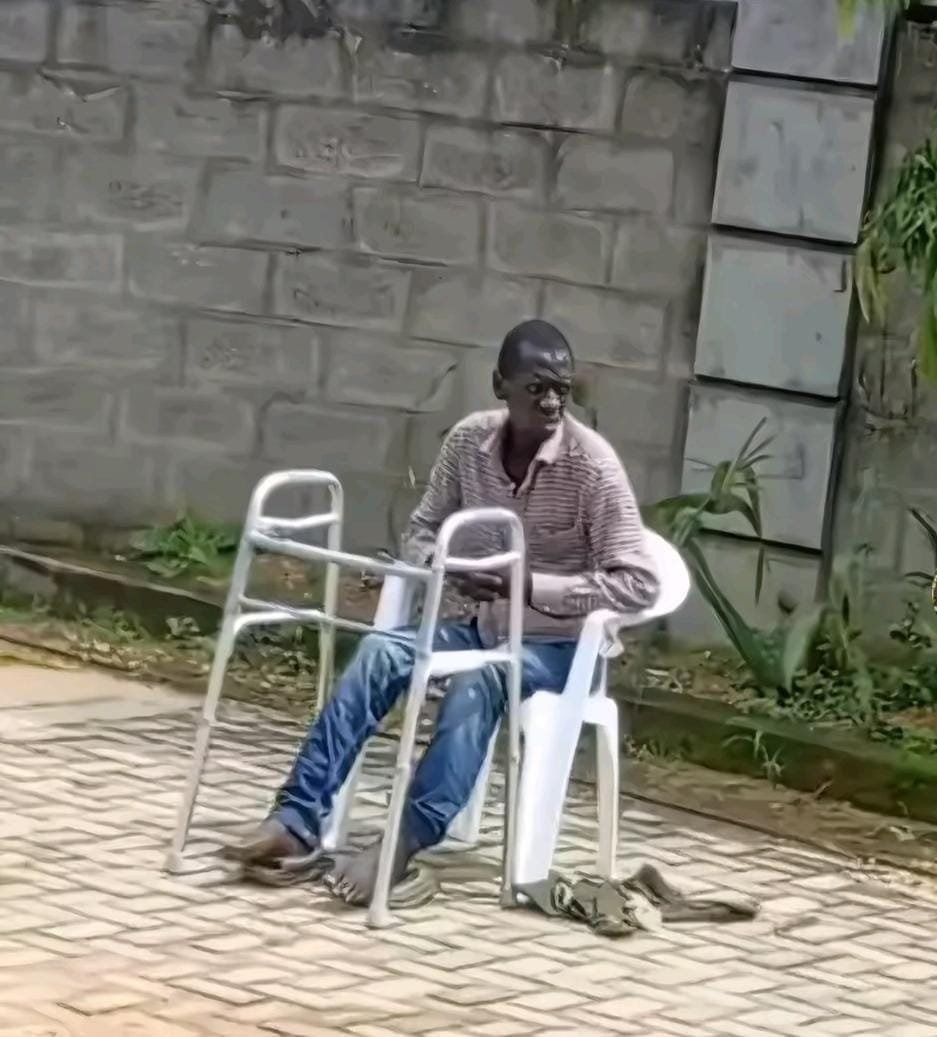
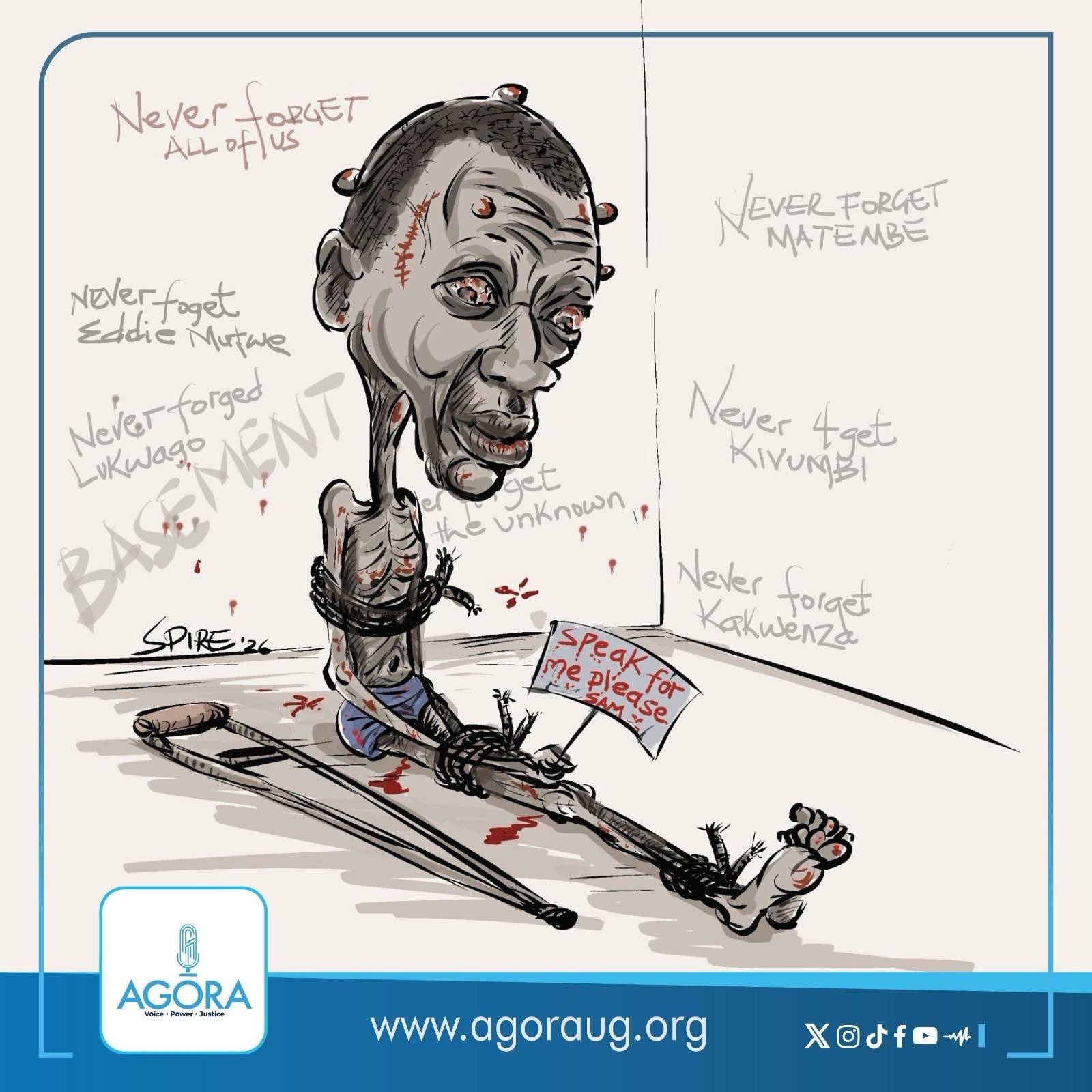
The controversy deepened after footage circulated online, purportedly showing Mugumya in a severely weakened physical condition and struggling to walk without assistance.
The footage was linked to former military intelligence officer Lt Herbert Matanda Mabonga, who had made allegations concerning detention facilities and the treatment of detainees.
The recordings could not independently establish when or where they were made. However, they intensified calls for Mugumya to be produced, examined by independent medical professionals and allowed access to his lawyers and family. The allegations of torture have remained a central concern in the campaign for his release.
For Mugumya’s supporters, the contrast between the UPDF’s sworn denials and the CDF’s public declaration that he had the activist in his custody became the defining feature of the case.
High Court proceedings and the battle to establish his whereabouts
The legal battle continued into 2026, with Mugumya’s lawyers pursuing another habeas corpus application after earlier efforts failed to establish his whereabouts.
The lawyers, working through Kiiza and Mugisha Advocates, complained that the proceedings were not being handled with the urgency demanded by a case involving a missing person whose liberty was at stake.
In October, they petitioned Principal Judge Jane Frances Abodo to reallocate the matter from Justice Simon Peter Kinobe, arguing that repeated adjournments had undermined the purpose of habeas corpus.
They said the application had initially been scheduled for September 15, 2026, but failed to proceed and was subsequently pushed to October 7 before further delays.
The lawyers argued that a habeas corpus application should receive priority because it concerns the immediate liberty and physical safety of an individual. The second application also brought renewed scrutiny of the military’s explanations.
On October 26, 2026, the High Court again heard arguments concerning Mugumya’s disappearance. Lt Col Musasizi maintained that the UPDF had not detained him and that investigations into his whereabouts were ongoing. The court subsequently directed the State to provide further information about the efforts to trace him.
The proceedings attracted attention from activists who questioned how security agencies could continue claiming not to know Mugumya’s whereabouts when the country’s CDF had publicly announced that he was in his custody.
On November 9, the High Court reportedly gave the State additional time to investigate, with Justice Kinobe warning that responsible officials could face contempt proceedings if they failed to comply with court directions. The matter was adjourned to November 30.
However, Wednesday’s production before the General Court Martial has dramatically changed the circumstances of the case, with the State now presenting an individual whose whereabouts had been the subject of prolonged legal proceedings.
 Eron Kiiza and activists question the legality of the military trial
The production of Mugumya before the General Court Martial has also revived the debate over whether civilians should be prosecuted by military tribunals, particularly following a landmark Supreme Court decision that restricted the military courts’ jurisdiction over civilians.
Lawyer Eron Kiiza, who has been associated with the legal campaign challenging the detention of opposition figures and the prosecution of civilians in military courts, has been among those demanding that the authorities respect constitutional protections.
The lawyers representing Mugumya have maintained that the State must account for his detention and guarantee his access to legal representation.
Their concerns are particularly significant because the Supreme Court, in its January 31, 2025 judgment in Attorney General v Michael Kabaziguruka, declared provisions granting military courts blanket jurisdiction over civilians unconstitutional.
The ruling did not completely eliminate military court jurisdiction over civilians. It allowed a narrow exception involving civilians prosecuted as accomplices alongside persons subject to military law.
The UPDF (Amendment) Act, 2025 subsequently introduced changes to the law. Consequently, the precise legal basis on which Mugumya has been charged alongside serving UPDF officers will be central to any challenge against his prosecution.
The prosecution must establish why the General Court Martial has jurisdiction over him and whether his circumstances fall within the narrow constitutional exception.
For Mugumya’s defence, the fact that he is a civilian cannot be overlooked simply because he has been charged alongside military officers. The case also raises questions about the independence and fairness of the proceedings, given the circumstances under which he reportedly disappeared and the public statements made by the CDF.
Activists say the State must explain the disappearance
Mugumya’s disappearance has attracted the attention of several opposition politicians, lawyers and human rights campaigners, who have consistently demanded that the government account for citizens reportedly taken by armed security operatives.
Among those who have spoken out is NUP Secretary General David Lewis Rubongoya, an opposition activist who has followed the legal proceedings.
During the October 26 habeas corpus proceedings, Rubongoya expressed frustration over the military’s continued denial that it was holding Mugumya.
“We went back to the High Court for a habeas corpus hearing for comrade Sam Mugumya, who has been missing for one year and two months now. The military swore an affidavit denying holding him, despite all evidence and previous admissions that he is in their custody,” he said.
His remarks reflected the frustration among activists who believed that the State was not providing satisfactory answers about the missing activist.
The Uganda Law Society also raised concerns over the disappearance and indicated that it would pursue international intervention.
In a statement issued in September 2026, the Society’s vice-president, Asiimwe Anthony, said it had resolved to engage United Nations special procedures on enforced and involuntary disappearances.
“The Uganda Law Society has resolved to engage the relevant United Nations Special Procedures on enforced and involuntary disappearances as a complementary avenue for accountability and protection,” Asiimwe said.
The Society’s intervention demonstrated that the Mugumya case had moved beyond an ordinary dispute between an individual and security agencies. It had become a broader test of Uganda’s obligations to protect citizens from arbitrary detention and enforced disappearance.
Other activists, including human rights campaigner Agather Atuhaire, have previously challenged the prosecution of civilians before military courts, arguing that the practice undermines constitutional protections.
Atuhaire has warned that the failure to defend the rights of individuals appearing before military tribunals could eventually expose any Ugandan to similar treatment.
The concerns are particularly relevant given the history of lawyer Eron Kiiza, who was arrested at the General Court Martial in January 2025 while representing Besigye and subsequently sentenced to nine months’ imprisonment for contempt of court.
His case attracted condemnation from international legal organisations, including the International Bar Association’s Human Rights Institute and Lawyers for Lawyers.
The controversy surrounding Kiiza’s treatment had already raised questions about the environment in which lawyers defend politically sensitive cases before military tribunals.
 Mugumya’s history with the security establishment
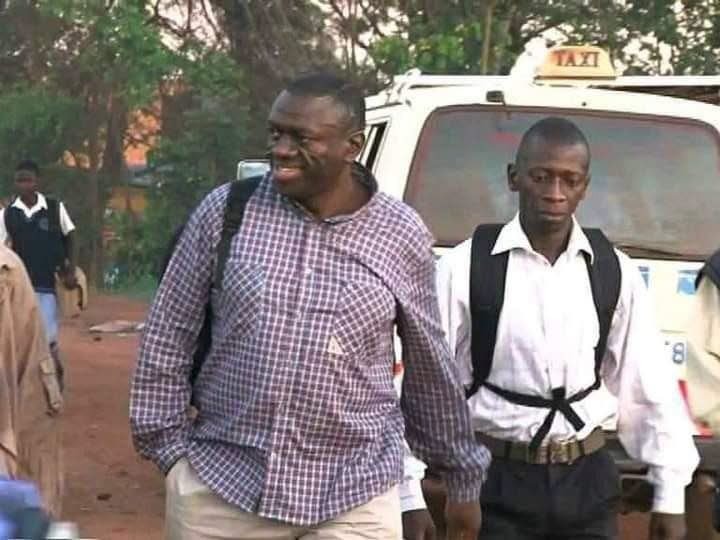
Mugumya is not new to confrontations with Uganda’s security establishment. He previously served as an aide and mobiliser associated with Dr Kizza Besigye and the opposition Forum for Democratic Change (FDC).
His political activities and association with Besigye placed him among the opposition figures who have repeatedly faced arrest and prosecution. His previous troubles extended beyond Uganda’s borders.
In October 2014, Mugumya was arrested in the Democratic Republic of Congo (DRC) over allegations of illegal entry and involvement in activities against the Ugandan government.
He spent more than eight years in detention in the neighbouring country before his release in October 2022.
His supporters maintained that his detention was politically motivated, while the allegations against him were linked to national security.
After returning from the DRC, Mugumya continued to be associated with opposition politics, particularly the political network around Besigye. His disappearance in Mbarara in August 2025 therefore came against a background of previous encounters with security agencies.
But the latest episode is different because it involves direct public statements by the serving CDF claiming custody of the activist and threatening his life.
The Muhoozi factor and questions for the UPDF
The involvement of Gen Muhoozi has made the case particularly sensitive. As CDF, he occupies the highest professional position in the UPDF and exercises significant authority over military operations and command structures.
His public declaration that he had Mugumya, followed by threats to execute him, placed him in the middle of a controversy that the military’s legal representatives were simultaneously contesting in court.
The central question now is how the UPDF reconciles the CDF’s public statements with the sworn affidavits denying that the military had detained Mugumya. If the military had him in custody, why did its representatives deny this in court?
If he was being held at a military facility, who authorised his detention, under what legal authority was he held, and why was he not presented before a competent court within the constitutionally prescribed period?
The circumstances surrounding his reported detention also demand an investigation into allegations of torture and denial of access to lawyers, relatives and medical professionals.
His lawyers and family will need an opportunity to establish his current physical condition through an independent medical examination.
The State must also explain whether any investigation has been opened into the CDF’s execution threats and the circumstances in which Mugumya was allegedly held.
These questions cannot simply disappear because he has now been produced before a military tribunal.
 What next for Sam Mugumya?
Wednesday’s production represents a major development in the campaign to establish Mugumya’s whereabouts, but his remand to Murchison Bay Prison means that his immediate freedom remains uncertain.
His defence team faces the task of challenging the treachery charges, examining the evidence presented by the prosecution and questioning the jurisdiction of the General Court Martial over a civilian. The circumstances surrounding his disappearance may also become an important part of the wider legal battle.
The State must explain the period between August 26, 2025, when he was reportedly abducted, and November 18, 2026, when he was finally produced before the military court. That period raises questions about the legality of his confinement, his access to due process and the accountability of officials who may have participated in his detention.
The alleged torture must also be investigated independently rather than being overshadowed by the criminal charges.
For the opposition and human rights community, the immediate demand is that Mugumya be allowed unrestricted access to his lawyers and family, receive appropriate medical attention and have his case handled in accordance with the Constitution. The production of Mugumya has finally answered one question: he is alive and in State custody. But it has opened several others.
Who held him for more than a year? Who authorised the detention? Why did military officials deny knowing his whereabouts? What happened to him during the period he was missing? And will those responsible for any unlawful detention or torture be held accountable?
For a man whose whereabouts became the subject of a prolonged legal battle, the appearance at Makindye is a significant breakthrough. But for his supporters, the struggle is far from over.
Sam Mugumya has been found, but the questions surrounding his disappearance, alleged torture and prosecution are only beginning.
Author Profile
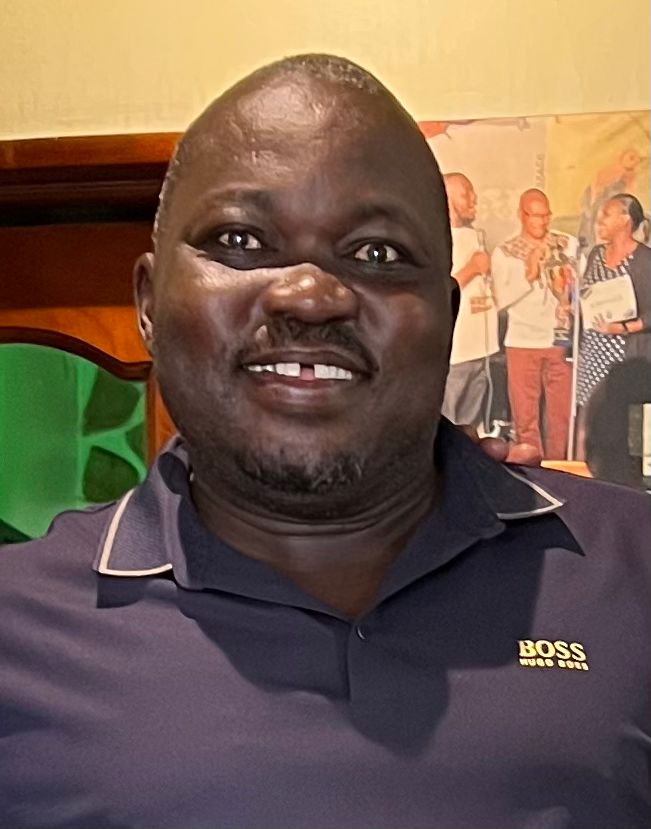
- Charles Gazza Kodili is a seasoned journalist with over 20 years of experience in the media industry. He holds a Bachelor of Arts degree in Mass Communication. He’s currently the Chief Editor at the Investigator.
Charles can also be reached via; Tel: +256 774 108978
Email: [email protected]
Latest entries
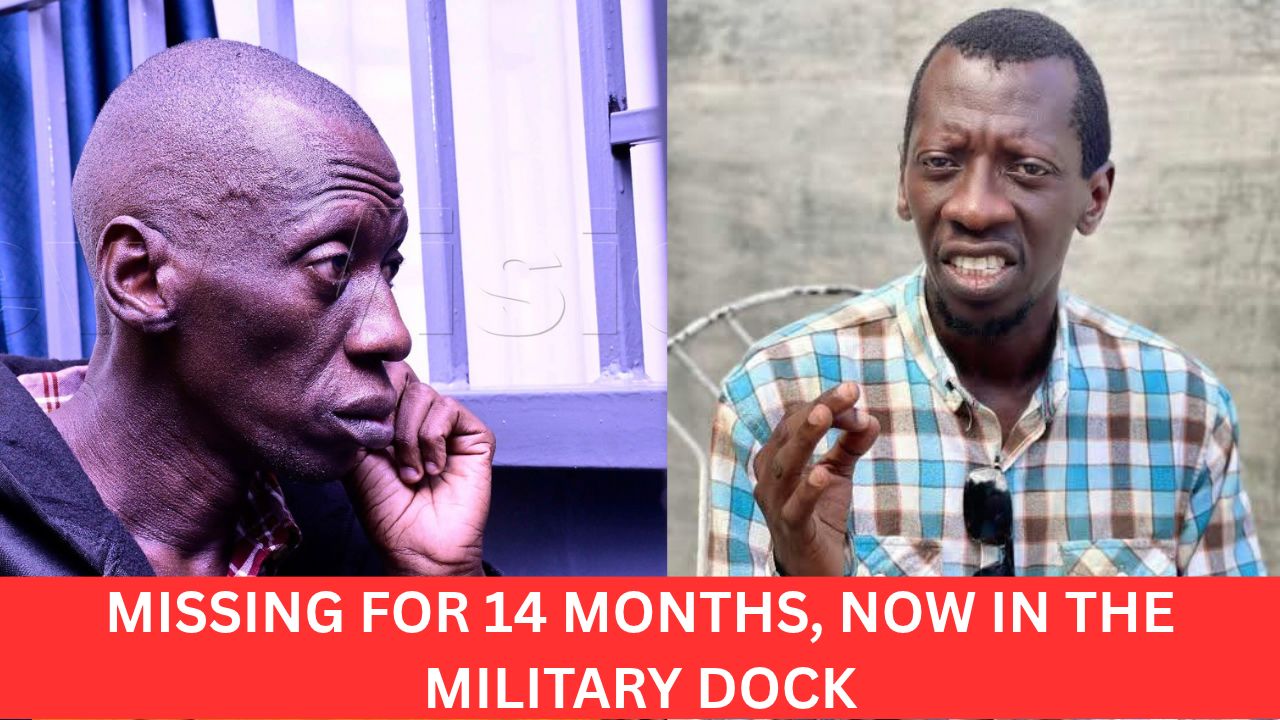 FeaturedNovember 18, 2026WHY SAM MUGUMYA’S COURT MARTIAL APPEARANCE RAISES FRESH QUESTIONS FOR UPDF: After The UPDF Denied Holding Him In Court, The CDF Publicly Claimed Custody Of The Opposition Activist And Threatened To Execute Him. The State Has Now Produced Him And Charged Him With Treachery
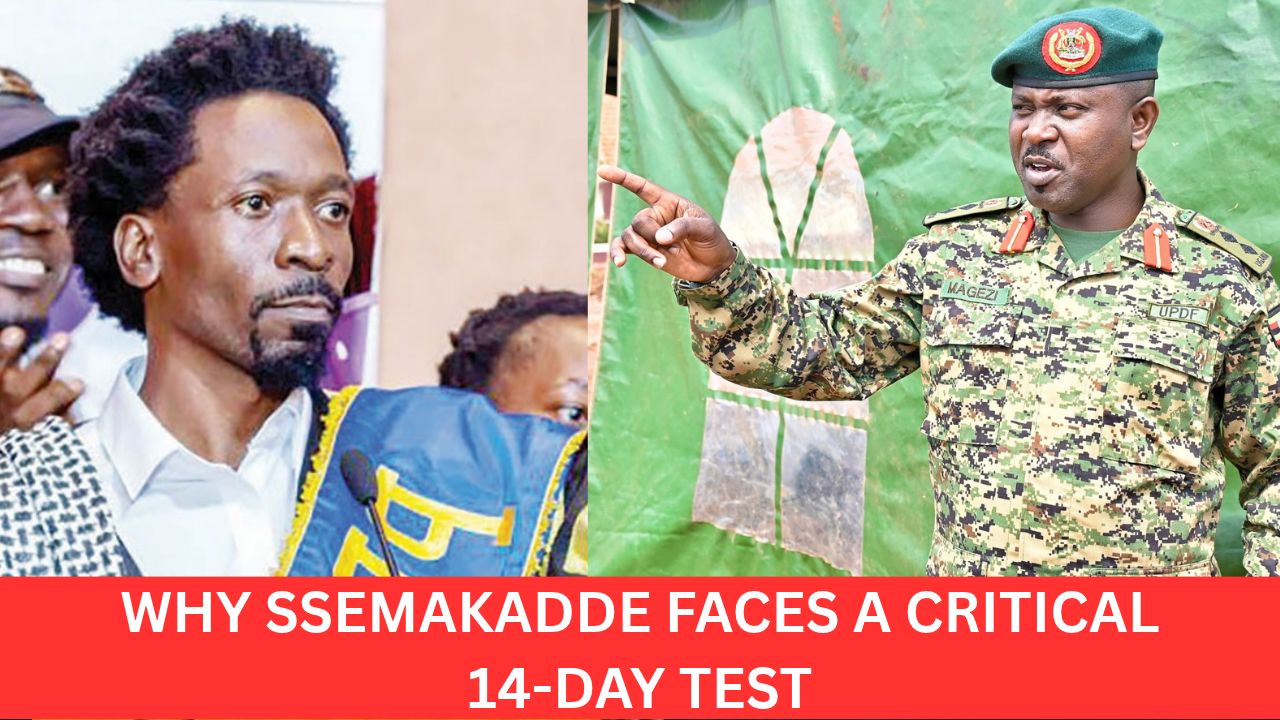 FeaturedNovember 18, 2026WHY MUHOOZI-SSEMAKADDE WAR IS HEATING UP: UPDF Spokesperson Chris Magezi Warns The Uganda Law Society Against Challenging The CDF As Court Orders Fresh Elections Within 14 Days
 FeaturedNovember 17, 2026WHY OTAFIIRE IS INCREASINGLY CHALLENGING CDF MUHOOZI: From Warning Against Human Rights Abuses To Questioning The PLU’s Political Ambitions, The Veteran General Is Emerging As One Of The Most Outspoken Critics Of The Leadership Style Associated With Museveni’s Son
 FeaturedNovember 17, 2026INSIDE MUHOOZI’S 2031 PRESIDENTIAL SUCCESSION PLAN: How Mwenda Sees CDF Gen Muhoozi Becoming Vice President, Defence Minister Before Taking Over from Museveni