
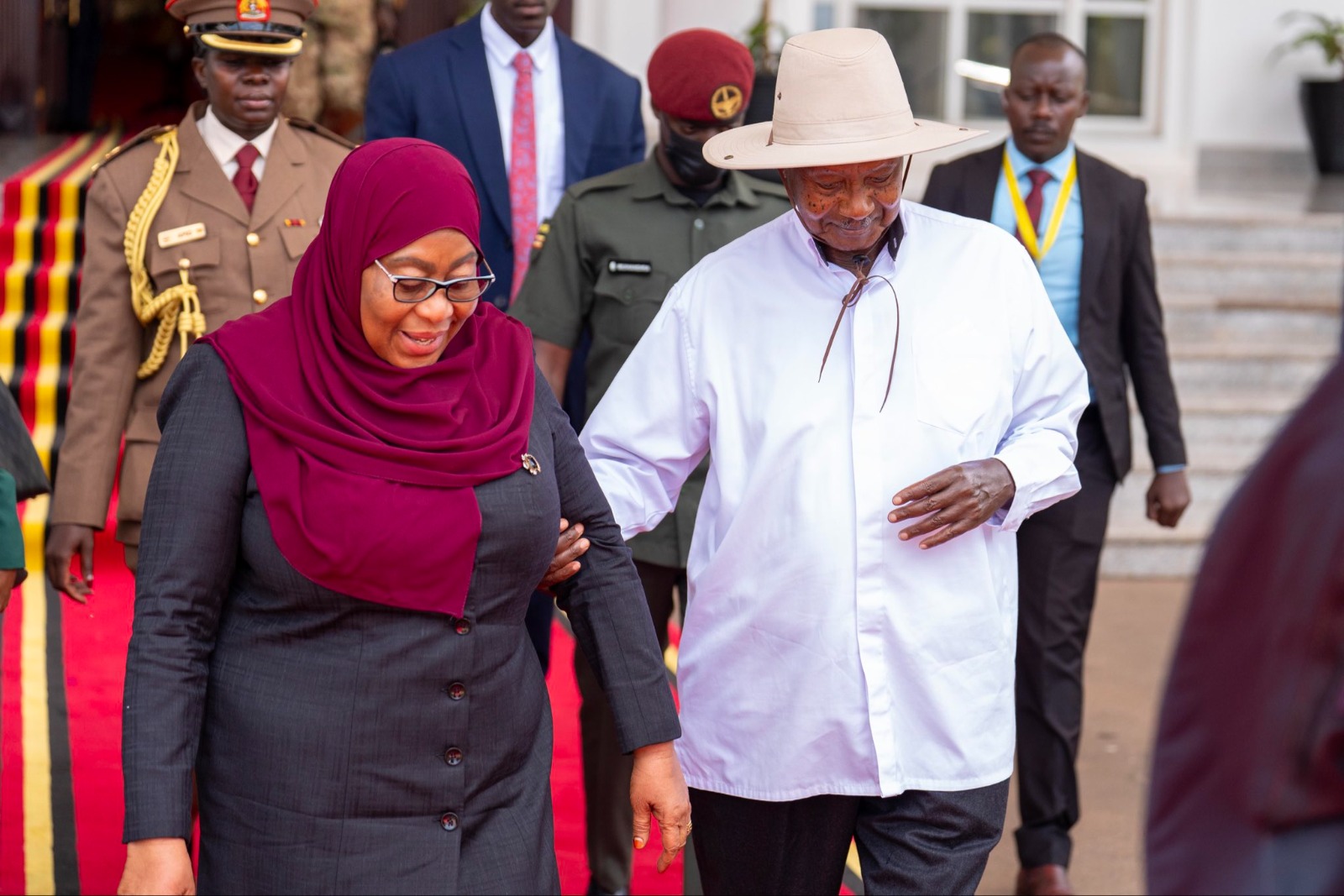















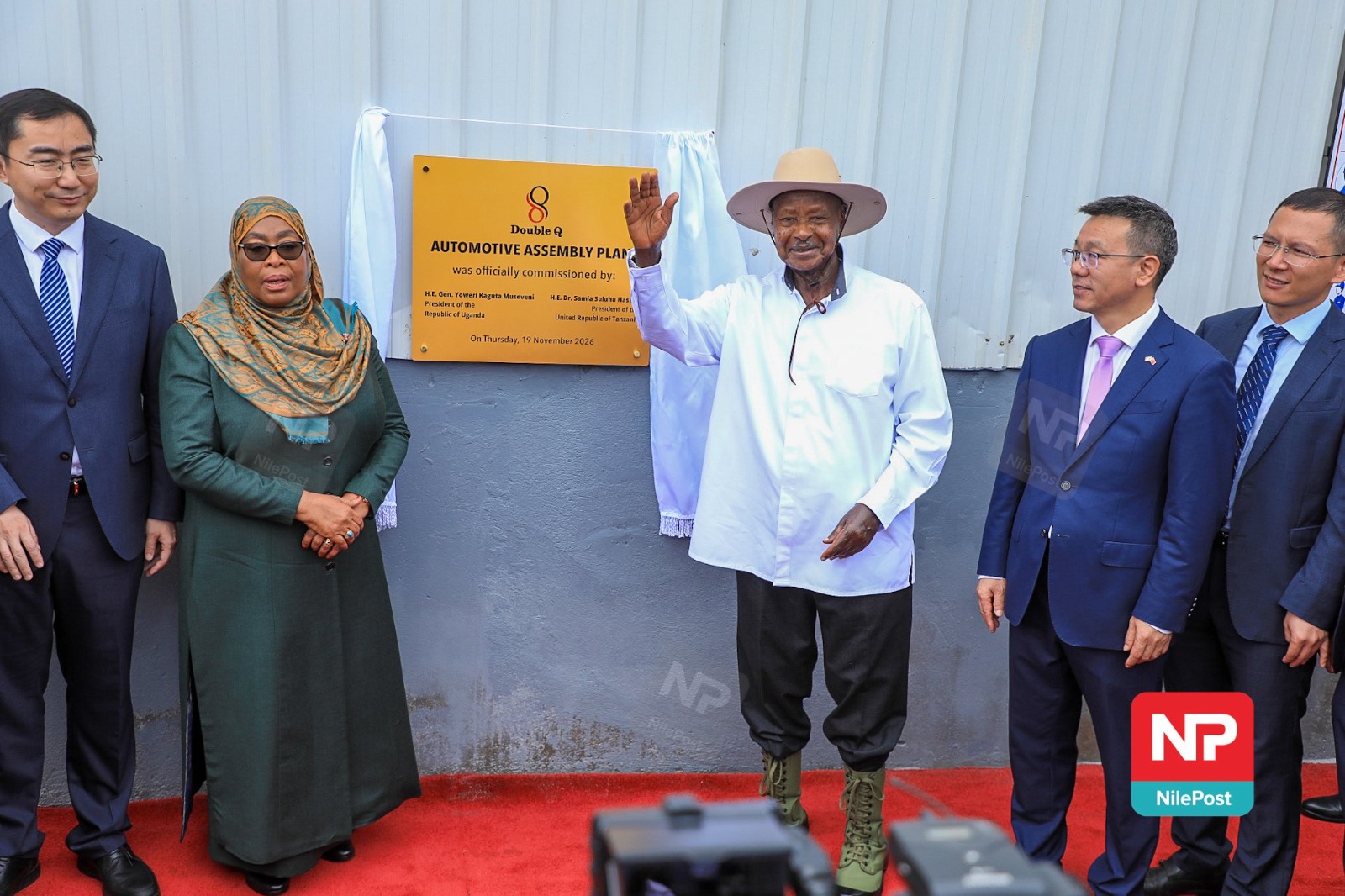
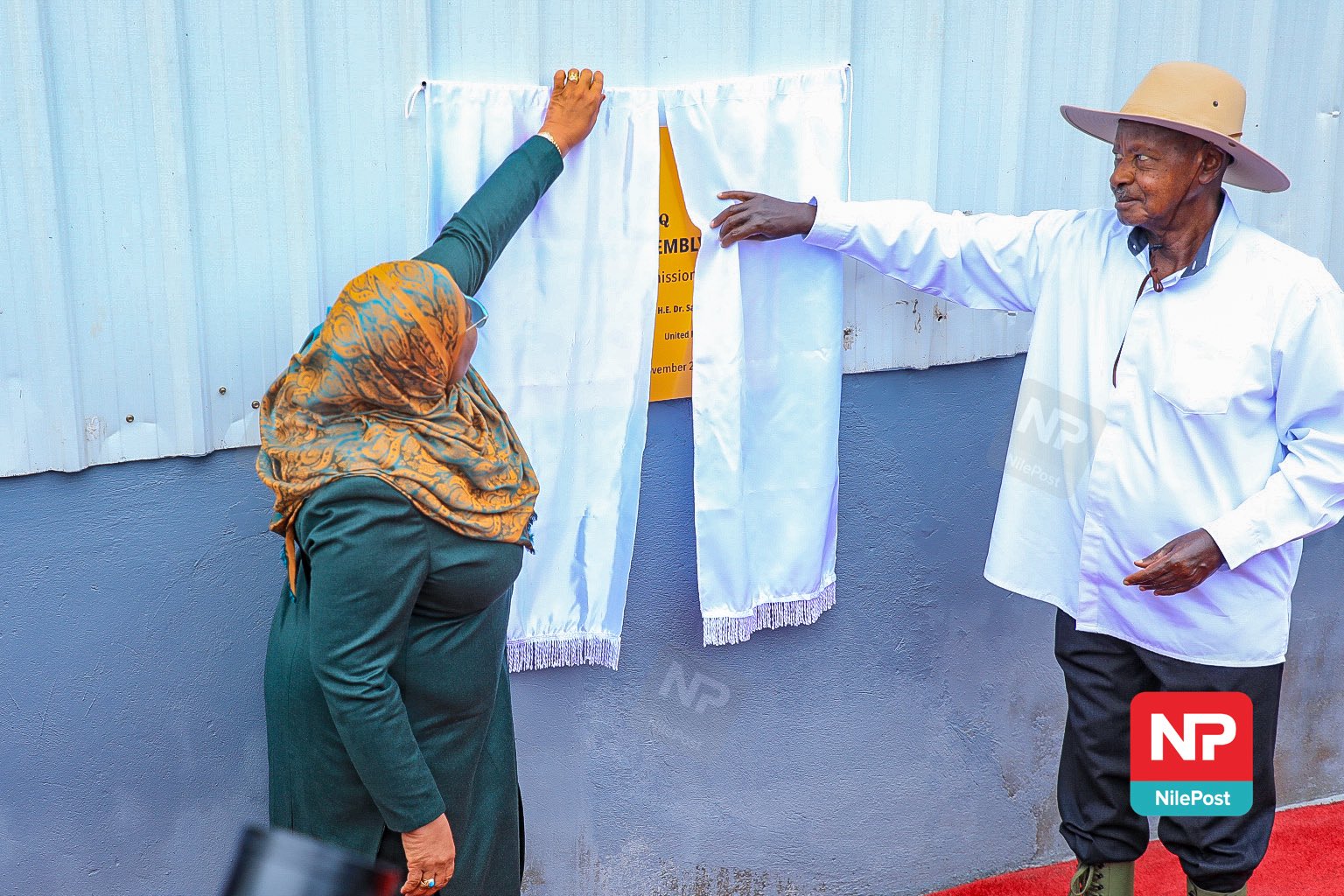
Uganda has taken another step towards strengthening its manufacturing base following the launch of the Double Q Automotive Assembly Plant in Nakirebe, Mpigi District, in an event attended by President Yoweri Museveni and his Tanzanian counterpart, President Samia Suluhu Hassan.
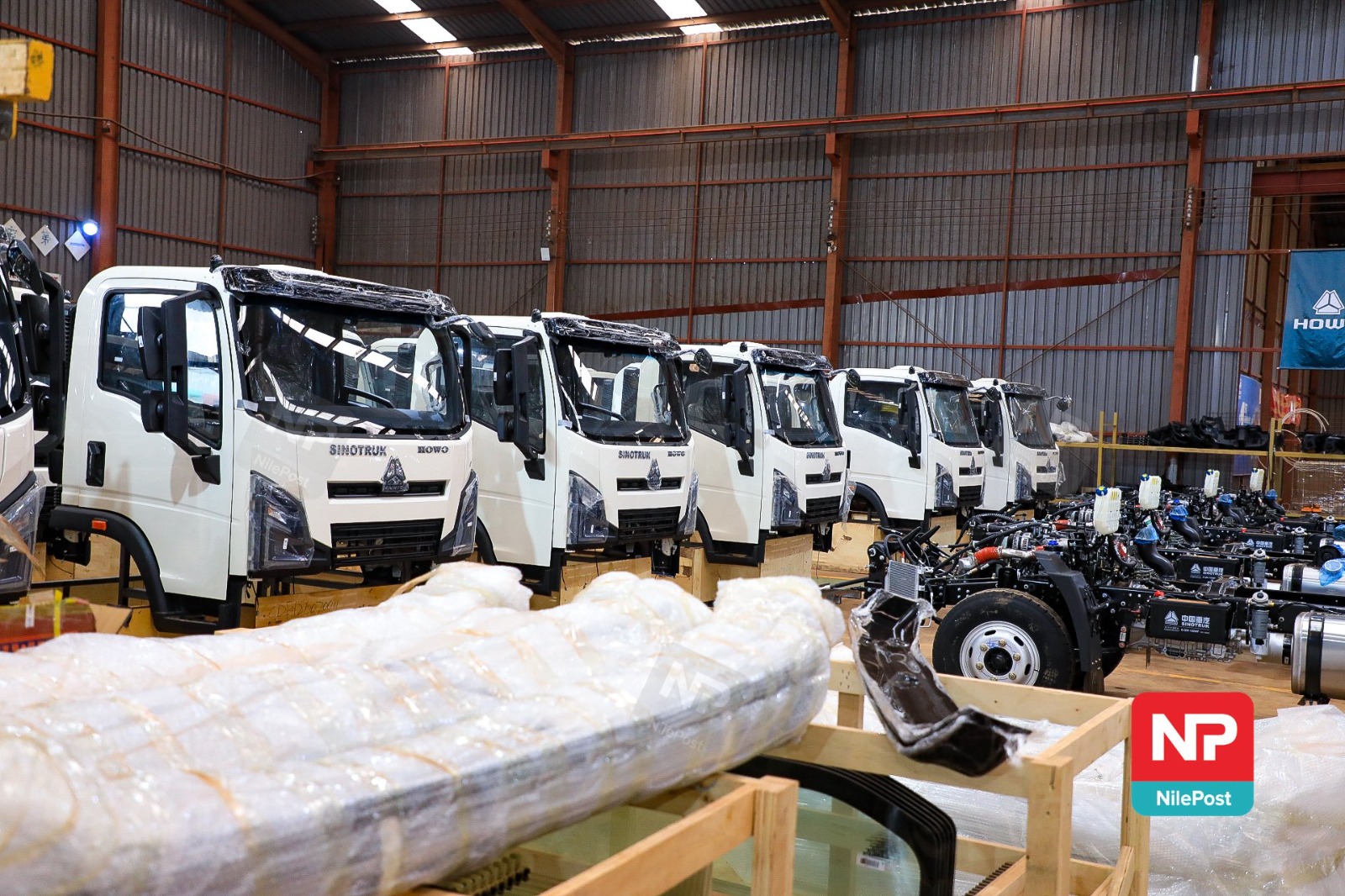 The 45-acre industrial complex, which assembles heavy-duty and light commercial vehicles, is expected to strengthen Uganda’s automotive manufacturing capacity, create employment opportunities and deepen trade and industrial cooperation between Uganda and Tanzania.
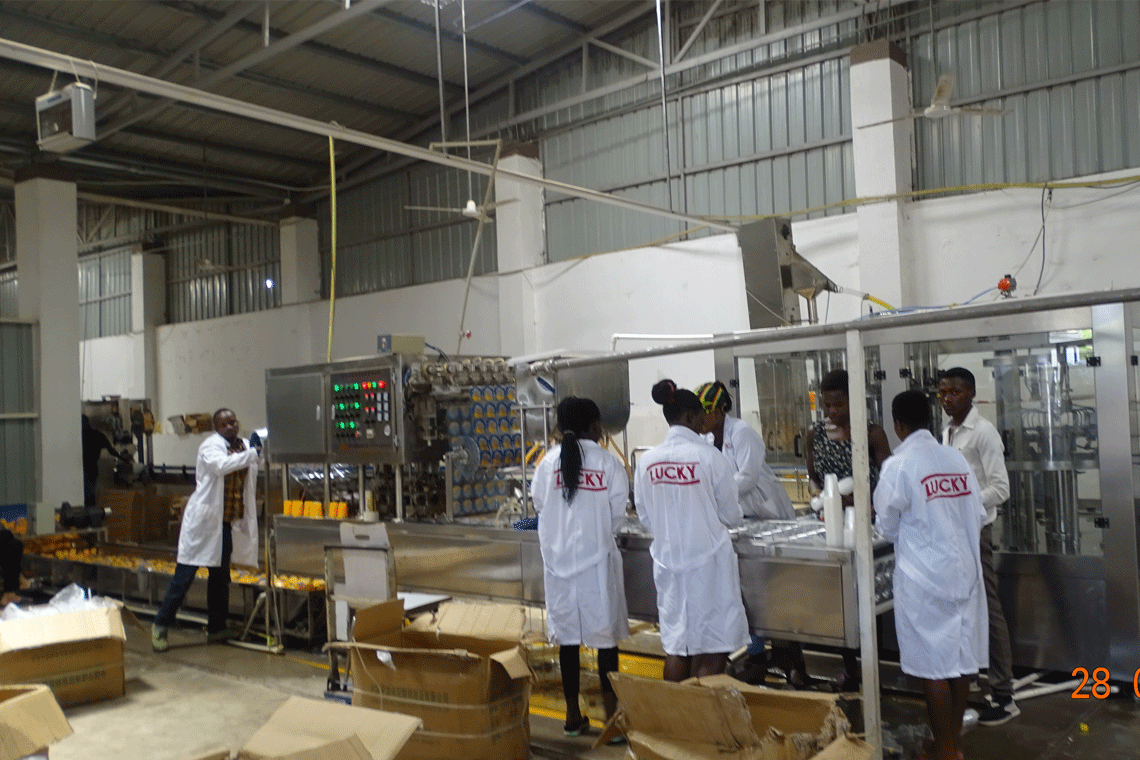
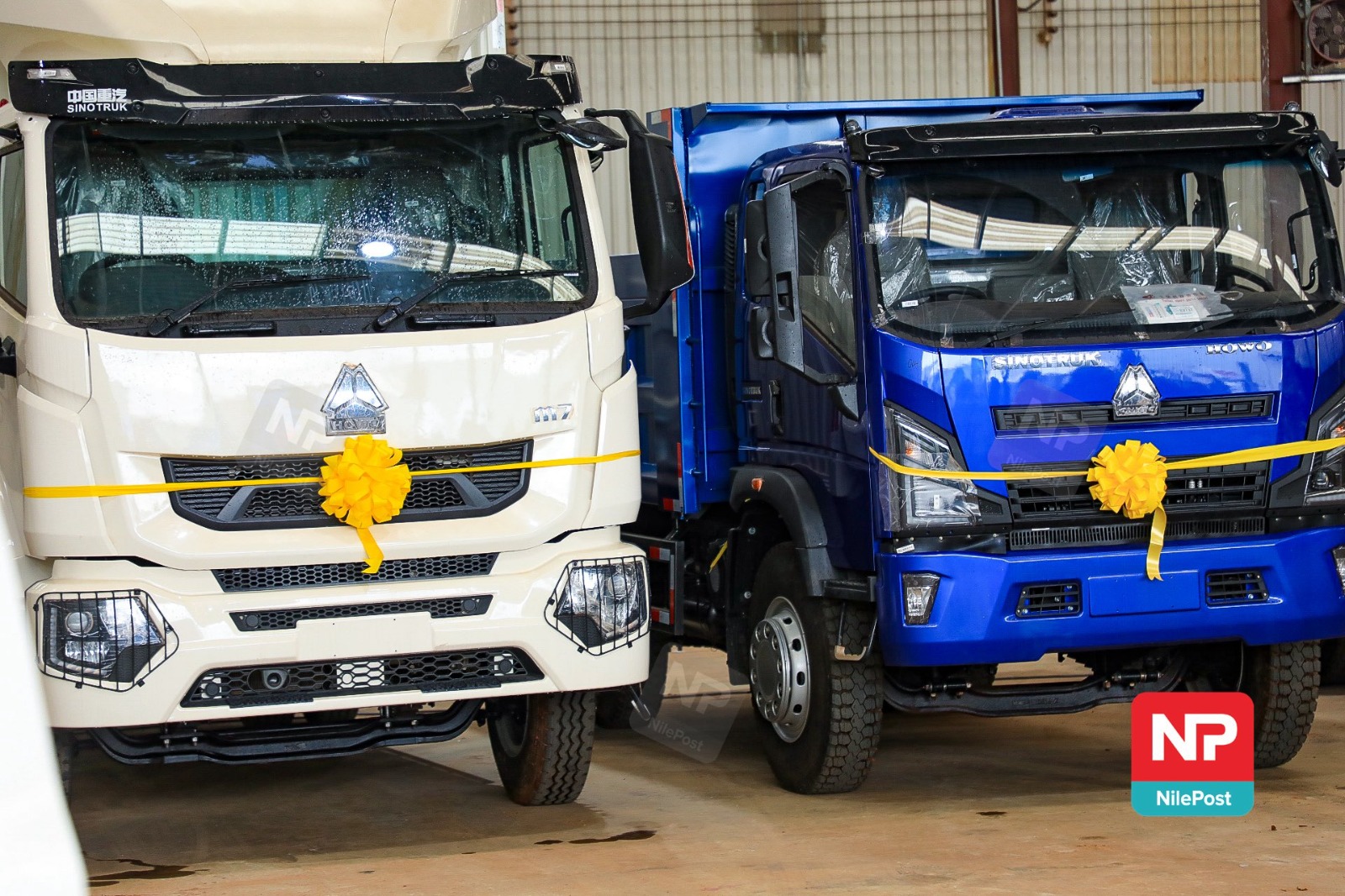
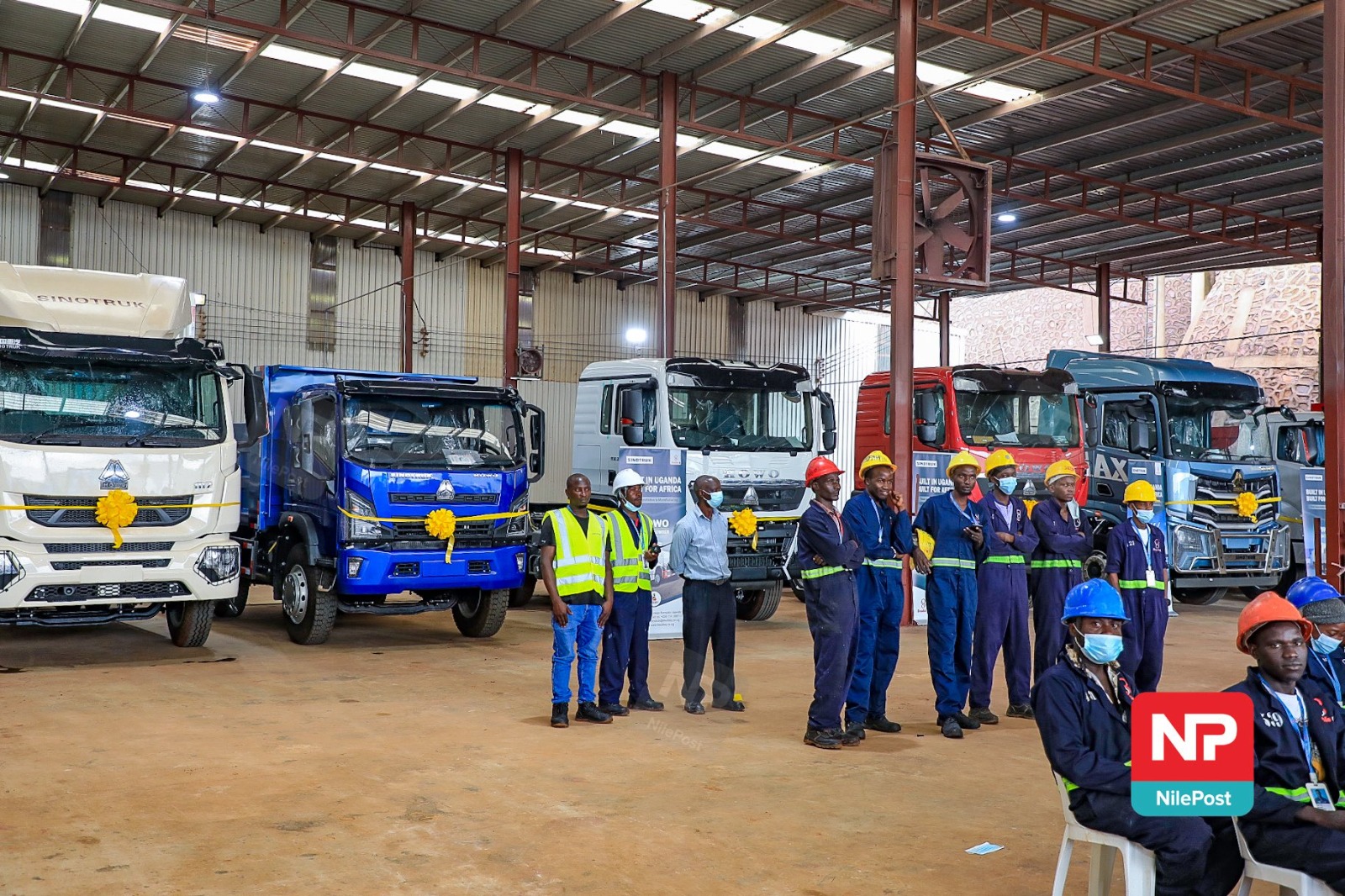
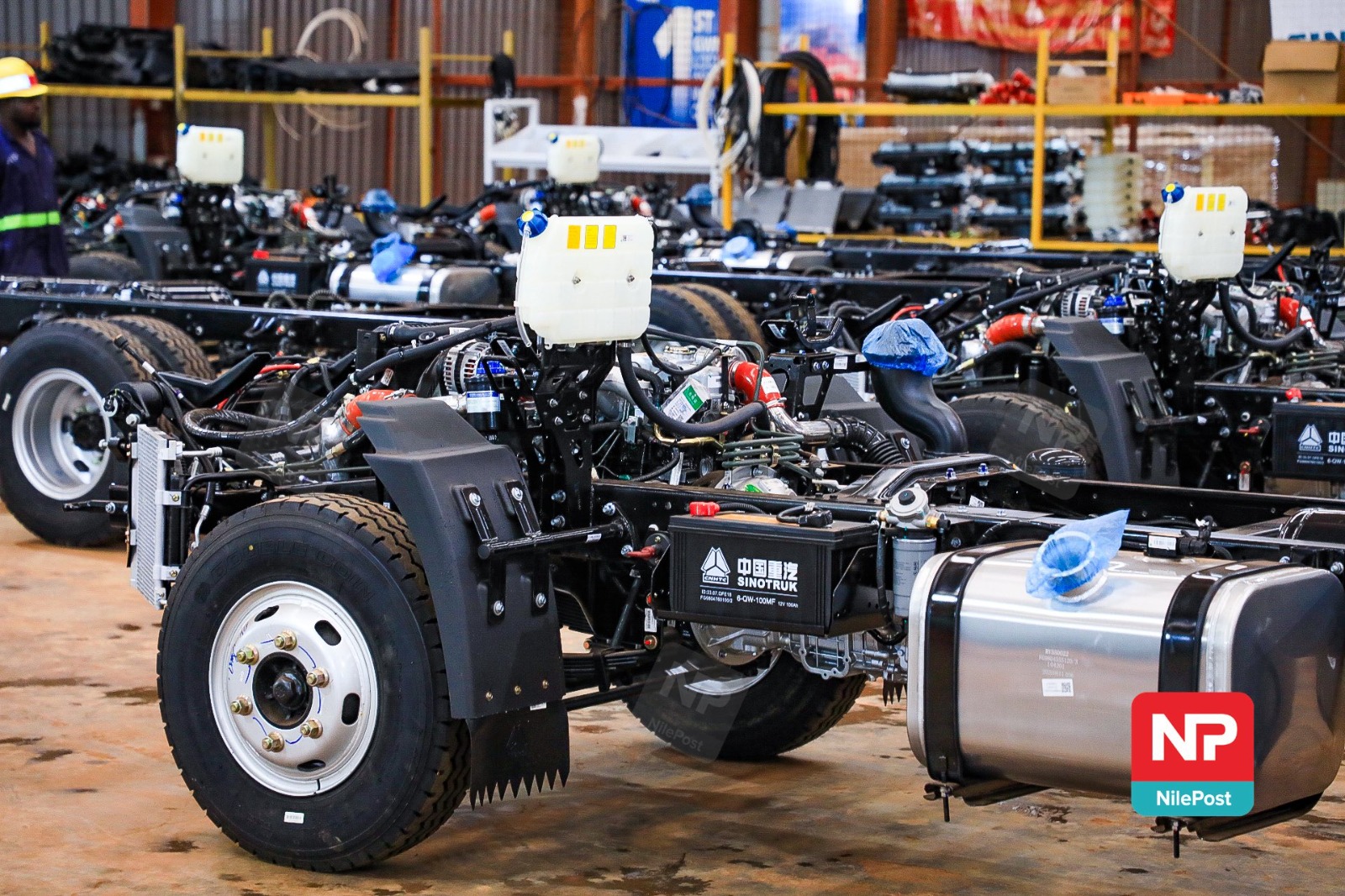
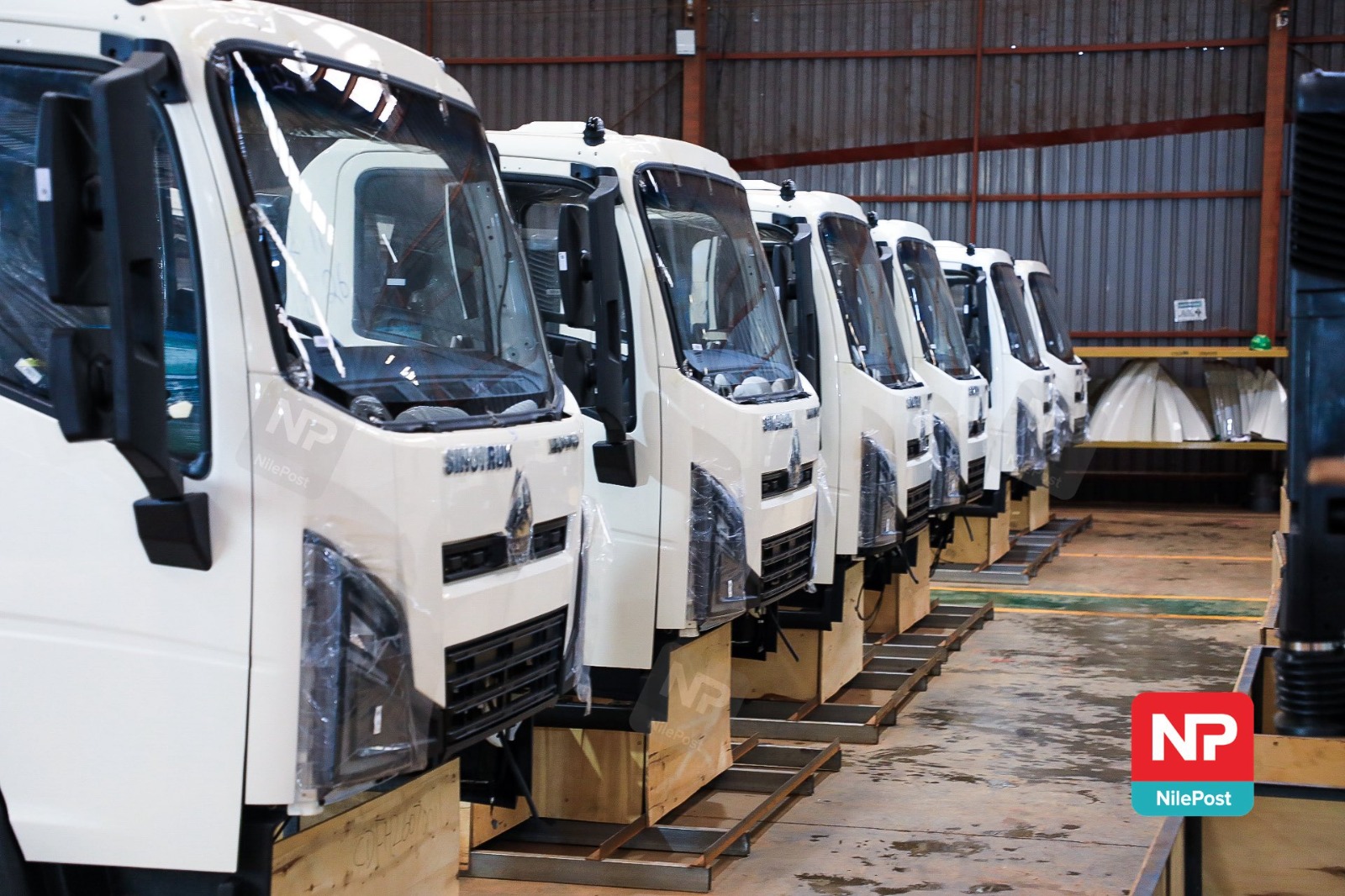
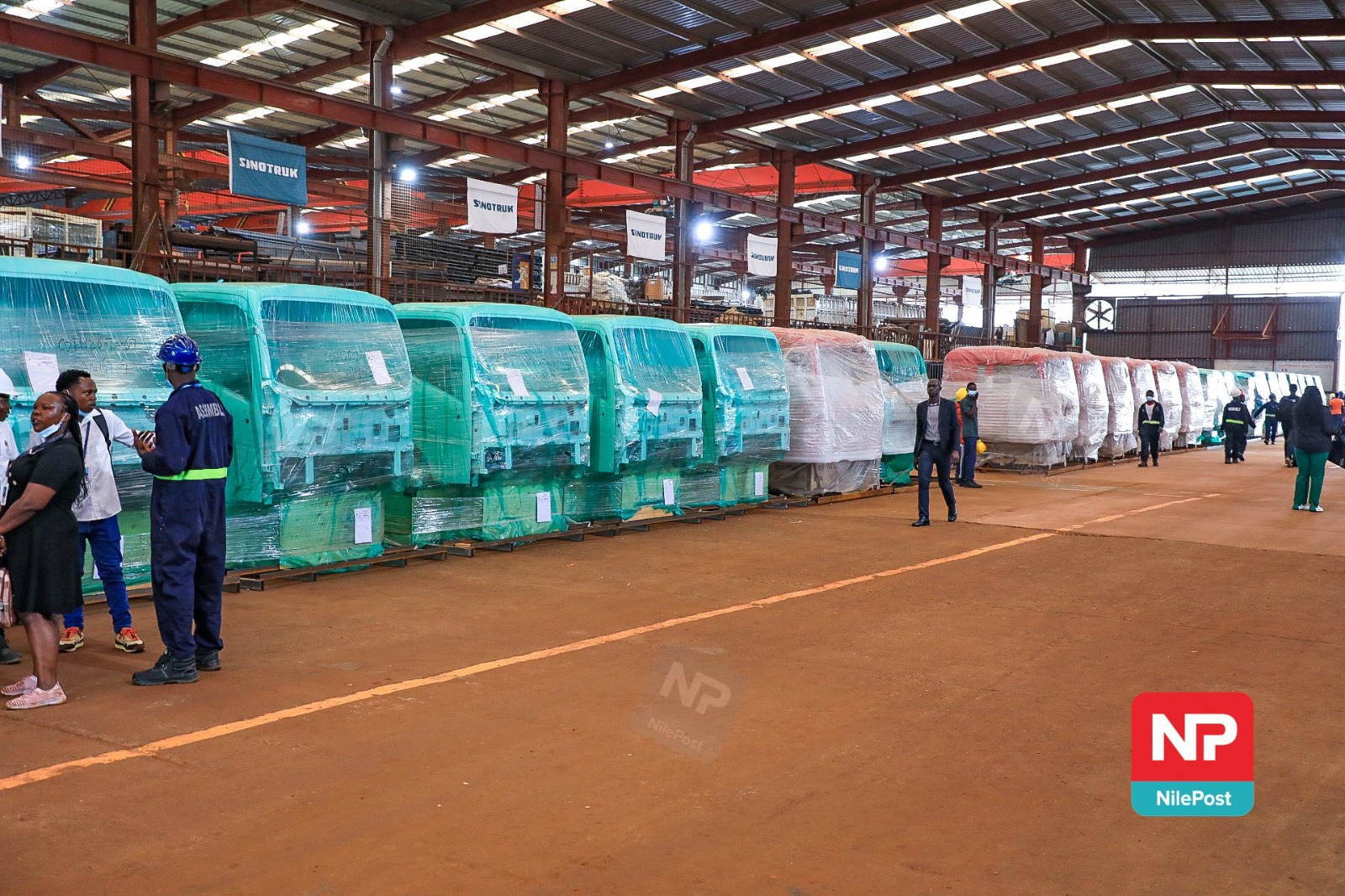
The facility, where hundreds of Sinotruk vehicles are being assembled, represents an important investment in the country’s ambition to move away from dependence on imported finished products towards local assembly, manufacturing and value addition.
The launch also carries a regional significance because Double Q Automotive has an operational presence in Tanzania, positioning the company within the growing economic relationship between the two neighbouring countries.
For Uganda, the investment comes at a time when the government is increasingly emphasising industrialisation, infrastructure development, import substitution and the expansion of private-sector investment as key drivers of economic transformation.
From imported trucks to local assembly
Double Q’s expansion reflects a gradual shift in Uganda’s automotive industry, where businesses are increasingly investing in assembling vehicles locally rather than relying exclusively on imported finished units.
The company, which began operations in Uganda in 2013, initially concentrated on importing trucks and construction equipment before venturing into vehicle assembly.
Its product portfolio includes Sinotruk heavy-duty trucks, XCMG construction equipment, HELI forklifts and other commercial vehicles. The company’s expansion into Mpigi was driven by increasing demand for trucks and construction machinery in Uganda and neighbouring countries. In 2023, Double Q General Manager Bruce Lin said the company was targeting an annual assembly capacity of up to 1,000 vehicles at its expanded facility, with Uganda remaining its biggest market.
At the time, the company was also exporting locally assembled vehicles to Rwanda, South Sudan, the Democratic Republic of Congo and Kenya.
The new complex, occupying 45 acres, provides additional room for expanding assembly operations, vehicle handling and other industrial activities.
The sight of hundreds of Sinotruk vehicles at the facility ahead of the presidential launch illustrates the scale of operations expected to support Uganda’s growing demand for commercial transportation and construction equipment.
Museveni’s industrialisation agenda
President Museveni has consistently argued that Uganda must increase domestic production, process its raw materials and manufacture goods locally if the country is to achieve sustainable economic transformation.
The Double Q investment fits into his government’s Buy Uganda, Build Uganda (BUBU) policy, which seeks to encourage consumption of locally manufactured products and strengthen domestic industries.
For Museveni, industrialisation is also about creating employment, developing technical skills and reducing the amount of money spent importing products that can be manufactured or assembled within the country.
 During his bilateral engagements with President Suluhu at State House Entebbe, Museveni emphasised the importance of production, markets and infrastructure in building prosperous economies. He argued that production alone cannot generate wealth without markets to absorb goods, stressing the need for countries to exploit their resources, develop productive populations and invest in efficient transport and communication infrastructure.
The President has also challenged East African countries to embrace economic integration rather than introduce protectionist measures that undermine regional trade.
He illustrated this position during discussions about Tanzanian rice entering the Ugandan market, saying he had rejected proposals to block the imports because doing so could provoke retaliation against Ugandan products in Tanzania.
The same principle is relevant to the automotive industry, where manufacturers need access to regional markets to justify investments in production facilities.
Museveni’s message has been that Uganda and its neighbours should build productive economies capable of competing internationally rather than restricting one another’s businesses.
Suluhu backs stronger Uganda-Tanzania industrial ties
President Suluhu’s participation in the commissioning of the Double Q plant highlights Tanzania’s interest in strengthening industrial and commercial relations with Uganda. The Tanzanian leader arrived in Uganda on Tuesday for a two-day State Visit at Museveni’s invitation.
Her visit has focused on expanding cooperation in energy, agriculture, manufacturing, trade, infrastructure and finance. Before the commissioning, Suluhu described the relationship between Uganda and Tanzania as one founded on longstanding historical and brotherly ties.
She called for the existing relationship to be strengthened and new opportunities for cooperation opened up for the economic benefit of the two populations.
During the bilateral discussions, she urged both governments to accelerate the implementation of agreements already reached, arguing that commitments should translate into tangible benefits. She also reaffirmed Tanzania’s commitment to working with Uganda under the principle of “one people, one destiny.” Her presence at the Mpigi industrial facility is particularly significant because Double Q also has a branch in Tanzania, giving the company a commercial footprint in both countries.
This creates opportunities for the movement of vehicles, machinery, technical expertise and other industrial products across the two markets. For Uganda, stronger industrial relations with Tanzania could also provide access to the Indian Ocean through Tanzanian transport infrastructure, while Tanzanian businesses stand to benefit from Uganda’s expanding domestic market and regional commercial networks.
EACOP, railway and regional trade take centre stage
The launch of the assembly plant comes against the background of renewed efforts by Kampala and Dodoma to deepen economic cooperation. During their two-day engagements, the two Presidents agreed to accelerate several strategic projects expected to improve trade and regional connectivity.
One of the major projects is the East African Crude Oil Pipeline (EACOP), which will transport Uganda’s crude oil from the Albertine region to the Tanzanian port of Tanga.
The two countries welcomed progress on the pipeline, which has reached 93.9 per cent completion, and called for expedited construction, testing and commissioning.
They also agreed to accelerate plans to develop Tanga into a regional energy hub for petroleum storage, refining, trading, distribution and logistics.
In railway transport, the leaders signed a framework agreement for the Isaka–Lusahunga–Murongo/Kikagati–Mpondwe Standard Gauge Railway.
The railway is expected to improve connectivity, reduce transportation costs and facilitate the movement of goods between the two countries.
They also agreed to improve Port Bell infrastructure and railway connectivity to Kampala to strengthen lake transport and cargo handling.
These infrastructure projects are important for manufacturers because the cost of transporting raw materials and finished products directly affects the competitiveness of locally assembled vehicles.
The Presidents further directed relevant government agencies to resolve outstanding non-tariff barriers affecting trade and establish a Tanzania-Uganda Joint Trade Committee.
The objective is to improve market access, diversify traded products and encourage private-sector investment.
Jobs, skills and the challenge of local content
Beyond the diplomatic significance, the Double Q plant presents an opportunity to develop Uganda’s automotive skills base.
Vehicle assembly requires technicians, engineers, mechanics, quality-control specialists, logistics personnel and other skilled workers.
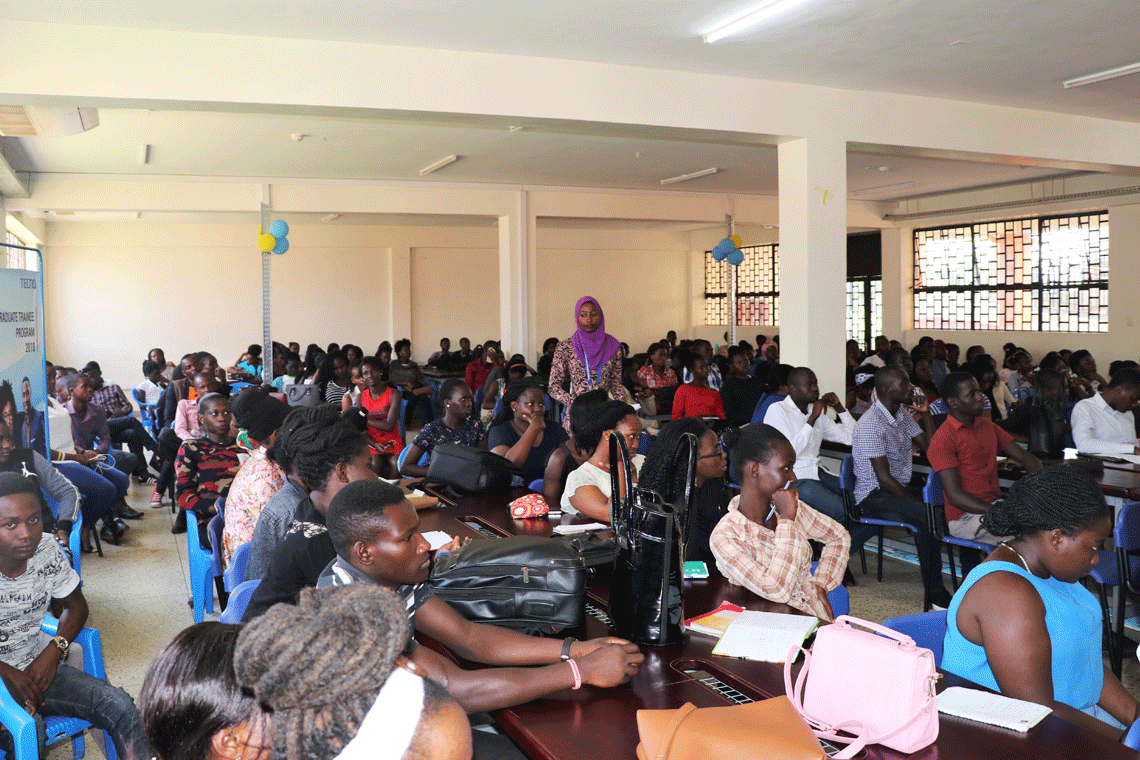
Double Q has recently strengthened its engagement with educational institutions, including Uganda Christian University, through initiatives intended to connect graduates with opportunities in the automotive industry.
The company has also highlighted the importance of Ugandan talent, skills development and knowledge transfer in building a sustainable vehicle assembly industry.
Its November promotional campaign indicated that locally available materials were contributing to the assembly of trucks, an important development for domestic suppliers.
However, the long-term contribution of the plant will depend on how much value is retained within Uganda.
Local assembly should progressively be accompanied by increased sourcing of components, development of supporting industries, technical training and the participation of Ugandan manufacturers in the automotive supply chain.
There is also the question of whether the expansion will translate into competitive prices for consumers and businesses purchasing trucks and construction equipment.
Uganda’s construction, mining, transport and agricultural sectors depend heavily on commercial vehicles and machinery.
Increasing the domestic availability of these products could improve supply chains and potentially reduce reliance on imported finished vehicles.
Nevertheless, the industry will need to maintain competitive quality and safety standards if locally assembled vehicles are to win confidence in Uganda and regional export markets.
A new chapter for Uganda’s automotive industry
The commissioning of the Double Q Automotive Assembly Plant places Mpigi among Uganda’s growing industrial investment destinations.
It also provides a practical example of how private-sector investment can complement government efforts to promote manufacturing and regional economic integration.
For Museveni, the project reinforces his argument that African countries must produce more, expand markets and invest in infrastructure rather than remain dependent on imported finished goods.
For Suluhu, the investment provides another opportunity to strengthen Tanzania’s economic relationship with Uganda through manufacturing, trade and cross-border investment.
Ultimately, the success of the 45-acre facility will not be measured simply by the number of trucks assembled during its inauguration but by its ability to create sustainable jobs, develop local skills, increase domestic value addition and supply competitive vehicles to regional markets.
As Uganda and Tanzania pursue major energy and railway projects, the Double Q plant offers a reminder that regional integration must also translate into factories, employment opportunities and products that improve the lives of ordinary East Africans.
Author Profile
- Mr. Stephen Kasozi Muwambi is a seasoned crime investigative writer, majoring in judicial-based stories. His two decades’ experience as a senior investigative journalist has made him one of the best to reckon on in Uganda. He can also be reached via [email protected]
Latest entries
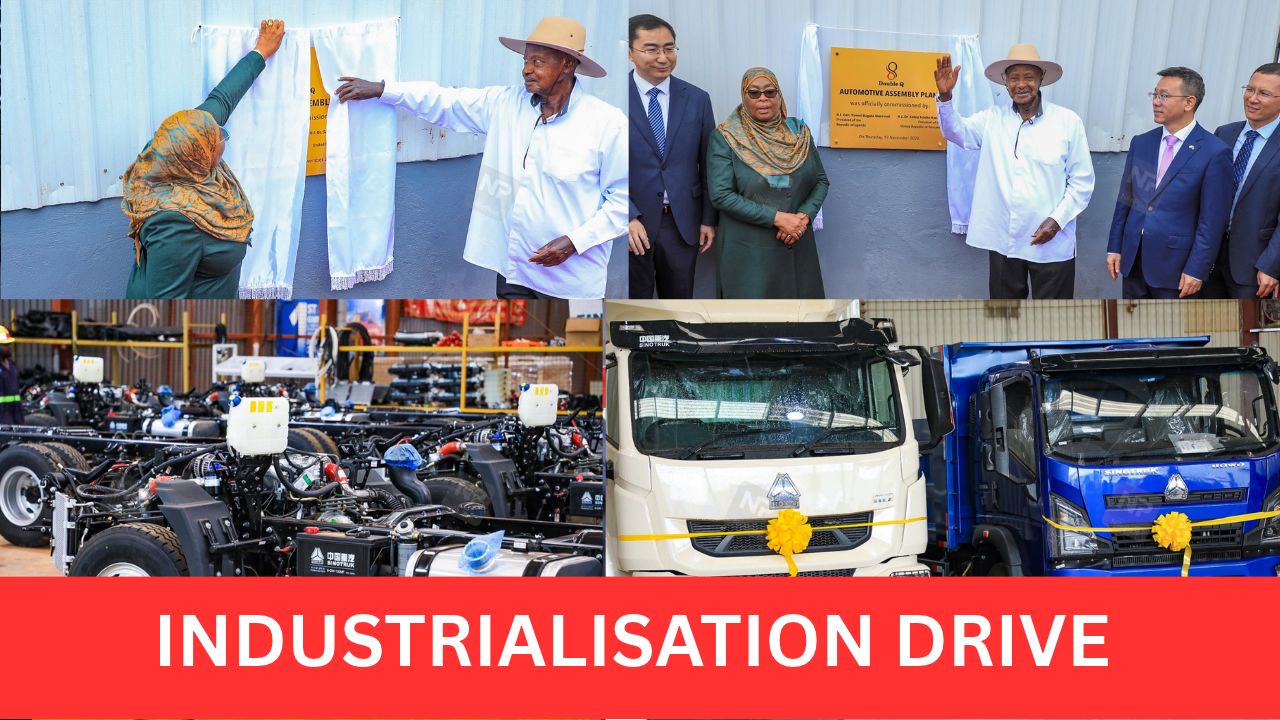 FeaturedNovember 19, 2026MADE IN UGANDA SINO-TRUCKS: The 45-acre Double Q Assembly Complex In Nakirebe Is Assembling Hundreds Of Sinotruk Trucks, With Ambitions To Boost Local Manufacturing, Create Jobs And Strengthen Uganda-Tanzania Trade
 FeaturedNovember 16, 2026URA’S PLOT TO TAX WHATSAPP CALLS EXPOSED! URA Commissioner General John Musinguzi Warns That Cheaper Internet-Based Calls Are Eroding Taxes Collected From Conventional Voice Services, With Rising Data Revenue Failing To Close The Gap
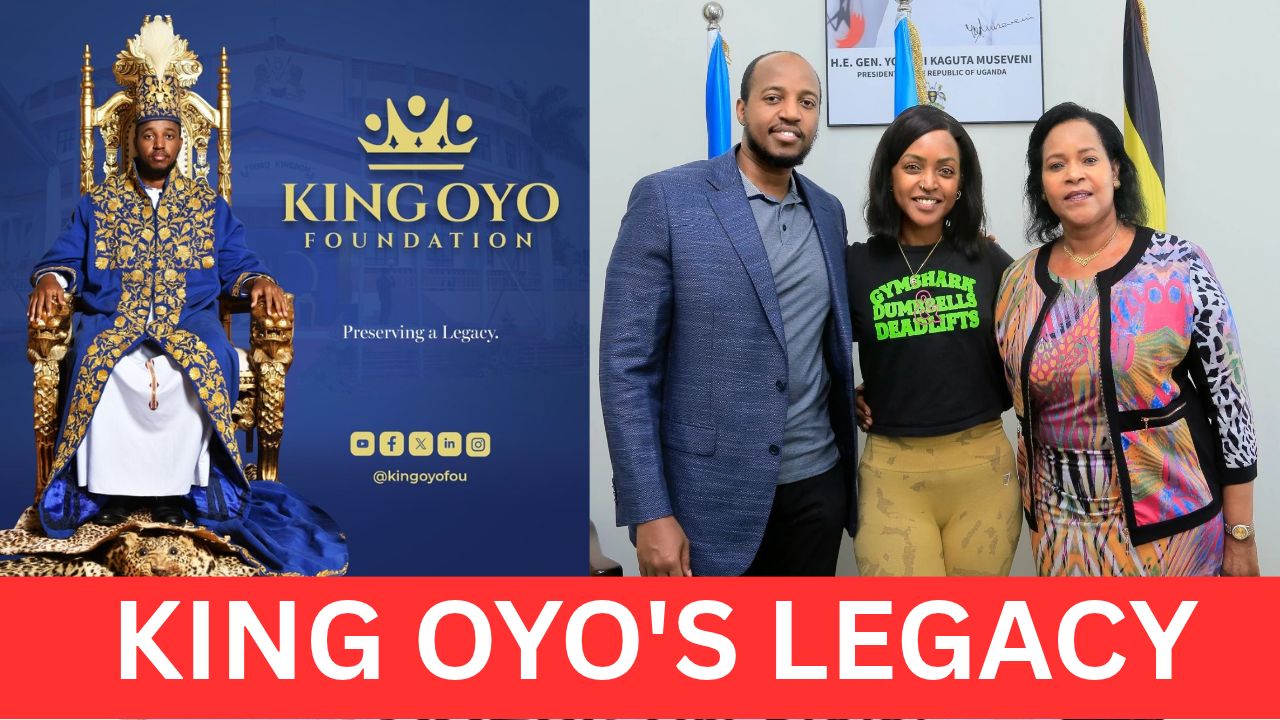 FeaturedNovember 16, 2026INSIDE THE KING OYO FOUNDATION: Four Months After The Death Of The 34-Year-Old Tooro Monarch, His Family Has Launched A Foundation To Preserve His Memory Through Education, Youth Empowerment, Tourism, Conservation And Agriculture
 FeaturedNovember 16, 2026GARUGA ESTATE WAR: THREE CHILDREN DRAW BATTLE LINES AGAINST ALWYN: Rowena, Johnnie and Phillip Musinguzi Rally Behind Their Widowed Mother Peace, Accusing Their Elder Brother Of Frustrating Her Bid To Administer Their Late Father’s Multimillion-Shilling Estate