
















Kampala, Uganda: Over the past five years, Uganda’s capital city has recorded remarkable progress in sanitation, adopting aCitywide Inclusive Sanitation (CWIS)approach to ensure that all residents, especially those in informal settlements, have access to safe and sustainable sanitation services.
Key achievements include a sharp increase in fecal sludge management coverage from 32% in 2020 to nearly 70% in 2025, major upgrades to treatment facilities such asNakivuboandNalukolongo, and the rollout of modern public toilets through innovative public-private partnerships. These developments have improved access to cleaner facilities and helped reduce the spread of sanitation-related diseases.
Yet despite these gains, Kampala still faces major hurdles on its road to achieving universal sanitation. Only about 15% of the city’s population is connected to the central sewer network, leaving the majority reliant on pit latrines and septic tanks, many of which are poorly constructed and vulnerable to overflow during heavy rains.
Even with the expansion of fecal sludge management services, only 44% of collected waste is safely treated. The rest is often illegally dumped into storm drains, wetlands, and open spaces, fueling groundwater contamination, waterborne diseases, and environmental degradation. These sanitation-related challenges are estimated to cost Uganda up to3% of its GDPannually in health and economic losses.
Wastewater management presents another critical challenge. Although theNakivubo Wastewater Treatment Planthas a design capacity of 45 million liters per day, it currently treats only about 35% of that volume. During the rainy season, some residents open up their onsite sanitation systems, allowing untreated sewage to flow into stormwater drains that feed into wetlands and Lake Victoria, worsening pollution levels and threatening public health.
Experts say that addressing these issues requires a combination of short-term interventions and long-term infrastructure investments. Immediate priorities include expanding fecal sludge management services, enforcing regulations on private emptiers to prevent illegal dumping, and upgrading public sanitation facilities. Community-driven efforts such as theWeyonjecampaign have already shown success in promoting hygiene and behavioral change, but scaling up these initiatives remains vital.
TheNational Water and Sewerage Corporation (NWSC)andKampala Capital City Authority (KCCA)are leading several transformative initiatives — from upgrading wastewater treatment plants and digitizing pit-emptying services to advancing CWIS programs that target underserved communities. NWSC is also exploring biogas production and resource recovery solutions to make sanitation more sustainable.
Still, authorities emphasize that progress depends not only on institutions but also on citizens. Kampala residents are urged to use licensed pit-emptying services, maintain household sanitation facilities, connect to nearby sewer systems where possible, and take part in community clean-up campaigns. Simple actions like responsible waste disposal and regular handwashing can significantly cut health risks.
Kampala’s sanitation journey is on a promising trajectory, but the path ahead requires collective action. As policymakers work to strengthen regulation and financing, and residents embrace their role in maintaining a cleaner environment, the city edges closer to a vision of a healthier, more sustainable future for all.
Author Profile
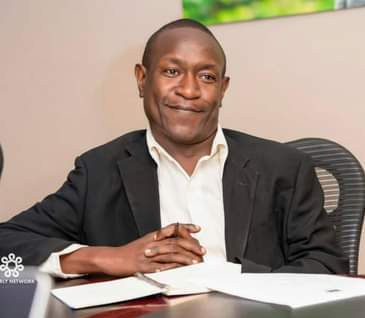
- Mr. Jacko David Waluluka is another unique entertainment and general investigative news writer, a field he has diligently covered for over fifteen years. He’s also the Chief Administrator at The Investigator. He can easily be reached via [email protected]
Latest entries
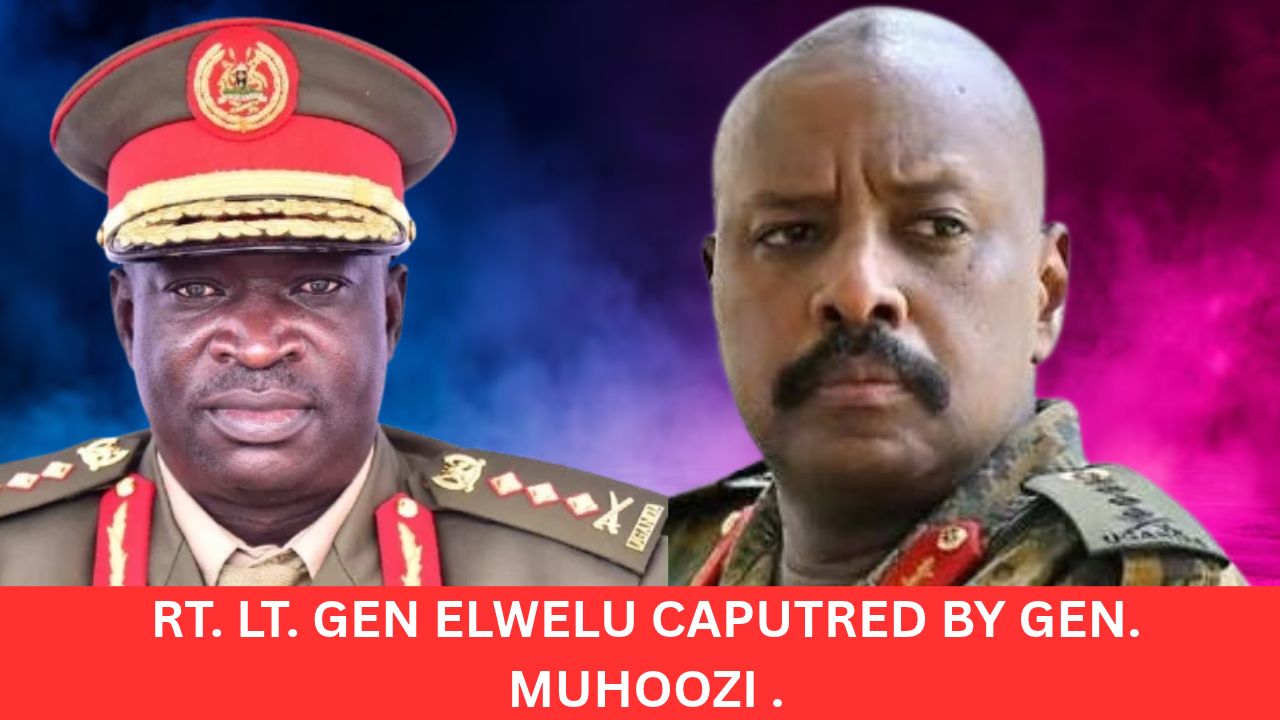 FeaturedNovember 2, 2026BREAKING : UPDF Confirms Arrest of RT General Peter Elwelu In Soroti Set to Be Prosecuted Over Subversive Activities
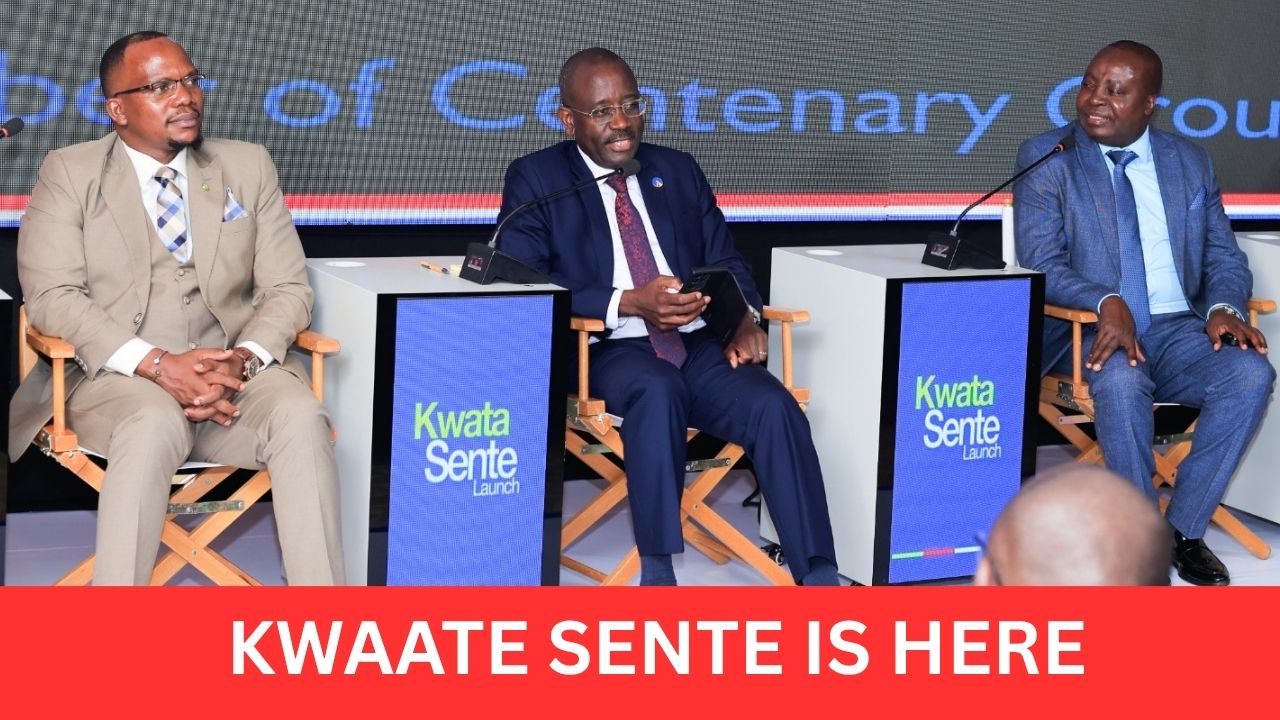 BusinessOctober 28, 2026`KWAATA SENTE` TAKES DIGITAL LENDING TO THE NEXT LEVEL! Centenary Bank, Airtel Money And gnuGrid Launch Instant Mobile Loans Of Up To Shs500,000 Without A Bank Account Or Internet
 FeaturedOctober 27, 2026THE NEW ERA OF DSTV STARTS NOW: DStv Unveils New Package Line-Up As Multichoice Promises More Channels, Affordable Sports And Greater Value For Ugandan Subscribers From November 5
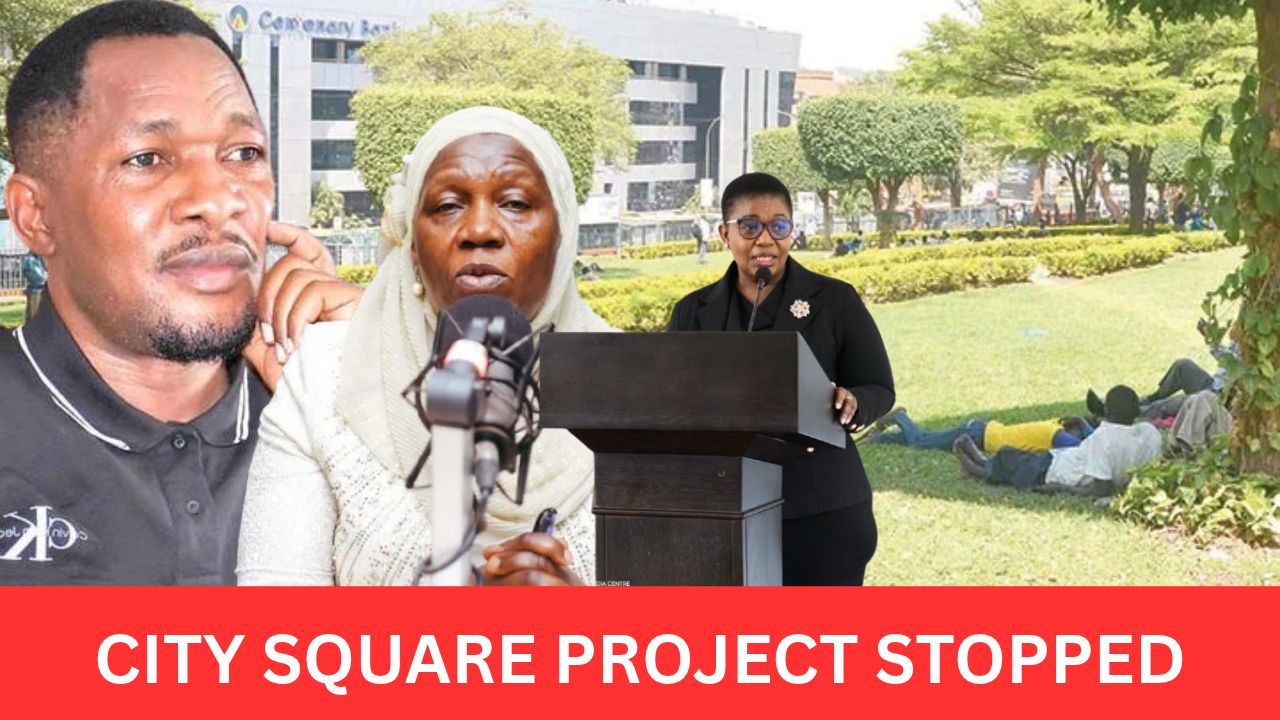 FeaturedOctober 27, 2026WHY CABINET STOPPED CITY SQUARE PLAN: Sense Into Executive`s Reversal of The Proposed Commercial Redevelopment Of the Constitution Square. Preserving The Historic Kampala Landmark As a Protected Heritage Site is Key