



















Uganda’s economy continued to demonstrate resilience in May 2026, with key economic indicators pointing to sustained growth even as higher fuel prices and global geopolitical tensions exerted fresh pressure on inflation and the exchange rate.
The latest Performance of the Economy Report released by the Ministry of Finance, Planning and Economic Development paints the picture of an economy that is expanding steadily, supported by strong consumer demand, improving business confidence and resilient private sector activity. While challenges remain, particularly in energy costs and the depreciation of the Uganda Shilling, the overall macroeconomic outlook remains positive.
BUSINESSES CONTINUE TO EXPAND
One of the strongest indicators of economic health remains the Purchasing Managers’ Index (PMI), which stood at 54.1 in May 2026. Any reading above the 50-point mark signals expansion in business activity, while anything below indicates contraction.
Although the May reading was slightly lower than previous months, it remained comfortably above the threshold, suggesting that businesses continued to experience higher output, stronger sales and improved operating conditions.The sustained expansion reflects growing domestic demand, increased customer orders and continued recovery across sectors including manufacturing, construction, trade and services.
High-frequency indicators such as the PMI are closely watched because they provide one of the earliest signals about the direction of the economy before official GDP figures are released. The latest figures suggest Uganda’s economy remains on a solid growth trajectory.
BUSINESS CONFIDENCE CLIMBS
Equally encouraging was the improvement in business sentiment. The Business Tendency Index (BTI), which measures expectations among businesses about future economic conditions, rose to 56.7 in May from 55.2 in April.The increase suggests that firms are becoming more optimistic about sales, investment opportunities and profitability in the coming months.
According to the report, the optimism was largely driven by robust consumer demand, indicating that household spending continues to support economic activity despite modest increases in living costs.
Strong business confidence often translates into increased investment, job creation and expansion plans, all of which contribute to sustained economic growth.The continued improvement in both the PMI and BTI indicates that Uganda’s private sector remains confident in the country’s economic prospects.
INFLATION REMAINS UNDER CONTROL
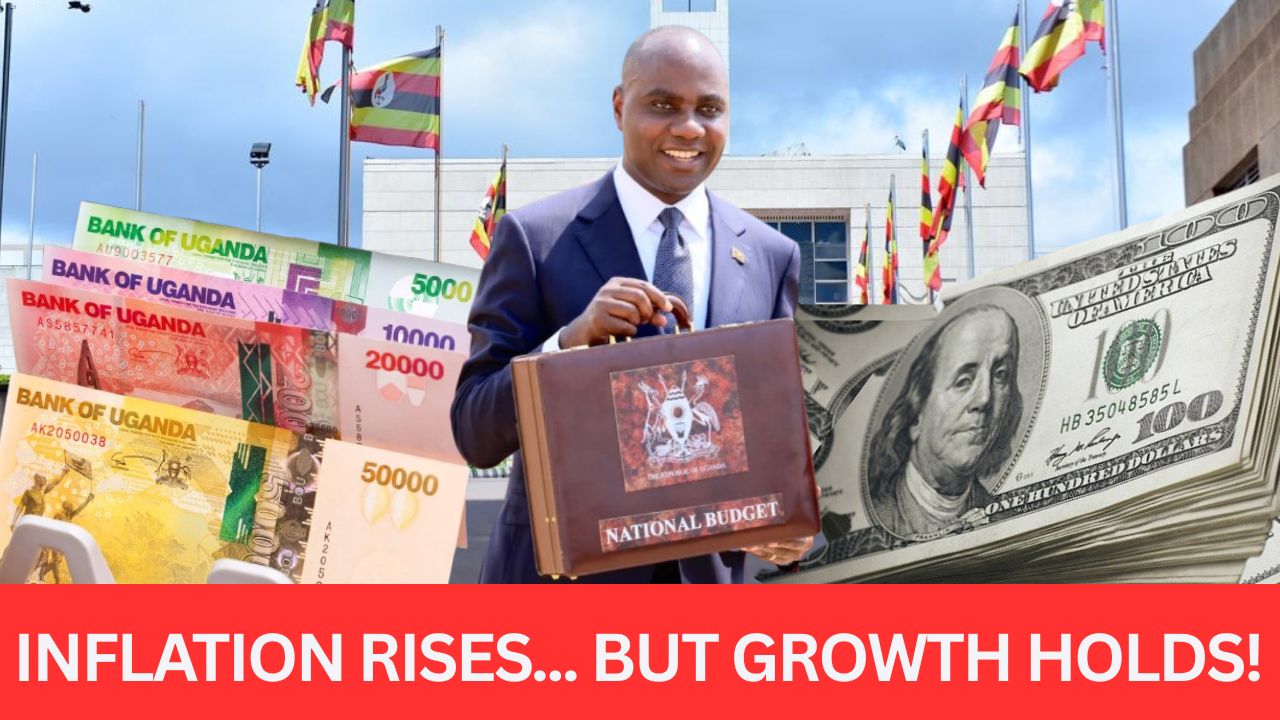
While inflation edged upwards during May, economists are unlikely to view the increase as alarming. Annual headline inflation rose to 3.2 percent from 3.0 percent recorded in April.The increase was primarily attributed to higher transport costs and rising energy prices following increases in domestic fuel prices.
Fuel costs affect almost every sector of the economy. Transporting goods becomes more expensive, production costs increase and businesses often pass part of these costs on to consumers.However, despite the increase, inflation remains significantly below the government’s medium-term target of 5 percent.
Maintaining inflation within the target range is important because it preserves consumers’ purchasing power while providing a stable environment for businesses to invest and plan ahead.The relatively low inflation rate also gives monetary authorities greater flexibility should additional economic support become necessary.
FUEL PRICES REFLECT GLOBAL PRESSURES
The increase in fuel prices was not caused solely by domestic factors. According to the report, continued geopolitical tensions in the Middle East contributed to higher international energy prices and increased freight costs.
As Uganda imports all its petroleum products, international oil market developments quickly affect domestic pump prices. The result has been increased transport costs, which in turn contributed to the modest rise in inflation during May. The current average domestic pump price is Shs6,500 reflecting a sharp rise from Shs4,000 early in the year.
This demonstrates how external shocks continue to influence Uganda’s economy despite its improving domestic fundamentals.
UGANDA SHILLING WEAKENS SLIGHTLY
The Uganda Shilling experienced a modest depreciation during May.The average exchange rate moved from Shs3,716.70 per US dollar in April to Shs3,764.11 in May, representing a depreciation of approximately 1.3 percent.
According to the Ministry of Finance, the weakening was mainly driven by increased demand for dollars from importers paying for higher fuel imports and rising freight charges.
Demand for foreign currency generally rises when import costs increase. Although a weaker shilling raises the cost of imported goods, it can also make Uganda’s exports more competitive in international markets by making them relatively cheaper for foreign buyers. The depreciation remains relatively modest compared to the exchange rate volatility experienced by many emerging economies over the past year.
STRONG DOMESTIC DEMAND DRIVING GROWTH
Perhaps the most encouraging feature of the report is that domestic demand continues to underpin economic expansion.Consumers continue spending, businesses continue investing and firms remain optimistic about future growth. The resilience of domestic consumption has become an increasingly important source of stability amid uncertainty in global markets.
The government’s broader economic assessments released earlier this year projected economic growth of around 6.6 percent, supported by strong performance in agriculture, industry and services, together with rising export earnings and continued inflows from tourism, remittances and foreign direct investment.
CHALLENGES STILL LIE AHEAD
Despite the encouraging indicators, several risks remain. Global geopolitical tensions continue to threaten international energy markets, meaning fuel prices could remain elevated for longer.Higher transport and logistics costs may continue feeding into inflation if international crude oil prices remain high.
Currency pressures could also persist should import demand continue rising faster than export earnings. Businesses are equally watching global interest rates, international trade developments and commodity prices, all of which have the potential to influence Uganda’s economic outlook.
OVERALL ASSESSMENT
Taken together, the May 2026 Performance of the Economy Report presents a cautiously optimistic picture.Economic activity continues expanding, business confidence remains strong and inflation is still well below the government’s target despite temporary increases in fuel-related costs.
The modest depreciation of the Uganda Shilling reflects external pressures rather than fundamental weaknesses within the domestic economy.For policymakers, the challenge will be sustaining growth while managing imported inflation and shielding the economy from global shocks.
If domestic demand remains robust, inflation stays contained and businesses maintain their current level of optimism, Uganda appears well positioned to maintain one of the stronger growth performances in the region.The latest data therefore suggests an economy that remains resilient—growing steadily, adapting to external challenges and continuing to build momentum despite an uncertain global environment.
Author Profile

- Charles Gazza Kodili is a seasoned journalist with over 20 years of experience in the media industry. He holds a Bachelor of Arts degree in Mass Communication. He’s currently the Chief Editor at the Investigator.
Charles can also be reached via; Tel: +256 774 108978
Email: [email protected]
Latest entries
 FeaturedOctober 9, 2026UGANDA ECONOMY TO HIT $73.96B: President Museveni Cites Decades Of Economic Growth As He Receives A Top National Honour During The 64th Independence Anniversary Celebrations At State House, Entebbe
 FeaturedOctober 9, 2026KABALEGA: THE KING WHO FOUGHT THE BRITISH: From Battles Against Sir Samuel Baker To Uganda’s Independence In 1962, The Bunyoro King Became A Symbol Of Resistance Against Foreign Domination
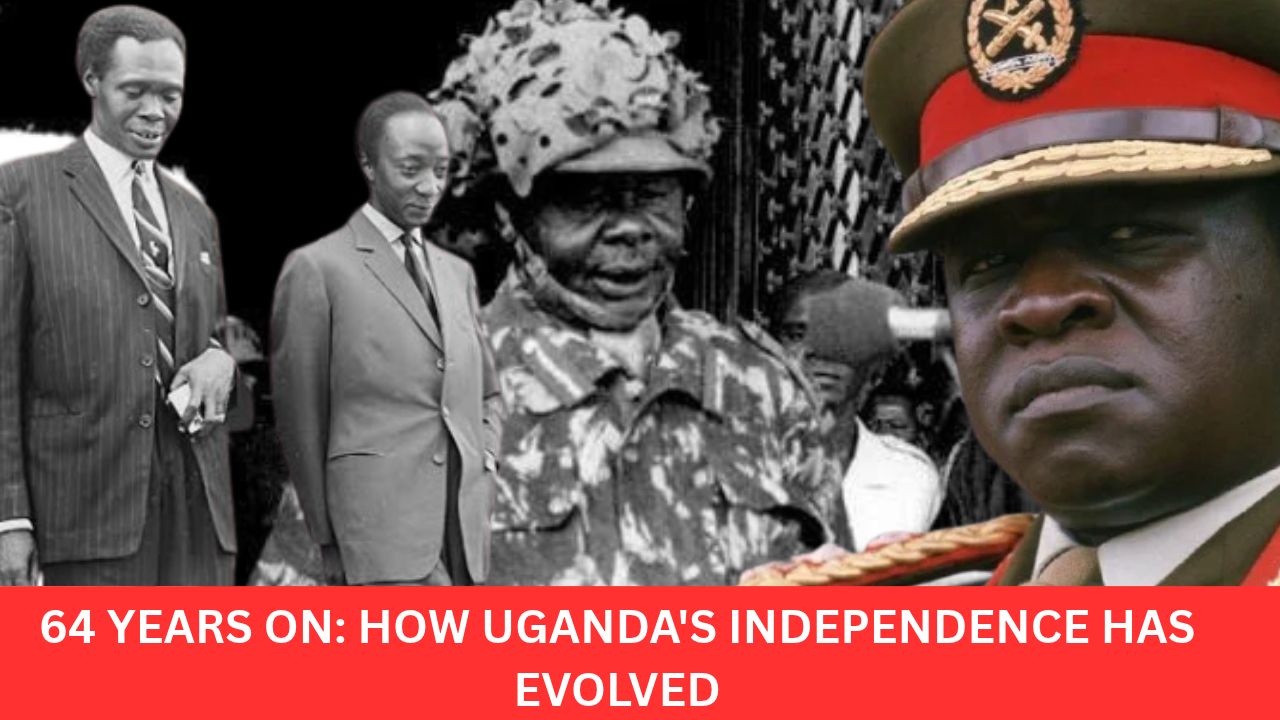 FeaturedOctober 8, 2026UGANDA AT 64: From Obote Receiving the Instruments of Power in 1962 to Museveni Receiving a National Medal in 2026, Uganda’s Independence Story Remains Unfinished. We Journey With You the Thorney 6+ Decades of Uhuru
 FeaturedOctober 8, 2026AFRICA MUST PREPARE FOR NEW WARS – MUSEVENI: The President Challenges Defence Chiefs to Link Military Strength With Economic Power, Political Stability and Regional Integration as African Armies Rethink Security Beyond Conventional Warfare