













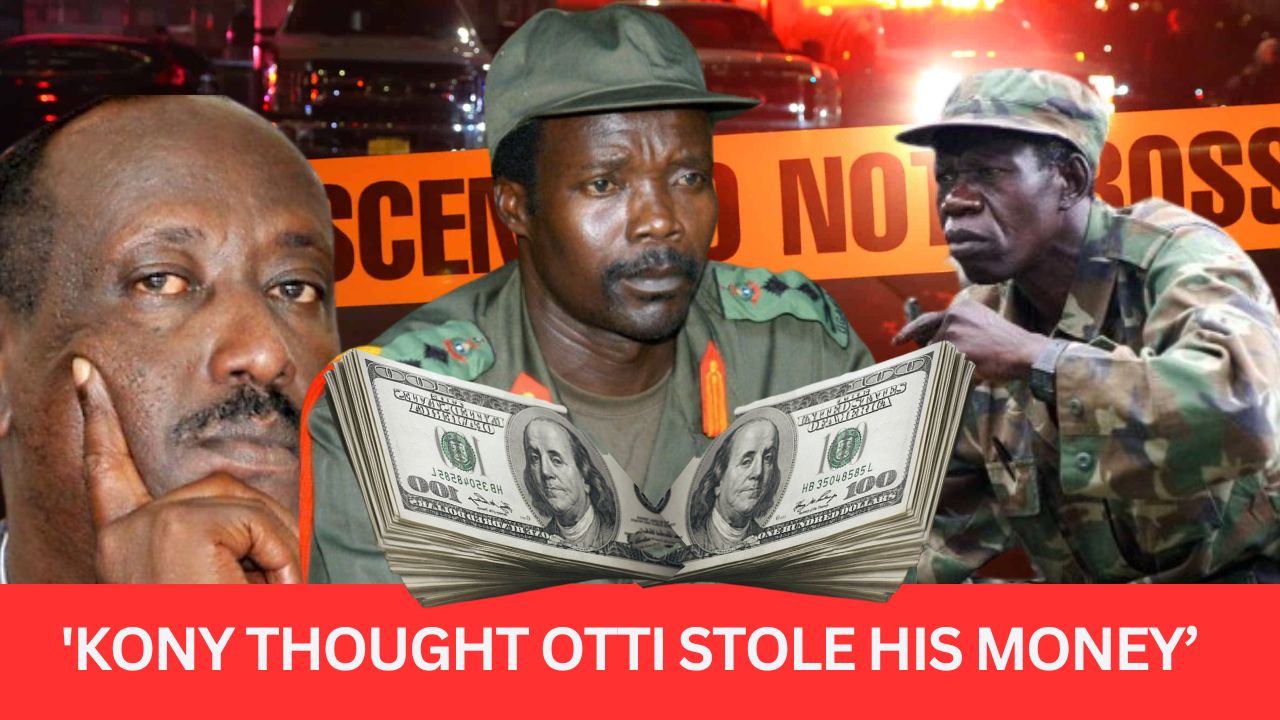
Fresh revelations have emerged about the mysterious execution of former Lord’s Resistance Army (LRA) deputy commander Vincent Otti, with senior religious leaders and former rebels claiming that a disputed cash payment allegedly sent by Gen. Salim Saleh may have triggered one of the bloodiest internal purges in the rebel movement.
The claims surfaced just days after the Uganda People’s Defence Forces (UPDF), through acting spokesperson Col. Chris Magezi, announced the repatriation of two more wives of fugitive LRA leader Joseph Kony from captivity in the Central African Republic.As the women begin the difficult process of reintegrating into their communities, renewed attention has turned to the final years of the LRA insurgency and the secret dealings, betrayals, and executions that tore apart the once-feared rebel group.
BISHOP REVEALS ALLEGED BETRAYAL
Retired Bishop of Northern Uganda Diocese, Rt. Rev. Nelson Onono-Onweng, who chaired the Acholi Religious Leaders Peace Initiative during the height of the insurgency, says the story behind Otti’s death runs much deeper than previously believed.
Speaking in an exclusive interview, Bishop Onono-Onweng alleged that mistrust over money intended to persuade Kony to embrace peace negotiations ultimately cost Otti his life.”Kony received information that Gen. Salim Saleh had sent him US$10,000 as part of efforts to persuade him to embrace the peace talks,” the bishop said.
“The money was reportedly delivered through political intermediaries and handed to Vincent Otti to pass on to Kony. But Otti and a few commanders allegedly shared the money among themselves. When Kony discovered this, he considered it a betrayal and immediately ordered Otti’s execution.”If true, the account provides a fresh perspective on one of the LRA’s darkest chapters and suggests financial mistrust, in addition to political disagreements, may have influenced Kony’s decision.
THE RIFT OVER PEACE TALKS
For years, the widely accepted account has been that Otti was executed in 2007 because he openly supported the Juba Peace Talks while Kony remained deeply suspicious of any negotiated settlement.
At the time, Otti was regarded as the second most powerful figure in the LRA. Many observers considered him the movement’s military strategist and one of the few senior commanders willing to engage in dialogue with the Ugandan government.
The peace negotiations, held in Juba between 2006 and 2008, raised hopes that Africa’s longest-running insurgency could finally come to an end. However, those hopes were repeatedly undermined by divisions within the rebel leadership.According to analysts and former LRA insiders, Otti increasingly favoured negotiations while Kony feared surrender would eventually lead to his arrest and prosecution.
FEAR AND SUSPICION INSIDE THE LRA
Former commanders who have since returned from the bush describe an atmosphere of growing fear and paranoia inside the rebel movement during its final years.
One former LRA fighter now living in Layibi Division in Gulu City, who requested anonymity for security reasons, said Kony became increasingly suspicious of even his closest commanders.
“After the peace talks started, Kony trusted very few people,” the former commander said.”Anyone suspected of taking money or communicating independently with government officials was viewed as a traitor.” The source said accusations of betrayal frequently resulted in brutal punishments, with commanders living under constant fear of execution.
SECRET CONTACTS WITH SALEH
The former rebel also confirmed long-standing reports that Gen. Salim Saleh, President Yoweri Museveni’s brother and one of Uganda’s most influential military figures, maintained indirect contacts with senior LRA commanders in attempts to broker peace.
According to the source, Saleh even travelled into Garamba Forest in the Democratic Republic of Congo aboard a military helicopter to meet Joseph Kony. “Many people in the army were shocked,” the former commander recalled.”Saleh was determined to convince Kony to abandon rebellion and come out of the bush. There were discussions about possible guarantees and arrangements.”
Although the Ugandan government has never publicly detailed such meetings, former peace negotiators and ex-combatants have over the years spoken of confidential backchannel contacts between government officials and the LRA leadership during the peace process.
OTTI’S FINAL DAYS
Vincent Otti disappeared from public view in late 2007, sparking widespread speculation about his fate.Months later, reports from former rebels indicated he had been executed on Kony’s direct orders after being accused of plotting against the rebel leader.
Human rights organisations and defectors later maintained that Otti had been charged with treason within the LRA, allegedly for supporting the peace negotiations and attempting to challenge Kony’s authority.
His death effectively eliminated the most influential voice advocating dialogue within the rebel movement and strengthened Kony’s absolute control.Many analysts believe the execution marked the beginning of the LRA’s rapid decline, as internal mistrust and military pressure weakened the organisation.
KONY STILL ON THE RUN
Although the LRA has been largely dismantled through joint military operations led by the Uganda People’s Defence Forces and regional allies, Joseph Kony remains one of the world’s most wanted fugitives.
The International Criminal Court continues to maintain arrest warrants against him for war crimes and crimes against humanity, including murder, enslavement, mutilation, sexual violence, and the abduction of thousands of children who were forced to become fighters or sex slaves.Despite the collapse of the LRA’s military strength, Kony is believed to remain somewhere in the remote border regions linking the Central African Republic, South Sudan, and Sudan.
QUESTIONS THAT MAY NEVER BE ANSWERED
For survivors of the conflict and communities across northern Uganda, the latest revelations have reopened painful memories of a war that claimed tens of thousands of lives and displaced nearly two million people.Community leaders and former rebels say many questions surrounding the LRA’s internal executions, secret negotiations, and leadership rivalries remain unanswered.
Whether Vincent Otti died solely because he supported peace or because of an alleged dispute over money sent to Kony may never be conclusively established.But as more former rebels return home and those who witnessed the conflict continue to speak out, new pieces of the LRA’s hidden history continue to emerge—offering fresh insight into the paranoia, betrayal, and violence that ultimately consumed one of Africa’s most notorious rebel movements.
Author Profile
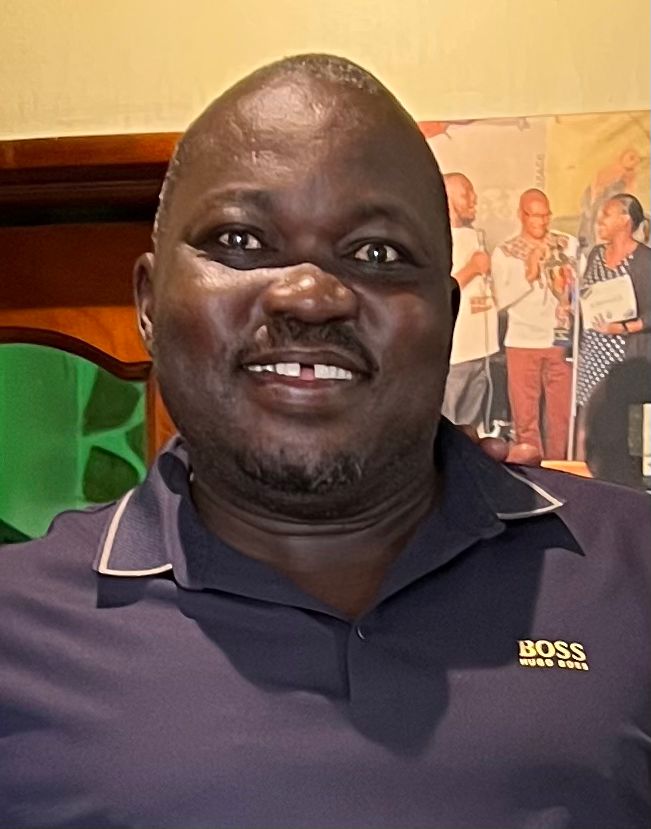
- Charles Gazza Kodili is a seasoned journalist with over 20 years of experience in the media industry. He holds a Bachelor of Arts degree in Mass Communication. He’s currently the Chief Editor at the Investigator.
Charles can also be reached via; Tel: +256 774 108978
Email: [email protected]
Latest entries
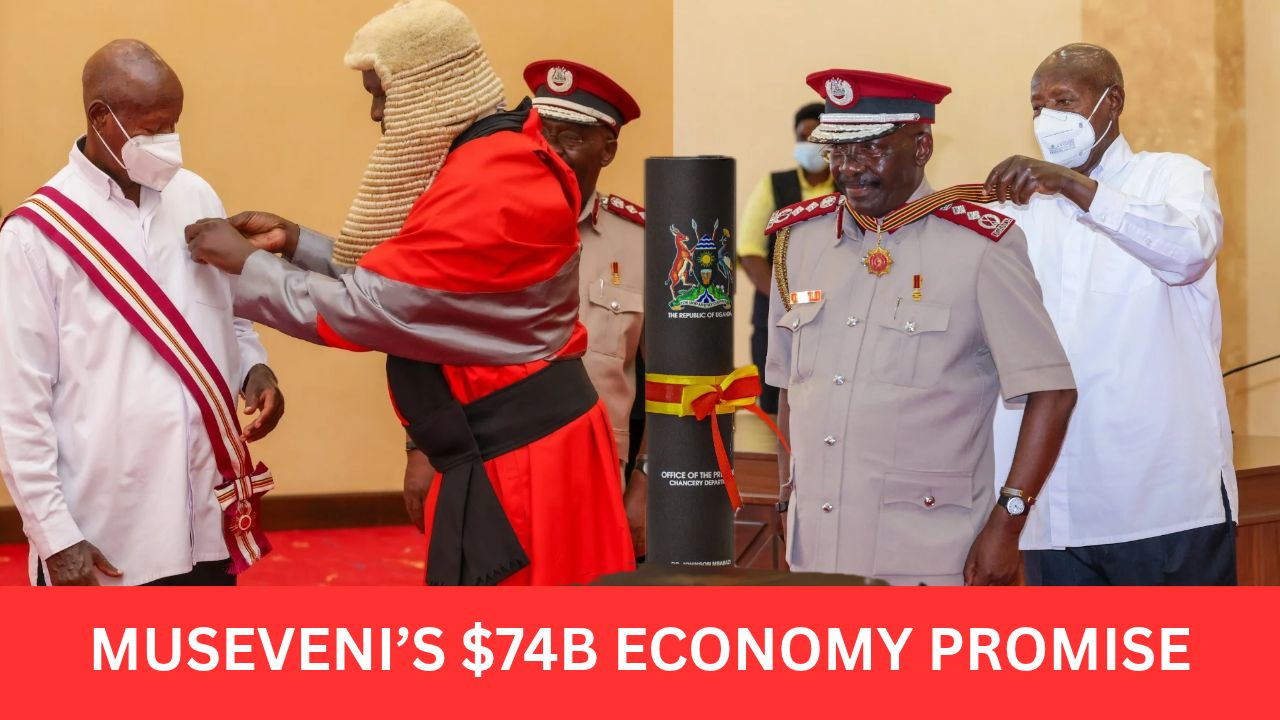 FeaturedOctober 9, 2026UGANDA ECONOMY TO HIT $73.96B: President Museveni Cites Decades Of Economic Growth As He Receives A Top National Honour During The 64th Independence Anniversary Celebrations At State House, Entebbe
 FeaturedOctober 9, 2026KABALEGA: THE KING WHO FOUGHT THE BRITISH: From Battles Against Sir Samuel Baker To Uganda’s Independence In 1962, The Bunyoro King Became A Symbol Of Resistance Against Foreign Domination
 FeaturedOctober 8, 2026UGANDA AT 64: From Obote Receiving the Instruments of Power in 1962 to Museveni Receiving a National Medal in 2026, Uganda’s Independence Story Remains Unfinished. We Journey With You the Thorney 6+ Decades of Uhuru
 FeaturedOctober 8, 2026AFRICA MUST PREPARE FOR NEW WARS – MUSEVENI: The President Challenges Defence Chiefs to Link Military Strength With Economic Power, Political Stability and Regional Integration as African Armies Rethink Security Beyond Conventional Warfare