







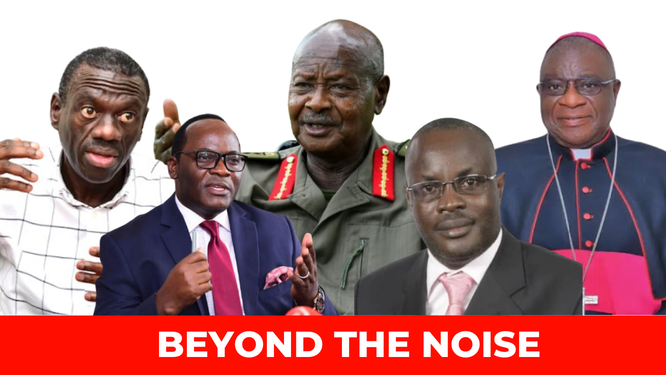


Most Ugandans are bitterly complaining about President Museveni’s long reign of almost 40 years in power. It’s true, for one man to rule a country like Uganda for four decades is a very rare opportunity. And it has a distressing effect on the citizens, most of them completely tired and fatigued of seeing the same man at the helm of power. This explains why there is a worldwide crusade to get Gen. Museveni out of power, regardless of the consequences. But while many are lamenting about his longevity, they have failed to diagnose the cause of such a scenario.
The Diagnosis
Some of us feel that beside the military, another big problem lies with the administrative system that gives one man boundless power. Most Ugandans are oblivious of the fact that the presidential system has been the biggest source of the problems for this country. It’s that presidential system that has corrupted whoever lands into the presidency. It’s that system that makes one man become the commander in chief of the armed forces, the chief executive, the appointing authority, the director of all policies in the land, the director of finance, etc, etal.
Can’t we change this system?
Yes, we can. Uganda has held hotly contested elections that have spiraled into political uncertainty, with the one of 1980 culminating into a five-year civil, bush war. Did we learn any lessons? The 1961 election that resulted into victory for DP’S Benedicto Kiwanuka and the 1962 elections that brought Apollo Milton Obote as Prime Minister and Frederick Muteesa as President ended without any chaos because those respective elections were held under a Parliamentary system.
The only elections that were held under the presidential system and ended peacefully, uncontested without a court petition was the 1996 one where President Museveni defeated Ssenkaggale Paul Kawanga Ssemogerere. All the other elections of 2001, 2006, 2011, 2016 and 2021 have all ended in court. At one time, the late Professor G.W. Kanyeihmba was one of the judges that almost nullified one of President Museveni’s victories. The Supreme Court had to resort to the difficult decision of stating thus; “Although elections were rigged, the rigging was not substantial enough to justify the nullification of the elections’’. In the end, President Museveni has needed the extra advantage of the army to sustain his political victories.
Where would he be without the army?
And moving forward, I think that we need a new political system that is NOT anchored around the military by withdrawing most of the power from the office of the president. We need to do this by getting rid of the presidential system that gives the sitting president a lot of power.
As stated earlier, the Britons left Uganda with the parliamentary system, well knowing that it was the best system that could guarantee the political future of the young democracy. Although this system crumbled because of the big egos of two personalities of Prime Minister Apollo Milton Obote and President Sir Frederick Muteesa, it was safe enough to guarantee long term stability.
I need to stress here that A.M Obote knew that he couldn’t have survive under the parliamentary system and hastily adopted the presidential system using the 1967 constitution. Under the presidential system, Obote became the alpha and omega because he now had unwavering powers over everything.
He used the army and the security agencies to detain, persecute his opponents and dominate the political terrain. By 1969 Uganda was under one party state, coz he had announced UPC as the only party in the country. It’s worth noting that he wouldn’t have gone far with his schemes, if the country had remained under the parliamentary system. Why? Because with parliamentary system, the executive derives its powers from the legislature.
One may argue that how come he managed to wreak havoc under the parliamentary system! This was because he first neutralized the parliament by arresting all the dissenting MPs and reverting to the presidential system by adopting the pigeon hole constitution. Once he became president, the whole country dropped to his knees.
The only political challenge he had was from the army. And indeed it was his army commander Gen Idi Amin who wasted no time in staging a coup d’etat in 1971.Once Obote was gone, Uganda fell in the ferocious hands of a direct military dictatorship, where there was no parliament, no elections and Gen Amin gleedfully ruled by decree.
When Gen Amin was invaded and overthrown by the Tanzanians in 1979, there was little time to correct the political mistakes of the past. Just a few Ugandans gathered in Moshi and selected Professor Yusuf Lule as president of a post Amin-Uganda. The same click dismissed president Lule and made Godfrey Binaisa president shortly after. Each of those presidents ruled the country under the 1967 constitution, which empowered them beyond imagination prompting the late Lukongwa Binaisa to proclaim that the presidential seat was “very sweet’’ – ‘entebe ewoma’
The Constitutional Contradictions
When elections were held again in 1980, they used a parliamentary system, where a party with most seats took power and then reverted to the presidential system when Obote took over as president. Casually, speaking, I think this was either a mistake or a contradiction because, you cannot use a parliamentary system to get a president. I beg to be corrected by students of constitutional law about this matter though.
Under a parliamentary system, the party with most MPs forms the government led by a Prime Minister. A case in point is the British system which always has a Prime Minister at the helm of government. I tend to think that the Obote group used their military power to impose a high breed system on the country because he knew that he was not going to win as an individual contender – aware of the guilt that came with the 1966 crisis.
So he shrewdly used the parliamentary system to bring back the presidential system. Once he took office, a section Obote`s opponents waged a civil war that took the lives of millions of Ugandans. By the time President Museveni won that 1981-85 civil war, Uganda was bleeding, left, right and center.
Gen Museveni has since been in power for the last 40 years, wielding all the powers that have made him a dictator of sorts. Lord Acton once said that “power tends to corrupt, and absolute power corrupts absolutely’’ I don’t think there is a single Ugandan who can argue with that saying coined by Lord Acton. One of the most unfortunate developments in this whole scenario is the fact that the Ugandan president has got powers to appoint the person who manages the elections!
You don’t need rocket science to deduce that someone at the helm of the electoral commission, Simon Byabakama cannot preside over an election that can remove his boss, the president, who gave him the job in the first place. This is like appointing a monkey to preside over a referendum on whether to cut down the forest or preserve it!. As a result of this alone, you end-up with no democracy at all because the incumbent president keeps himself in power at his own will with unfettered access. Under this arrangement, the incumbent president can use the electoral commission and the army to rule until he drops dead!. Therefore, the elections become a ritual for legitimizing an illegitimate government.
Why Get Rid Of The Presidential System?
Another bad element in the presidential system is that the winner of an election takes all the power and shares it with his peers. This leaves out a lot of grumbling from the defeated group. A good case in point is the case in Kenya where President William Ruto narrowly beat Railla Oginga Odinga to the presidency.Kenya has not enjoyed peace since then because of the unrest from the defeated group that organize protest after protest.
This unrest would never have happened if Kenya was under a parliamentary system that envisages proportionate representation between the contending parties because there is a significant power sharing model that breeds harmony after elections. This presidential system where one individual needs to do the country-wide vote hunting on his own to gain the right to run this country must be scrapped because that person develops the selfish syndrome of running government alone.
Why? Uganda has got 141 distrcits and over 721 villages. Under Ugandan electoral laws, a presidential aspirant needs to hunt for signatures in all these 141 districts to get endorsed as a nominated presidential candidate. Besides the collection of signatures, the aspirant needs to campaign in all the districts!. Once that wo/man wins, it’s highly inevitable that they will feel entitled to rule with impunity. That’s where the dictatorship tendency begins from.
The Way Forward
Moving forward, we need to change this presidential system in Uganda by a swift adoption of the parliamentary system which clips the overriding powers of the person in the highest office. One, under the parliamentary system, there are minimal chances of rigging because there are no presidential candidates – as the party with most MPs forms government. Two, under this parliamentary system there is no winner-takes-it-all because power is shared between the contending political parties in the legislature. Henceforth, the party with the majority shares with the minority – like it is done in South Africa.
This leads to harmonious power sharing and gets rid of the winner take-it-all that takes place in the presidential system. Last and most important of all, the parliamentary system is not prone to military coups like the presidential system.
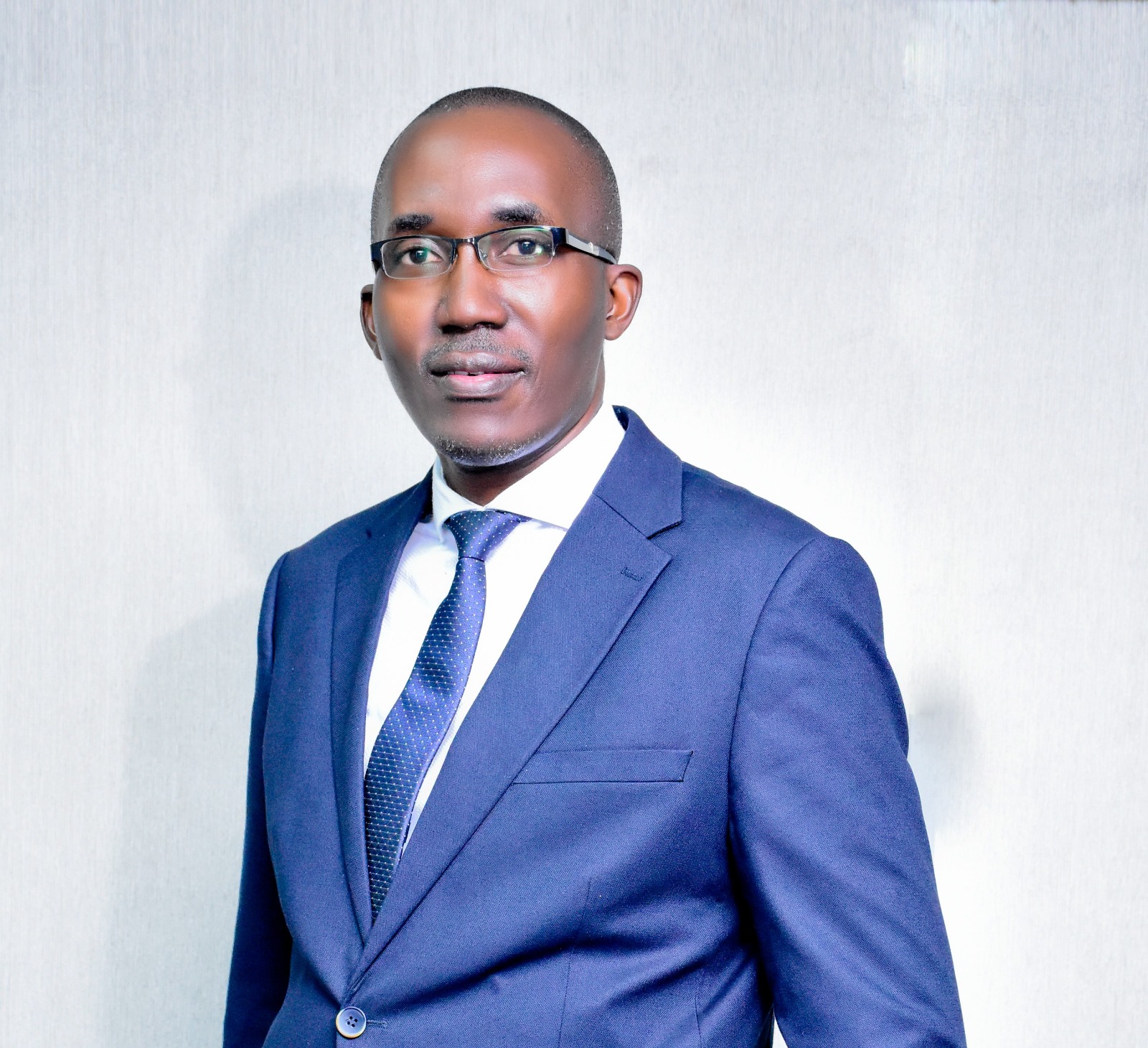
The author, Fred Daka Kamwada is critical thinker and policy analyst. [email protected]
Author Profile
- Fred Daka Kamwada is a seasoned journalist, blogger and political analyst for over a decade in Uganda
Latest entries
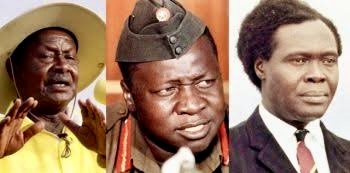 FeaturedSeptember 8, 2025Fred Daka Kamwada Ideas: Why We Should Get Rid Of The Presidential System And Adopt An All-Inclusive Parliamentary System To Stabilize Uganda
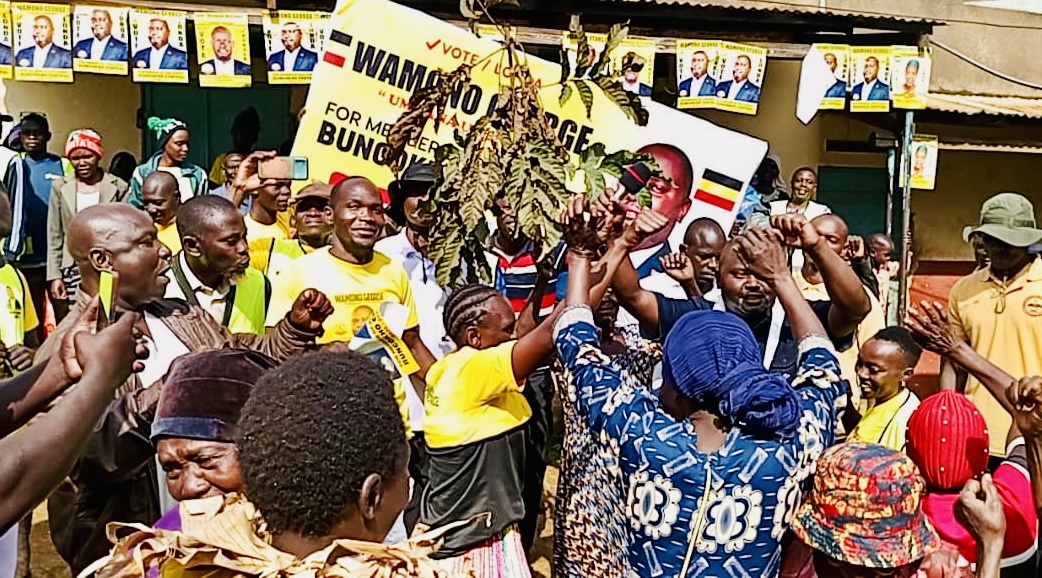 FeaturedAugust 13, 2025The Other View with Fred Daka Kamwada: About the Bogus Party Primaries and Why Any Strategic Candidate Shouldn’t Consider Participating in Them
 BusinessJanuary 20, 2023Economic Crumps: Pres Museveni Should Institute a Salaries, Wages Commission to Reduce the Awful Public Expenditure
 BusinessJanuary 9, 2023Tougher Times Ahead as China is Most Likely to Attack Taiwan and Send the 2023 Global Economy into a Terrible Spin