



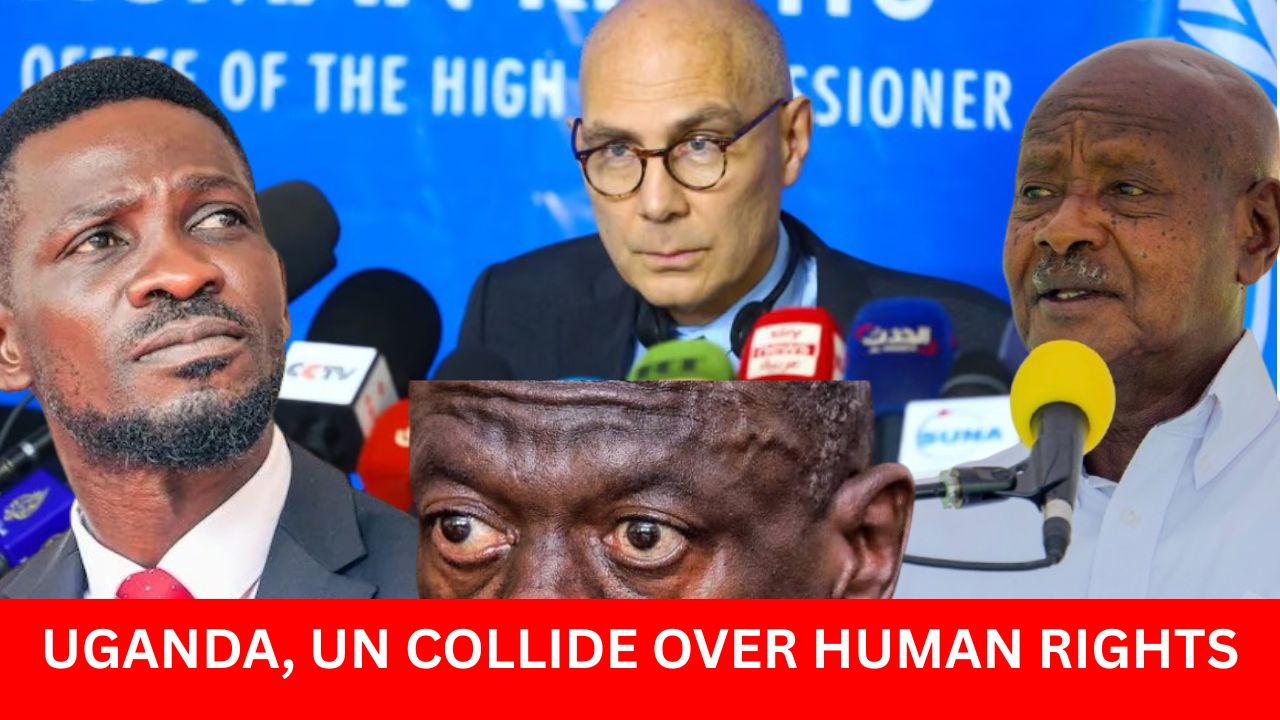
The Ugandan government has launched a fierce rebuttal against the United Nations’ top human rights official after he accused the country of escalating attacks on political dissent, freedom of expression and fundamental rights, setting the stage for yet another diplomatic confrontation between Kampala and the UN human rights system.
The latest exchange comes at a politically sensitive moment for Uganda, which is seeking to strengthen its international standing while simultaneously promoting veteran diplomat Ambassador Olara Otunnu for the position of United Nations Secretary-General.
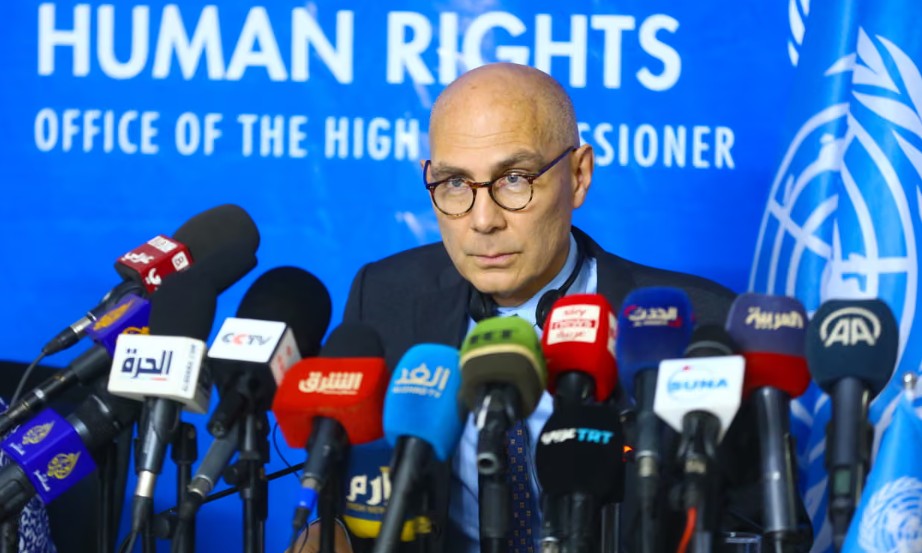
In a strongly worded statement, UN High Commissioner for Human Rights Volker Türk expressed alarm over what he described as worsening repression by Ugandan authorities.
“I am appalled that the authorities are increasingly targeting any form of dissent, and deepening restrictions on the fundamental freedoms of all those living in Uganda. Those who dare to speak out are silenced.”
The remarks represent one of the sharpest criticisms of Uganda by the UN rights office in recent months and are likely to fuel renewed international scrutiny of the country’s human rights record.
UN raises alarm over shrinking civic space
The UN rights chief’s comments reflect longstanding concerns by international human rights organizations over civic freedoms in Uganda.
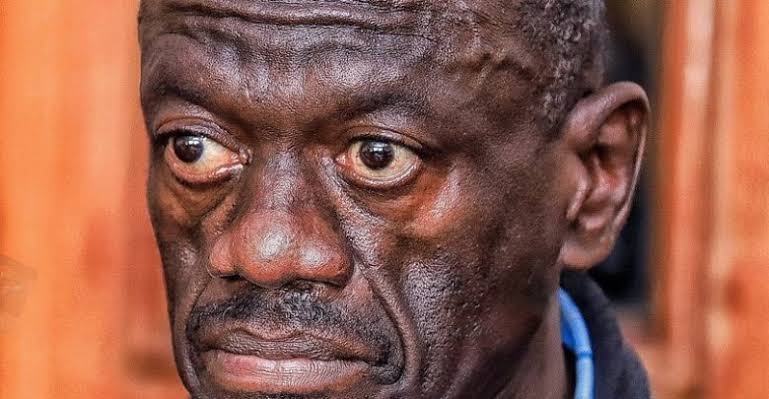
Critics have repeatedly accused security agencies of using excessive force against opposition supporters, journalists, activists and civil society organizations. Human rights groups have also questioned the continued prosecution of political opponents, restrictions on public assemblies and allegations of arbitrary arrests.
The latest criticism comes amid heightened political tensions following several high-profile arrests and court proceedings involving opposition figures.
Observers say the UN’s intervention suggests growing concern that Uganda’s democratic space continues to narrow ahead of future political processes.
Although the government has consistently rejected accusations of systematic abuse, international watchdogs have maintained that restrictions on civil liberties remain a serious concern.
Kampala fires back
Uganda wasted little time responding. Uganda’s incoming Minister of Foreign Affairs, Ambassador Adonia Ayebare, dismissed the UN High Commissioner’s statement as misleading and politically motivated.
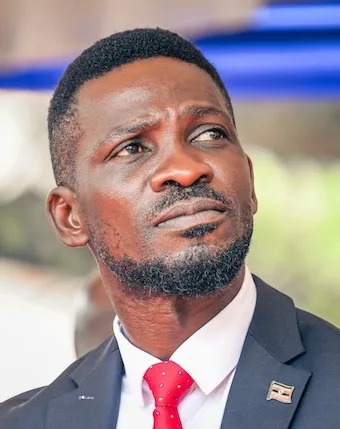
Writing on social media, Ayebare said: “Discredited Volker Turk and his outfit are at it again misrepresenting the situation in Uganda. The Ugandan government will be responding to these falsehoods in detail in addition to working with like-minded nations around the world to expose this dangerous UN body.”
His unusually blunt response signals Kampala’s increasingly confrontational approach toward the Office of the UN High Commissioner for Human Rights.
Rather than acknowledging the concerns raised, Ayebare questioned the credibility of the UN rights office itself, accusing it of spreading misinformation about Uganda.
His remarks also suggest Uganda could intensify diplomatic efforts alongside allied countries to challenge the influence and operations of the UN human rights body.
Long-running tensions
The latest exchange is far from unprecedented. Relations between Uganda and the UN human rights system have frequently been strained over the past decade.
Government officials have often argued that international rights bodies unfairly single out African countries while overlooking violations committed elsewhere.
Uganda has also maintained that many of its security measures are necessary to preserve national stability and combat terrorism, insisting that law enforcement agencies operate within the law.
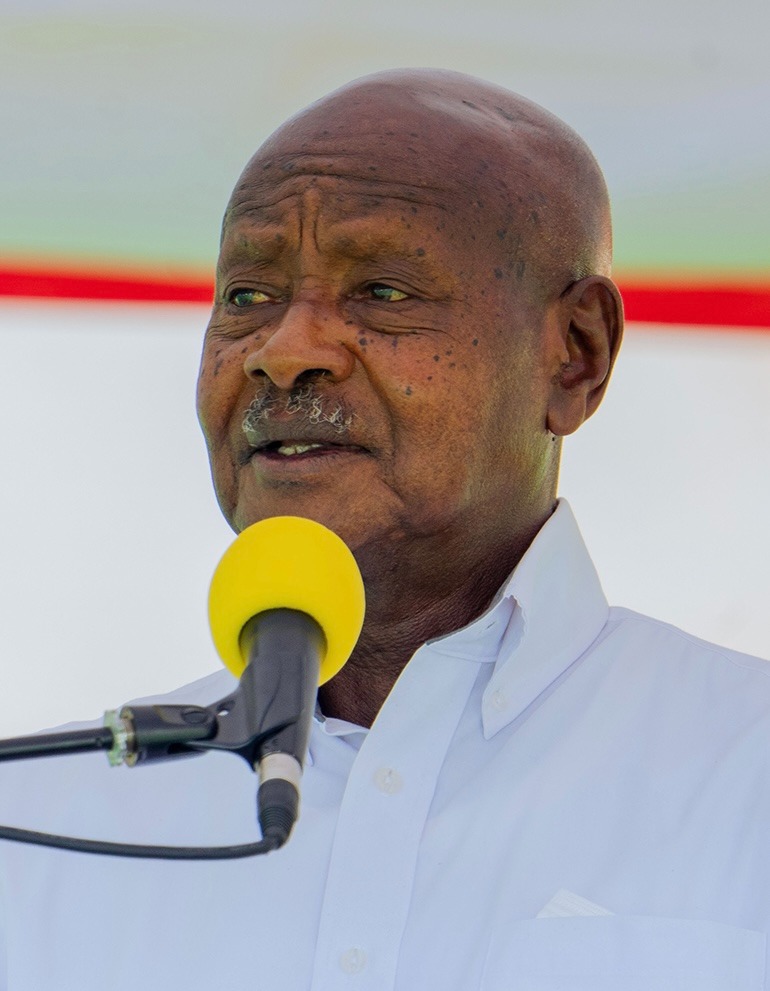
On several occasions, Kampala has accused international organizations of relying on biased sources and politically motivated reports.
Human rights organizations, however, argue that independent investigations have consistently documented cases involving unlawful detention, torture, enforced disappearances and restrictions on media freedoms.
Sensitive timing
The diplomatic row comes at a delicate time for Uganda internationally.
The country has recently intensified efforts to project itself as a regional leader in peacekeeping, security cooperation and diplomacy.
Uganda remains one of Africa’s largest contributors to regional peace support operations and has positioned itself as a key security partner in the Horn of Africa.
At the same time, Kampala is campaigning for Ambassador Olara Otunnu to become the next UN Secretary-General, a position that would represent a historic achievement for Uganda should he eventually secure the post.
Political analysts note that renewed criticism from the UN human rights office could complicate Uganda’s diplomatic messaging, even though the Secretary-General selection process is ultimately driven by member states rather than the human rights office.
Nevertheless, perceptions regarding governance, rule of law and human rights often influence a country’s broader international reputation.
Domestic debate likely to intensify
The exchange is also expected to deepen Uganda’s domestic political debate.
Opposition politicians have frequently cited international reports to support their claims that democratic freedoms are under increasing pressure.
Government officials, meanwhile, argue that many opposition figures deliberately portray Uganda negatively before the international community for political gain.
Supporters of the government insist Uganda remains stable compared to many countries in the region and point to continued economic growth, infrastructure development and regional security contributions as evidence that the country is moving in the right direction.
Critics counter that development should not come at the expense of constitutional freedoms and human rights.
International attention
The latest remarks by the UN rights chief are likely to attract renewed attention from international partners, including donor governments and multilateral institutions that closely monitor governance indicators.
Human rights issues have increasingly become part of broader diplomatic discussions involving development assistance, trade relations and international cooperation.
Uganda has previously weathered similar criticism, with government officials insisting that the country’s sovereignty and legal processes must be respected.Whether Kampala’s promised detailed response succeeds in countering the UN’s allegations remains to be seen.
Diplomatic battle ahead
For now, both sides appear firmly entrenched. The UN human rights office has reiterated concerns about what it views as shrinking civic space and increasing repression of dissent.
Uganda, on the other hand, has categorically rejected those accusations, describing them as false and accusing the UN rights office of deliberately misrepresenting the country’s situation.
As Kampala prepares a formal response, the dispute is expected to become another chapter in the broader debate over human rights, sovereignty and international oversight.
With Uganda seeking a stronger voice on the global stage while defending its domestic governance record, the confrontation underscores the continuing tension between international human rights mechanisms and governments that view external criticism as interference in their internal affairs.
Author Profile
- Charles Gazza Kodili is a seasoned journalist with over 20 years of experience in the media industry. He holds a Bachelor of Arts degree in Mass Communication. He’s currently the Chief Editor at the Investigator.
Charles can also be reached via; Tel: +256 774 108978
Email: [email protected]
Latest entries
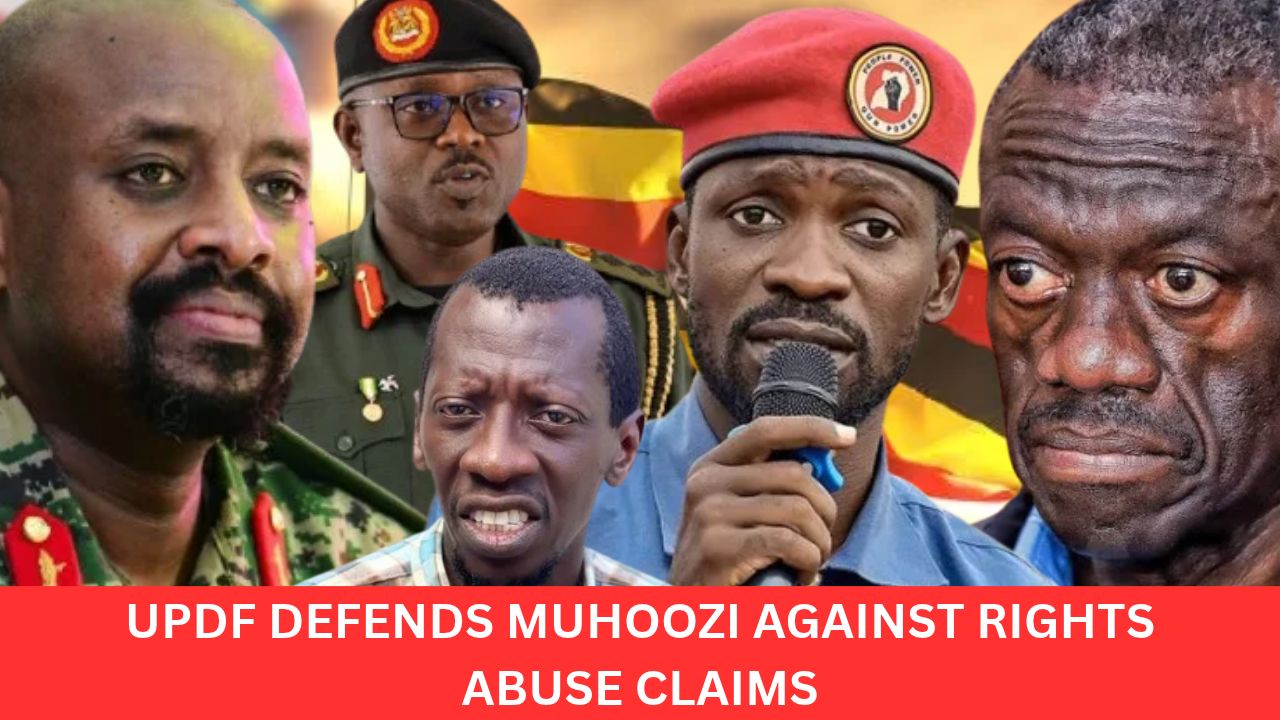 FeaturedOctober 10, 2026MUHOOZI UNDER FIRE OVER DEATH THREATS New York Times article puts Muhoozi’s human rights record under fresh scrutiny as UPDF cries foul
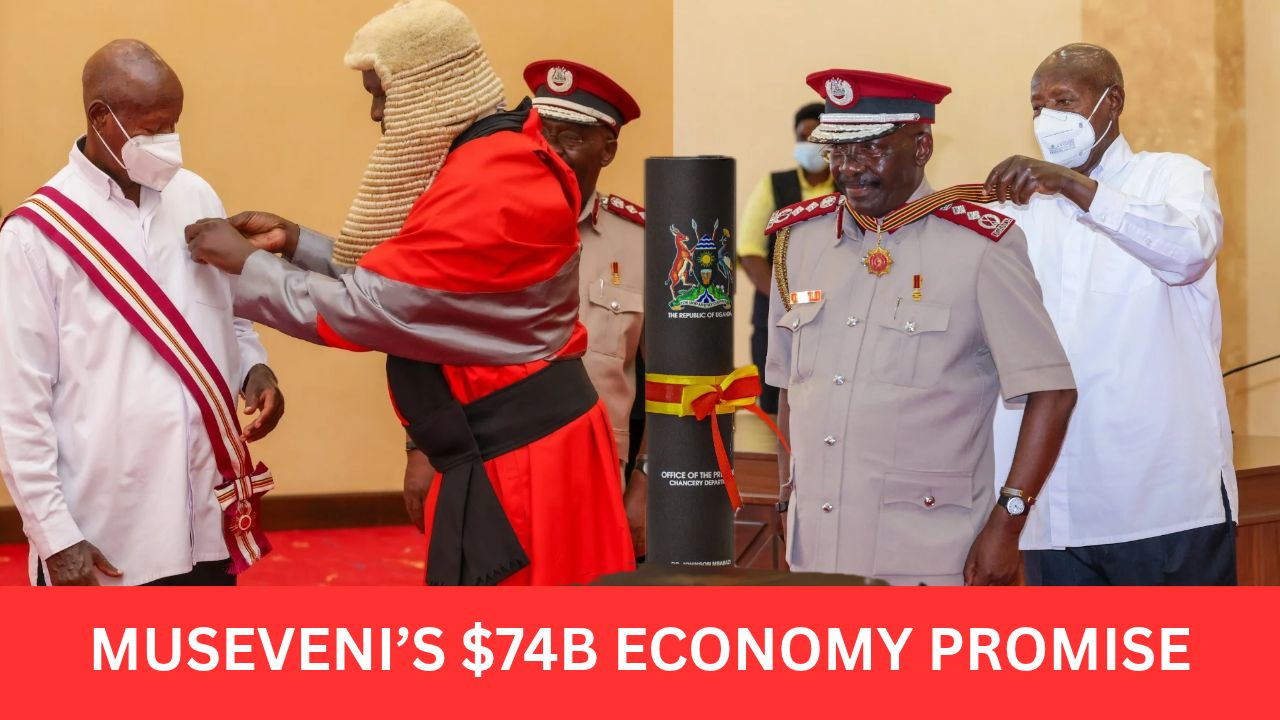 FeaturedOctober 9, 2026UGANDA ECONOMY TO HIT $73.96B: President Museveni Cites Decades Of Economic Growth As He Receives A Top National Honour During The 64th Independence Anniversary Celebrations At State House, Entebbe
 FeaturedOctober 9, 2026KABALEGA: THE KING WHO FOUGHT THE BRITISH: From Battles Against Sir Samuel Baker To Uganda’s Independence In 1962, The Bunyoro King Became A Symbol Of Resistance Against Foreign Domination
 FeaturedOctober 8, 2026UGANDA AT 64: From Obote Receiving the Instruments of Power in 1962 to Museveni Receiving a National Medal in 2026, Uganda’s Independence Story Remains Unfinished. We Journey With You the Thorney 6+ Decades of Uhuru

Uganda alone is a prison where those who wants to talk and fight for freedom are silenced and tortured yet the western world keeps on watching
Let’s be assisted. The situation is alarming.