












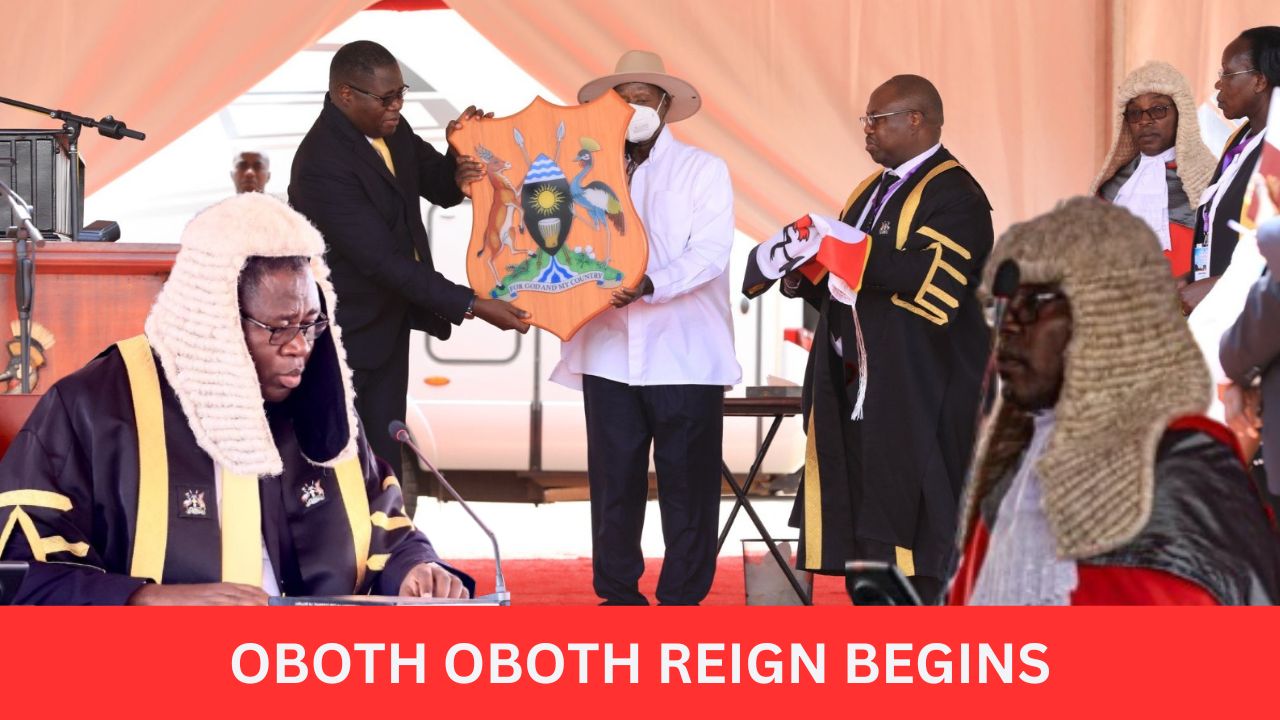
The honeymoon is now over for Rt. Hon. Jacob Oboth-Oboth following his swearing-in as Speaker of Uganda’s 12th Parliament. What appeared like a smooth and carefully choreographed transition within the ruling National Resistance Movement (NRM) now opens the door to one of the most difficult political assignments in the country — uniting a deeply divided August House while simultaneously asserting authority over legislators still loyal to former Speaker Anita Annet Among.Oboth-Oboth assumes office at a time when Parliament remains politically wounded and internally fractured. Although the NRM comfortably secured numerical dominance in the House, the scars left behind by the dramatic fall of Anita Among are still fresh. Several Members of Parliament who benefited from Among’s financial muscle and political patronage continue to view her as their political godmother and believe she was unfairly pushed aside by the establishment.
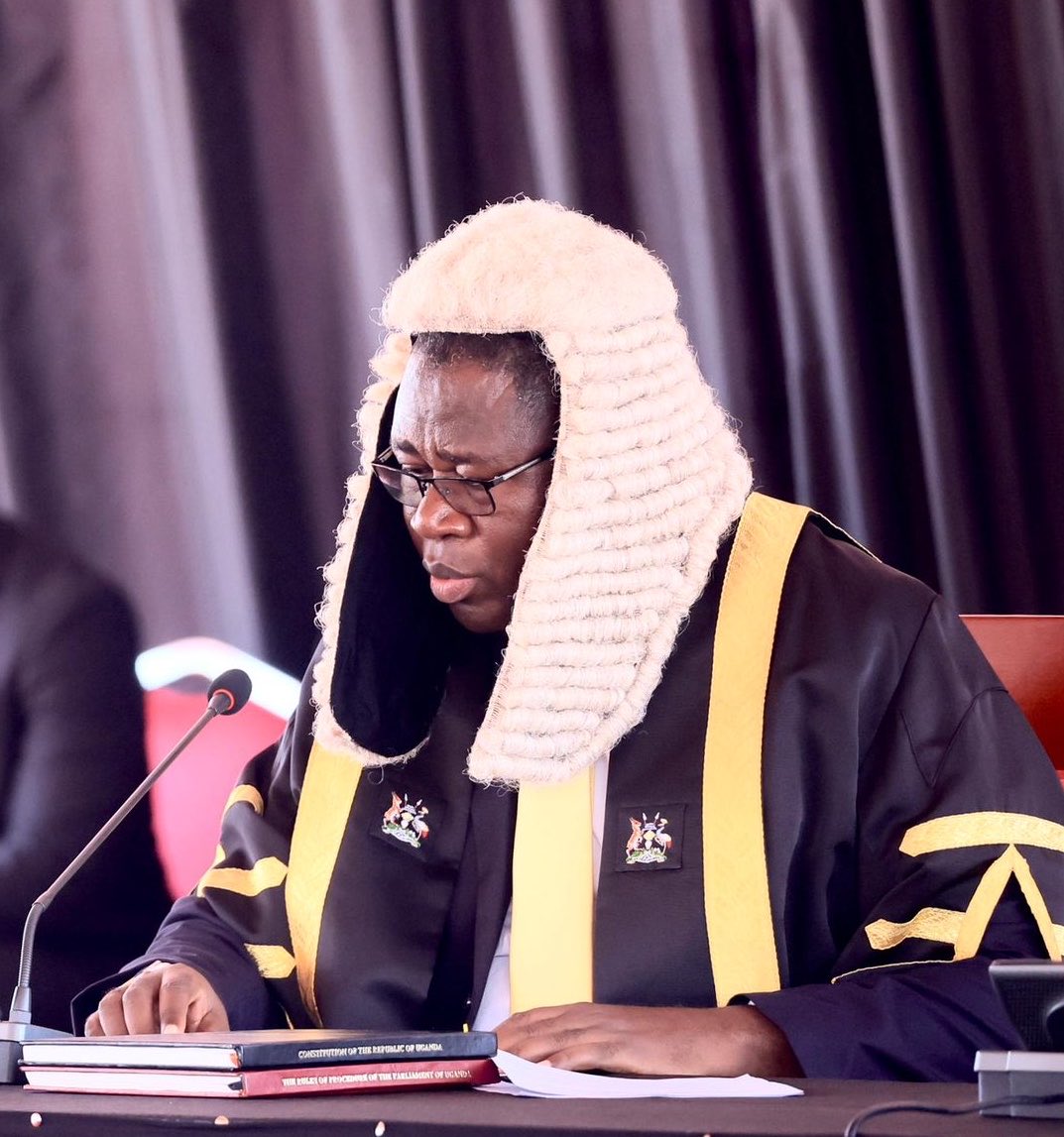
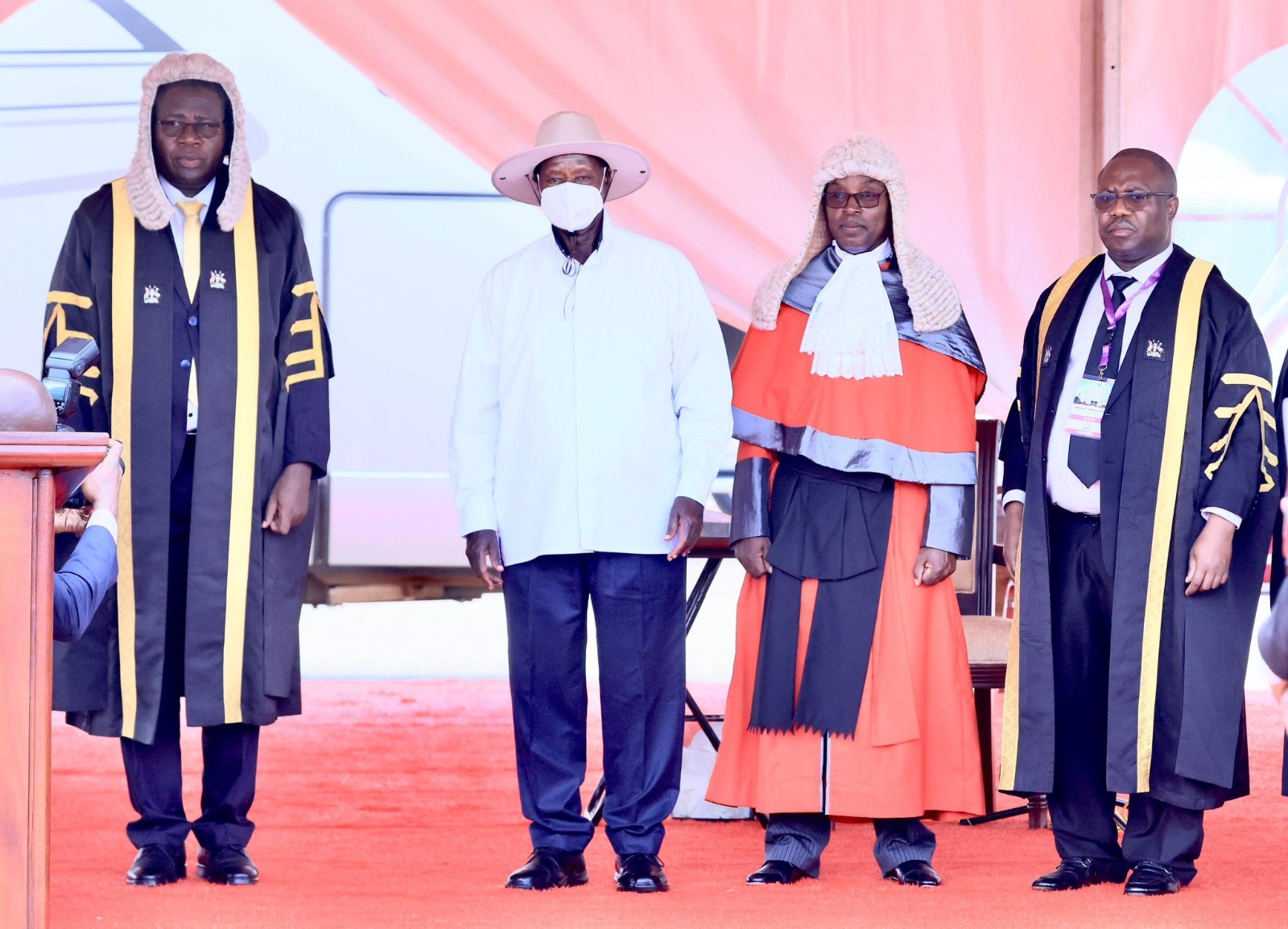
For Oboth-Oboth, therefore, becoming Speaker is not merely about occupying the chair. It is about navigating one of the most politically sensitive transitions in recent parliamentary history.The West Budama Central legislator was officially declared Speaker-elect of the 12th Parliament by Chief Justice Dr. Flavian Zeija after securing a commanding 441 votes in the Speakership race. His victory was overwhelming and symbolized the strength of the NRM’s Central Executive Committee (CEC), which had endorsed him alongside Deputy Speaker Thomas Tayebwa.
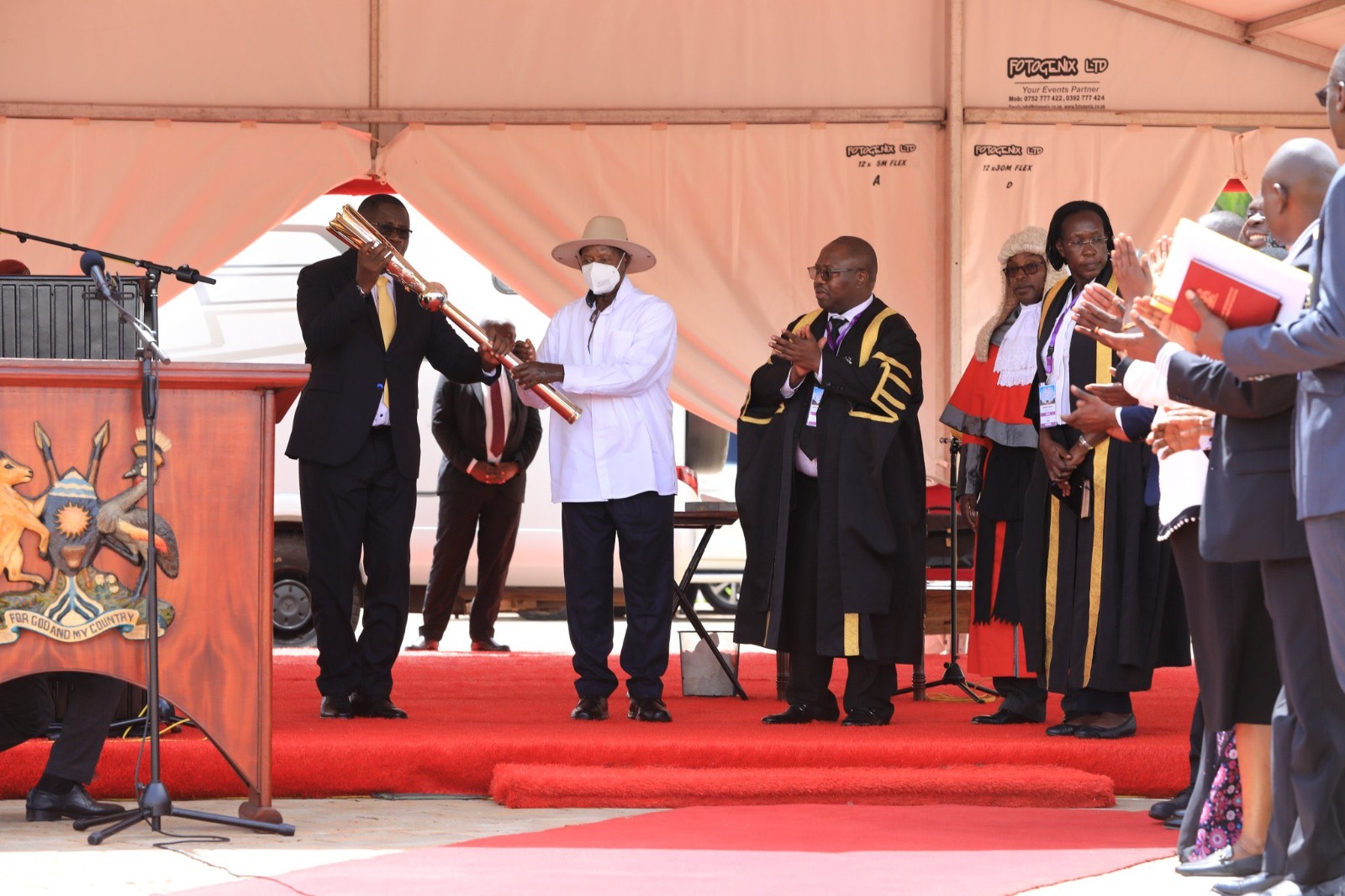
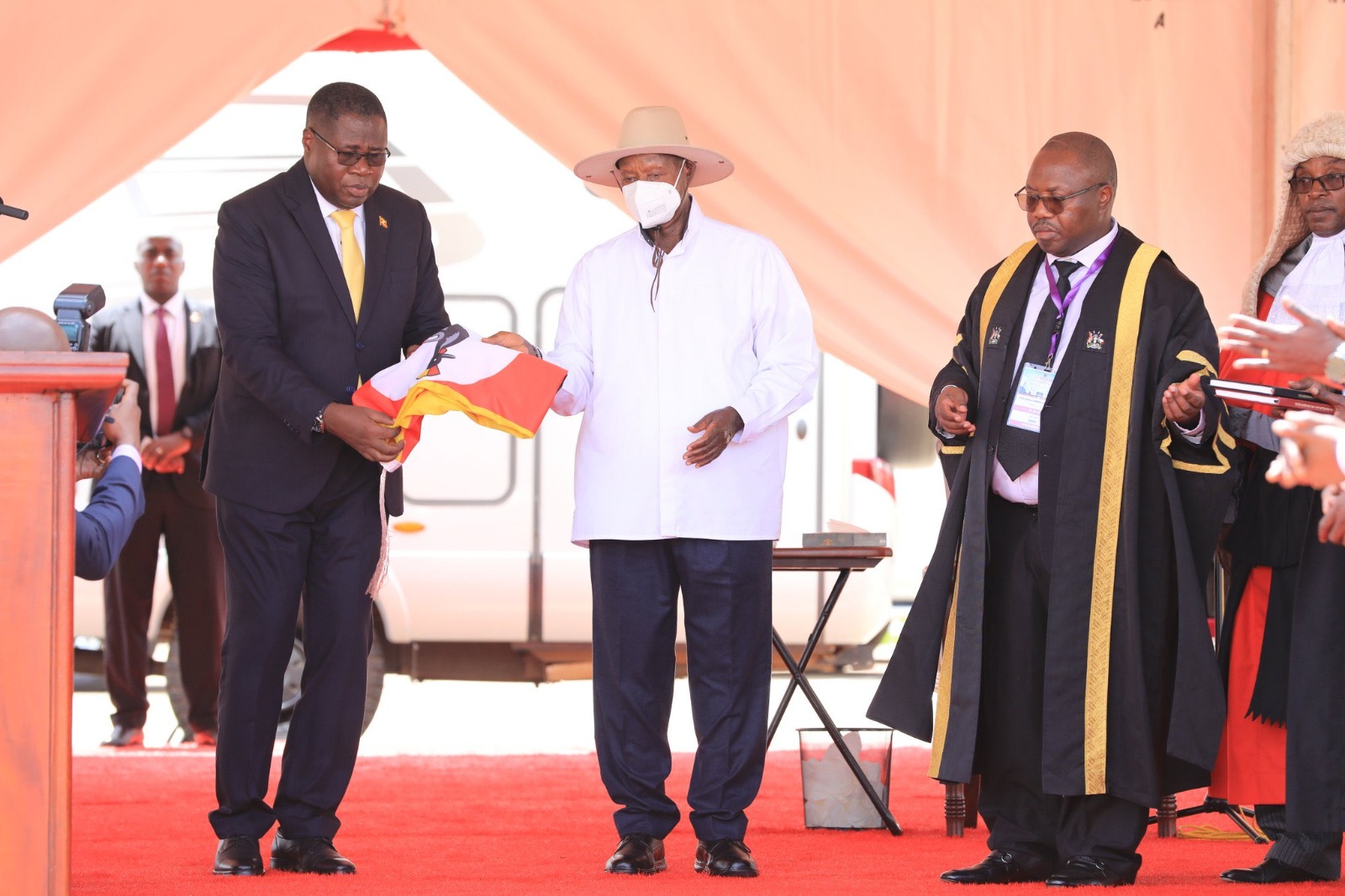
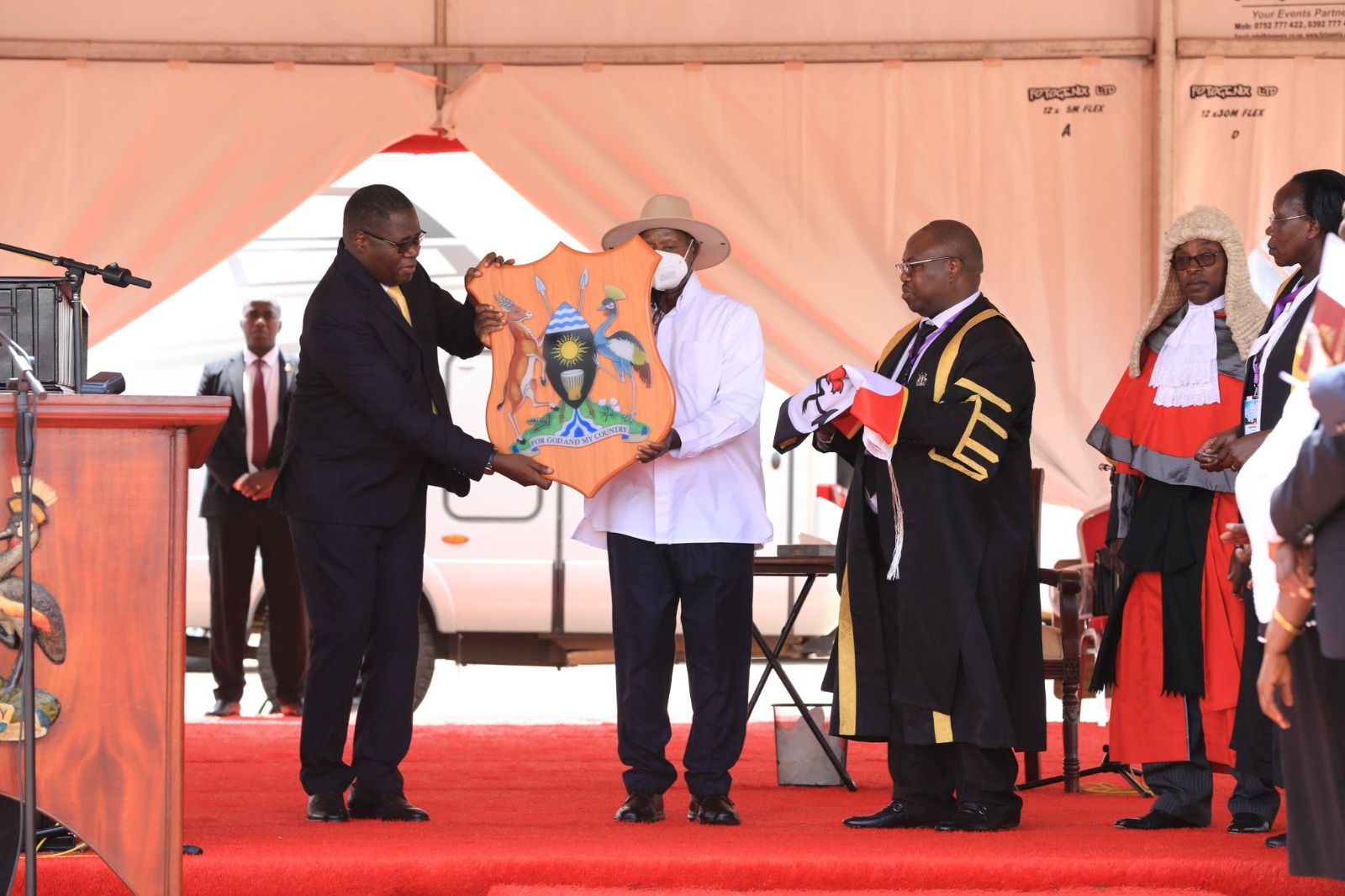
President Yoweri Museveni personally presided over the highly anticipated election at Kololo Ceremonial Grounds, underscoring the importance the ruling party attached to the transition. Oboth-Oboth later took the oath of office and received instruments of power from the President, formally assuming leadership of Parliament.His nomination was moved by Vice President Jessica Alupo and seconded by Government Chief Whip Frank Tumwebaze, a clear indication that the ruling establishment had settled on him as the safe and disciplined choice to steady Parliament after years of turbulence and controversy.
Oboth-Oboth’s biggest challenge
Yet despite the impressive victory, political analysts say Oboth-Oboth’s biggest challenge starts now. Unlike his predecessor Anita Among, Oboth-Oboth is widely viewed as calm, diplomatic and soft-spoken. While those qualities may portray him as a mature statesman, critics argue they could also become his greatest weakness in Uganda’s highly charged political environment where authority often depends on firmness, intimidation and political maneuvering.Among ruled Parliament with an iron grip. She was decisive, assertive and unapologetically loyal to the executive. Under her leadership, controversial government bills were passed at remarkable speed, sometimes amid accusations that parliamentary procedures had been ignored. Her supporters argue that she protected the interests of the ruling party and ensured government business moved without delay.One of the most cited examples was the rapid passage of sensitive legislation, including controversial Protection of Sovereignty Bill, that sailed through Parliament with minimal resistance. Her critics accused her of turning Parliament into an extension of the executive, but to her allies, she was simply efficient and politically reliable. Oboth-Oboth now inherits a House accustomed to that style of leadership.“The challenge for Oboth-Oboth is that MPs are already comparing him to Anita Among,” said Dr Gerald Werighe a seasoned political analyst. “He is more diplomatic and procedural, but Parliament today is highly politicized. Diplomacy alone may not be enough to control competing interests.”
Bitterness
Indeed, several MPs who aligned themselves with Among remain bitter over her exit. Some privately accuse the NRM establishment of abandoning one of its most loyal cadres despite her efforts to defend government interests in Parliament.One NRM MP from Masindi, believed to have been among those politically supported by Among, openly questioned the decision to replace her.“Given the tradition of the NRM, the Speaker normally serves two terms before moving to another posting. Why was Anita Among witch-hunted? The system has not been fair to her,” the legislator said. Such sentiments reflect the simmering resentment Oboth-Oboth must now confront.Analysts argue that while he enjoys the confidence of President Museveni and the NRM leadership, he still lacks the personal political network and financial influence that made Among such a dominant force within Parliament. Among reportedly cultivated loyalty through strategic political and financial support to legislators across the country, creating a formidable bloc that may not easily transfer allegiance to the new Speaker.
Oboth-Oboth walking a political tightrope
This leaves Oboth-Oboth walking a political tightrope. He must reassure MPs who feel alienated while at the same time proving to State House that he can effectively deliver government business. The balancing act will test both his leadership and political survival skills.Another challenge lies in restoring Parliament’s public image. The 11th Parliament faced criticism over allegations of corruption, excessive spending and disregard for parliamentary procedures. Public confidence in the institution significantly declined during that period.
Deputy Speaker Thomas Tayebwa appeared to acknowledge these concerns during his remarks shortly after the elections.“I don’t need more than one hour of reform because I only need to follow processes,” Tayebwa said. “There is where we had lapses as leaders, and I want to apologise to the nation. We are going to change that institution in the shortest possible time.”Those remarks indirectly signaled that the new leadership intends to distance itself from some of the controversies that defined the previous Parliament. For Oboth-Oboth, this presents both an opportunity and a risk.His supporters believe his calm temperament and legal background could help restore order, respect for procedure and institutional credibility. Having previously served as Minister for Defence and Veteran Affairs, he is regarded as experienced, disciplined and less confrontational.
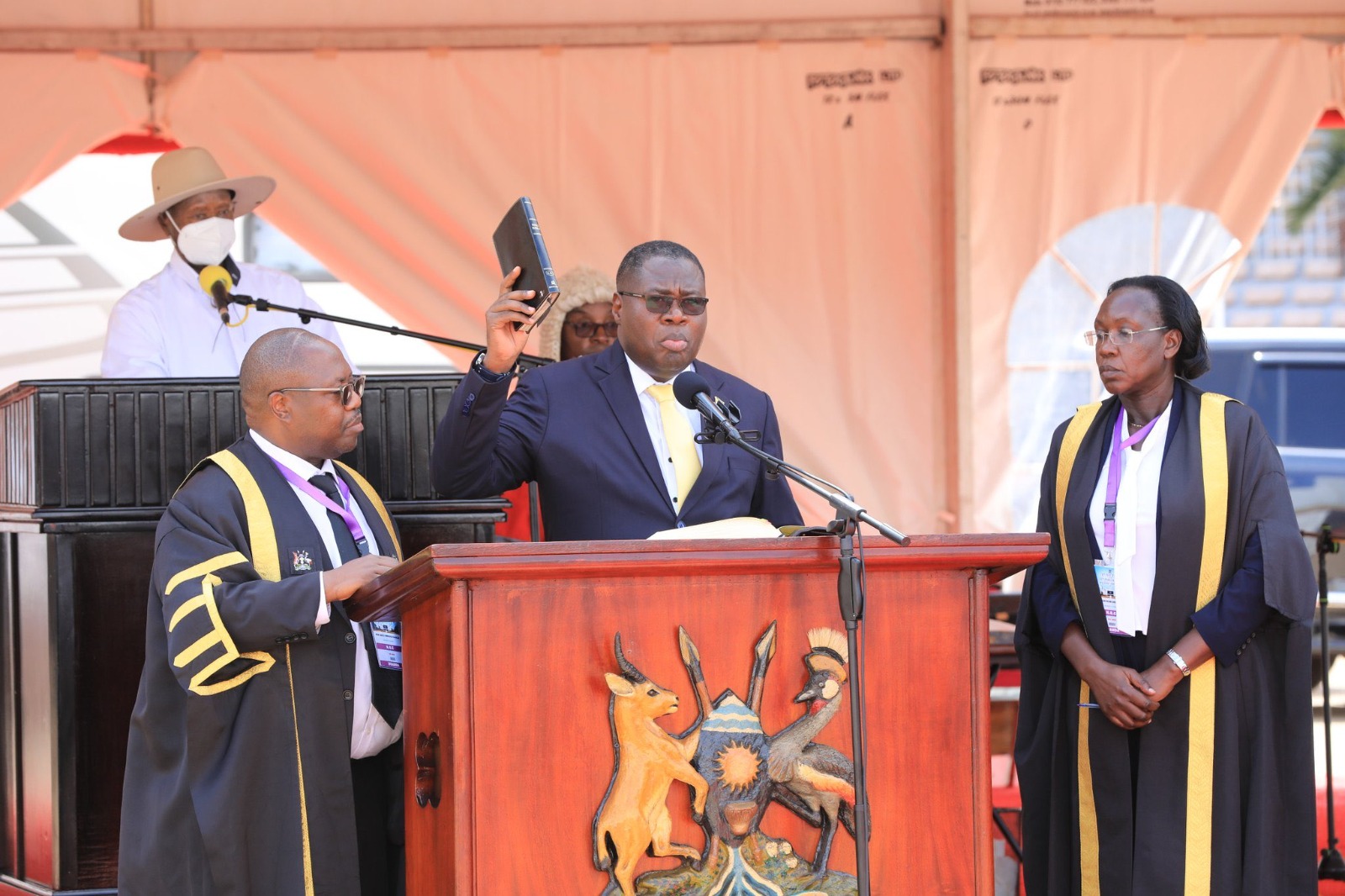
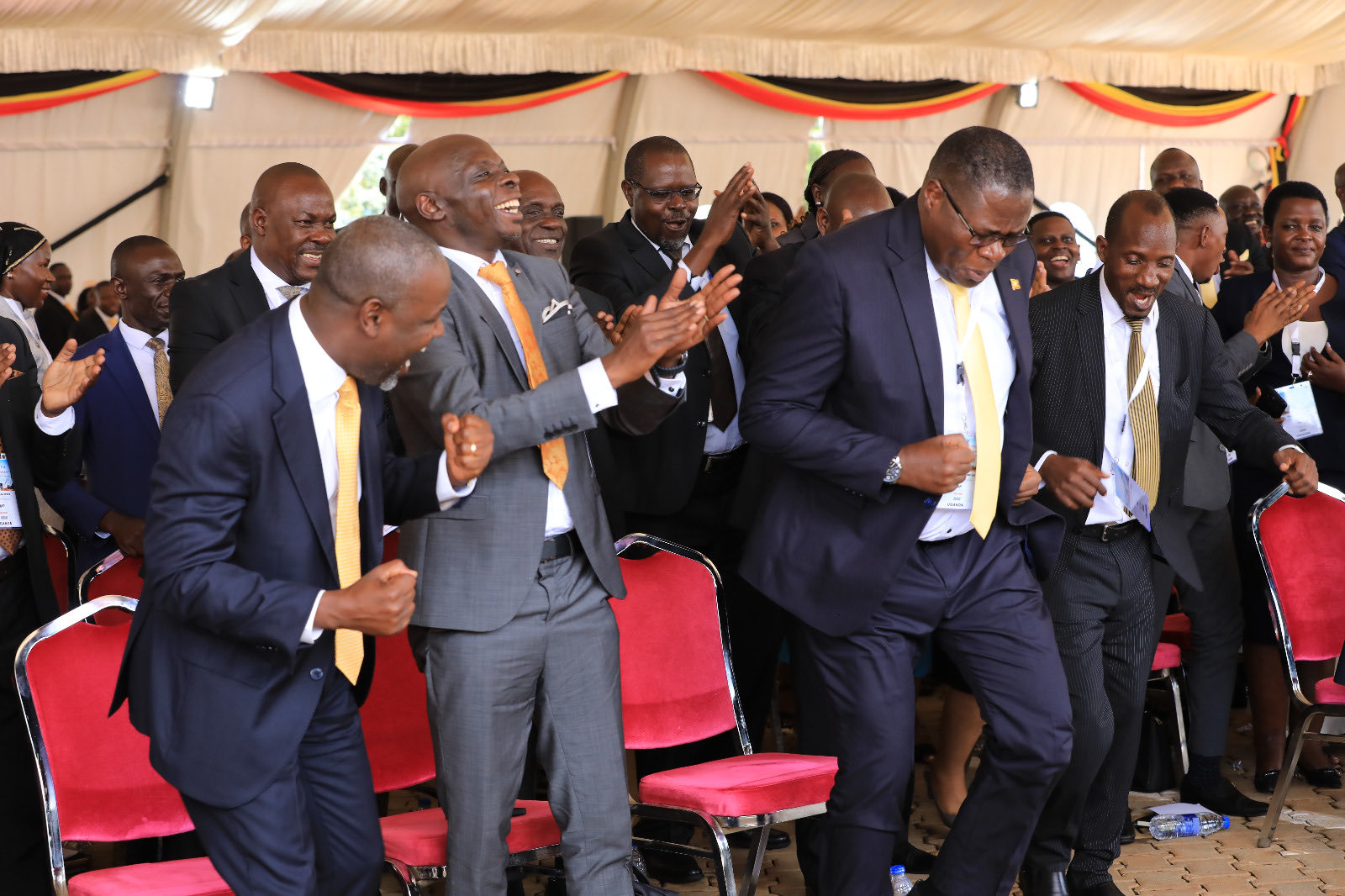
However, critics fear his gentlemanly approach could be interpreted as weakness by more aggressive and politically ambitious MPs. Parliament in Uganda is not merely a legislative chamber; it is also a battlefield of egos, patronage networks and political survival. To succeed, Oboth-Oboth will need more than diplomacy. He will need political toughness, strategic alliances and the ability to impose authority when necessary.During his acceptance remarks, Oboth-Oboth appeared to signal a leadership style markedly different from that of his predecessor.“The Speaker’s chair is not a throne; it is a servant post. My role now is to come before you and ensure that, working together, the voices of the over 48 million Ugandans who sent us to this House are heard, protected and respected,” Oboth-Oboth said.The statement was widely interpreted as an attempt to project humility, inclusiveness and institutional respect at a time when Parliament faces growing public scrutiny and internal divisions.Critics, however, fear his gentlemanly approach could be interpreted as weakness by more aggressive and politically ambitious MPs.He must also manage a House of 528 members composed of constituency representatives, district woman MPs, youth representatives, workers, persons with disabilities, UPDF representatives and older persons representatives — all carrying competing political interests and expectations.
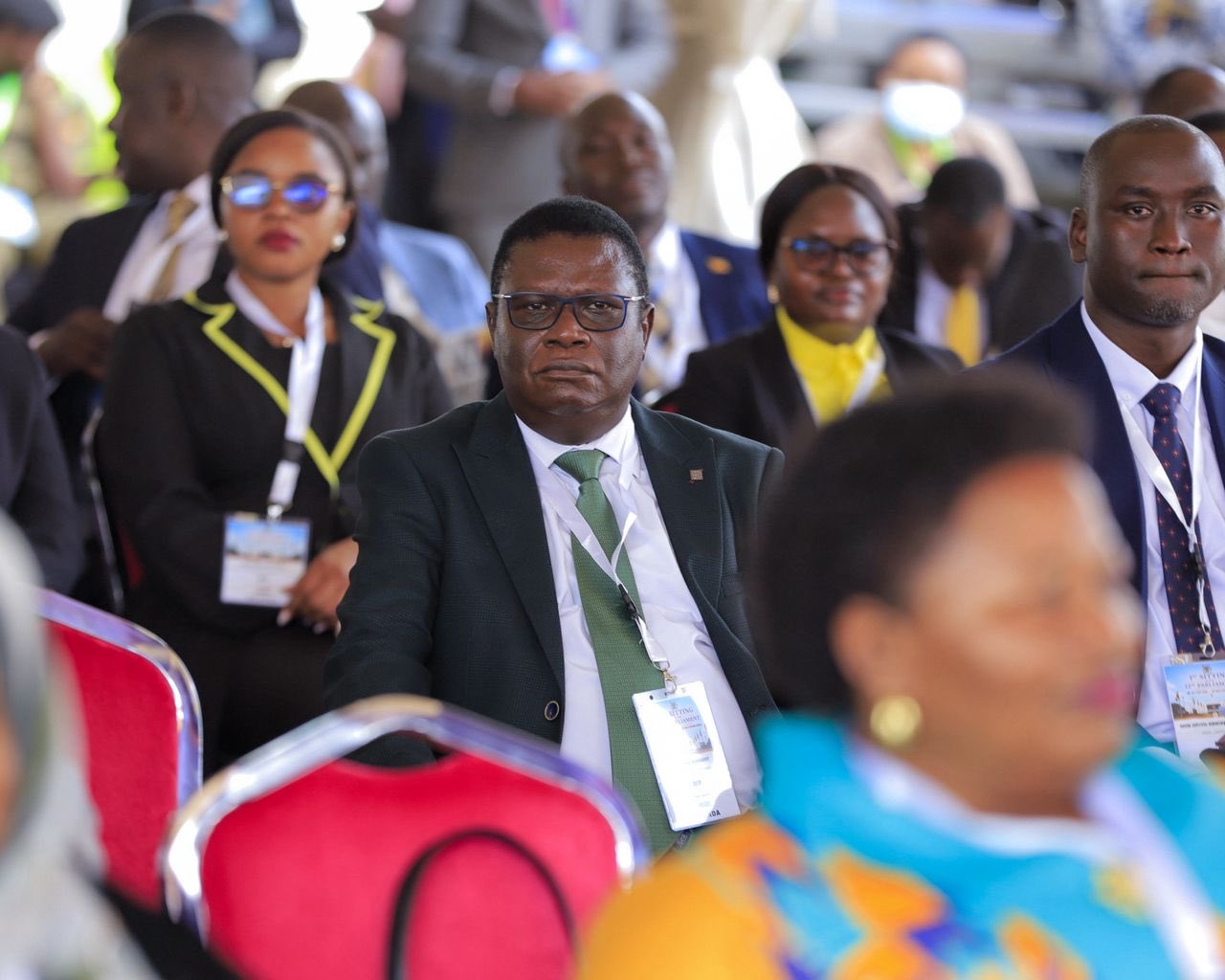
The opposition, though numerically weaker, is also expected to test his leadership from the onset. Opposition legislators backed Jinja South East MP Paul Mwiru for Speaker while Norbert Mao also contested the position, reflecting a broader desire among some political actors to challenge NRM dominance within Parliament.Ultimately, Oboth-Oboth’s success or failure will depend on whether he can transform himself from a consensus candidate into an authoritative national leader capable of commanding respect across political divides. The celebrations may be over, but the real test has only just begun.
Author Profile

- Charles Gazza Kodili is a seasoned journalist with over 20 years of experience in the media industry. He holds a Bachelor of Arts degree in Mass Communication. He’s currently the Chief Editor at the Investigator.
Charles can also be reached via; Tel: +256 774 108978
Email: [email protected]
Latest entries
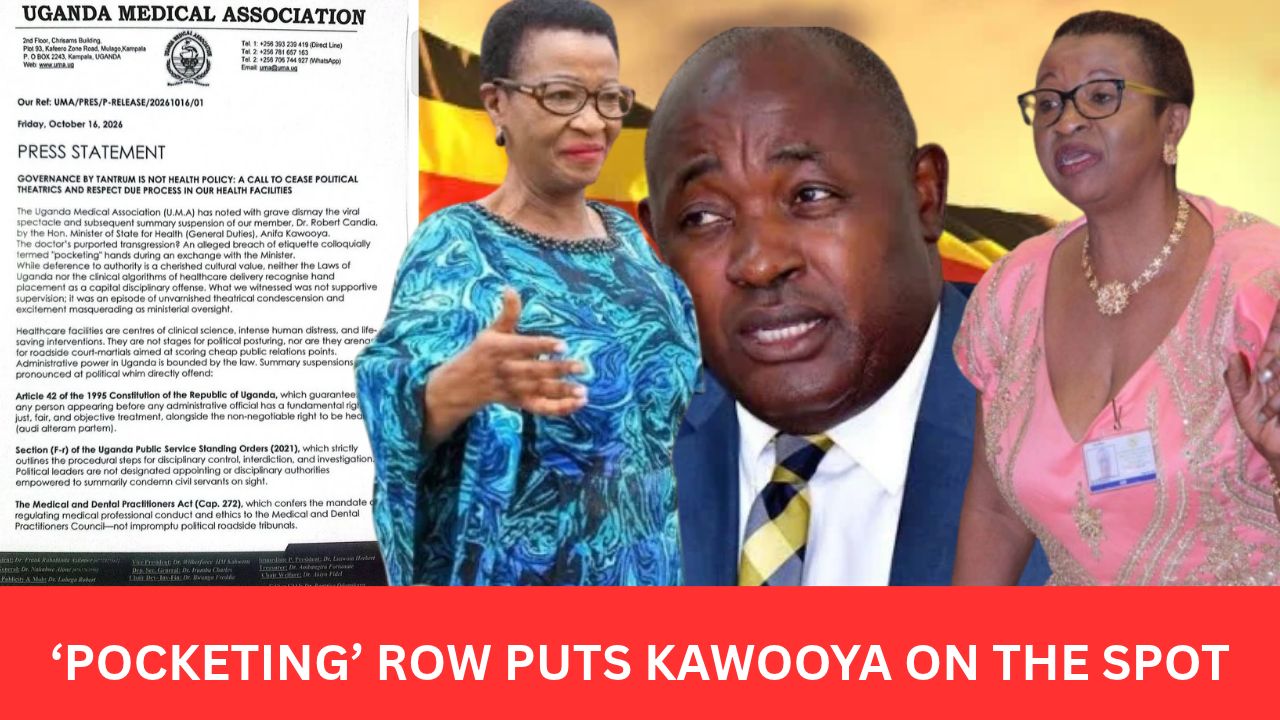 FeaturedOctober 16, 2026KAWOOYA UNDER FIRE AS MINISTRY DENIES DR CANDIA SUSPENSION: Health Ministry Says Arua Doctor Remains In Office After Minister Reportedly Ordered Him To Hand Over For “Pocketing”
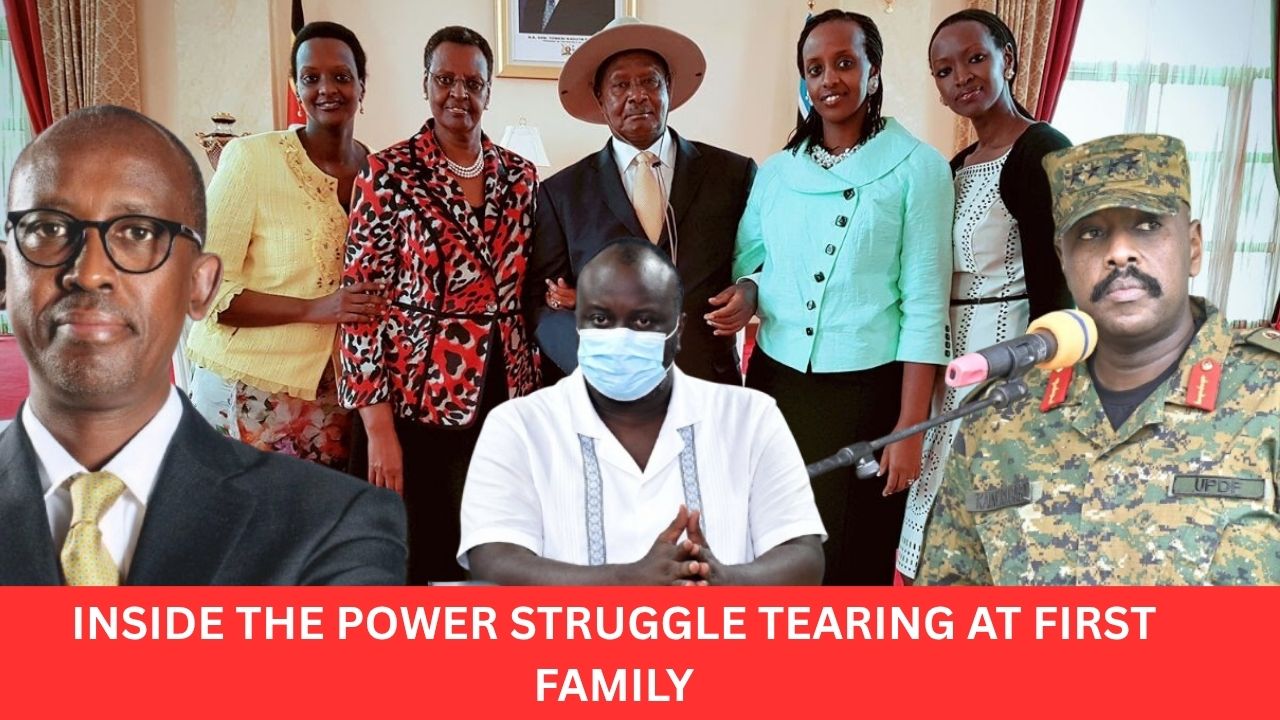 FeaturedOctober 14, 2026MATHEW BAGONZA BAIL DEAL DEALS A BLOW TO CDF GEN. MUHOOZI: Rwabwogo’s Camp Sees Relief After Weeks Of Confrontation, As Reported First Family Tensions Raise Questions About The CDF’s Fight With His Brother-In-Law
 FeaturedOctober 14, 2026GOVERNMENT TO CASH IN ON CHARCOAL TRADE: Government Plans To Formalise The Charcoal Business Through Trade Licences, Taxation And Strict Monitoring Of Producers And Dealers
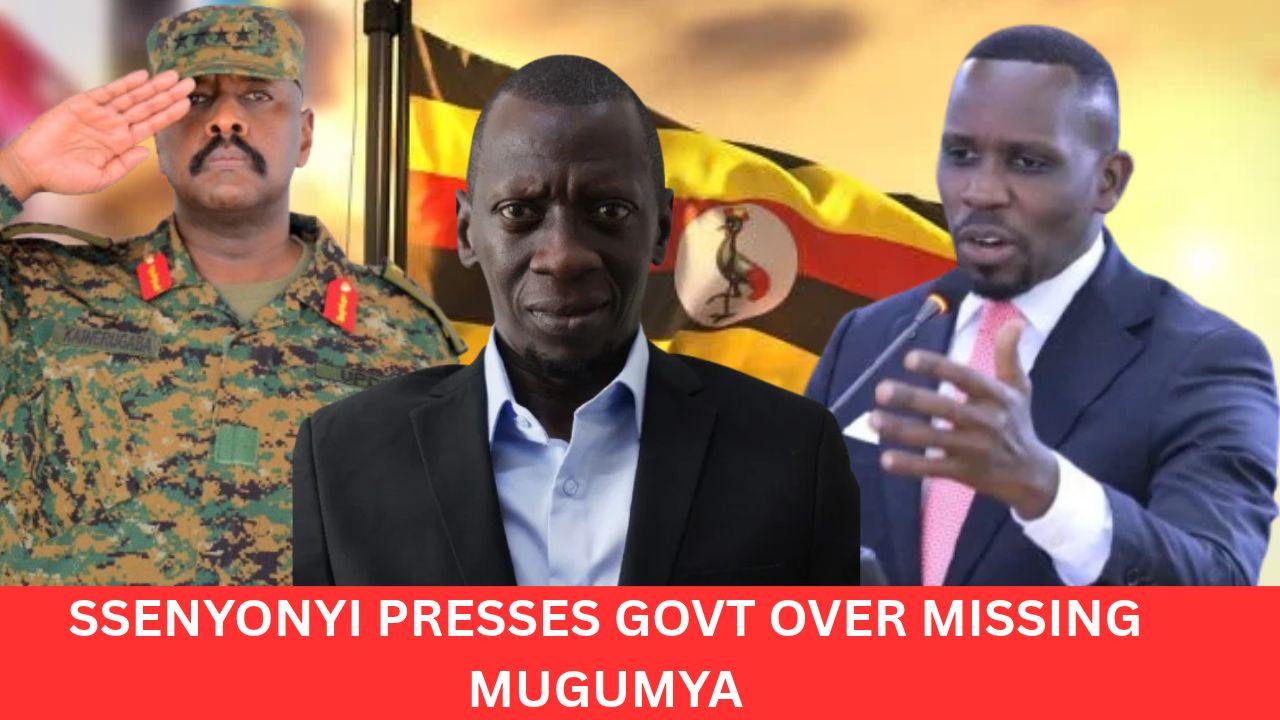 FeaturedOctober 13, 2026‘PRODUCE SAM MUGUMYA NOW’ — SSENYONYI: LoP Tells Parliament Families Of Missing Ugandans Deserve Answers, Freedom And Justice As He Challenges Government Over The Opposition Activist’s Fate