





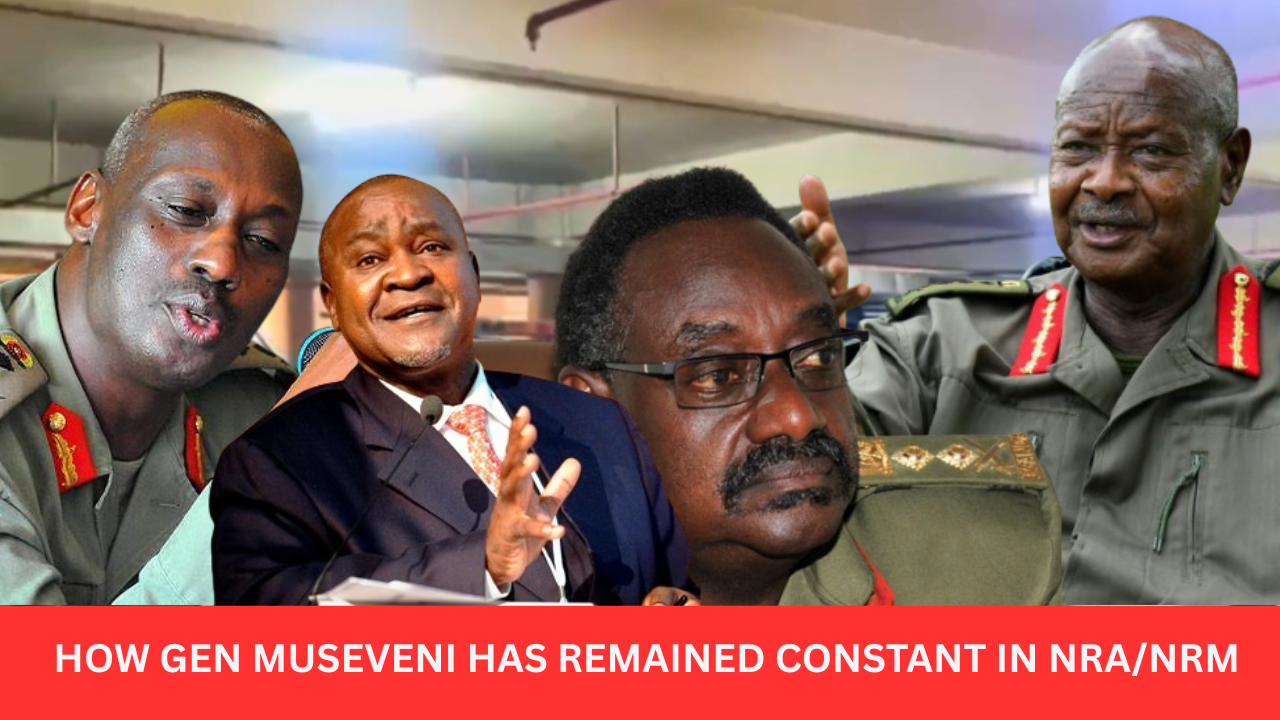
Since capturing power in 1986 through the National Resistance Army (NRA) guerrilla war, Gen Yoweri Kaguta Museveni the amiable son of Amos Kaguta has demonstrated an unmatched ability to outmaneuver, isolate, absorb, or politically destroy individuals once considered potential successors or centers of alternative power.
Over four decades, Museveni has transformed Uganda’s political and military establishment into a system revolving almost entirely around his personal authority. Those who fought beside him in the bush war, those who rose within the National Resistance Movement (NRM), and those who appeared to command independent national influence have repeatedly found themselves weakened, sidelined, disgraced, exiled, or politically extinguished.What emerges is a consistent pattern: Museveni elevates ambitious allies when useful, fragments their networks when they become too powerful, and ultimately ensures that no rival institution or personality grows strong enough to threaten his dominance.
The Bush War comrades who fell
Many of Museveni’s earliest and closest comrades from the NRA struggle eventually became casualties of the very revolution they helped build. Below is a microscopic analysis into each of those historicals who have gone AWOL.
Gen David Tinyefuza aka Sejusa
David Tinyefuza was once among the most feared military and intelligence figures in Uganda. As Coordinator of Intelligence Services, he belonged to Museveni’s innermost security circle.But Tinyefuza crossed a dangerous line in 2013 when he publicly warned about what he called the “Muhoozi Project” — an allegedsuccession plan intended to prepare Museveni’s son, Muhoozi Kainerugaba, for power.
The allegations shook the regime. Security agencies raided media houses that published the claims, including the Red Pepper and Daily Monitor. Tinyefuza fled into exile and was gradually stripped of influence. His fall illustrated a key rule within Museveni’s system: questioning succession is intolerable.Years later, Tinyefuza softened his stance and sought reconciliation with Museveni, a pattern common among former insiders who eventually recognise the futility of confronting the president directly.
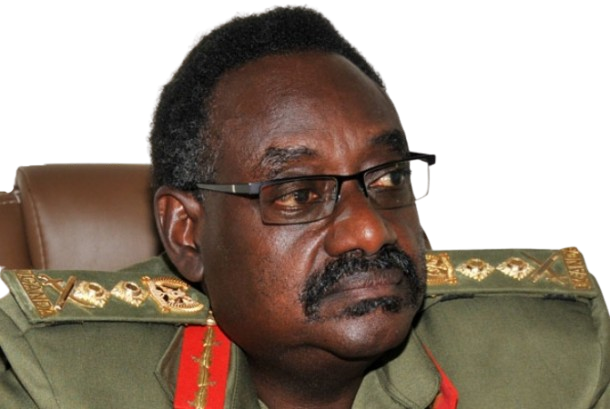
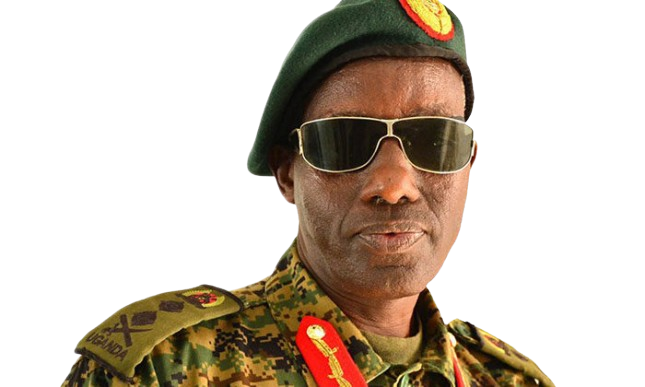
Gen Elly Tumwine
Elly Tumwine was one of the most iconic NRA historicals, famed for firing the first shot of the Bush War. For decades he remained influential within the military establishment and Cabinet.
Yet even Tumwine’s standing diminished over time. While he remained publicly loyal, his independent stature gradually faded as Museveni concentrated power around a younger military elite increasingly tied to Muhoozi Kainerugaba.Political analyst Charles Onyango-Obbo once remarked that Museveni’s system survives by ensuring “every powerful figure remains dependent on the president for survival.” That dependency became visible even among the most celebrated NRA veterans.
The Parliamentary Titans Neutralised
Museveni’s mastery has not been limited to the military. Parliament too has repeatedly produced figures who appeared nationally powerful — only to be politically eclipsed.
James Wapakhabulo
James Wapakhabulo emerged in the 1990s as an articulate and charismatic national figure. As Speaker of Parliament, he projected independence and institutional authority.
But his growing stature coincided with increasing tension with the executive. Eventually he was moved out of Parliament into diplomatic assignments, effectively removing him from Uganda’s political frontline.
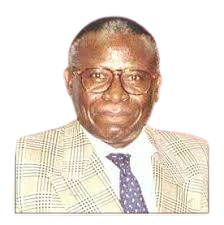
Francis Ayume
Francis Ayume similarly rose as a respected legal and political figure. Yet like Wapakhabulo, his influence never evolved into a durable independent political bloc capable of challenging State House. Museveni repeatedly used redeployments, patronage, controlled promotions, and strategic isolation to prevent parliamentary leaders from becoming autonomous national actors.The institutional lesson became clear: Parliament could exist, but never as an equal center of power.
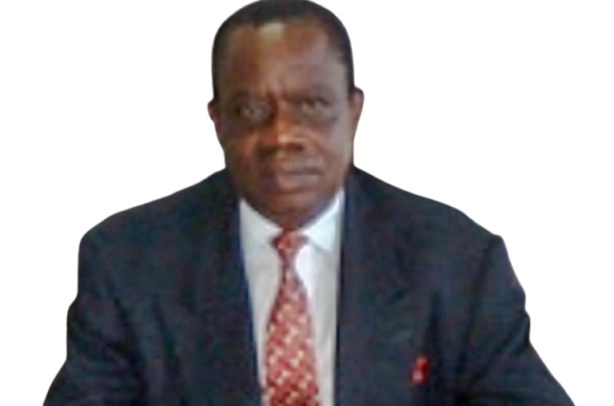
The Rise and Fall of Gilbert Bukenya
Perhaps no civilian politician better illustrates Museveni’s ability to manufacture and dismantle political stars than Gilbert Bukenya.As Vice President, Bukenya cultivated a populist image and increasingly appeared to harbour presidential ambitions. His national visibility, particularly in Buganda, gave him growing independent appeal.For a time, Museveni tolerated and even encouraged Bukenya’s rise. But once speculation about succession intensified, pressure mounted against him through corruption investigations and political marginalisation.Bukenya eventually lost the vice presidency, his influence within the NRM declined sharply, and his presidential aspirations faded. Former allies later observed that Museveni often allows ambitious figures to rise just high enough to expose themselves before cutting them down.
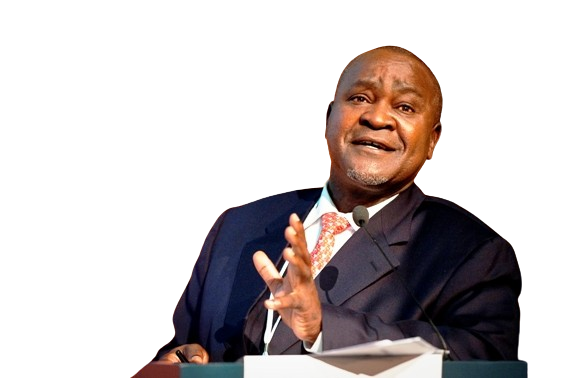
The Military Men Who Became Too Powerful
The Ugandan military has always been the backbone of Museveni’s rule. Yet it has also been the arena where potential rivals are most carefully managed.
Gen James Kazini
James Kazini once commanded enormous influence as UPDF commander during Uganda’s military interventions in the Congo. But Kazini’s rapid rise created unease. He later faced corruption accusations, military court proceedings, and political isolation before his violent death in 2009.
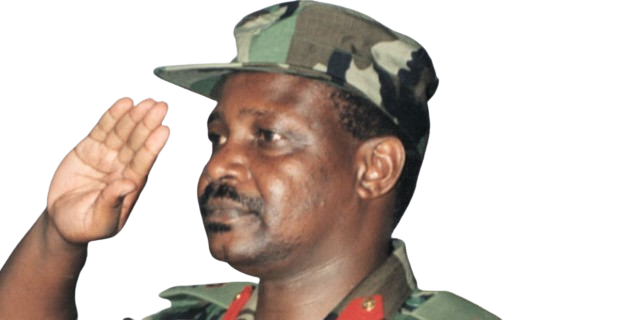
Brig Noble Mayombo
Brig Noble Mayombo was regarded as one of the brightest strategists of the NRA generation — intelligent, connected, and politically sophisticated.Many observers quietly viewed him as presidential material. But despite holding influential positions, he never accumulated enough independent power to challenge Museveni directly. His death in 2007 ended speculation about his long-term political future.
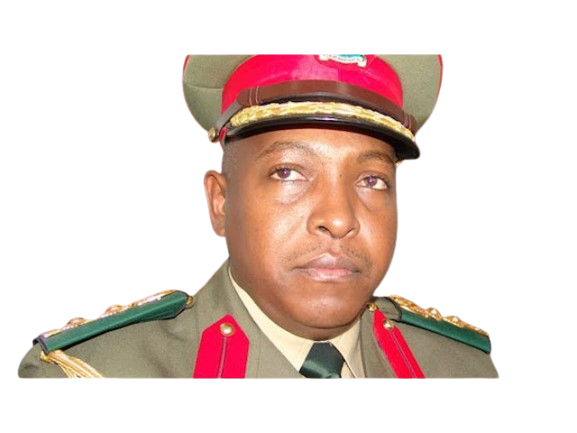
Gen Aronda Nyakairima
Gen Aronda Nyakairima represented another formidable military figure. Disciplined, respected, and widely admired within state structures, Gen Aronda appeared to embody institutional professionalism.Yet even Gen Aronda’s transition from military command into civilian politics remained tightly controlled within Museveni’s orbit. His sudden death in 2015 removed another figure sometimes discussed as a stabilising future leader.In each case, powerful officers either died, were disgraced, retired quietly, or remained permanently subordinate to Museveni’s authority.
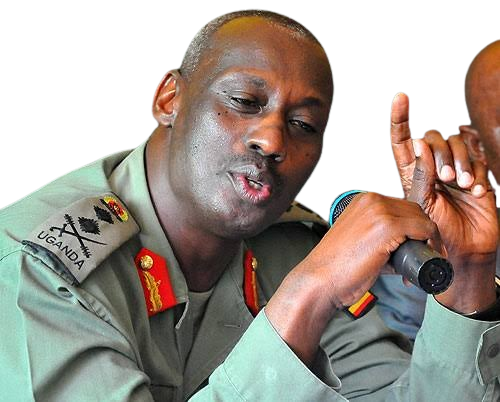
The Neutralisation of Amama Mbabazi
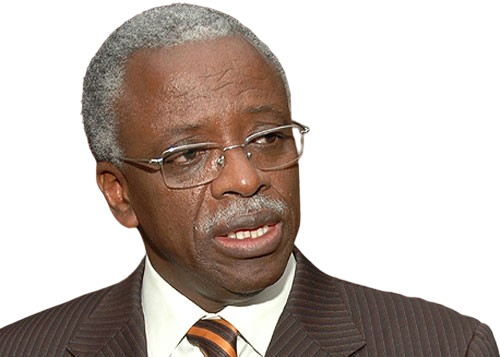
If any civilian insider appeared capable of mounting a serious internal challenge to Museveni, it was Amama Mbabazi aka Super Minister aka Karyaburu. A historical member of the NRA, former intelligence chief, Attorney General, Secretary General of the NRM, and Prime Minister, Mbabazi accumulated immense influence over decades. By 2014, many within the ruling establishment believed he was positioning himself for succession.
Museveni Responded Decisively
Mbabazi was first removed as Prime Minister, later pushed out as NRM Secretary General, and eventually isolated politically before launching an unsuccessful presidential challenge in 2016.The dismantling of Mbabazi’s network was systematic and ruthless. Cadres aligned with him were purged or intimidated, while state machinery closed ranks around Museveni.His defeat reinforced the message that no internal challenger could outmaneuver the president inside the system he personally designed.
Anita Among and the New Generation
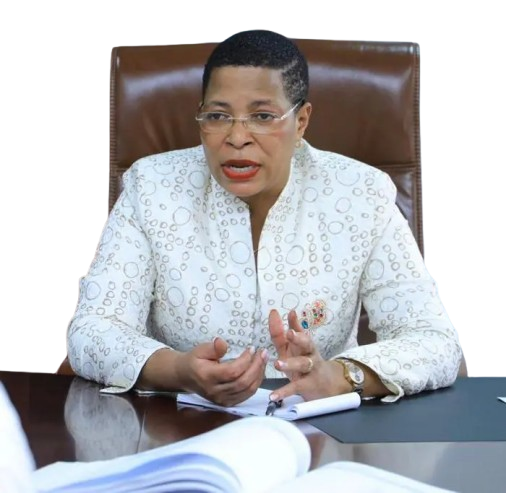
The latest example of this cycle may be Anita Annet Among. Among rose rapidly to become one of the most powerful civilian figures in Uganda, controlling Parliament, patronage networks, and significant political influence.But as her visibility expanded, tensions reportedly emerged within elite circles surrounding succession, corruption scandals, and power balancing inside the NRM.Her recent political difficulties have fueled speculation that Museveni is once again recalibrating the system to prevent any civilian figure from becoming too dominant.Throughout his presidency, Museveni has shown deep suspicion toward strong independent centers of authority — whether military, parliamentary, or civilian.
Museveni as The Sole CONSTANT
In several editorial meetings at the Mighty Red Pepper, our Editor-in-Chief, comrade Richard Tusiime, often reminded us — from editors and middle managers to junior staff — that only he and four others (Arinaitwe Rugyendo, James Mujuni, Patrick Mugumya and Johnson Musinguzi) were the true constants within the company. At any given moment, he asserted, he possessed the absolute power to eject any one of us from the establishment.That philosophy mirrors the central reality of Uganda’s post-1986 political history. Ministers, generals, speakers of parliament, vice presidents, and prime ministers may rise and fall, but President Yoweri Museveni has remained the permanent center — the constant.Former army commander Mugisha Muntu once argued that Uganda’s unresolved transition question remains the country’s greatest political vulnerability. Even within the NRM, succession discussions are often treated as politically dangerous.
The recurring “Muhoozi Project” debate reflects that unresolved tension. Gen David Tinyefuza’s warnings about a possible hereditary transition transformed him from a trusted insider into an outcast of the establishment.Today, however, Muhoozi’s growing military and political influence appears undeniable. International observers increasingly view him as Museveni’s most likely successor.Reuters recently reported that Muhoozi has steadily consolidated influence within the military while critics inside the establishment have been sidelined.
The Wall Street Journal similarly described him as the centerpiece of Uganda’s uncertain succession politics.Ironically, the possibility once dismissed as conspiracy theory by regime loyalists now appears increasingly plausible.
Summary
From Tinyefuza to Mbabazi, from Bukenya to Kazini, from Wapakhabulo to Among, Uganda’s political history under Museveni reveals a recurring doctrine of power preservation.Museveni’s greatest political skill has not merely been winning elections or commanding the military. It has been preventing the emergence of any rival strong enough to replace him.Through patronage, intelligence control, military restructuring, selective promotions, legal pressure, political isolation, and strategic humiliation, he has repeatedly dismantled potential successors before they could mature into genuine alternatives.
In the end, Museveni may have achieved something few African leaders have managed for so long: building a political order in which nearly every major figure depends on him — and where even discussions about succession ultimately revolve around his own family.
Watch this space
Author Profile
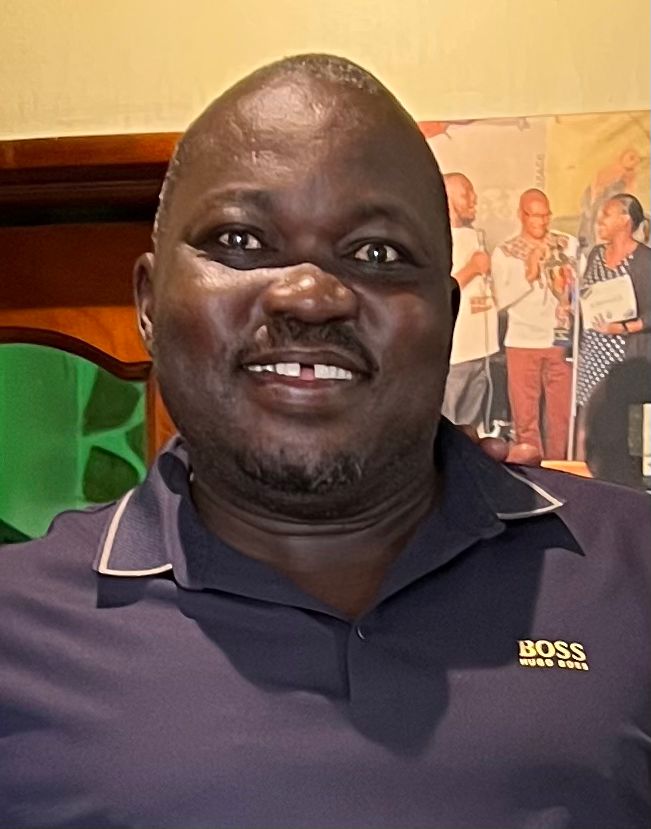
- Charles Gazza Kodili is a seasoned journalist with over 20 years of experience in the media industry. He holds a Bachelor of Arts degree in Mass Communication. He’s currently the Chief Editor at the Investigator.
Charles can also be reached via; Tel: +256 774 108978
Email: [email protected]
Latest entries
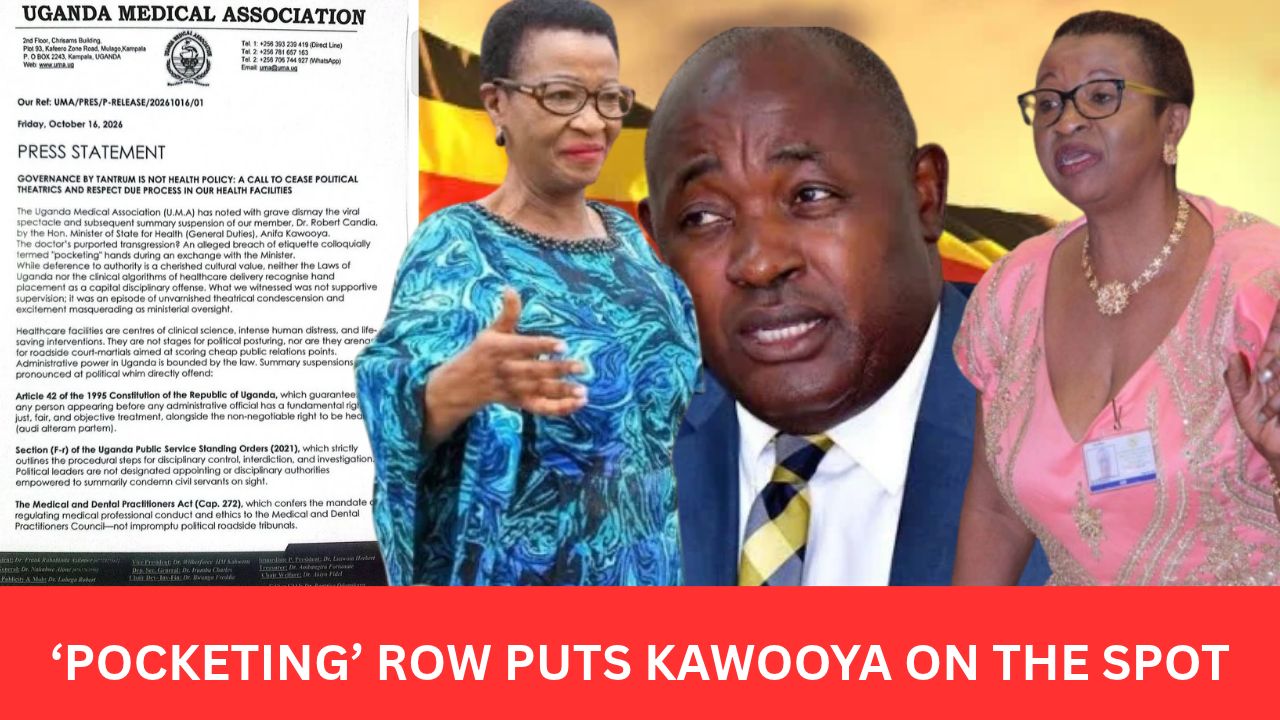 FeaturedOctober 16, 2026KAWOOYA UNDER FIRE AS MINISTRY DENIES DR CANDIA SUSPENSION: Health Ministry Says Arua Doctor Remains In Office After Minister Reportedly Ordered Him To Hand Over For “Pocketing”
 FeaturedOctober 14, 2026MATHEW BAGONZA BAIL DEAL DEALS A BLOW TO CDF GEN. MUHOOZI: Rwabwogo’s Camp Sees Relief After Weeks Of Confrontation, As Reported First Family Tensions Raise Questions About The CDF’s Fight With His Brother-In-Law
 FeaturedOctober 14, 2026GOVERNMENT TO CASH IN ON CHARCOAL TRADE: Government Plans To Formalise The Charcoal Business Through Trade Licences, Taxation And Strict Monitoring Of Producers And Dealers
 FeaturedOctober 13, 2026‘PRODUCE SAM MUGUMYA NOW’ — SSENYONYI: LoP Tells Parliament Families Of Missing Ugandans Deserve Answers, Freedom And Justice As He Challenges Government Over The Opposition Activist’s Fate