















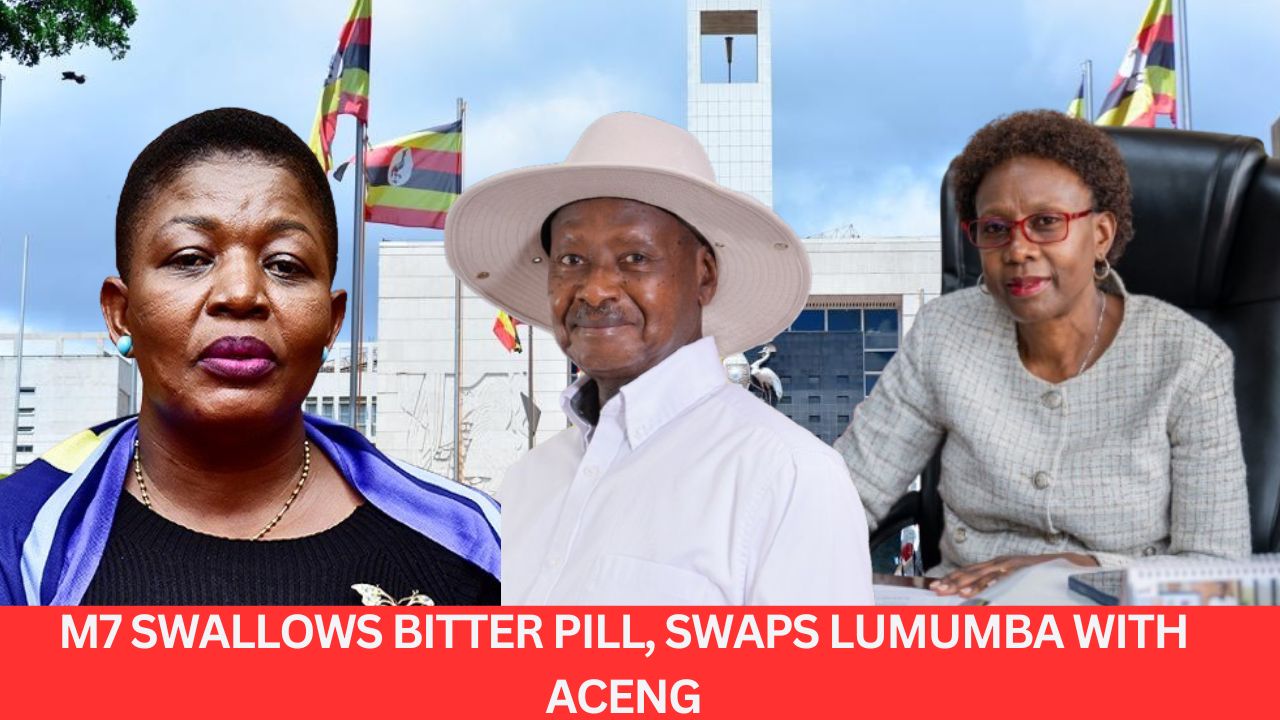
The recent appointment and subsequent replacement of Hon. Justine Kasule Lumumba as Government Chief Whip has sparked intense political debate across Uganda. Political analysts, constitutional experts, and opposition voices are now questioning how such a controversial appointment could have passed through the highest offices of government without proper legal scrutiny.At the center of the controversy is a simple but fundamental legal question: How could President Yoweri Kaguta Museveni appoint a person who is not a Member of Parliament to the position of Government Chief Whip when parliamentary rules clearly require the office holder to be an elected MP representing the ruling party?The issue has exposed what many observers describe as a worrying gap in legal guidance within government, particularly from the Attorney General’s chambers, whose constitutional duty includes advising the President on legal matters.
Under Uganda’s Rules of Procedure of Parliament, Rule 16(1)(a) explicitly states that there shall be: “a Government Chief Whip appointed by Government from among the Members of Parliament representing the ruling party.”The wording leaves little room for interpretation. To qualify for the position, one must first be a Member of Parliament and secondly belong to the ruling party. Hon. Justine Kasule Lumumba, despite her long political career and previous influence within the National Resistance Movement (NRM), currently does not hold an elective parliamentary seat.This legal contradiction immediately raised eyebrows among political commentators and constitutional scholars. Critics wondered whether the appointment was simply an oversight or whether it reflected a deeper culture of political expediency overriding constitutional procedure.Political analyst Nkonge Charles Tesigulwa has openly questioned why a government with a fully operational Attorney General’s office could fail to advise the President correctly on what he described as “such a simple legal matter.” According to Tesigulwa, the mistake reflects either negligence or a growing tendency within government institutions to avoid challenging politically motivated decisions.
The controversy deepened after Dr. Jane Ruth Aceng was abruptly redeployed as Government Chief Whip only two days after she had been appointed to the Information and Communication Technology docket. Her appointment effectively reversed Lumumba’s controversial posting, suggesting that State House may have realized the legal and political implications too late.Human rights lawyer and governance advocate Dr. Sarah Bireete also pointed out that the position of Government Chief Whip is legally restricted to sitting Members of Parliament. Her observations amplified public scrutiny and reignited debate about whether constitutionalism is still being respected within top government appointments.For many Ugandans, the issue is not merely about one appointment. It reflects broader concerns about governance, institutional competence, and the quality of advice reaching the President.Over the years, President Museveni has built a reputation for making sudden cabinet reshuffles and strategic political appointments. Supporters argue that his experience allows him to identify loyal cadres capable of maintaining political stability. However, critics say many appointments increasingly appear arbitrary, driven more by political loyalty than competence or constitutional suitability.
Political commentator Ronald Amanyire argued that Hon. Justine Kasule Lumumba’s appointment appeared designed to signal that she had not been pushed out of government entirely. According to him, the move looked more like a political consolation than a carefully considered institutional assignment.Amanyire’s criticism goes beyond Lumumba herself. He argues that the larger problem lies in how ministerial and leadership appointments are made within government.“The deeper issue is whether the President and those who advise him genuinely evaluate a minister’s capacity to lead a specific sector,” he noted.His remarks reflect a growing frustration among sections of the public who believe some government postings no longer prioritize expertise, functionality, or suitability for office. Instead, appointments are often viewed as political balancing acts aimed at rewarding loyalty, maintaining regional representation, or managing internal party dynamics.The appointment of Dr. Jane Ruth Aceng as Government Chief Whip has also generated mixed reactions. While Dr. Aceng is widely respected for her professional background and leadership in the health sector, especially during Uganda’s response to the COVID-19 pandemic, some analysts question whether her strengths align with the political demands of the Chief Whip role.
The Government Chief Whip is not merely a ceremonial position. The office is central to managing parliamentary business, mobilizing ruling party MPs, coordinating legislative priorities, and ensuring party discipline in Parliament. It requires intense political negotiation skills, grassroots parliamentary connections, and constant engagement with legislators.Critics argue that Dr. Aceng, despite her brilliance in public health administration, may not naturally fit into the aggressive political environment associated with parliamentary mobilization.Others, however, defend her appointment, arguing that capable leaders can adapt to different assignments and that government leadership often requires flexibility across sectors.Still, the abrupt reshuffle has left many unanswered questions. Was Lumumba’s appointment genuinely a legal oversight? Did the Attorney General’s office fail in its advisory role? Or was the appointment initially intended as a temporary political arrangement before public backlash forced a correction?Some observers believe the incident reveals deeper weaknesses within Uganda’s governance structures. They argue that legal institutions may increasingly hesitate to challenge decisions originating from the presidency, even when constitutional inconsistencies are obvious.
This perception, whether accurate or not, can significantly damage public confidence in state institutions. When legal procedures appear secondary to political convenience, citizens begin questioning whether constitutional safeguards are being applied equally and consistently.The incident also underscores the growing tension between political loyalty and institutional professionalism in Uganda’s governance system. As the country approaches future political transitions, such controversies are likely to intensify public debate about accountability, constitutionalism, and the independence of advisory institutions.For President Museveni, the controversy may appear minor in the broader context of national politics. However, repeated procedural controversies risk reinforcing the image of a government increasingly disconnected from its own legal framework.For the Attorney General’s office, the episode presents a serious reputational challenge. The office exists precisely to prevent such constitutional embarrassments. If clear legal requirements can be overlooked in high-profile appointments, critics argue, what confidence can citizens have in the broader enforcement of constitutional standards?Ultimately, the Lumumba appointment saga has become more than a technical legal dispute. It has evolved into a symbol of the broader governance questions facing Uganda today — questions about competence, institutional independence, political patronage, and respect for the rule of law.Whether government officials will openly address these concerns remains uncertain. But one thing is clear: the controversy has reignited an important national conversation about how Uganda is governed and whether constitutional principles still hold firm at the highest levels of power.
Author Profile

- Charles Gazza Kodili is a seasoned journalist with over 20 years of experience in the media industry. He holds a Bachelor of Arts degree in Mass Communication. He’s currently the Chief Editor at the Investigator.
Charles can also be reached via; Tel: +256 774 108978
Email: [email protected]
Latest entries
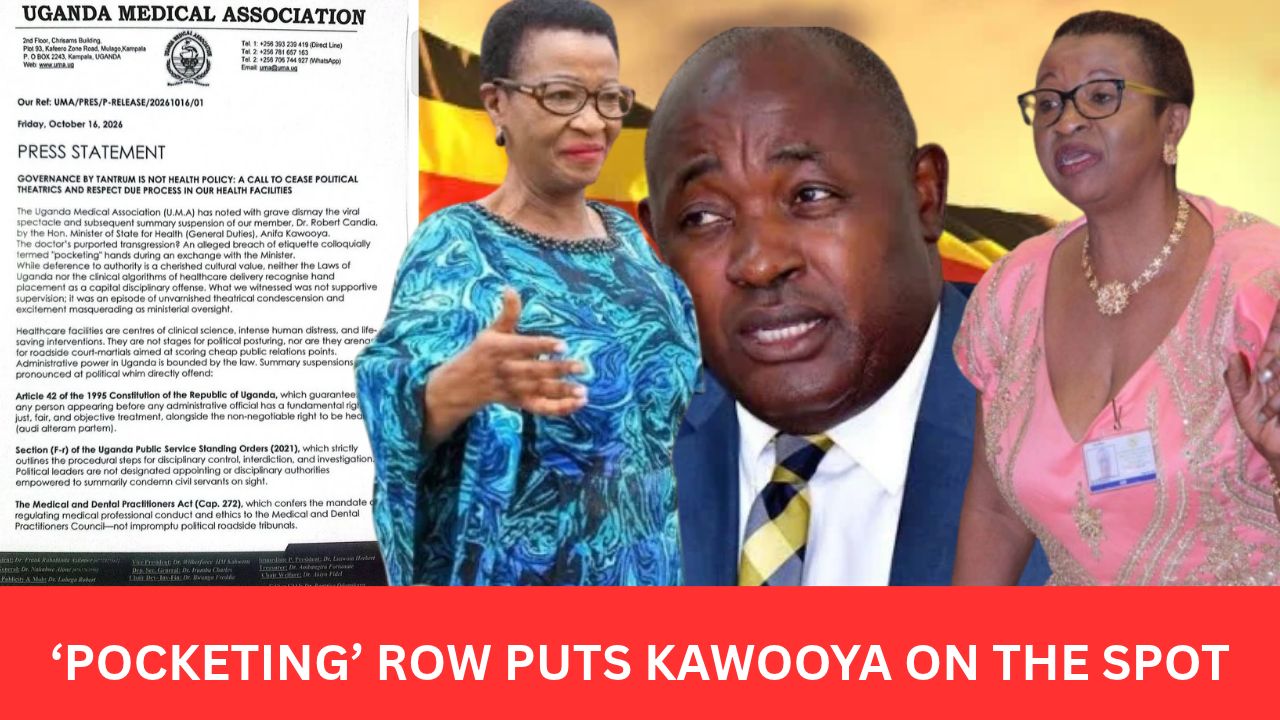 FeaturedOctober 16, 2026KAWOOYA UNDER FIRE AS MINISTRY DENIES DR CANDIA SUSPENSION: Health Ministry Says Arua Doctor Remains In Office After Minister Reportedly Ordered Him To Hand Over For “Pocketing”
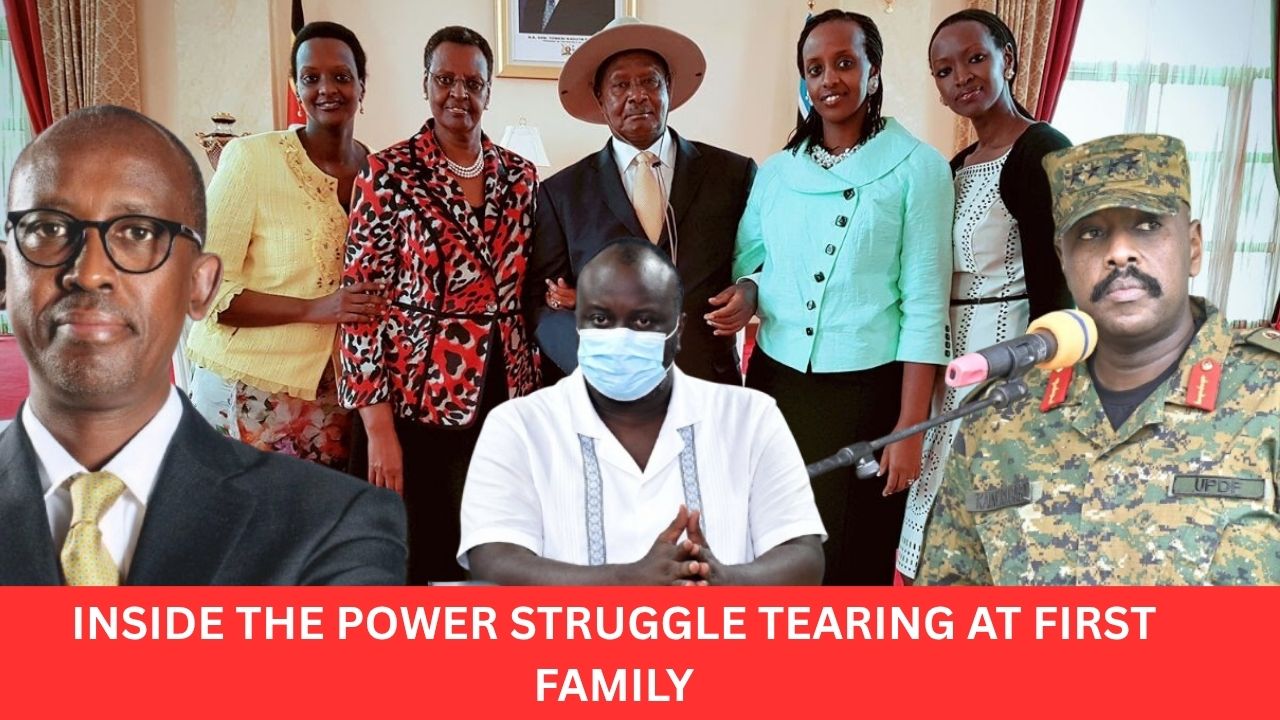 FeaturedOctober 14, 2026MATHEW BAGONZA BAIL DEAL DEALS A BLOW TO CDF GEN. MUHOOZI: Rwabwogo’s Camp Sees Relief After Weeks Of Confrontation, As Reported First Family Tensions Raise Questions About The CDF’s Fight With His Brother-In-Law
 FeaturedOctober 14, 2026GOVERNMENT TO CASH IN ON CHARCOAL TRADE: Government Plans To Formalise The Charcoal Business Through Trade Licences, Taxation And Strict Monitoring Of Producers And Dealers
 FeaturedOctober 13, 2026‘PRODUCE SAM MUGUMYA NOW’ — SSENYONYI: LoP Tells Parliament Families Of Missing Ugandans Deserve Answers, Freedom And Justice As He Challenges Government Over The Opposition Activist’s Fate