
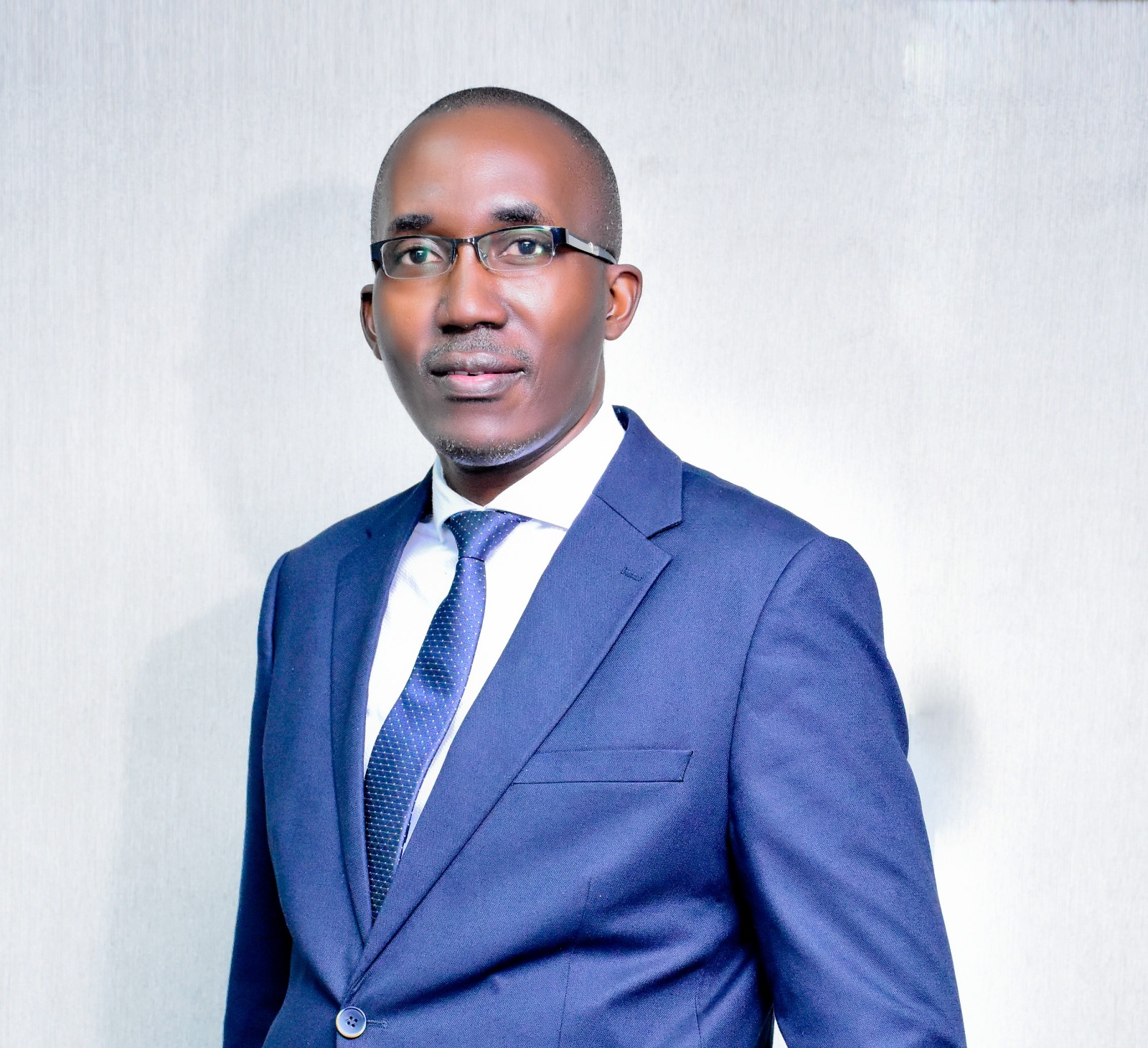






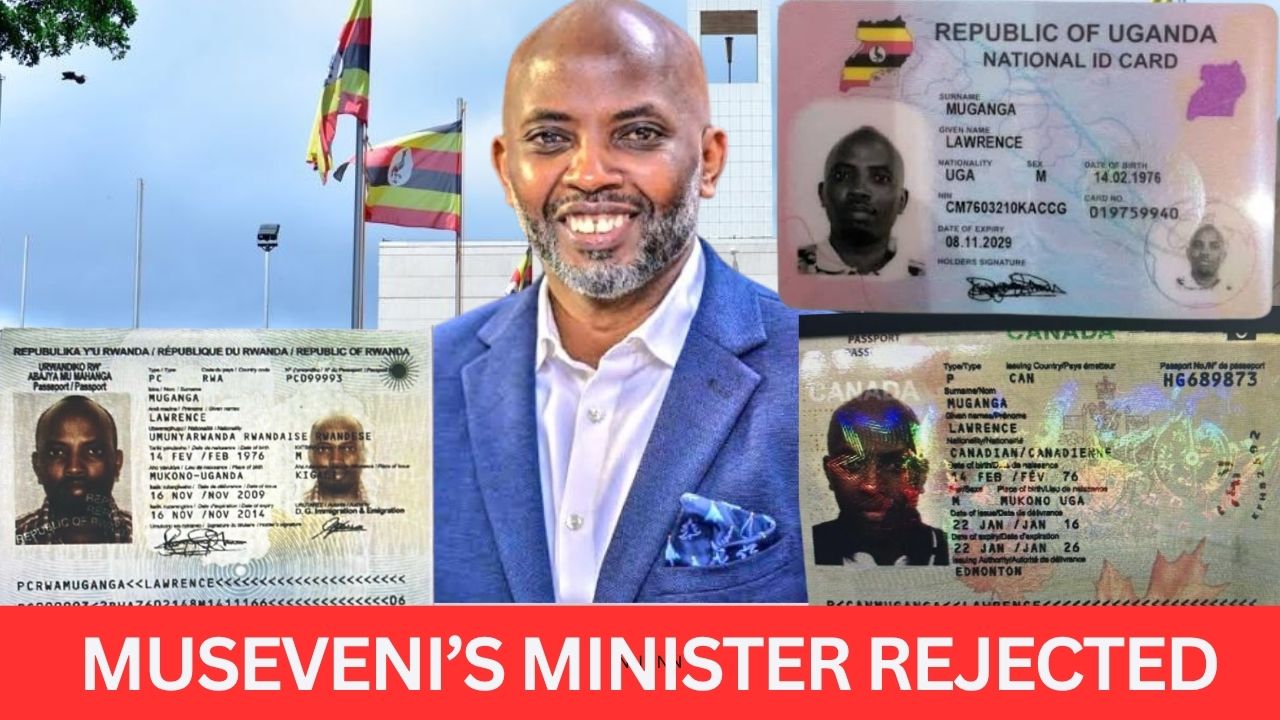
President Yoweri Museveni’s surprise appointment of educationist and university administrator Dr. Lawrence Muganga as State Minister for Internal Affairs has dramatically collapsed after Parliament rejected his nomination over questions surrounding his citizenship status.The rejection has sent shockwaves through political and academic circles, ending what many had viewed as a meteoric rise from academia to the country’s top political ranks.
Dr. Muganga, the Vice Chancellor of Victoria University Kampala, was among a list of cabinet nominees submitted by President Museveni for vetting by Parliament’s Appointments Committee. However, his journey to Cabinet hit a legal brick wall after legislators established that he had previously held Canadian citizenship in addition to his Ugandan citizenship.The development has reignited debate about Uganda’s dual citizenship laws and whether successful Ugandans in the diaspora are being unfairly locked out of some of the country’s most influential public offices.
How The Drama Unfolded
Sources close to the Appointments Committee revealed that questions regarding Dr. Muganga’s citizenship status emerged during the vetting process.Although Muganga openly admitted that he previously possessed both Ugandan and Canadian citizenship, lawmakers reportedly concluded that his appointment to the sensitive Internal Affairs docket would be inconsistent with Uganda’s citizenship laws.The Ministry of Internal Affairs oversees immigration, citizenship matters, national identification, border management and several security-related functions, making it one of the country’s most sensitive government departments.
Following deliberations, the committee declined to approve his appointment and returned his name to the appointing authority.Addressing Parliament, Deputy Speaker Thomas Tayebwa confirmed that most of the President’s nominees had successfully passed vetting, but one of the nominees had failed to secure approval.”Before I came here, I definitely had two citizenships—that’s the Ugandan citizenship and the Canadian citizenship,” Muganga had earlier explained while defending his record.He added that many Ugandans leave the country in search of opportunities abroad and later acquire foreign citizenship without losing their love for Uganda. “I am Ugandan. Uganda is my country,” he said.
The Law That Stopped Him
At the centre of the controversy is the Uganda Citizenship and Immigration Control Act of 2009.While the law permits Ugandans to acquire dual citizenship, it also places restrictions on holders of dual nationality from occupying certain sensitive public offices.Legal experts point to Section 19D and the Fifth Schedule of the Act, which identify offices considered critical to national security and sovereignty.Parliament reportedly concluded that the office of State Minister for Internal Affairs falls within the category of positions that require exclusive allegiance to Uganda.This legal interpretation effectively rendered Muganga ineligible despite his impressive professional credentials.Political observers say the decision demonstrates Parliament’s willingness to enforce statutory requirements regardless of an individual’s popularity or qualifications.
Tayebwa Defends The Decision
Deputy Speaker Thomas Tayebwa defended the vetting process, insisting that Parliament was simply implementing existing laws.Sources within Parliament say committee members were unanimous that legal compliance had to take precedence over political considerations.”The law is very clear and Parliament must follow it,” a parliamentary source told this publication.Tayebwa reportedly informed legislators that 80 nominees had been cleared and returned to the President for appointment while a few cases remained pending due to procedural issues.The rejection of Muganga became the most talked-about outcome of the vetting exercise.
Opposition Weighs In
Leader of Opposition Joel Ssenyonyi is understood to have supported strict adherence to the law regardless of the nominee involved.Political analysts note that opposition legislators have consistently argued that legal requirements for public office should be applied equally to all candidates.Sources within Parliament indicate that opposition members of the committee insisted that making exceptions for politically connected individuals would set a dangerous precedent.For many legislators, the issue was not Muganga’s competence but whether the law allowed him to occupy the office he had been nominated for.
Sarah Birete Speaks Out
Anti-corruption activist Sarah Bireete said the controversy highlights the importance of conducting thorough background checks before appointments are announced.According to Bireete, appointing authorities should ensure that nominees satisfy all constitutional and statutory requirements before forwarding their names for vetting.She argued that Parliament’s role is to protect the integrity of public institutions and ensure that legal provisions are respected.Bireete also noted that the incident should spark broader discussions about whether Uganda’s laws governing dual citizenship and public office remain suitable for a modern globalized society.
From Classroom To Cabinet — And Back
For Dr. Muganga, the rejection marks a painful setback in what had been shaping into a remarkable political breakthrough.Widely known for his outspoken views on education reform, technology and innovation, Muganga has built a reputation as one of Uganda’s most visible academic leaders.Under his leadership, Victoria University has aggressively marketed itself as a modern institution focused on technology-driven learning and entrepreneurship.
Many young Ugandans view him as a symbol of professional success achieved through education and hard work.His appointment by President Museveni had therefore generated excitement among supporters who believed his experience in management and leadership would inject fresh ideas into government.However, critics questioned whether an academic administrator with no previous political experience was the right fit for the sensitive Internal Affairs portfolio.Those debates have now been overtaken by the citizenship controversy.
What Next For Muganga?
Political observers say the rejection does not necessarily mark the end of Muganga’s public service ambitions.Legal experts note that while certain offices remain restricted, there are other government positions that dual citizens may legally occupy.Some analysts believe President Museveni could consider him for another role that does not fall within the restricted category.Others argue that the episode may actually boost Muganga’s public profile by portraying him as a victim of technical legal barriers rather than political opposition. For now, however, his ministerial dream remains on hold.
A Lesson For Future Nominees
The rejection of Lawrence Muganga has become one of the biggest stories emerging from the latest cabinet vetting exercise.It serves as a reminder that while Uganda welcomes dual citizenship, the law still draws clear boundaries regarding who can occupy certain strategic offices.As Parliament continues to scrutinize presidential nominees, the message appears unmistakable: qualifications, popularity and presidential confidence alone are not enough.For anyone seeking to occupy sensitive state offices, compliance with citizenship requirements remains non-negotiable.And for Dr. Lawrence Muganga, a man who inspired many Ugandans through education and innovation, the road to Cabinet has been abruptly blocked by a legal provision many citizens barely knew existed until now.
A Lesson for Future Nominees
Meanwhile, the Patriotic League of Uganda (PLU) has dismissed claims circulating on social media that Muganga’s rejection was linked to his ethnic background or alleged anti-Rwandan sentiments within Parliament. PLU Secretary General Daudi Kabanda said the Appointments Committee’s decision was based entirely on citizenship-related concerns and not on Muganga’s identity as a Munyarwanda. Kabanda noted that several Ugandan leaders of Rwandan heritage, including Ministers Aisha Ssekindi and Diana Mutasingwa, have previously been vetted and approved by Parliament without controversy. According to Kabanda, committee investigations reportedly established that Muganga held Ugandan, Canadian and Rwandan passports despite denying possession of a Rwandan passport during the vetting process. “The claim that he was rejected because he is a Munyarwanda is false, misleading and dangerous,” Kabanda said, arguing that the controversy should be viewed as a matter of legal compliance rather than ethnicity. His remarks added a fresh dimension to the debate, reinforcing Parliament’s position that citizenship requirements for sensitive public offices remain a critical consideration regardless of a nominee’s professional achievements or background.
Author Profile
- Charles Gazza Kodili is a seasoned journalist with over 20 years of experience in the media industry. He holds a Bachelor of Arts degree in Mass Communication. He’s currently the Chief Editor at the Investigator.
Charles can also be reached via; Tel: +256 774 108978
Email: [email protected]
Latest entries
 FeaturedOctober 7, 2026DIGITAL NUMBER PLATE SCANDAL: No Feasibility Study. No Financial Clearance. No Proper Value-For-Money Assessment. Parliament Now Wants Answers Over Who Authorised The Troubled Digital Number Plate Venture
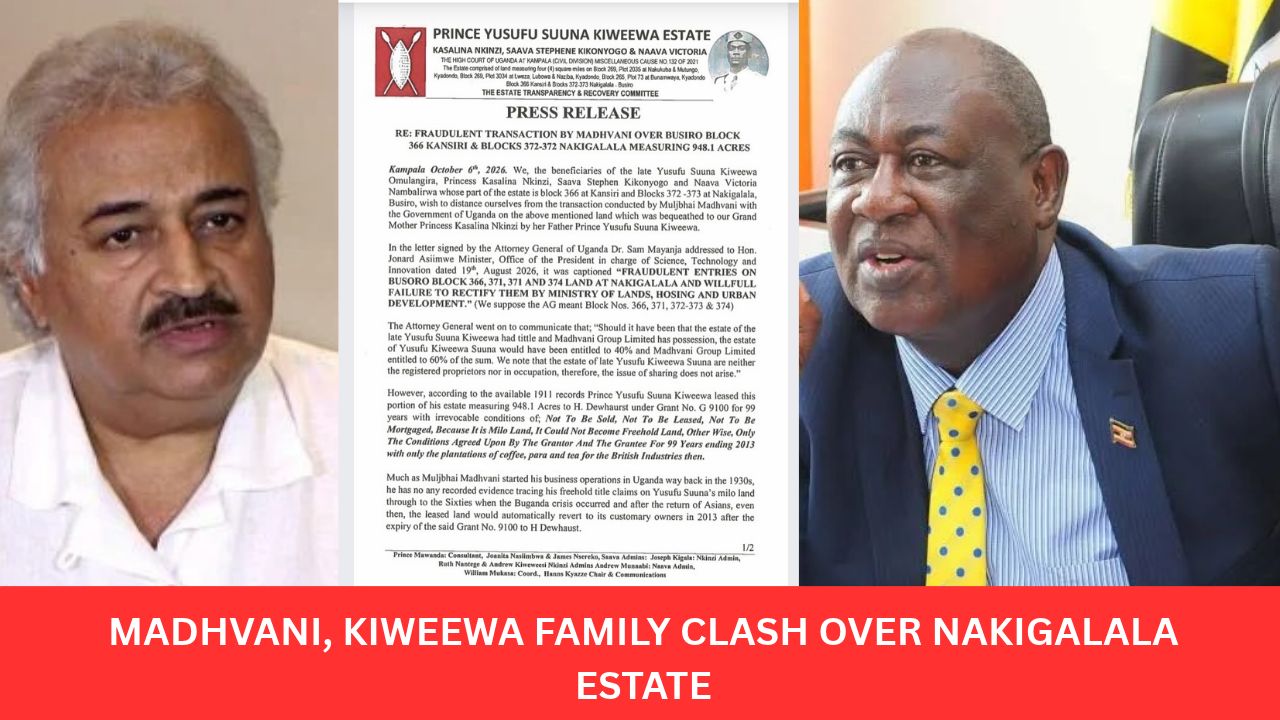 FeaturedOctober 7, 2026MADHVANI ON SPOT OVER A LAND BATTLE WITH PRINCE KIWEEWA FAMILY: Family Challenges UGX170b Government Deal, Says 948-Acre Estate Was Buganda `Milo Land` That Should Have Reverted To Customary Owners In 2013
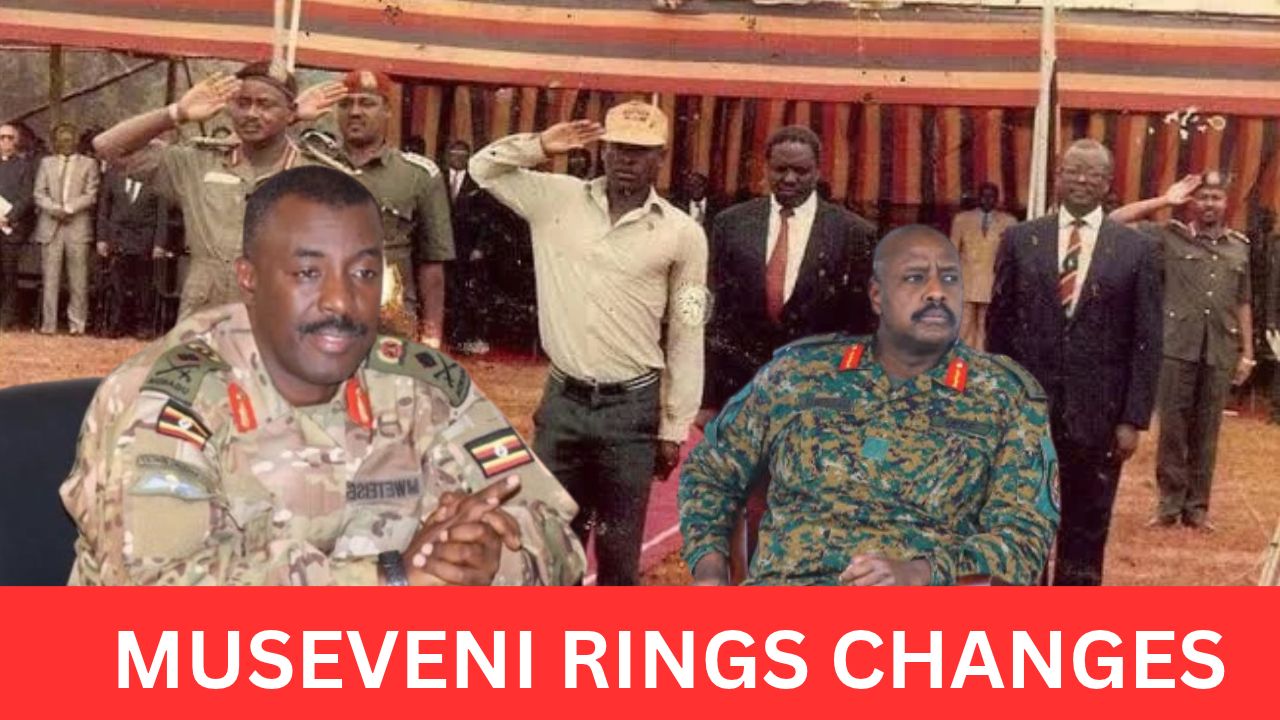 FeaturedOctober 6, 2026OF WHY IS MUSEVENI CHANGING HIS INNER SECURITY RING: Intelligence Alerts, Changing Threats and Presidential Discretion Behind Quiet Reshuffle of the Men and Women Closest to the Commander-in-Chief
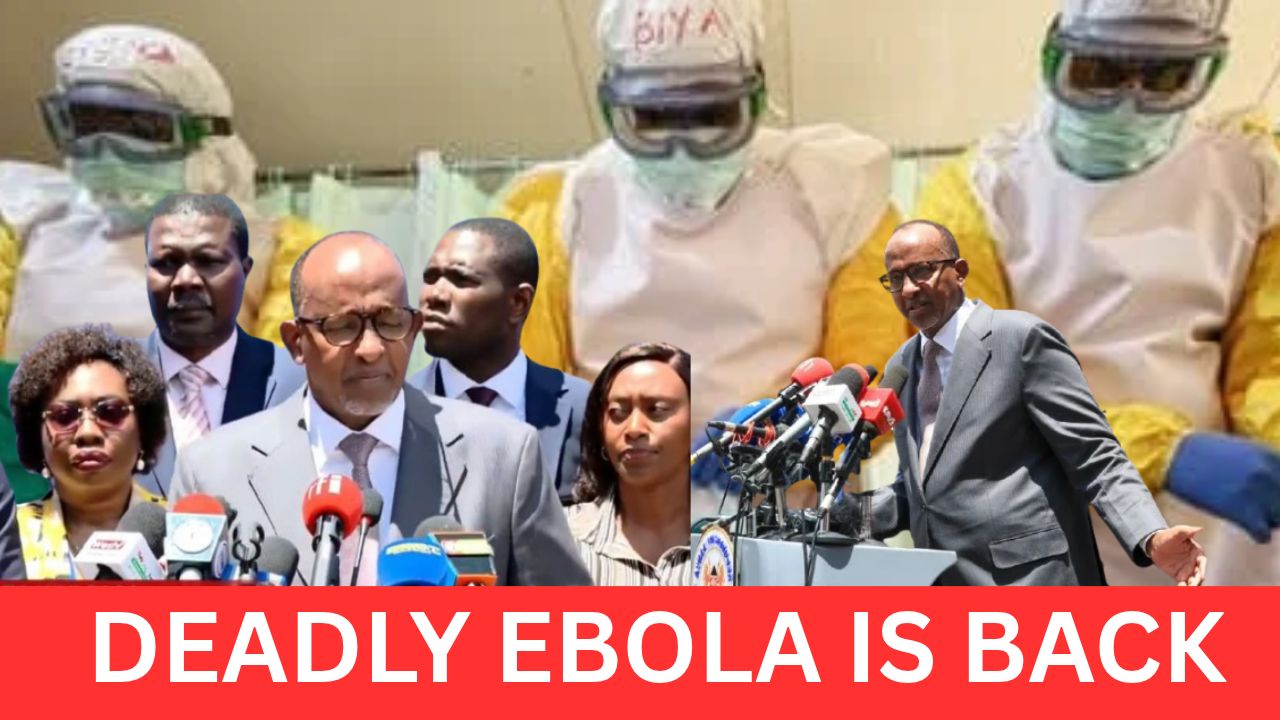 FeaturedOctober 6, 2026VIRUS CROSSES BORDERS: The Patient Travelled By Road From The DRC To Kampala Before Flying To Nairobi. Kenyan Authorities Are Tracing 28 Contacts And 23 Passengers And Crew, While Uganda Faces Renewed Scrutiny Despite Being Declared Ebola-Free By WHO