





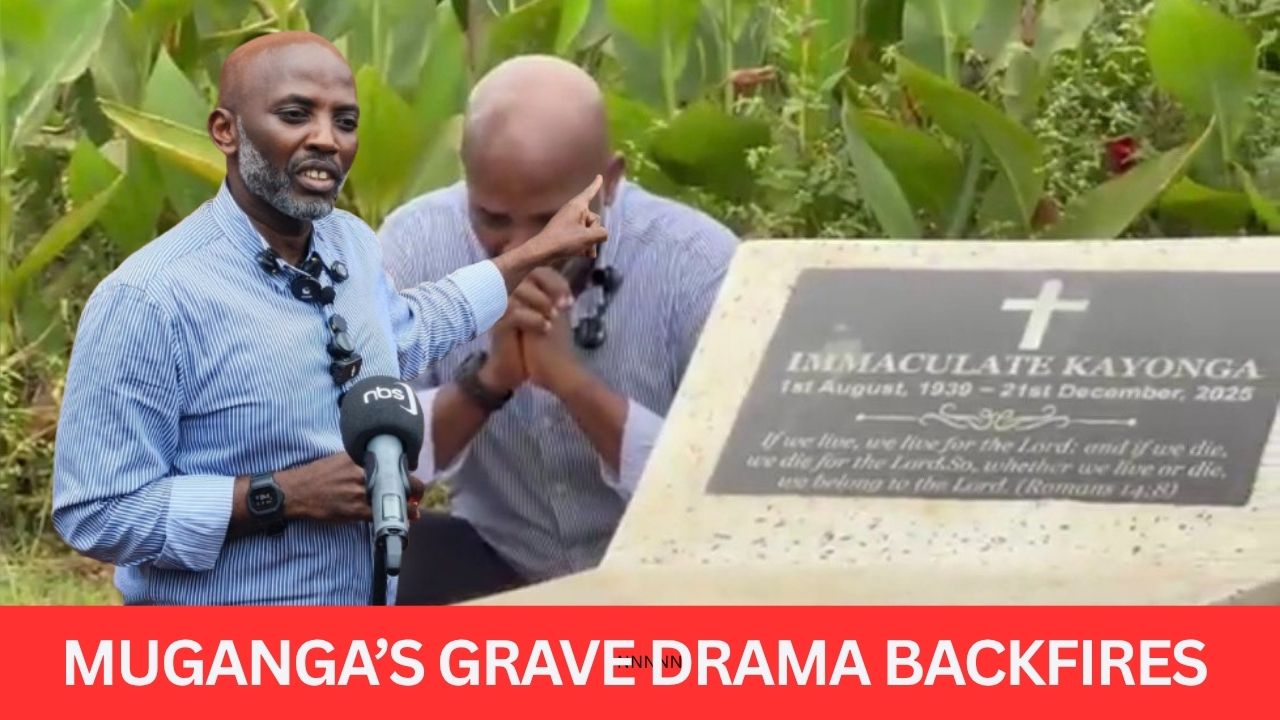
What was intended to be a powerful emotional display of patriotism has instead exploded into a fresh public relations nightmare for embattled educationist Dr. Lawrence Muganga.
In a dramatic move that shocked many Ugandans, the former ministerial nominee travelled to his ancestral home in Seeta, Mukono, accompanied by outspoken social commentator Frank Gashumba, bloggers, journalists and supporters in what appeared to be a carefully choreographed effort to convince the country that he is genuinely Ugandan.
But instead of generating sympathy, the emotional visit to his parents’ graves has triggered fierce backlash, with critics accusing Muganga of avoiding the real issue that cost him a ministerial appointment in the first place.The Victoria University Vice Chancellor recently suffered a major setback after Parliament’s Appointments Committee rejected his nomination for the influential position of State Minister for Internal Affairs. The rejection followed questions surrounding his citizenship status after reports emerged linking him to Ugandan, Canadian and Rwandan citizenship.
Sources familiar with the vetting process say committee members repeatedly sought evidence showing that any foreign citizenships had been legally renounced where required by law.While other nominees reportedly produced documentation demonstrating compliance with citizenship requirements, Muganga allegedly failed to satisfy lawmakers that his status met the legal threshold required for such a sensitive office.
GRAVES, CAMERAS AND EMOTIONS
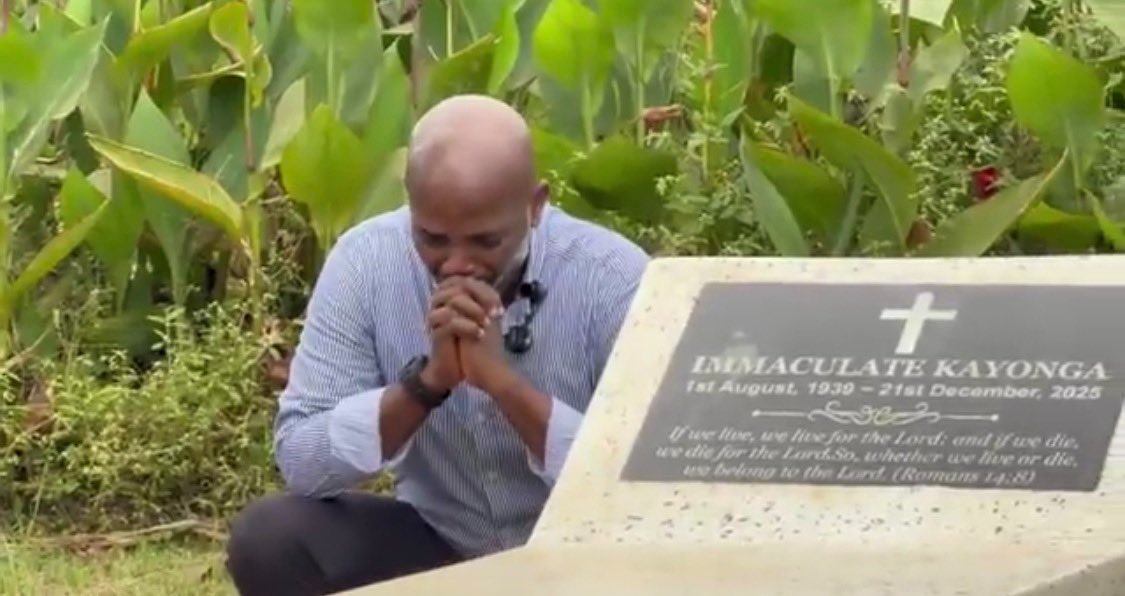
Facing growing criticism, Muganga appeared determined to prove his Ugandan roots. Enter Frank Gashumba. The outspoken activist reportedly mobilized bloggers, journalists and social media influencers to accompany Muganga to Mukono, where cameras captured emotional scenes as the academic visited the graves of his late parents.
Videos quickly flooded social media platforms. Supporters described the scenes as moving and emotional. Some viewers claimed Muganga became visibly emotional while paying tribute to his parents. For a brief moment, it appeared the strategy might soften public opinion. Then the backlash began.
“THAT WAS NEVER THE ISSUE!”
Almost immediately, critics questioned why a debate about citizenship law was suddenly being transformed into a discussion about ancestry, lineage and ethnicity.
Political analyst Hussein Kashillingi emerged among the strongest voices challenging Muganga’s approach. “Muganga is undermining a legitimate debate by framing it as discrimination against him as a Munyarwanda. That is not the issue,” Kashillingi argued.”The question is whether Uganda’s Constitution and laws permit a person with that citizenship history to hold certain offices, including that of Minister. That is the debate—not ethnicity.”
His comments resonated with many Ugandans who argued that nobody had questioned where Muganga’s parents were buried or whether he had family roots in Uganda. According to critics, Parliament simply wanted answers about citizenship documentation.Social commentator King Melvin was even harsher. “A whole PhD humiliating himself at his parents’ graves over a ministerial position in a dysfunctional country,” he wrote.”Nobody contested his Ugandanness. The issue is whether someone who currently holds allegiance to another country can sit at the table making decisions on immigration, citizenship and internal security.”
SARAH BIREETE: THIS IS POLITICS OF DESPERATION
Among the most influential interventions came from governance activist Sarah Bireete, who used the controversy to highlight what she described as Uganda’s growing culture of elite desperation for political appointments.
In a lengthy social media statement, Bireete argued that Uganda’s governance crisis is increasingly fueled by elites who remain silent about national problems in order to preserve their chances of securing government appointments.”The scramble for political appointments has turned large sections of the country’s elite into cautious spectators rather than principled voices,” she argued.
According to Bireete, political office has become so financially and socially rewarding that many professionals now view government appointments as more attractive than prestigious careers built over decades. She pointed directly to the Muganga controversy as an example of this wider problem.”This distortion explains why, for some elites, a junior political appointment can now appear more attractive than a prestigious academic position such as a vice chancellorship,” she wrote.
“For someone like Dr. Muganga, the calculus reflects a wider structural problem: politics now promises faster financial security and elite relevance than decades of professional excellence.”Her comments quickly spread across social media, generating intense debate. Some agreed that the fierce battle over a ministerial appointment reflected the enormous benefits attached to public office.Others defended Muganga, insisting his efforts were simply intended to correct public misconceptions about his identity.
LEGAL QUESTIONS OR EMOTIONAL SYMBOLISM?
Bireete was particularly critical of attempts to use ancestral history as evidence of citizenship.She argued that the debate had been diverted away from constitutional and statutory questions into emotionally charged symbolism. “References to parents’ graves, lineage and cultural belonging have been elevated as proof of citizenship, as though constitutional law were settled by sentiment,” she wrote. “The issue at hand is not emotional attachment to Uganda, nor cultural identity. It is whether the statutory requirements regarding dual citizenship have been complied with.”
Her remarks echoed sentiments expressed by many critics who insisted that graves, emotions and family history could not replace legal documentation.For them, the issue remains straightforward: whether Muganga complied with all citizenship requirements necessary for appointment to a sensitive government office.
SOCIAL MEDIA EXPLODES
The graveyard visit quickly became one of the hottest topics online. Political commentator Charles Rwomushana questioned the apparent desperation surrounding ministerial appointments. “But why are guys so desperate for ministerial appointments?” he asked.
“Is this desperation really about serving the population?” Others openly mocked the entire exercise. “The issue was never about where his parents were buried,” wrote one social media user. “The real question was about dual citizenship, and showing graves does not prove someone’s citizenship status.”
Another commentator questioned why resources were being spent organizing a media procession to a cemetery rather than resolving the legal concerns raised by Parliament.
“How I wish the time, energy and resources used to organize bloggers and journalists to visit family graves had instead been spent resolving the dual citizenship question once and for all,” wrote Patrick Ssekabira.
CONTRADICTIONS RAISE FRESH QUESTIONS
As the debate intensified, critics began revisiting Muganga’s previous public statements. One issue attracting particular attention involved comments he reportedly made during a television appearance several years ago. According to social media users, Muganga stated during an interview that he was born in Butaleja District. Following the Seeta graveyard visit, some critics began questioning what they described as inconsistencies in his personal narrative.
“While appearing on NTV’s On The Spot in 2021, Dr. Muganga stated that he was born in Butaleja District. Yet yesterday he was at his family graves in Seeta,” wrote Ssekabira.”The question many are asking is simple: when did Butaleja become Seeta?” The remarks added yet another layer to an already explosive controversy.
SYMPATHY OR POLITICAL THEATRE?
While supporters continue portraying Muganga as a victim of prejudice, critics insist the cemetery visit amounted to political theatre designed to generate sympathy.For them, graves cannot answer legal questions. Tears cannot replace official documentation.
And ancestral roots cannot substitute constitutional requirements. As social media remains deeply divided, one thing is becoming increasingly clear. The graveyard visit that was supposed to prove Muganga’s Ugandan identity has instead intensified scrutiny of the very questions he was trying to put to rest. Far from burying the controversy, the emotional pilgrimage to Seeta may have dug the citizenship debate even deeper. And as the dust settles, many Ugandans continue asking the same question: Was the country supposed to examine graves—or citizenship papers?
Author Profile
- Mr. Jacko David Waluluka is another unique entertainment and general investigative news writer, a field he has diligently covered for over fifteen years. He’s also the Chief Administrator at The Investigator. He can easily be reached via [email protected]
Latest entries
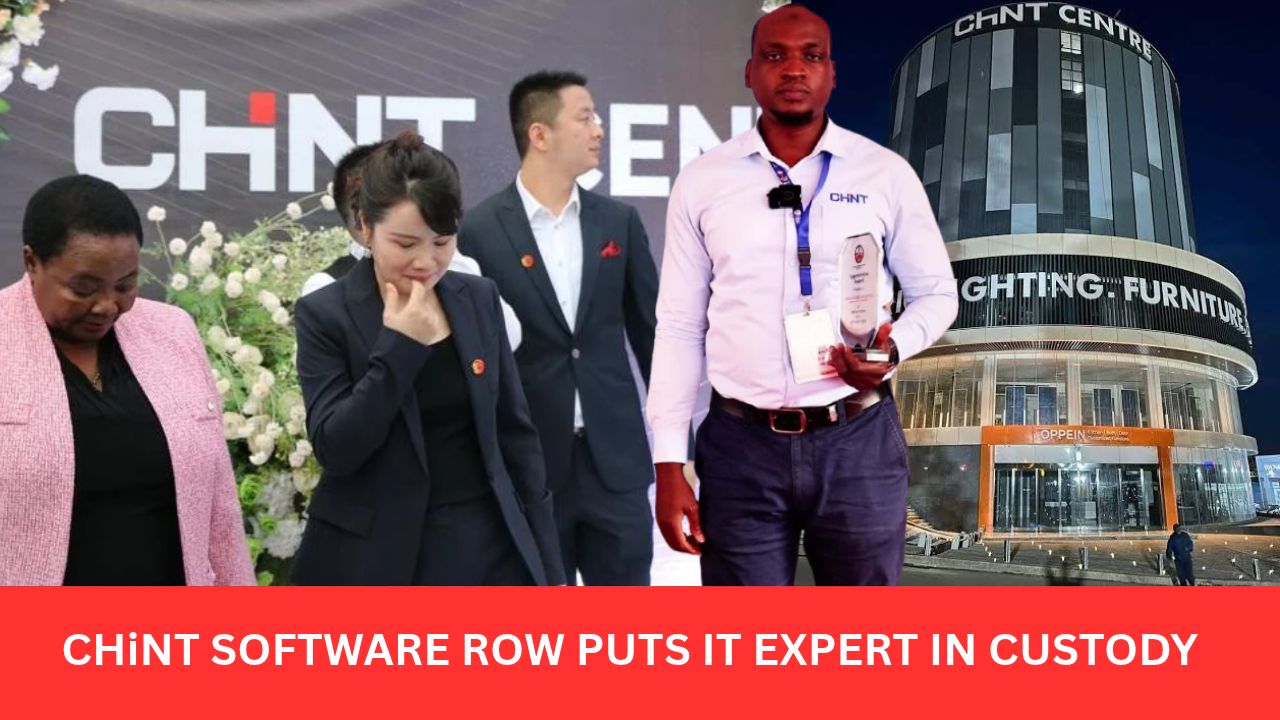 FeaturedOctober 16, 2026SOFTWARE BATTLE ROCKS CHiNT, IT EXPERT ARRESTED: Abdul Ssebiina, Described As A Key Developer Of ChiNT’s Operational Software, Was Reportedly Detained At Jinja Road Police Before Being Transferred To The Special Investigations Unit In Kireka
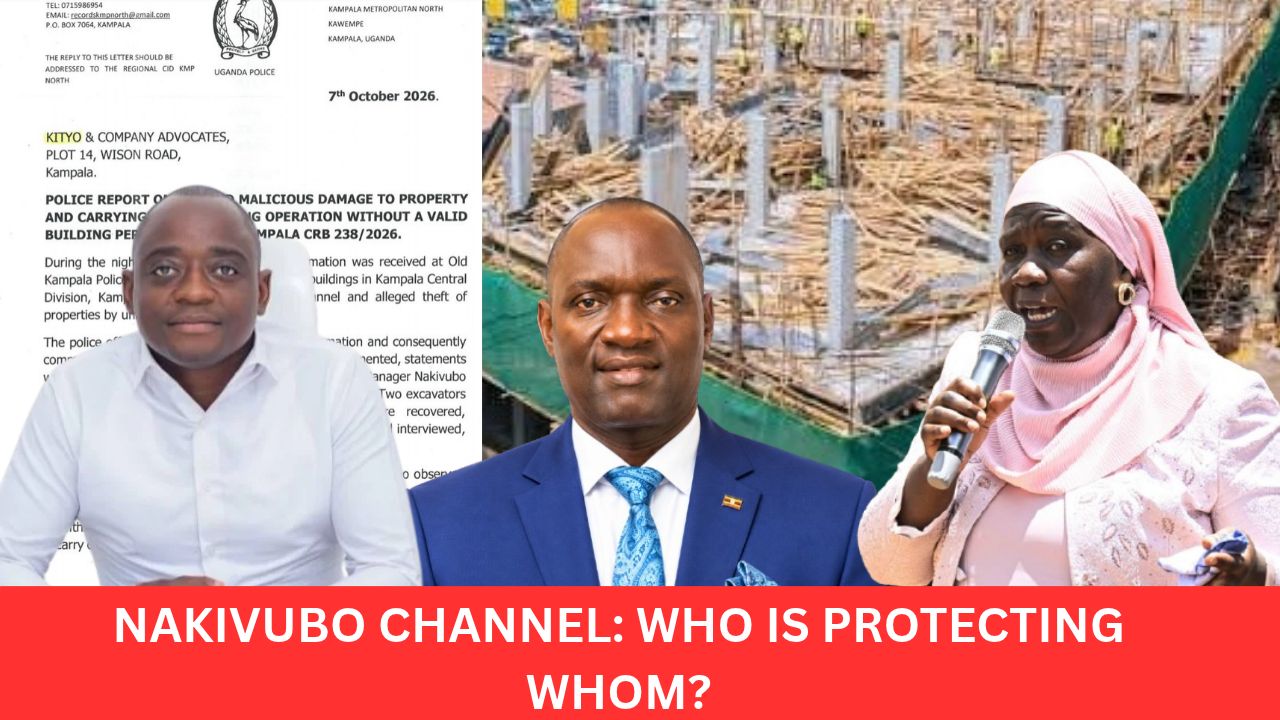 FeaturedOctober 12, 2026NAKIVUBO CHANNEL DEMOLITIONS SPARK FRESH LAND GRAB FEARS: How Police Arrested And Prosecuted Four Suspects Over The Razing Of Traders’ Premises. Questions Remain Over Who Ordered The Operation, KCCA’s Denial Of A Demolition Permit And Alleged Encroachment On Public Land
 EntertainmentOctober 12, 2026MISS UGANDA WITH A DREAM OF DIPLOMACY: Newly Crowned Almorie Nagayi Wants To Look Beyond The Runway, With An Interest In Foreign Policy, International Relations And The Empowerment Of Young Women
 EntertainmentOctober 8, 2026KOFI OLOMIDE SHOW CANCELLED OVER EBOLA FEARS: Health Ministry Blocks October 9 Concert Over Fears Thousands Of Fans Could Cross From Ebola-Affected Areas Of DR Congo