


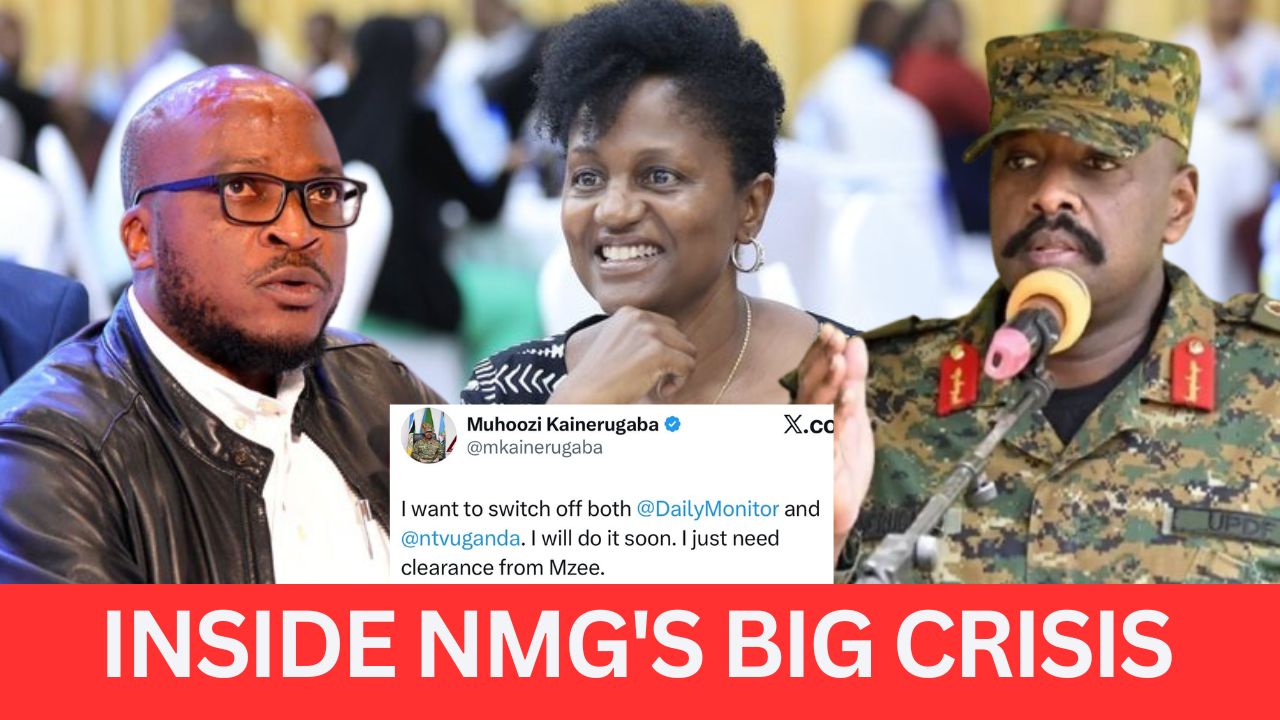
Nation Media Group (NMG), East Africa’s largest independent media house and the publisher of the Daily Monitor as well as broadcaster NTV Uganda, KFM, Dembe FM and other media platforms, has once again found itself at the centre of an intense national debate over press freedom and the relationship between the media and the Ugandan state.
In recent weeks, speculation has been rife over whether the media conglomerate was on the verge of another confrontation with government following a series of hard-hitting news reports and television features focusing on Uganda’s political and security establishment.Although no official action has been taken against the company, discussions within political and media circles have been dominated by reports that tensions had reached unusually high levels.
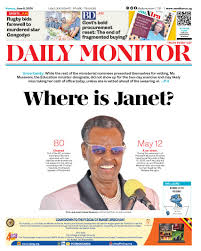
The speculation intensified after Daily Monitor published a headline asking, “Where is Janet?”, referring to First Lady Janet Museveni’s absence from public engagements at the time. The headline generated significant debate in country, with supporters and critics offering sharply contrasting views about whether it fell within legitimate public-interest journalism or crossed the boundaries of respectful reporting.
At the same time, NTV Uganda aired several news features and documentaries examining the tenure of Chief of Defence Forces Gen. Muhoozi Kainerugaba. The broadcasts revisited controversial episodes from his military career, his public statements on social media and long-running debates surrounding governance, human rights and Uganda’s political future.
The programmes attracted widespread attention online and provoked strong reactions from both supporters of the ruling National Resistance Movement (NRM) and opposition figures.While government has not publicly announced any plans to sanction Nation Media Group, political observers note that relations between the state and independent media have historically fluctuated between cooperation and confrontation.
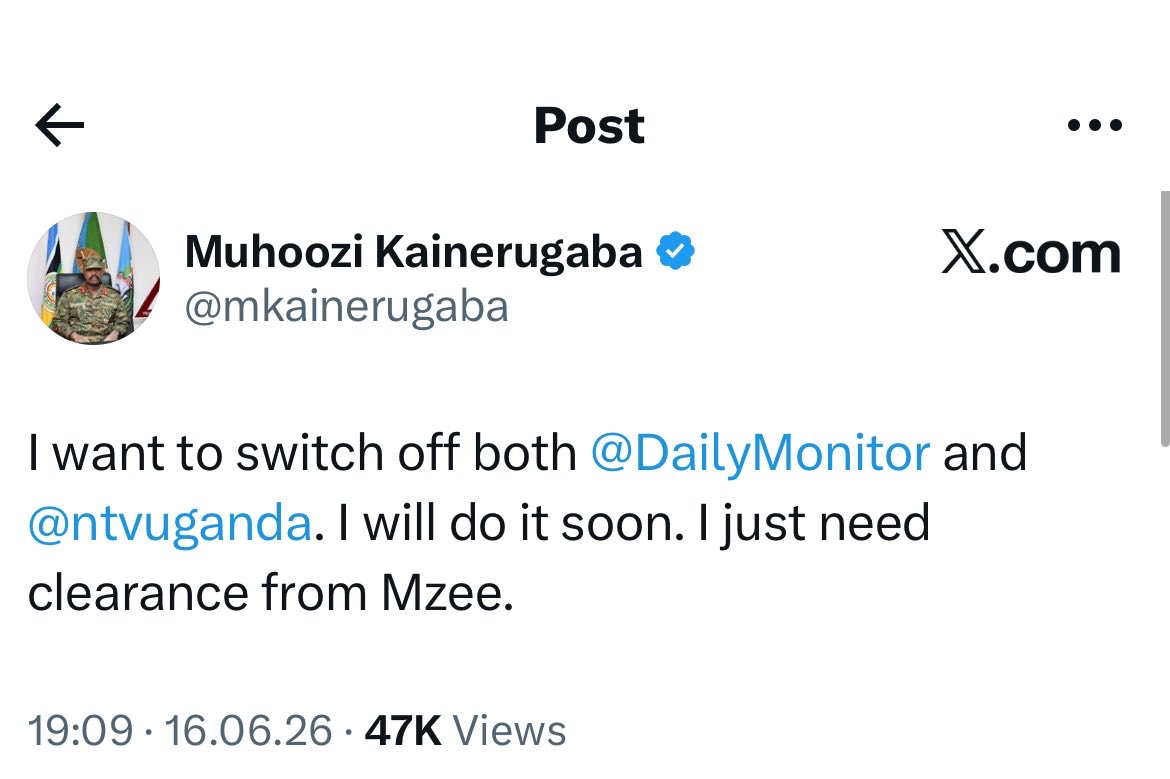
According to reports circulating within political circles, there were concerns that security agencies were unhappy with some of NMG’s editorial direction. These reports have not been independently verified, and neither government nor Nation Media Group has publicly confirmed claims of any impending action against the media house save the CDF Gen Muhoozi Kainerugaba. In several tweets on his X handle, the fiery army commander confirmed his resolute to shut down the media house.
BACKGROUND
Many Ugandans vividly remember the dramatic events of May 2013 when armed police officers raided the offices of the Daily Monitor in Namuwongo and those of the Red Pepper newspaper in Namanve.
The security operation followed publication of a letter authored by Gen. David Sejusa, then Coordinator of Intelligence Services, alleging the existence of what became widely known as the “Muhoozi Project”—an alleged plan to prepare President Yoweri Museveni’s son, Muhoozi Kainerugaba, to eventually succeed his father. The government strongly rejected the allegations.
Police sealed the newspaper’s premises, suspended operations of KFM and Dembe FM and maintained a heavy deployment around the building for several days despite legal challenges by the media house.At the time, officials argued that the operation formed part of criminal investigations into the leaked intelligence correspondence. Media rights organisations, however, condemned the raid as an attack on press freedom.
The incident remains one of the most significant confrontations between the Ugandan government and an independent media organisation.
THE SUCCESSION DEBATE
More than a decade later, Uganda’s political landscape has evolved considerably. Gen. Muhoozi Kainerugaba is now the Chief of Defence Forces and has repeatedly declared publicly that he intends to contest for the presidency when circumstances permit. Through the MK Movement, he has held nationwide mobilisation activities and built a substantial political following.
His public statements have reignited debate over whether concerns expressed years ago about political succession reflected genuine long-term political developments or were merely speculative at the time.Supporters argue that every Ugandan has a constitutional right to seek elective office, while critics contend that the concentration of political and military influence within one family raises legitimate questions about democratic governance.
EDITORIAL INDEPENDENCE UNDER PRESSURE
The latest debate has once again highlighted the difficult environment in which independent media organisations operate.Editors constantly balance the public’s right to know against legal, political and commercial pressures. Media analysts observe that stories involving the Presidency, security agencies and senior military officials inevitably attract heightened scrutiny because of their national significance.
Whether or not reports of behind-the-scenes negotiations are accurate, the controversy demonstrates the delicate relationship between powerful state institutions and independent journalism.For many journalists, maintaining editorial independence while ensuring organisational survival has become an increasingly complex balancing act.
CHANGING OWNERSHIP
The debate over Nation Media Group’s future comes as the company itself undergoes historic corporate changes.
The Aga Khan Fund for Economic Development (AKFED) recently announced that it had agreed to sell its entire shareholding in NPRT Holdings Africa Limited—the company holding a controlling stake in Nation Media Group—to Taarifa Ltd, a company owned by Tanzanian businessman Rostam Aziz.
The transaction brings to an end AKFED’s 66-year association with Nation Media Group dating back to 1959. In a joint statement, AKFED and Taarifa Ltd said the new owners intend to strengthen the company’s digital transformation while continuing its tradition of public-interest journalism.Industry analysts believe the ownership transition comes at a critical moment when traditional media houses across Africa are adapting to declining print revenues, changing audience habits and increasing political scrutiny.
AN UNFINISHED STORY
Whether recent reports of tension between government and Nation Media Group amount to little more than political speculation or indicate deeper disagreements remains unclear.Neither government nor Nation Media Group has publicly confirmed claims that sanctions or regulatory action were imminent.
What is clear, however, is that the relationship between Uganda’s independent media and the state continues to be closely watched both locally and internationally.For supporters of press freedom, robust journalism remains essential to democratic accountability. For government officials, concerns about accuracy, fairness and national security continue to shape their engagement with the media.
As Uganda moves closer to another electoral cycle, that delicate balance is likely to face even greater tests.The history of Uganda’s media landscape demonstrates that moments of confrontation often become defining chapters in the country’s democratic journey. Whether the current tensions develop into another such chapter—or ultimately give way to dialogue—will depend on how both state institutions and media organisations navigate the difficult intersection of press freedom, public accountability and political power.
REPORTS OF BEHIND-THE-SCENES NEGOTIATIONS SURFACE
Meanwhile, reports have emerged of behind-the-scenes negotiations between representatives of Nation Media Group’s new ownership and senior government officials following recent tensions surrounding the company’s editorial coverage.According to sources familiar with the discussions, Local Government Minister Balaam Barugahara, who is also among Nation Media Group’s advertisers, participated in the engagements.
Sources said Balaam has an ongoing advertising arrangement with the media house that includes placing advertisements on the front page of the Daily Monitor. Among the recent advertisements placed under the arrangement were congratulatory messages marking President Yoweri Museveni’s re-election.
The sources alleged that during the discussions, government representatives raised concerns about Nation Media Group’s editorial direction and urged the company to ensure its reporting adhered to its published editorial policies and core values.
The sources further claimed that government officials raised concerns about the company’s editorial direction, particularly coverage relating to the First Family, the ruling National Resistance Movement (NRM) and security agencies.
According to the same sources, Nation Media Group representatives reaffirmed the company’s commitment to its published editorial policies and core values, including editorial independence, factual accuracy, fairness, verification of information and the separation of news from opinion.
The discussions, according to the sources, also touched on the importance of ensuring that editorial decisions remain consistent with the company’s publicly stated standards, which emphasise independence from political and commercial influence, accuracy, accountability and responsible journalism.
Separately, sources alleged that editorial changes had recently taken place within the organisation. Sources familiar with the matter told The Investigator that Nation Media Group recently asked its General Manager for Editorial, Daniel Kalinaki, to step aside as part of internal disciplinary action. According to the sources, the decision followed an internal review into his handling of editorial matters.
The sources further alleged that the review examined editorial decisions relating to coverage of the Ministry of Works and Transport. They claimed investigators concluded that several stories considered critical of the ministry had been withheld from publication.
The sources also alleged that Kalinaki had an undisclosed relationship with Winstone Katushabe, a senior commissioner at the Ministry of Works and Transport, creating what they described as a conflict of interest. They further claimed he had registered a private media consultancy through which he undertook communications work. The Investigator has not independently verified those allegations.
Nation Media Group has not publicly disclosed the reasons for Kalinaki’s departure from the editorial leadership role, and neither Kalinaki nor Katushabe had publicly responded to the allegations at the time of publication. Their responses will be published if received.
Author Profile
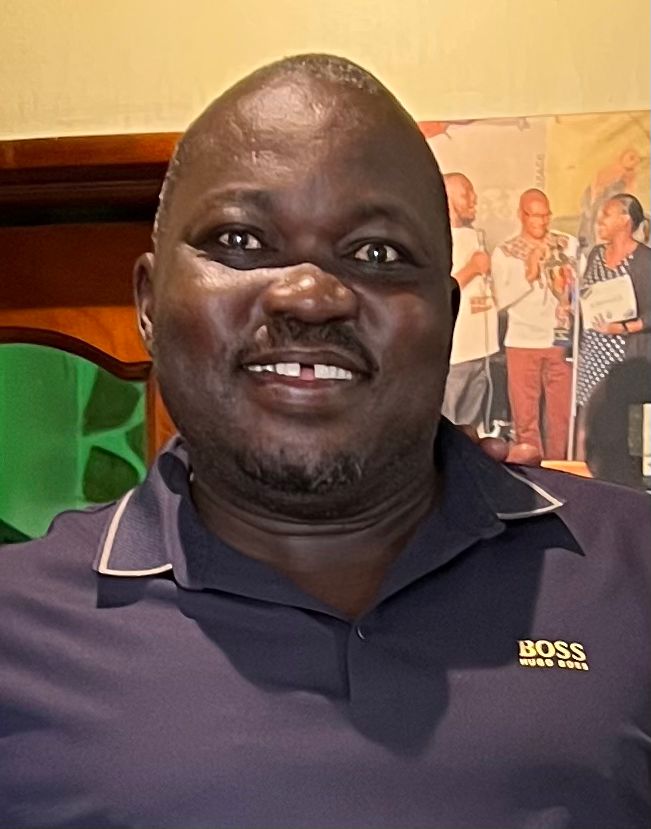
- Charles Gazza Kodili is a seasoned journalist with over 20 years of experience in the media industry. He holds a Bachelor of Arts degree in Mass Communication. He’s currently the Chief Editor at the Investigator.
Charles can also be reached via; Tel: +256 774 108978
Email: [email protected]
Latest entries
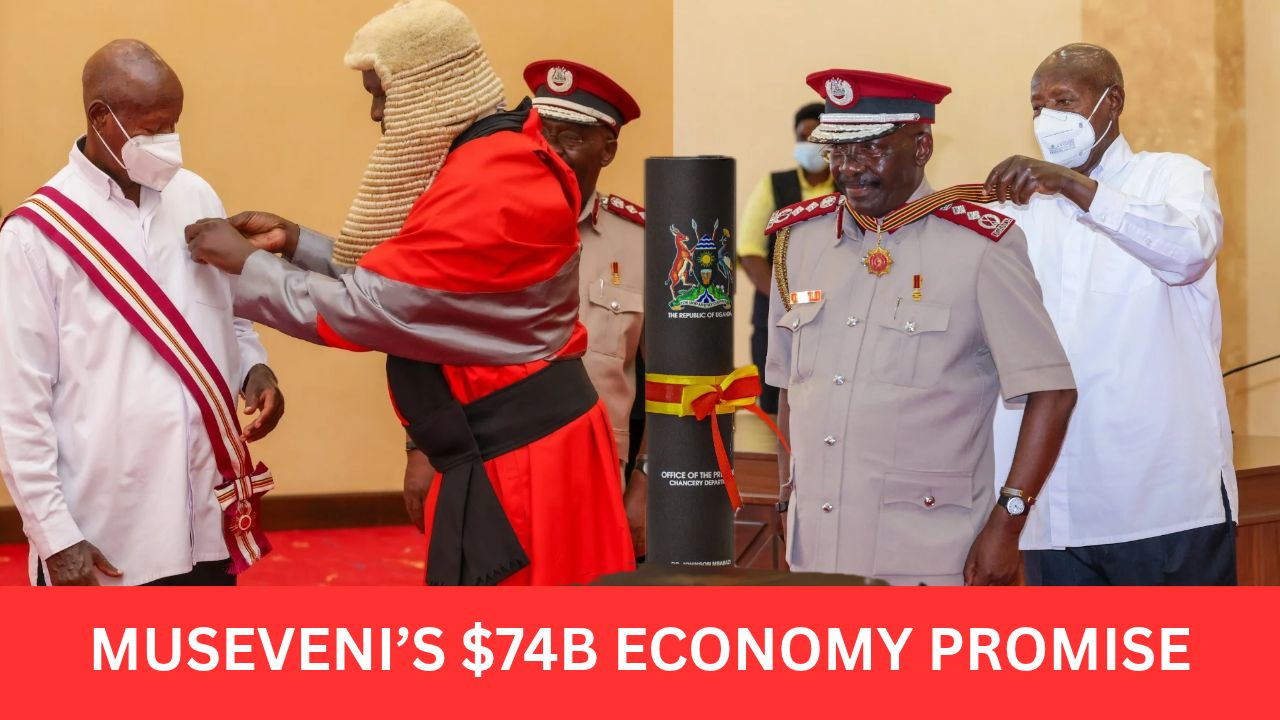 FeaturedOctober 9, 2026UGANDA ECONOMY TO HIT $73.96B: President Museveni Cites Decades Of Economic Growth As He Receives A Top National Honour During The 64th Independence Anniversary Celebrations At State House, Entebbe
 FeaturedOctober 9, 2026KABALEGA: THE KING WHO FOUGHT THE BRITISH: From Battles Against Sir Samuel Baker To Uganda’s Independence In 1962, The Bunyoro King Became A Symbol Of Resistance Against Foreign Domination
 FeaturedOctober 8, 2026UGANDA AT 64: From Obote Receiving the Instruments of Power in 1962 to Museveni Receiving a National Medal in 2026, Uganda’s Independence Story Remains Unfinished. We Journey With You the Thorney 6+ Decades of Uhuru
 FeaturedOctober 8, 2026AFRICA MUST PREPARE FOR NEW WARS – MUSEVENI: The President Challenges Defence Chiefs to Link Military Strength With Economic Power, Political Stability and Regional Integration as African Armies Rethink Security Beyond Conventional Warfare