
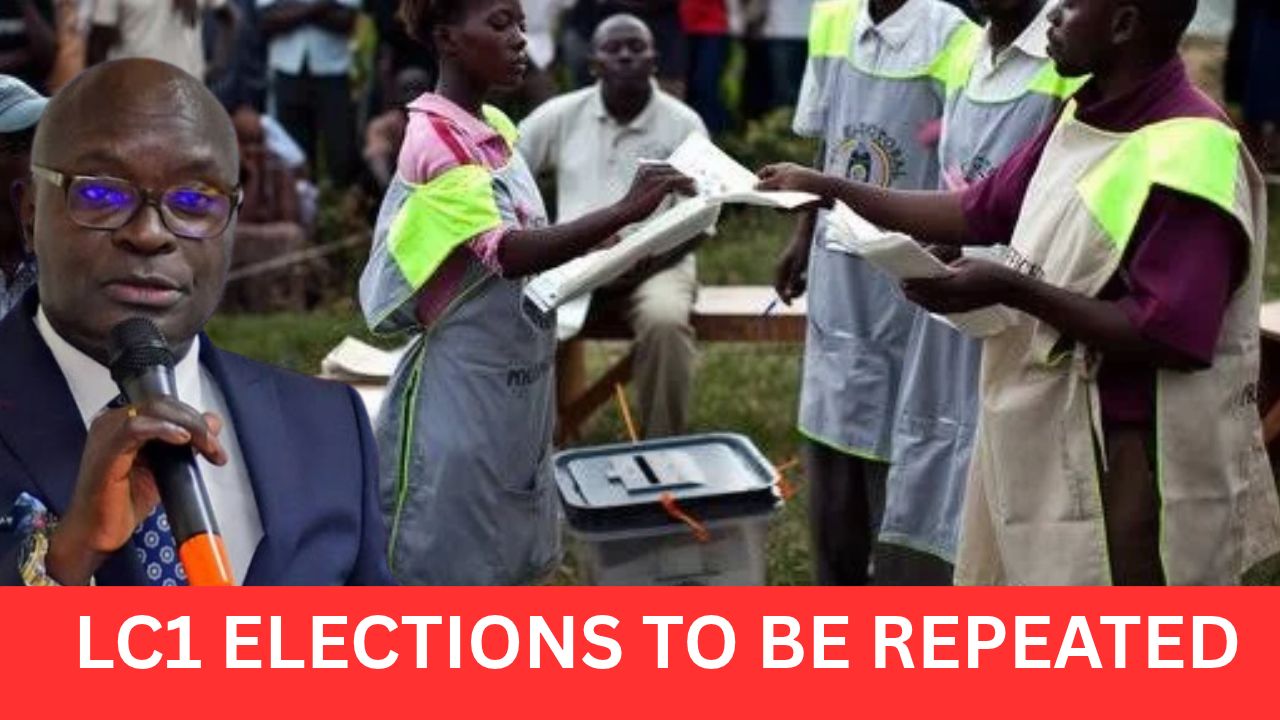















A decades-long mystery surrounding the family of legendary Kadongo Kamu icon Paul Job Kafeero has finally been put to rest after government forensic DNA tests confirmed that only four of the 25 people who claimed to be his children are biologically related to the late musician.
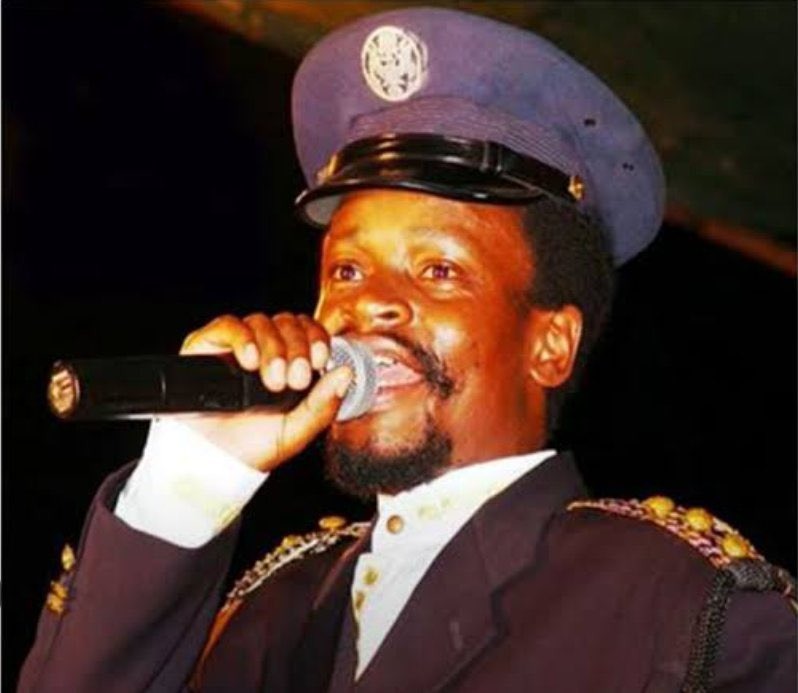
The long-awaited results, released by the Police Forensic Directorate and the Government Analytical Laboratory at Naguru Police Headquarters, have stunned fans, family members and the wider public, triggering heated debates across Uganda.
The scientific exercise was overseen by Local Government Minister Balaam Barugahara, Police Director of Forensics Andrew Mubiru and Government Analytical Laboratory Director Kepher Kuchana Kateu.
The DNA report identified Benedicto Kafeero, Simon Peter Kafeero, Thomas Swaz Kafeero and Elizabeth Nagawa as the only biological children of the late Kadongo Kamu star.The remaining 21 individuals who had presented themselves as Kafeero’s children were ruled out after forensic analysis found no biological relationship.
BALAAM: “SCIENCE HAS SPOKEN”
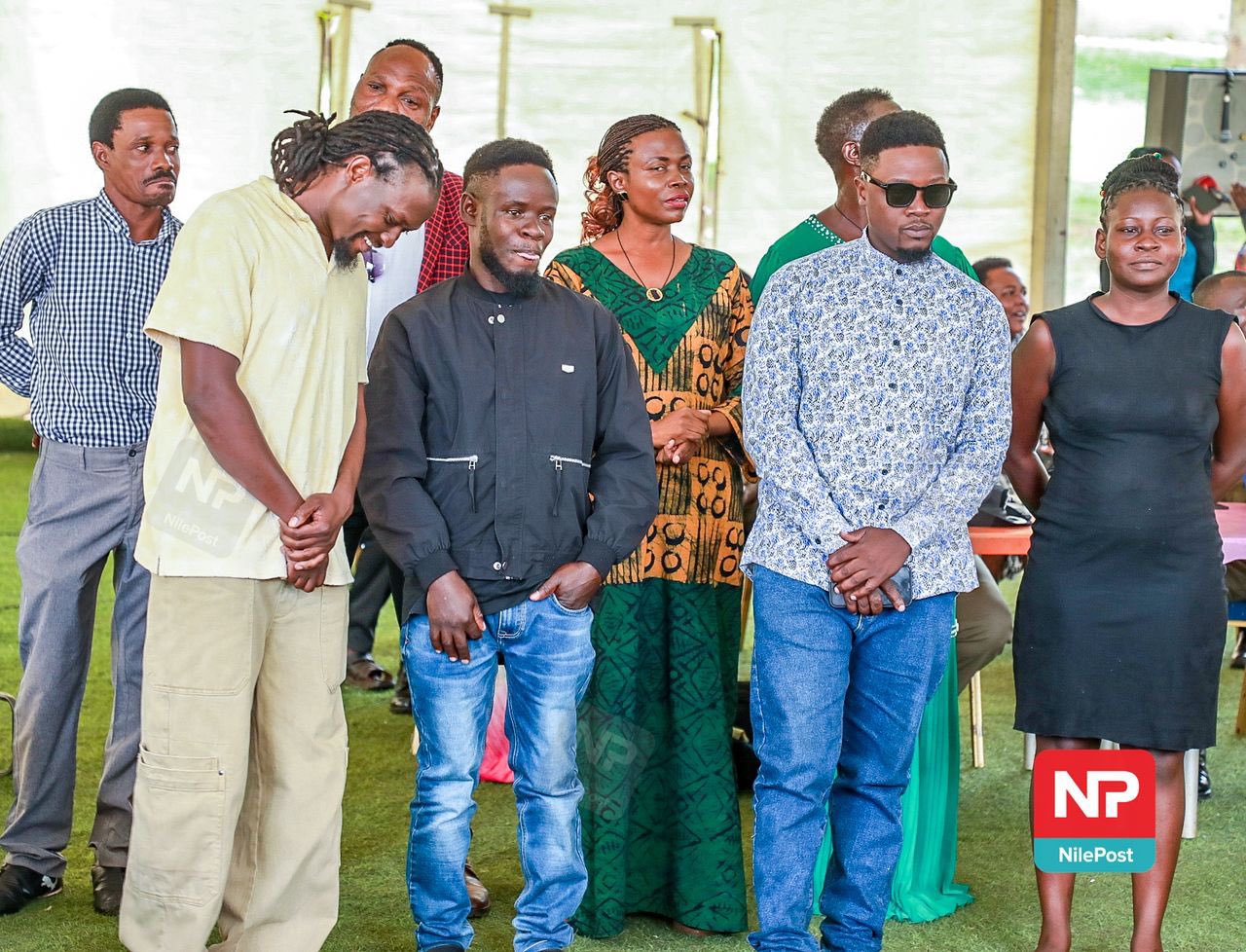
Speaking after the release of the results, Minister Balaam Barugahara described the exercise as a victory for truth and transparency.”This process has been conducted professionally and scientifically. DNA does not lie. We wanted to bring clarity to a matter that has generated speculation for many years. Today, science has spoken, and we ask everyone to respect the findings.”
The minister praised the Police Forensic Directorate and the Government Analytical Laboratory for handling what he called “a sensitive national matter” with professionalism.”These results will help preserve the true legacy of Prince Job Paul Kafeero and bring certainty to his family.”
CLOSE FRIEND SAYS APPEARANCES FOOLED MANY
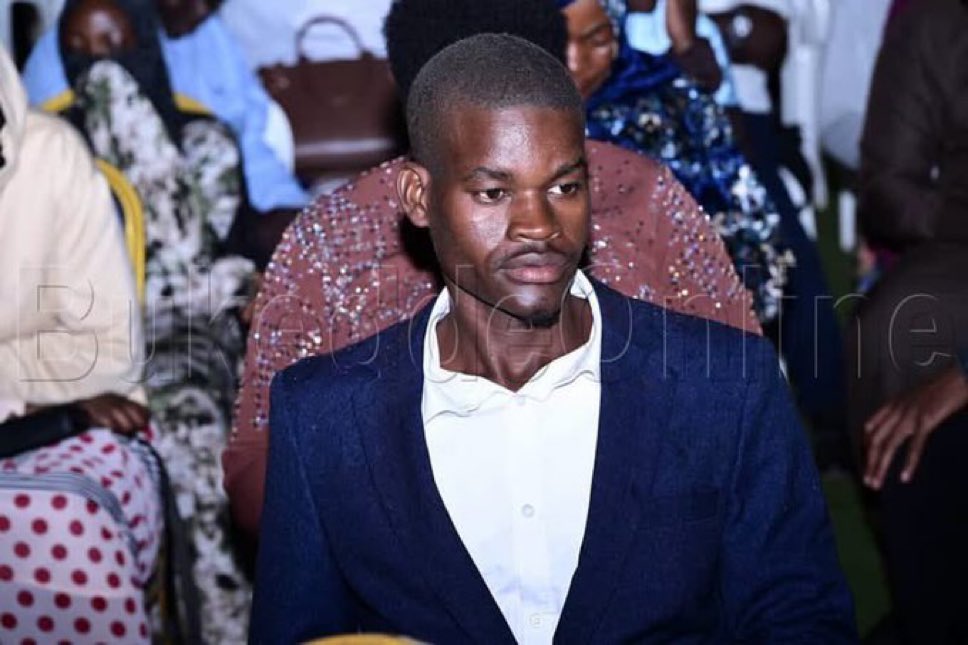
One of Kafeero’s close friends, Senkubuge Siasa, admitted that the results had surprised many people who had long believed some of the rejected claimants resembled the late musician.
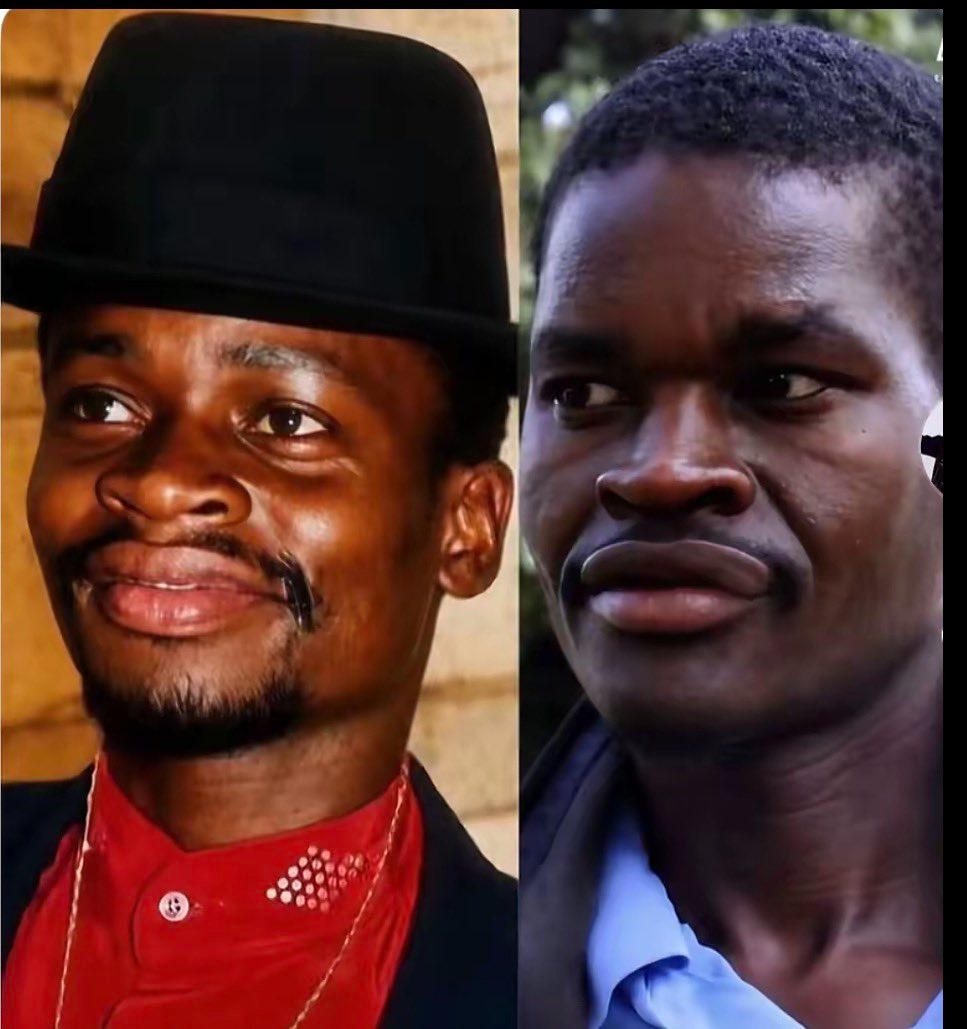
“This is the true definition of ‘looks can be deceptive.’ DNA results found no link between the look-alike and namesake Paul Kafeero and the famous deceased musician. Many people judged by physical appearance, but science has now proved otherwise.”
He added that the findings should remind Ugandans that resemblance alone cannot determine paternity. “People should stop making assumptions simply because someone has the same smile, face or mannerisms. DNA is the only reliable proof.”
SOCIAL MEDIA ERUPTS

Within minutes of the announcement, social media platforms exploded with reactions, jokes and serious discussions about family relationships and paternity.
Political commentator Emperor Augustus posted: “Fear women. And the mothers of the other 21 children know the truth. Just because they once slept with Kafeero, they felt entitled. If your mum is still alive, you may not know your biological father.”
Although the comments generated thousands of reactions, others cautioned against attacking the mothers involved, arguing that many paternity disputes arise from misunderstandings or circumstances that can only be resolved through scientific testing.
Media personality Andrew Kyamagero also reacted with surprise. “Only four. Men, share your lessons from this. So, it means the late Paulo Kafeero had only four children?”
His post quickly attracted hundreds of comments from followers reflecting on the importance of DNA testing in settling inheritance disputes. Popular social media commentator Muvubuka simply wrote in Luganda: “Leero tusooke tulindeko okulya.” The phrase, loosely translated as “Let’s first pause before eating today,” became one of the day’s trending jokes as Ugandans humorously reflected on the shocking findings.
LONG-RUNNING MYSTERY FINALLY ENDS
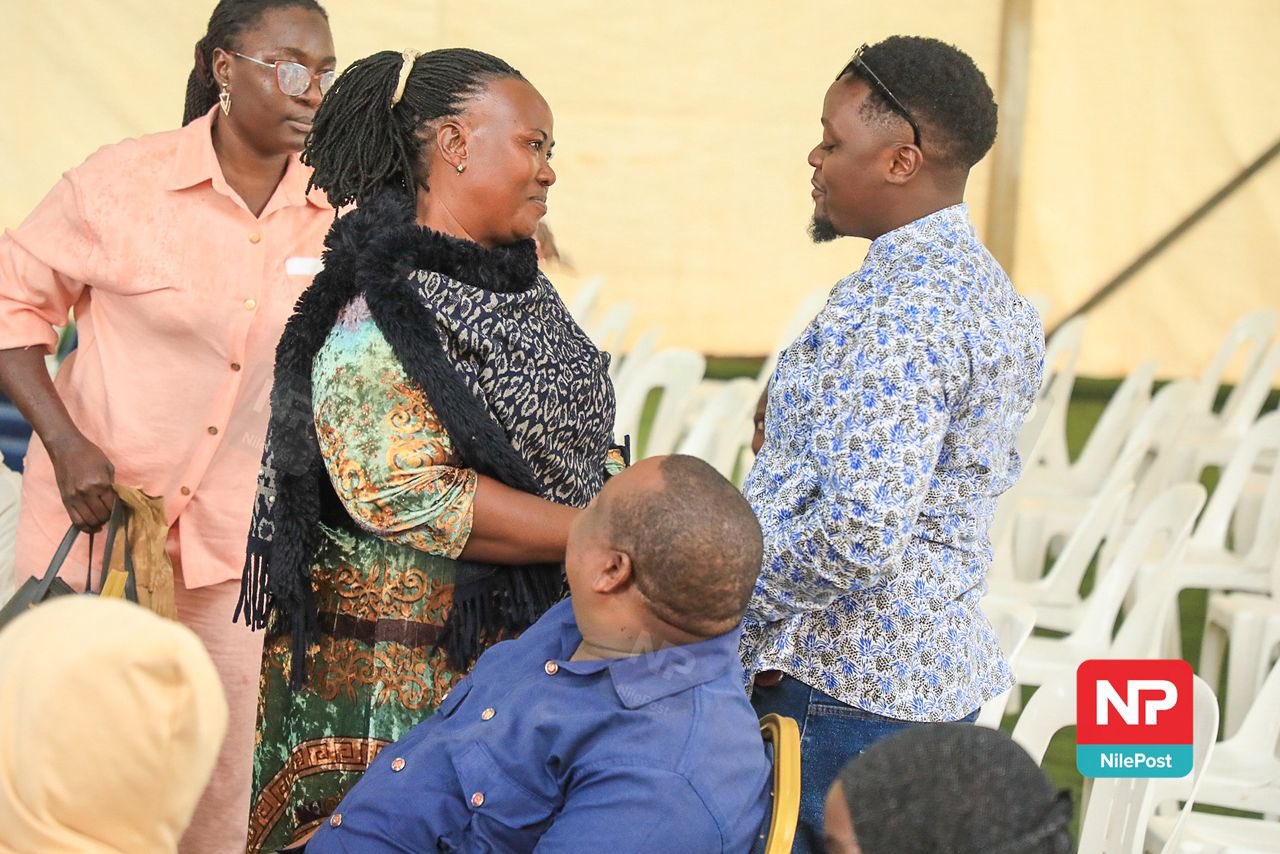
For years, numerous individuals publicly claimed to be children of the legendary singer, with some seeking recognition while others hoped to be included in matters concerning his estate and legacy.The competing claims often divided fans and relatives, with many relying on hearsay, family stories and physical resemblance as evidence.
The forensic exercise was initiated to permanently settle the issue using modern scientific methods rather than speculation.Officials say every claimant voluntarily submitted DNA samples for comparison with verified biological material connected to the late musician.
After weeks of laboratory analysis, the experts concluded that only four individuals shared the required biological markers to be recognised as Kafeero’s children.
FANS DIVIDED
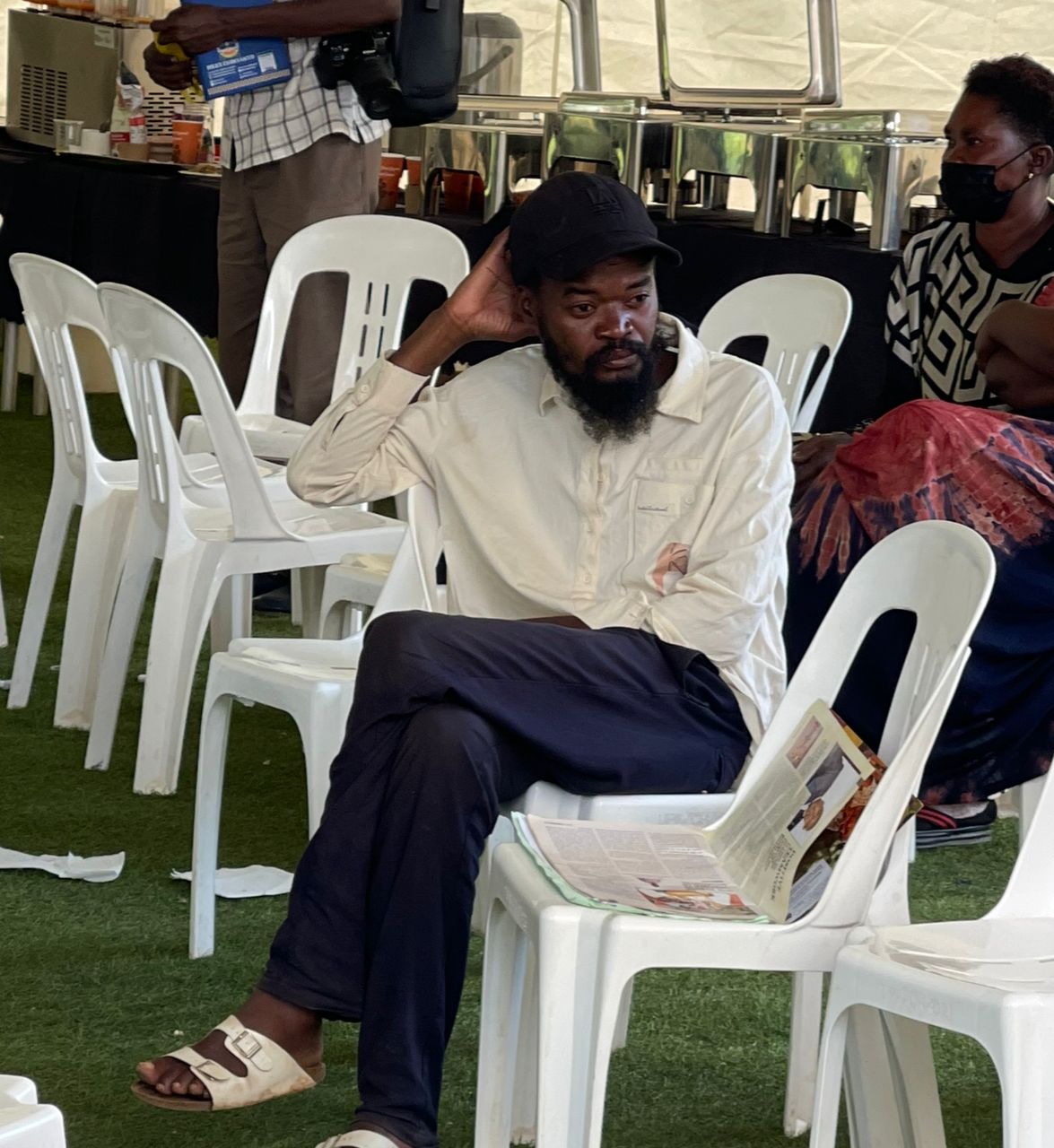
Outside Naguru Police Headquarters, reactions were mixed. Some supporters welcomed the findings, saying the truth had finally emerged after years of uncertainty.Others expressed sympathy for the 21 individuals who had believed throughout their lives that they were descendants of one of Uganda’s greatest musicians.
One elderly fan who followed Kafeero’s career from the 1970s said the outcome was emotional.”Many of us genuinely believed some of these young people were his children because they looked exactly like him. Today’s results remind us that science is different from assumptions.”
Another admirer added: “At least the matter has now been settled once and for all. The real children can continue protecting their father’s musical legacy without endless disputes.”
PROTECTING KAFEERO’S LEGACY
Paul Job Kafeero remains one of Uganda’s most celebrated Kadongo Kamu musicians, remembered for timeless songs that addressed social issues, love, culture and everyday life.Even years after his death, his music continues to enjoy widespread popularity across generations, making questions surrounding his family and estate matters of public interest.
Legal observers say the DNA findings could simplify future discussions involving inheritance, royalties and representation of the late singer’s estate by identifying the legally recognised biological children.While the report may disappoint many who sincerely believed they belonged to Kafeero’s family, officials insist the exercise was never intended to embarrass anyone but rather to establish the truth through scientific evidence.
With the release of the DNA results, one of Uganda’s longest-running celebrity family mysteries appears to have reached its conclusion.For the four individuals confirmed as Paul Job Kafeero’s biological children, the findings officially cement their place in the history of one of Uganda’s greatest musical legends.
For the remaining 21 claimants, however, the report closes a chapter that has generated speculation, debate and emotion for many years—leaving behind a powerful reminder that, as the forensic experts have demonstrated, family relationships are ultimately determined not by rumours or resemblance, but by science.
‘WE WANT VAR!’ FANS REJECT KAFEERO DNA RESULTS
Gen Sejusa leads calls for fresh forensic analysis in South Africa as Ugandans question shocking paternity findingsThe controversy surrounding the late Kadongo Kamu legend Paul Job Kafeero has exploded into a national debate after hundreds of fans, relatives and some of the claimants rejected government DNA results that identified only four biological children out of the 25 people who claimed to be his offspring.
Instead of bringing closure, the findings have ignited fresh demands for a second DNA test, with critics insisting the samples should be analysed by an independent laboratory outside Uganda.The forensic exercise, supervise by Local Government Minister
Balaam Barugahara alongside Police Director of Forensics Andrew Mubiru and Government Analytical Laboratory Director Kepher Kuchana Kateu, concluded that Benedicto Kafeero, Simon Peter Kafeero, Thomas Swaz Kafeero and Elizabeth Nagawa are the only biological children of the late musician. But within hours of the announcement, social media erupted with disbelief.
Many fans could not understand how several claimants who bear a striking resemblance to Kafeero failed the DNA tests, while the four confirmed children were described by some as not resembling the music icon.
GEN SEJUSA: “SEND THE SAMPLES TO SOUTH AFRICA”
Retired General David Sejusa became one of the most prominent voices questioning the outcome.While making it clear that he believes in science, Sejusa argued that Uganda’s history of corruption makes an independent review necessary.
“In Uganda corruption rules. I don’t find this a laughing matter at all. Yes, I believe in Science and DNA, but we need to be VERY CAREFUL.” The outspoken retired army officer continued:”Science has spoken, but we also know what corruption has done to this country. If corruption reigns in churches, Parliament, ministries and even State House, why can’t it be in that DNA department? I’m not accusing anyone there of corruption, but just raising a common-sense point.” He said he found it difficult to accept that some of the young men widely believed to resemble Kafeero had been ruled out.
“That those three boys were not sired by Kafeero is surprising. I therefore recommend a stay of the process and that the results be sent to South Africa for a second opinion. It does no harm at all—just another one month.” His comments quickly attracted thousands of reactions online.
“WE WANT VAR!”
Borrowing from football terminology, many fans jokingly demanded “VAR” — a Video Assistant Referee review — saying the DNA verdict deserved another look. “This match cannot end like this,” one supporter joked online. Another wrote: “There is no way you can tell me this guy isn’t Paul Kafeero’s biological son. They need to repeat the DNA test.”
Several relatives also reportedly supported the call for fresh testing, saying the scientific process should be repeated by an internationally accredited laboratory to remove any lingering doubts.
CLAIMANT REJECTS FINDINGS
One of the individuals who failed the DNA test has vowed not to accept the results. The claimant insisted the forensic report would not be the final word on the matter.”Look at this DNA that has been tampered with! It’s the child of Paul Kafeero. I will seek other means to prove my parentage.”
The remarks added another layer of controversy to an issue many believed had finally been settled.Media personality Andrew Kyamagero responded directly to Gen Sejusa’s concerns, calling for respect for scientific evidence while acknowledging that a second opinion is acceptable where justified. “My dear elder, should we then do these tests as soon as a child is born?”
He added: “If there is credible evidence that the process was compromised, let it be presented and investigated. If there is none, we must have the intellectual discipline to respect the evidence before us.”Kyamagero stressed that science should not be dismissed simply because the results are emotionally difficult.
Author Profile

- Charles Gazza Kodili is a seasoned journalist with over 20 years of experience in the media industry. He holds a Bachelor of Arts degree in Mass Communication. He’s currently the Chief Editor at the Investigator.
Charles can also be reached via; Tel: +256 774 108978
Email: [email protected]
Latest entries
 FeaturedOctober 9, 2026UGANDA ECONOMY TO HIT $73.96B: President Museveni Cites Decades Of Economic Growth As He Receives A Top National Honour During The 64th Independence Anniversary Celebrations At State House, Entebbe
 FeaturedOctober 9, 2026KABALEGA: THE KING WHO FOUGHT THE BRITISH: From Battles Against Sir Samuel Baker To Uganda’s Independence In 1962, The Bunyoro King Became A Symbol Of Resistance Against Foreign Domination
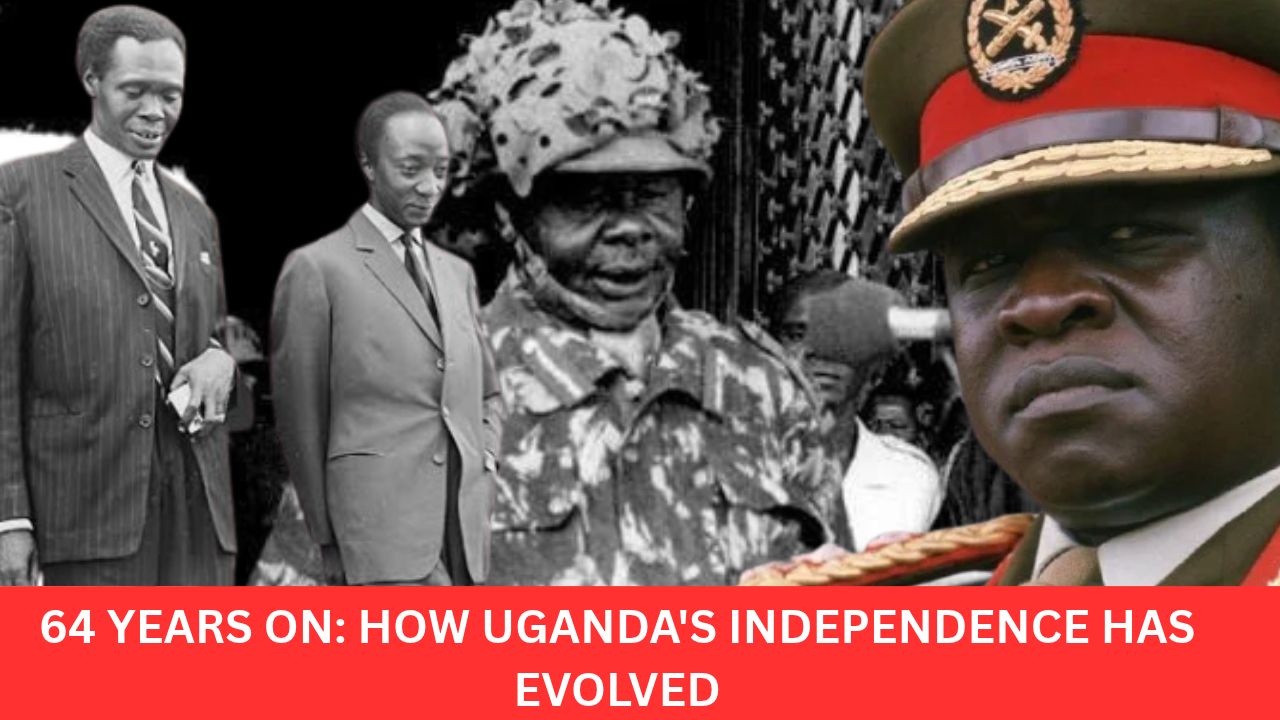 FeaturedOctober 8, 2026UGANDA AT 64: From Obote Receiving the Instruments of Power in 1962 to Museveni Receiving a National Medal in 2026, Uganda’s Independence Story Remains Unfinished. We Journey With You the Thorney 6+ Decades of Uhuru
 FeaturedOctober 8, 2026AFRICA MUST PREPARE FOR NEW WARS – MUSEVENI: The President Challenges Defence Chiefs to Link Military Strength With Economic Power, Political Stability and Regional Integration as African Armies Rethink Security Beyond Conventional Warfare


What is the percentile accuracy and affecting factors, of DNA test for children paternity evidence in exhumed body?
Exhumed body DNA tests can establish paternity with over \(99.99\%\) probability when DNA is successfully recovered.
However, success relies heavily on environmental conditions and sample quality.
If successful, exclusions are \(100\%\) certain.
Key Factors Affecting Accuracy and Success Degree of DNA Degradation:
1. The environment in which the body was buried is the biggest factor. Bodies buried in dry, cool, or heavily embalmed environments yield better results. Warm, moist, or highly acidic soils cause rapid DNA fragmentation.
2. Source of the Sample: Post-mortem samples degrade quickly. Laboratories generally require 2 grams of bone (e.g., femur or humerus) or teeth (which protect DNA from environmental exposure) rather than soft tissue.
3. Sample Contamination: Exhumed remains are susceptible to bacterial or fungal contamination and cross-contamination from surrounding soil, complicating the extraction process.
4. Number of Markers Tested: Accuracy depends on testing a high number of genetic markers to build a reliable profile, which is more difficult with degraded samples.
5. Standard Probability MetricsInclusion: If the profiles match, laboratories calculate the Combined Paternity Index (CPI) and report a probability of paternity (POP) typically exceeding \(99.99\%\).Exclusion: If the DNA profiles do not match at key markers, the man is excluded as the father with \(100\%\) certainty.
Alternatives to Exhumation:
Because exhumations are complex, expensive, and legally demanding, many forensic experts first explore alternative methods.
1. Biological Evidence: Utilizing retained biological samples (such as blood or buccal swabs taken before death), stored personal items (e.g., a used toothbrush or razor), or previously collected tissue blocks.Relative DNA 2.Reconstruction: Reconstructing the deceased’s DNA profile by testing living relatives (parents, siblings, or the mother of other offspring).