












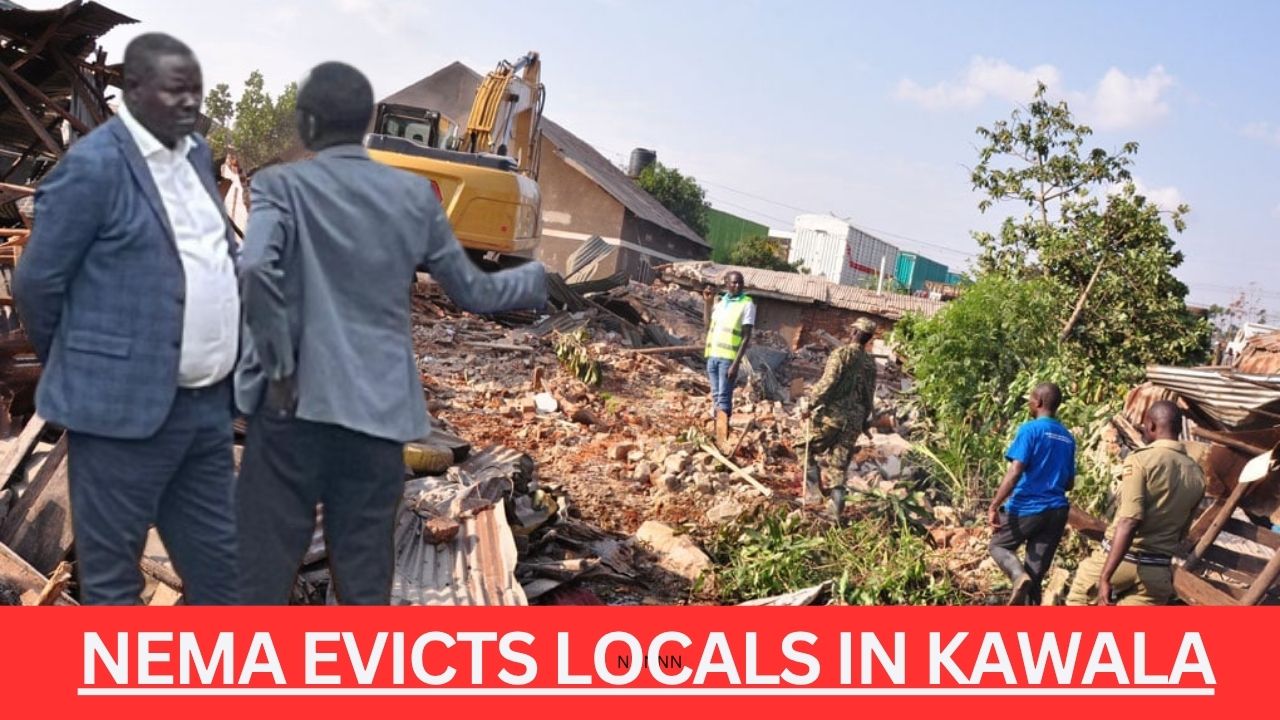
The disputed land at Kawala, where residents recently lost their homes following enforcement actions linked to environmental protection authorities, has a long and complicated history stretching back to the Buganda Kingdom era.According to documents and sources familiar with the matter, the land originally belonged to Princess Nnalinya Masitula Nankinzi Tajuba. It is claimed that the land was bequeathed to her by Ssekabaka Daudi Chwa during his reign.
Upon her death, the property reportedly passed to her son, Prince Semakokiro Kimera Muhammed. However, in subsequent years, the prince allegedly lost control of the land after it became incorporated into property managed by the Buganda Kingdom.
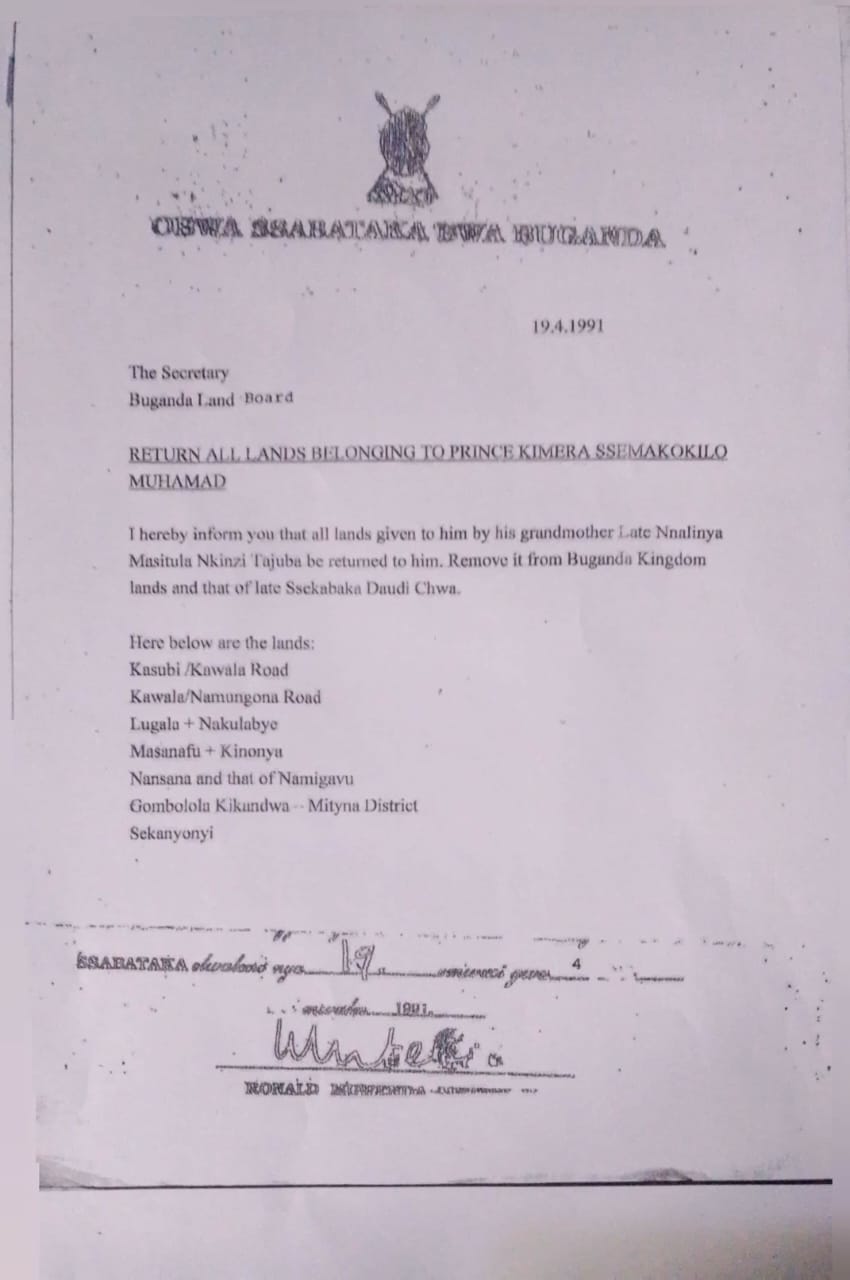
Seeking redress, Prince Semakokiro petitioned the then Ssaabataka, Ronald Muwenda Mutebi. Sources say the Kabaka later wrote to kingdom officials directing that the prince’s land be returned to him. A letter dated April 19, 1991, which The Investigator has since obtained a copy is frequently cited by those familiar with the dispute.
The prince is also said to have written to the Buganda Land Board requesting that his mother’s land be separated from other kingdom property. The disputed holdings reportedly included areas stretching from Kasubi to Kawala Road, Kawala to Namungona Road, Lugala, Nankulabye, Masanafu, Kinonya, Nansana and portions of Namigavu Gombolola in Kikandwa, Mityana District.
Despite these efforts, Prince Semakokiro allegedly never regained possession of the land. Sources claim that Buganda Land Board did not implement the directives, prompting the prince to seek legal intervention through the courts.
Court Battles and Failed Negotiations
During the legal proceedings, kingdom officials reportedly entered negotiations with Prince Semakokiro in an attempt to settle the matter.
According to sources close to the family, discussions centered on compensation and the possibility of restoring some of the disputed land to the prince. However, relatives allege that documents presented to him during the negotiations ultimately led to the withdrawal of his court case without achieving the desired outcome.Supporters of the prince maintain that he became deeply frustrated and depressed after realizing he had not secured the return of the property.
Not long afterwards, he reportedly fell ill and died within a short period. Some family members have alleged foul play and claim he may have been poisoned, although no official findings have been presented to substantiate those claims.
Historical Background
The land dispute traces its roots to the political changes that followed the abolition of traditional kingdoms in Uganda.Like many other properties, the contested land was reportedly taken over by the state when kingdoms were abolished. When cultural institutions were later restored, a number of assets were returned to the Buganda Kingdom, including land that remains the subject of competing ownership claims.
Observers argue that the Kawala dispute is one of several unresolved cases arising from that historical transition.
Compensation Controversies
The controversy deepened after Buganda Land Board reportedly entered into a consent judgment with National Water and Sewerage Corporation regarding part of the disputed property.
Sources claim that compensation amounting to approximately Shs13 billion was paid. Critics of the arrangement argue that questions remain regarding the ownership status of the land and whether all affected parties were adequately consulted.
Allegations of Executive Influence
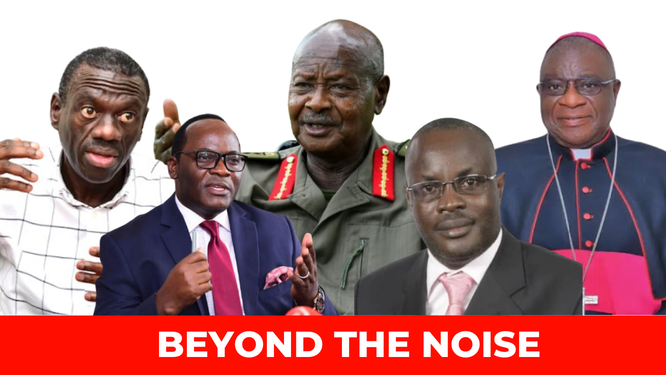
The dispute has also drawn the name of Gen. Salim Saleh into public discussion. A man identified by residents as Galulyo, who reportedly claimed to be an aide to Gen. Saleh, is alleged to have informed locals that demolitions in Kawala were backed by executive directives.
Residents maintain that many occupants acquired their interests through kibanja ownership arrangements, having purchased occupancy rights from existing bibanja holders.They argue that their occupation of the land was lawful under customary arrangements that have existed for years.
NEMA and Compensation Concerns
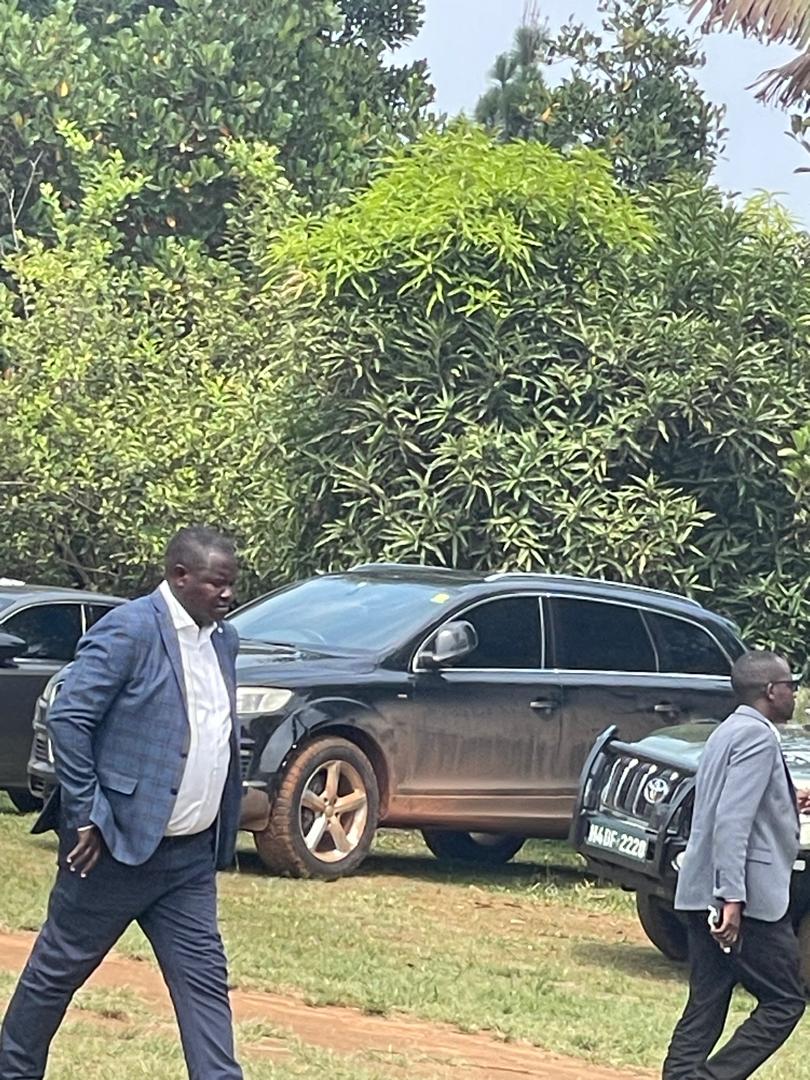
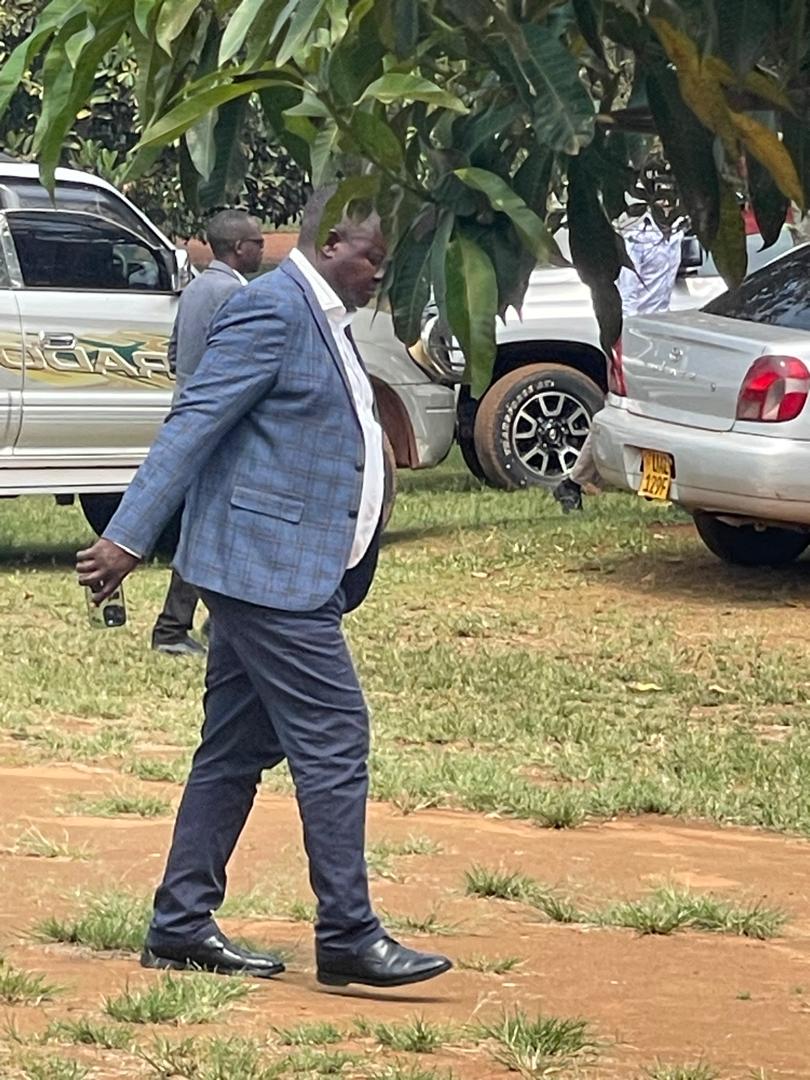
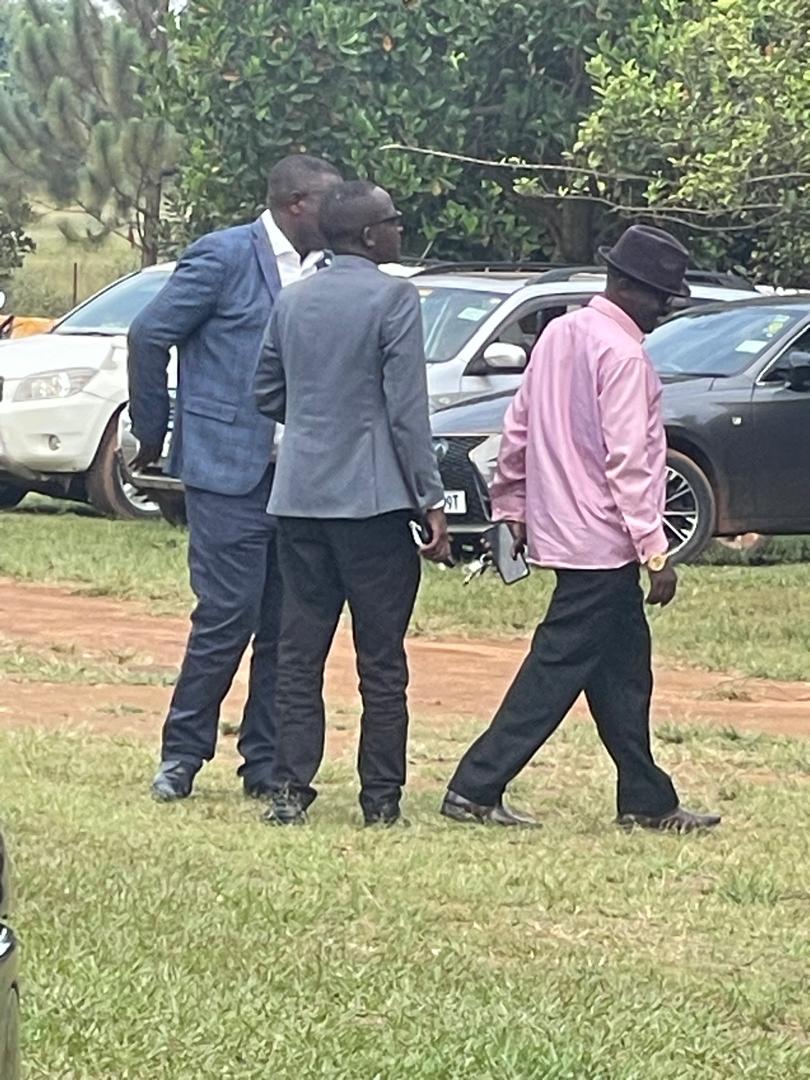
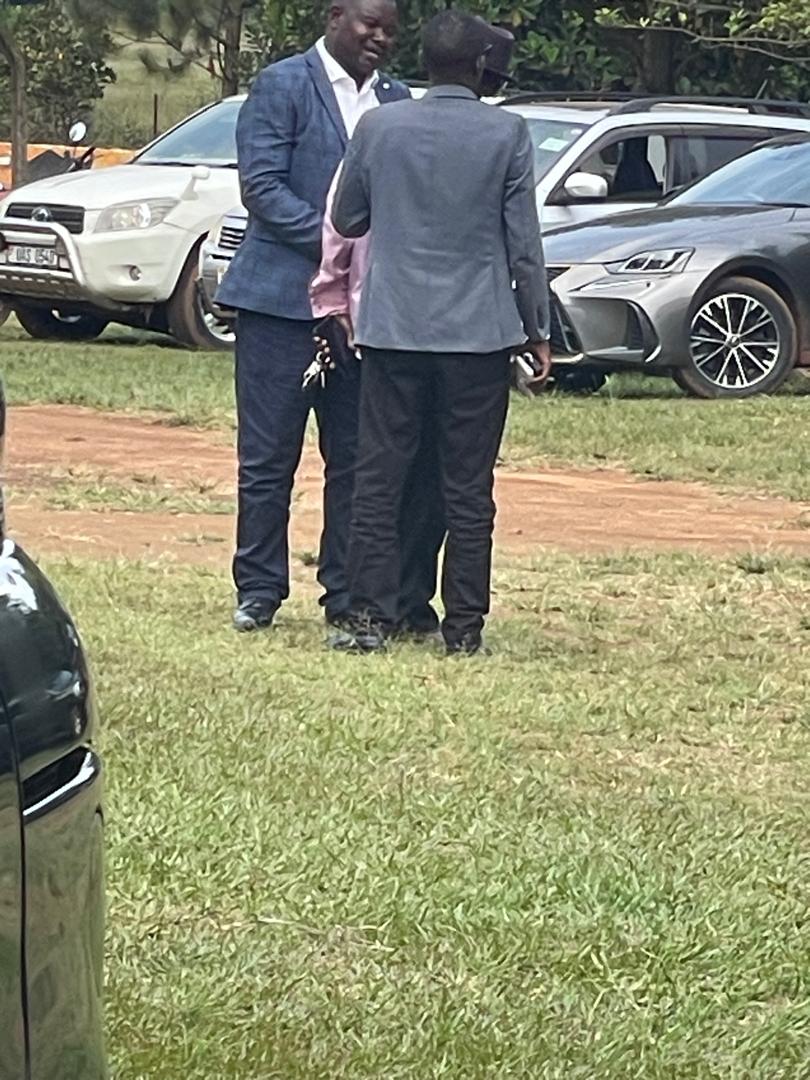
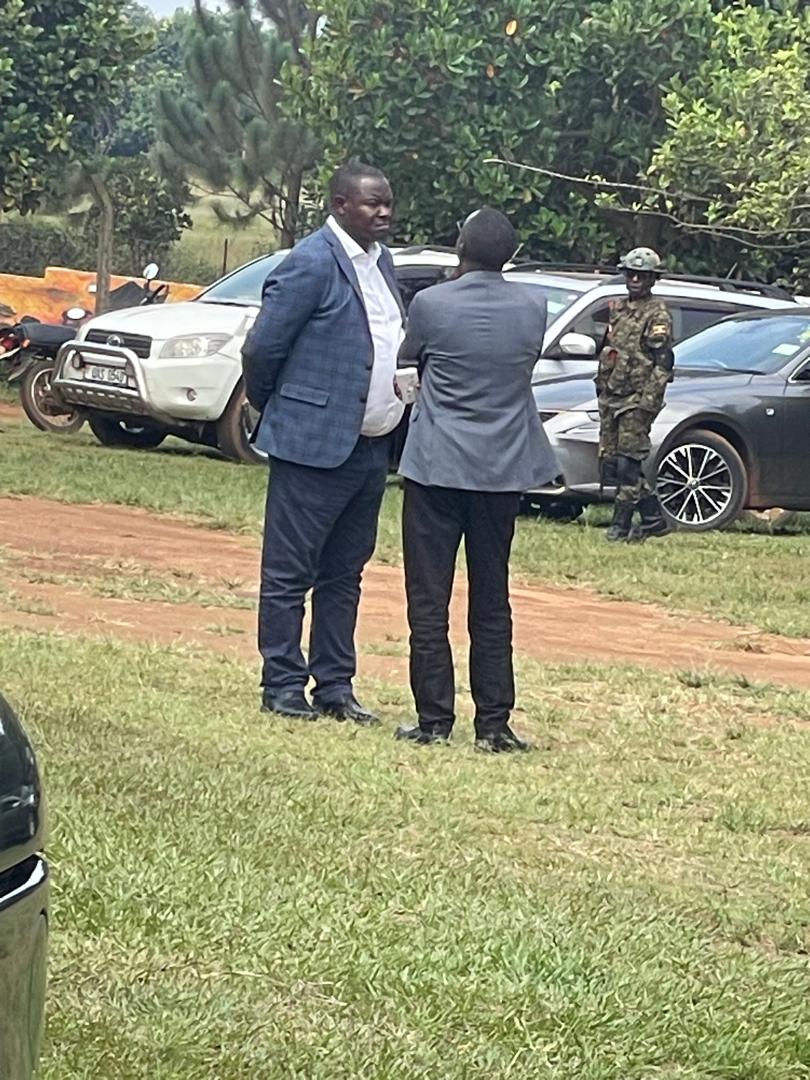
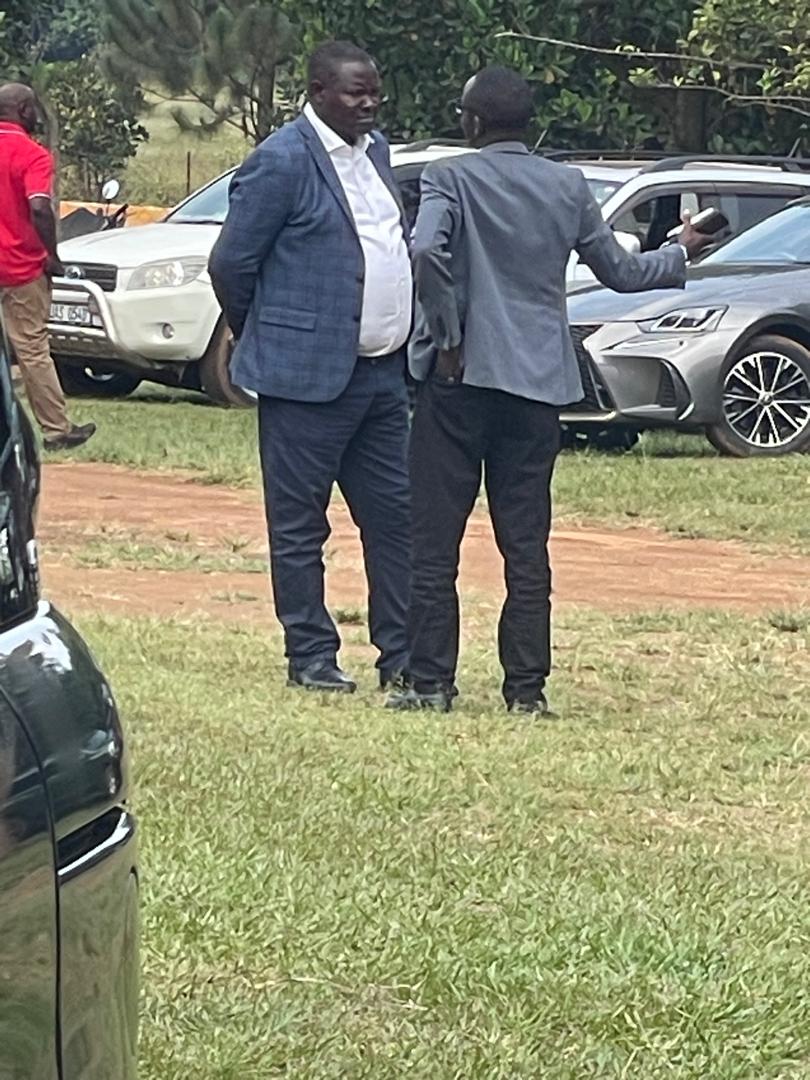
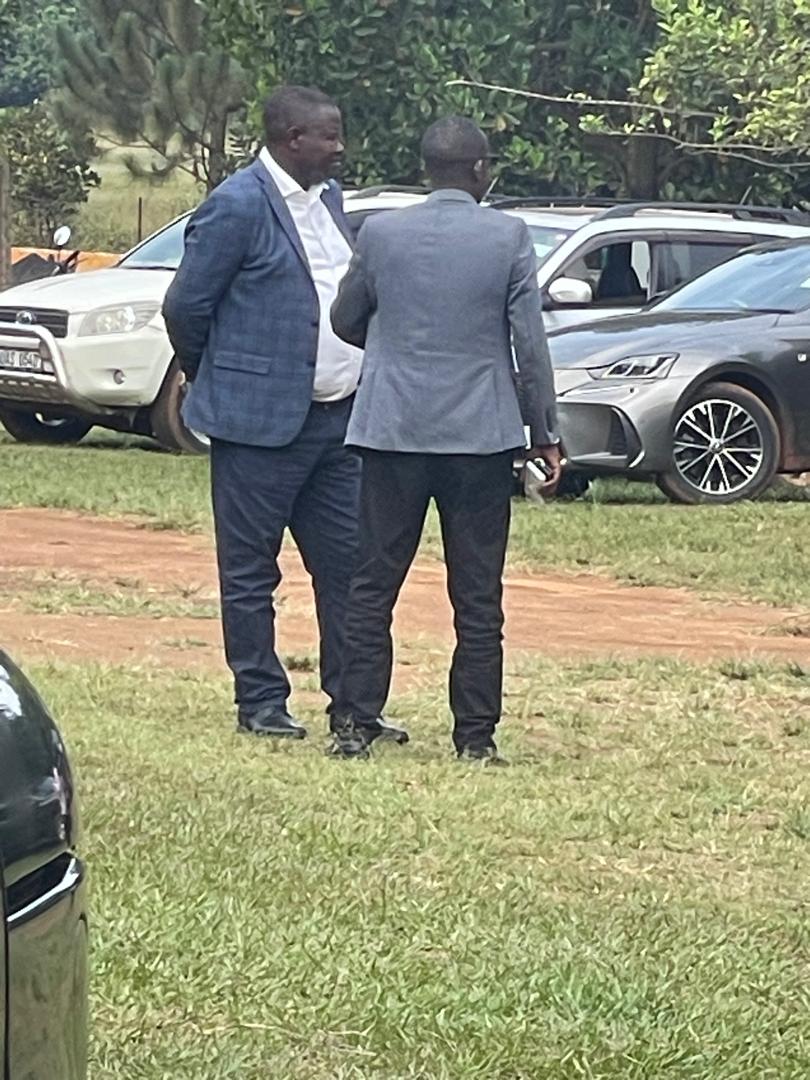
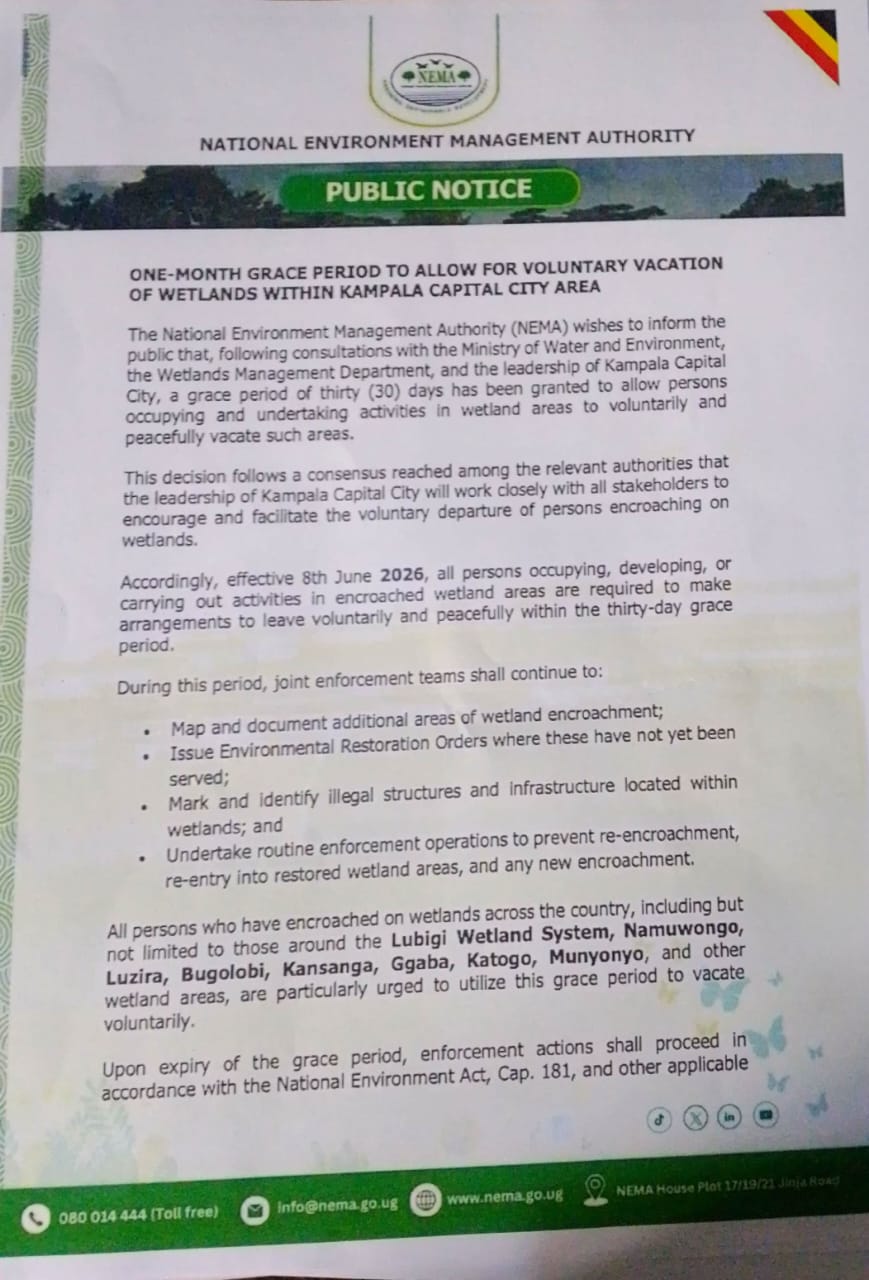
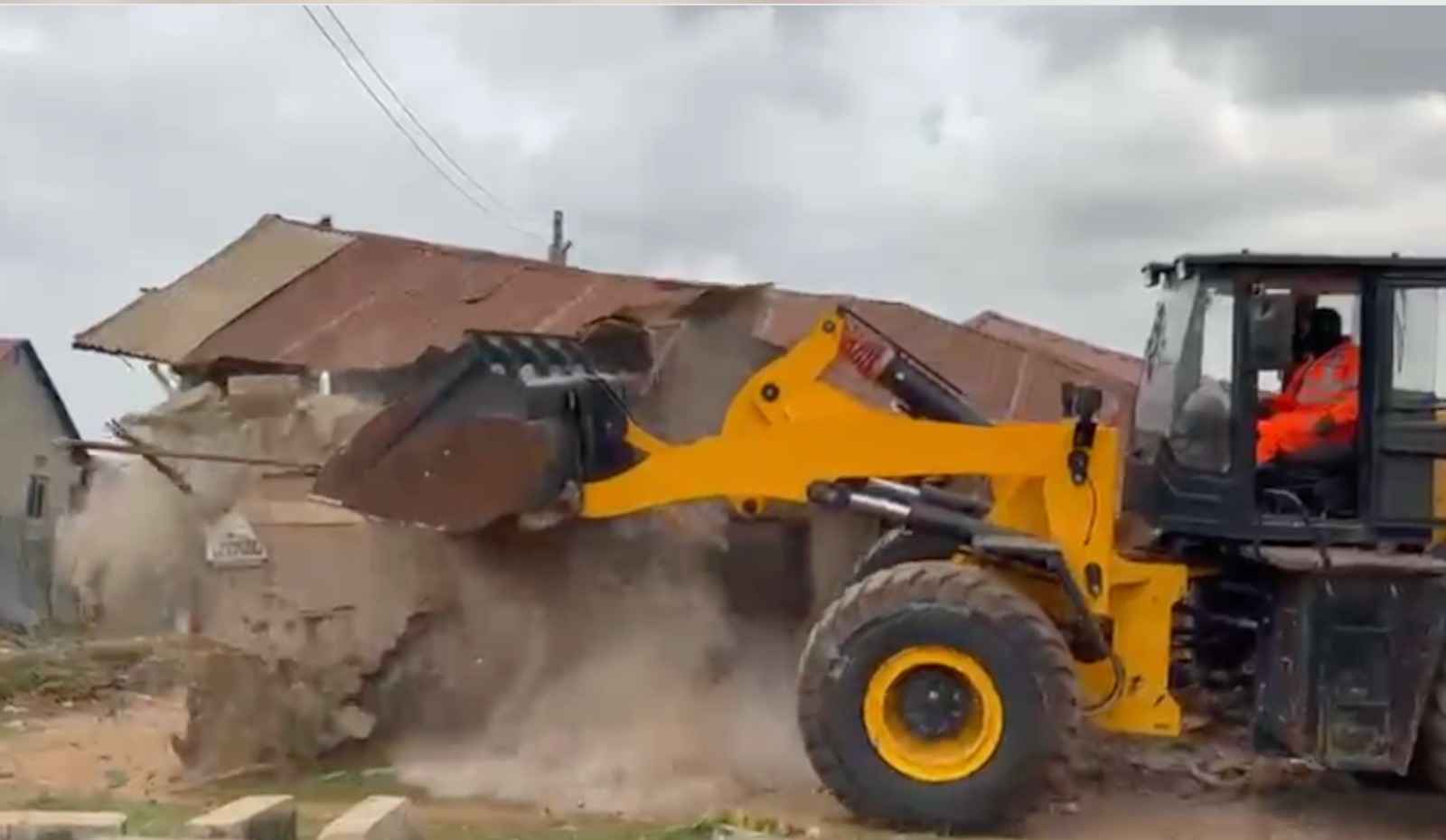
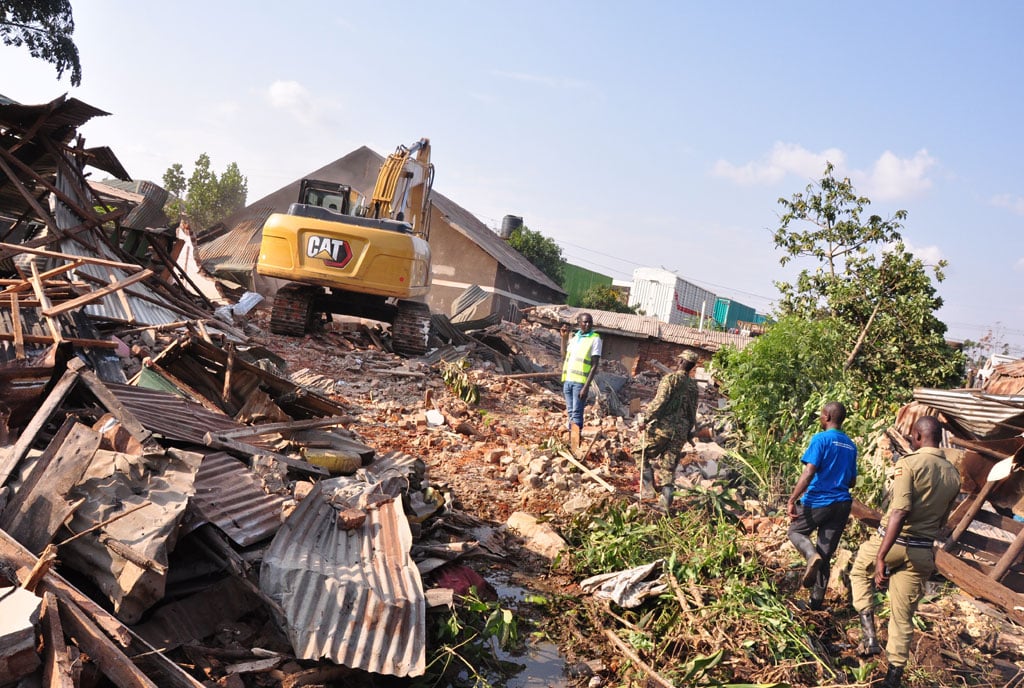
Environmental authorities later moved against settlements in areas deemed wetlands. Critics of the process argue that authorities should have conducted comprehensive compensation assessments before carrying out evictions if residents possessed recognizable occupancy interests.
Some residents contend that assistance reportedly provided through government channels was insufficient and did not reflect the actual market value of the affected land and developments.They insist that any compensation process should have adequately considered the investments made by families living on the land.
The Busabala Connection
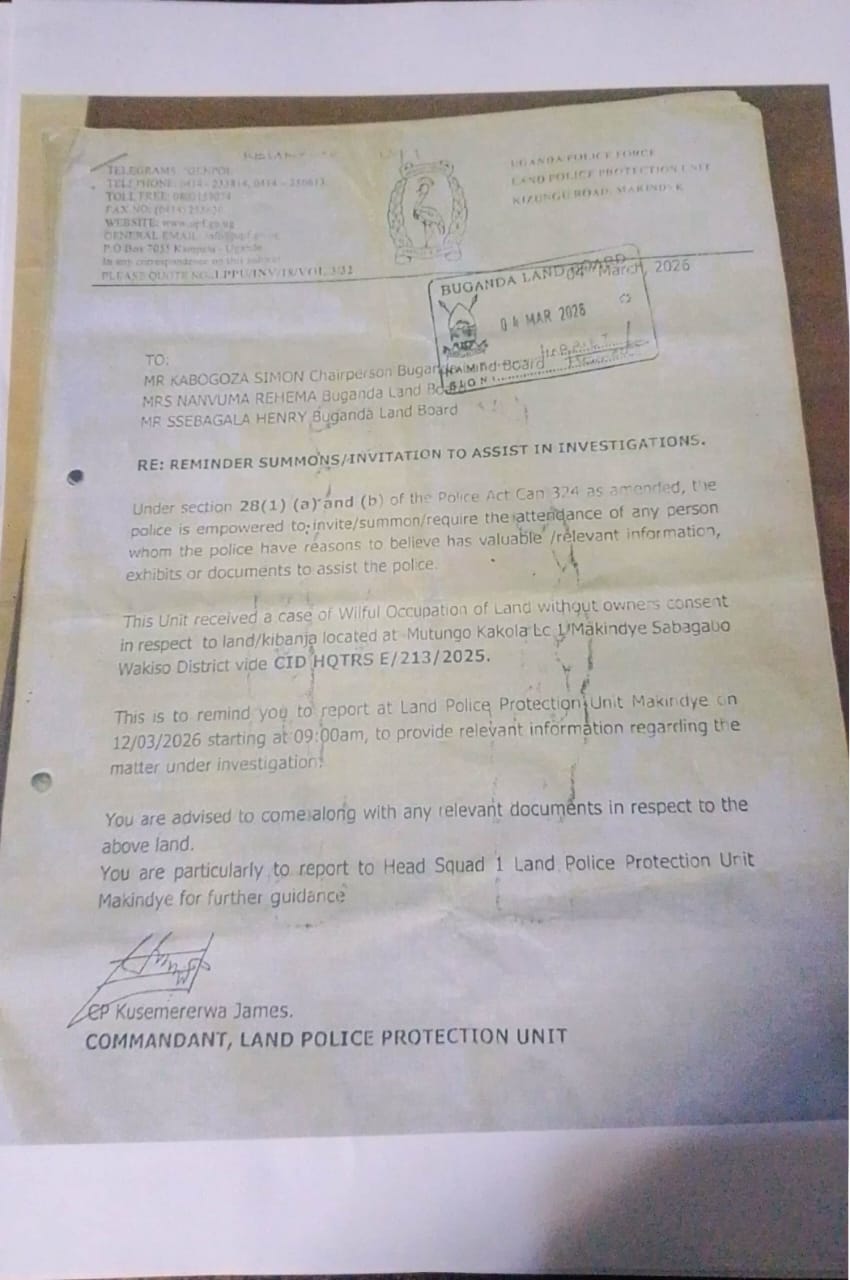
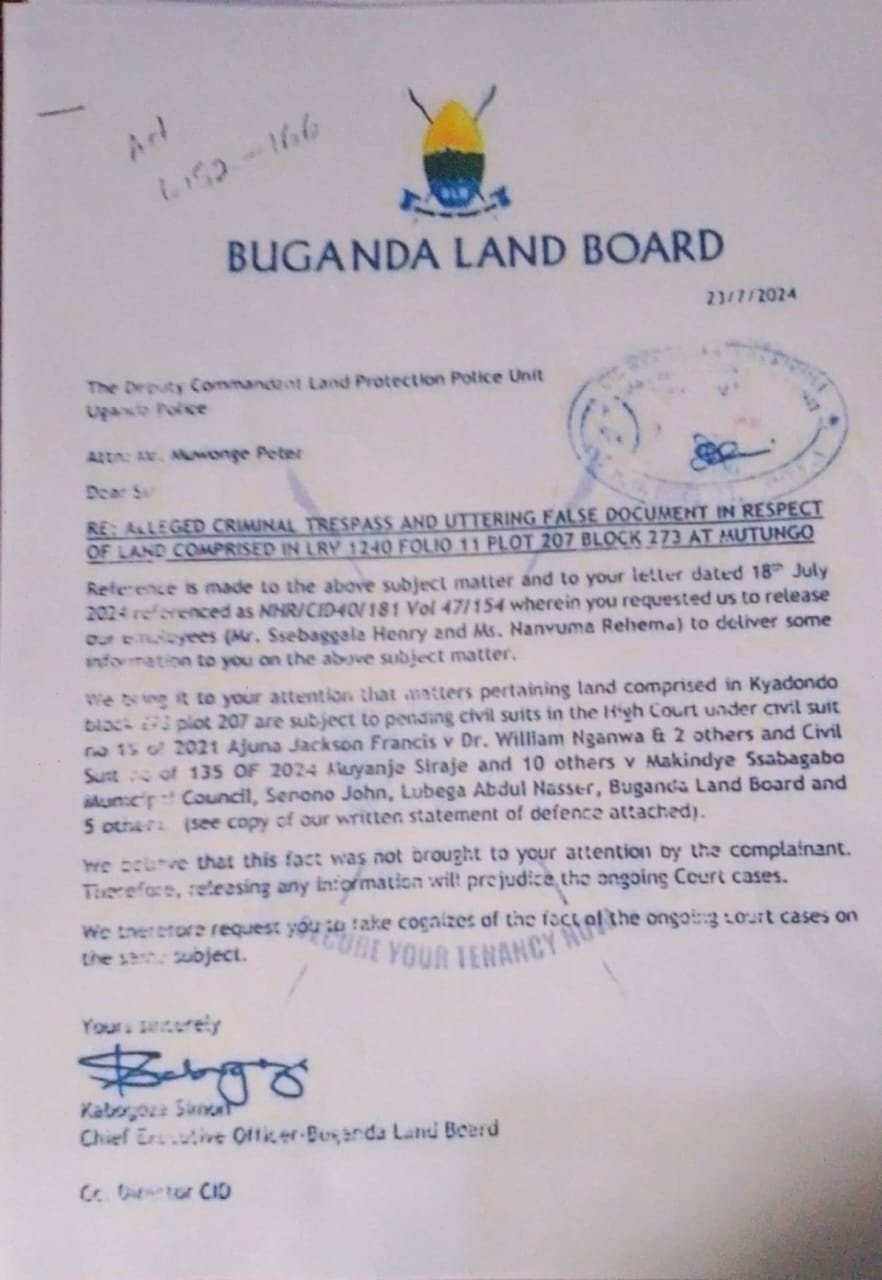
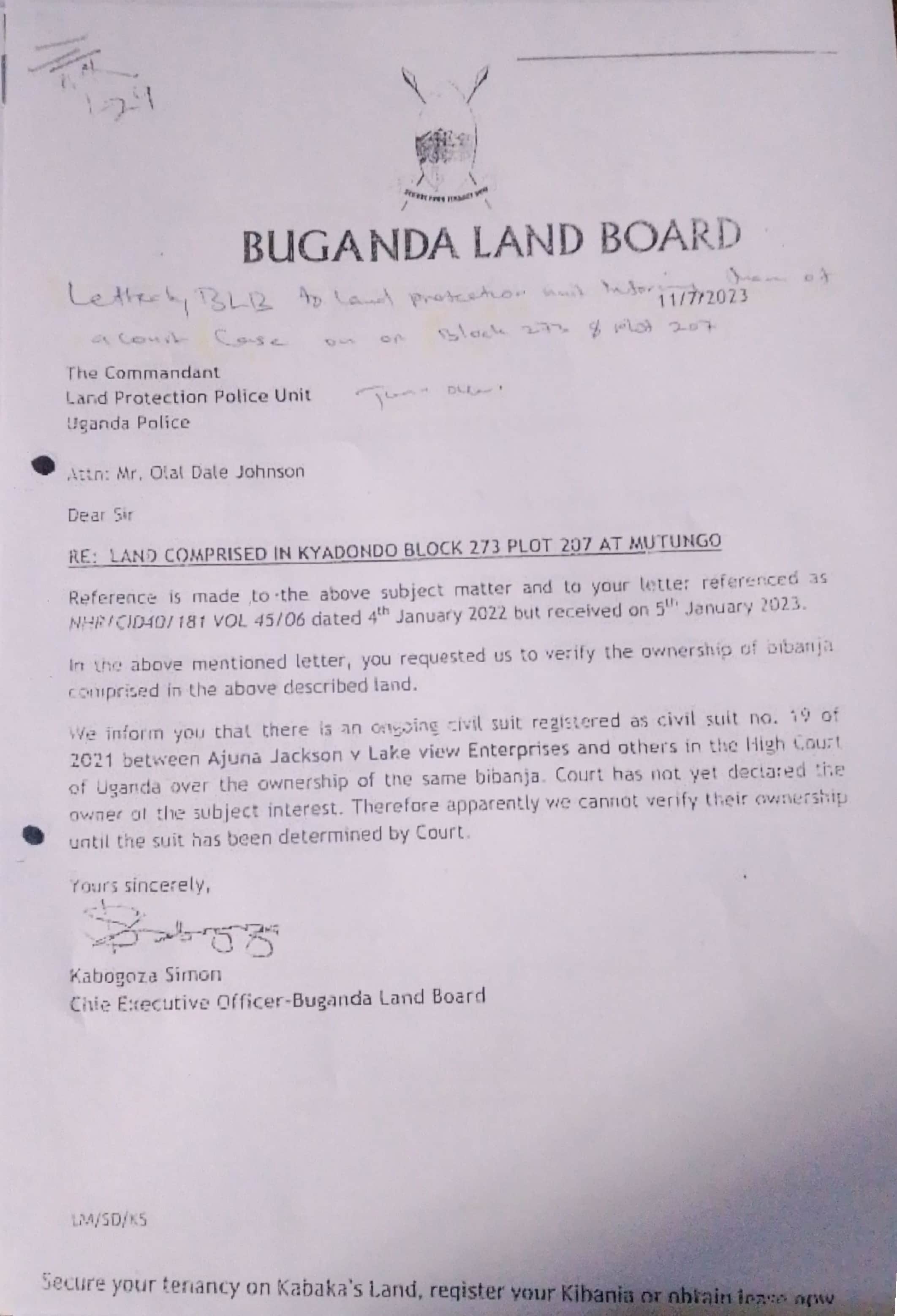
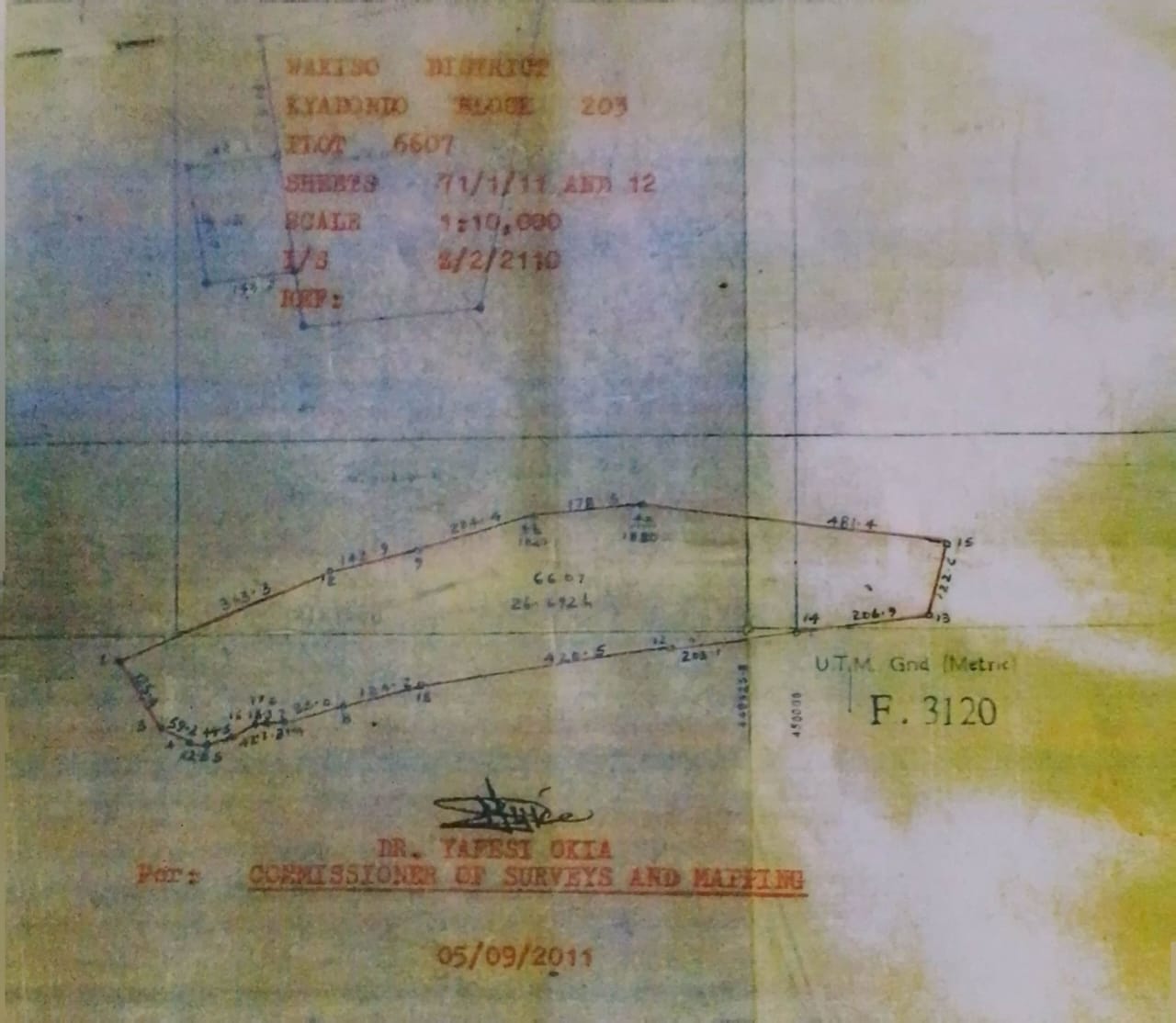
The wider land debate has also drawn attention to another disputed property in Busabala.
Residents have raised concerns regarding land developments associated with businessman Omar Ssekamate. According to locals, Ssekamate is perceived by some as having connections to influential individuals and institutions.Community members allege that environmental degradation occurred during developments in the area, including clearing wetland vegetation and undertaking construction activities near water bodies.
Some residents further claim that forest resources in nearby areas were harvested without sufficient intervention from enforcement agencies. However, supporters of the businessman dispute such allegations and maintain that developments have been conducted within the law.
Use of Influential Names
Several residents allege that powerful names have frequently surfaced during land disputes in the area. Among those mentioned are senior government officials and influential business figures. Critics argue that repeated references to high-ranking individuals create fear among residents and discourage them from pursuing legal remedies.
A former media executive (names withheld) who owns property in the area, is said to have received communication from Gen. Saleh distancing himself from some of the claims being made in his name.This has fueled further questions among residents regarding who exactly is behind various land transactions and developments.
Bishop Ssemwogerere Steps In
As tensions escalated, bibanja holders reportedly sought the intervention of Kampala Arch-Bishop Paul Ssemwogerere. According to sources, residents informed the bishop that they feared losing their land rights.The bishop is said to have raised the matter with President Yoweri Museveni, expressing concern about the plight of bibanja owners and warning that many families risked displacement if the dispute remained unresolved.
Residents continue to call for an independent investigation into the ownership history of the contested land, compensation arrangements and the role of various institutions involved.
For many families affected by the dispute, the central question remains unresolved: who is the rightful owner of the land, and what justice should be accorded to those who have lived on it for decades?
Author Profile

- Charles Gazza Kodili is a seasoned journalist with over 20 years of experience in the media industry. He holds a Bachelor of Arts degree in Mass Communication. He’s currently the Chief Editor at the Investigator.
Charles can also be reached via; Tel: +256 774 108978
Email: [email protected]
Latest entries
 FeaturedOctober 9, 2026UGANDA ECONOMY TO HIT $73.96B: President Museveni Cites Decades Of Economic Growth As He Receives A Top National Honour During The 64th Independence Anniversary Celebrations At State House, Entebbe
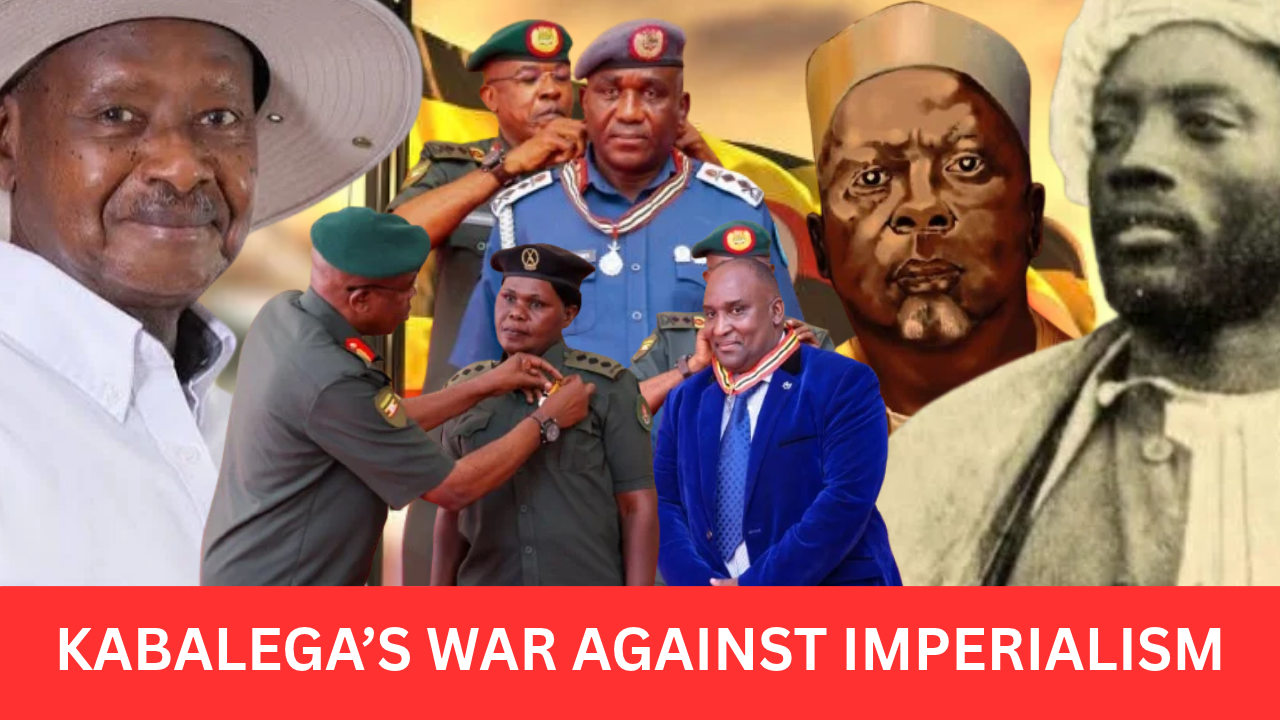 FeaturedOctober 9, 2026KABALEGA: THE KING WHO FOUGHT THE BRITISH: From Battles Against Sir Samuel Baker To Uganda’s Independence In 1962, The Bunyoro King Became A Symbol Of Resistance Against Foreign Domination
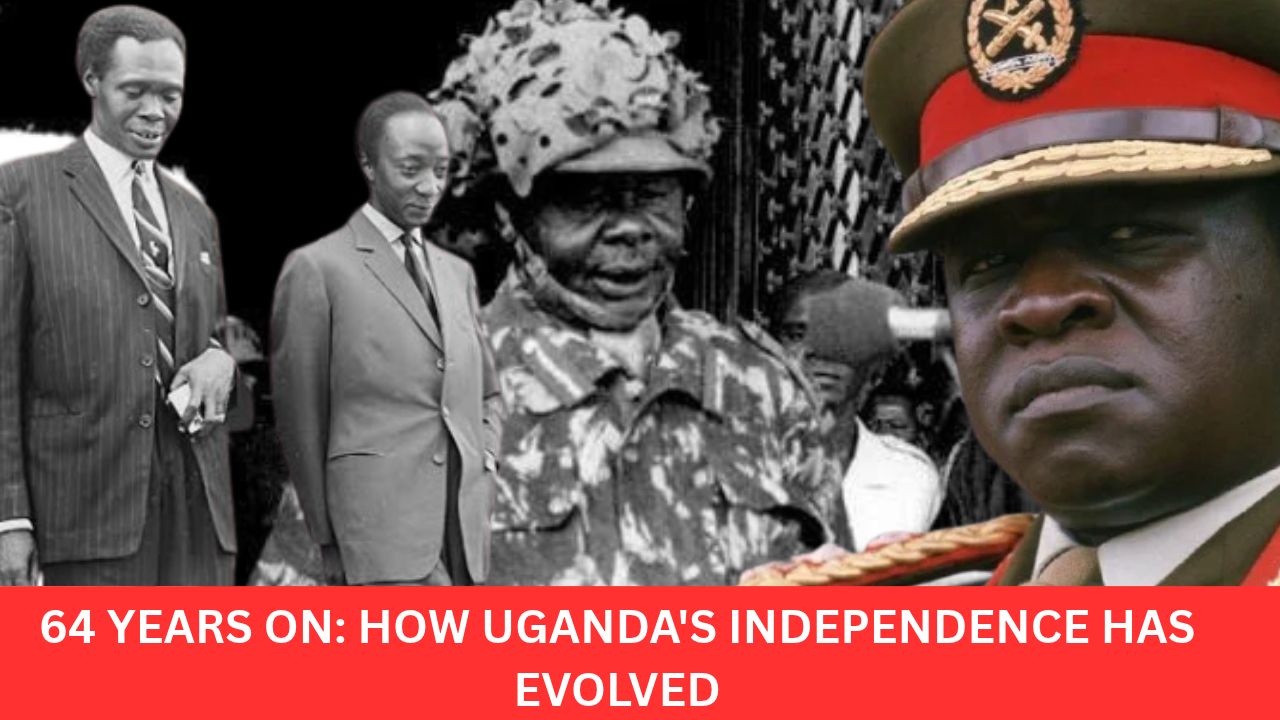 FeaturedOctober 8, 2026UGANDA AT 64: From Obote Receiving the Instruments of Power in 1962 to Museveni Receiving a National Medal in 2026, Uganda’s Independence Story Remains Unfinished. We Journey With You the Thorney 6+ Decades of Uhuru
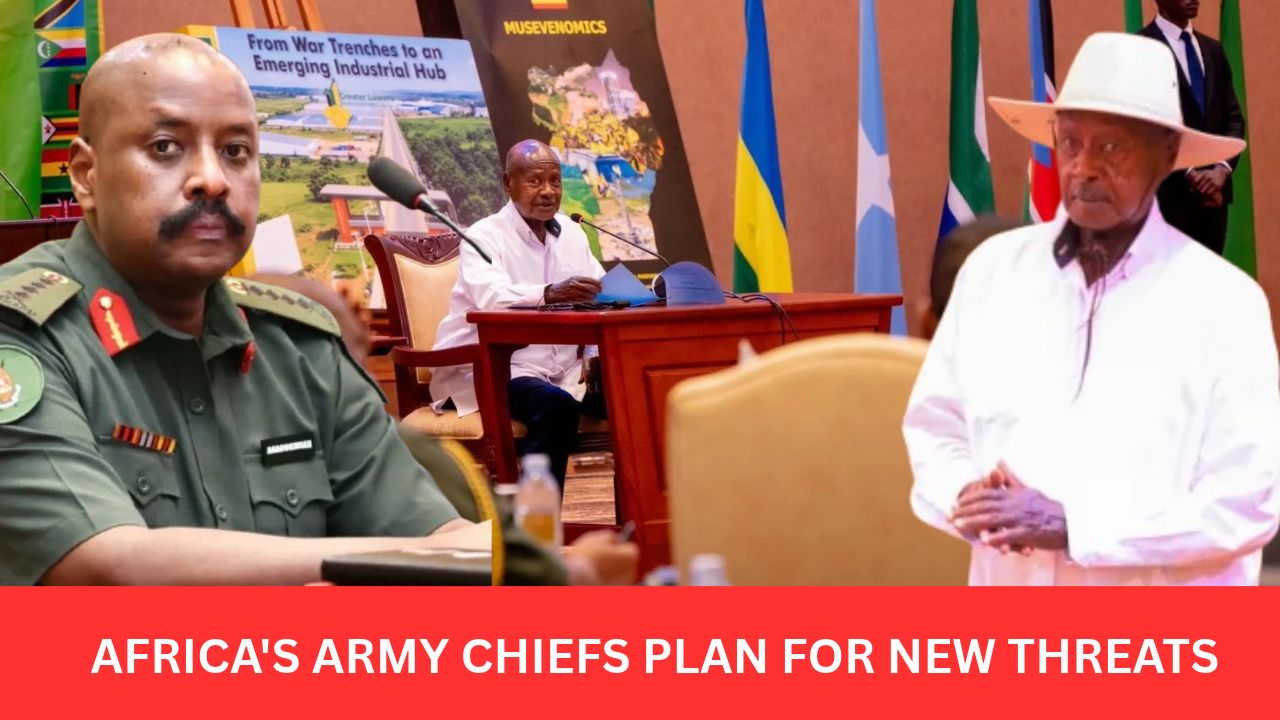 FeaturedOctober 8, 2026AFRICA MUST PREPARE FOR NEW WARS – MUSEVENI: The President Challenges Defence Chiefs to Link Military Strength With Economic Power, Political Stability and Regional Integration as African Armies Rethink Security Beyond Conventional Warfare