










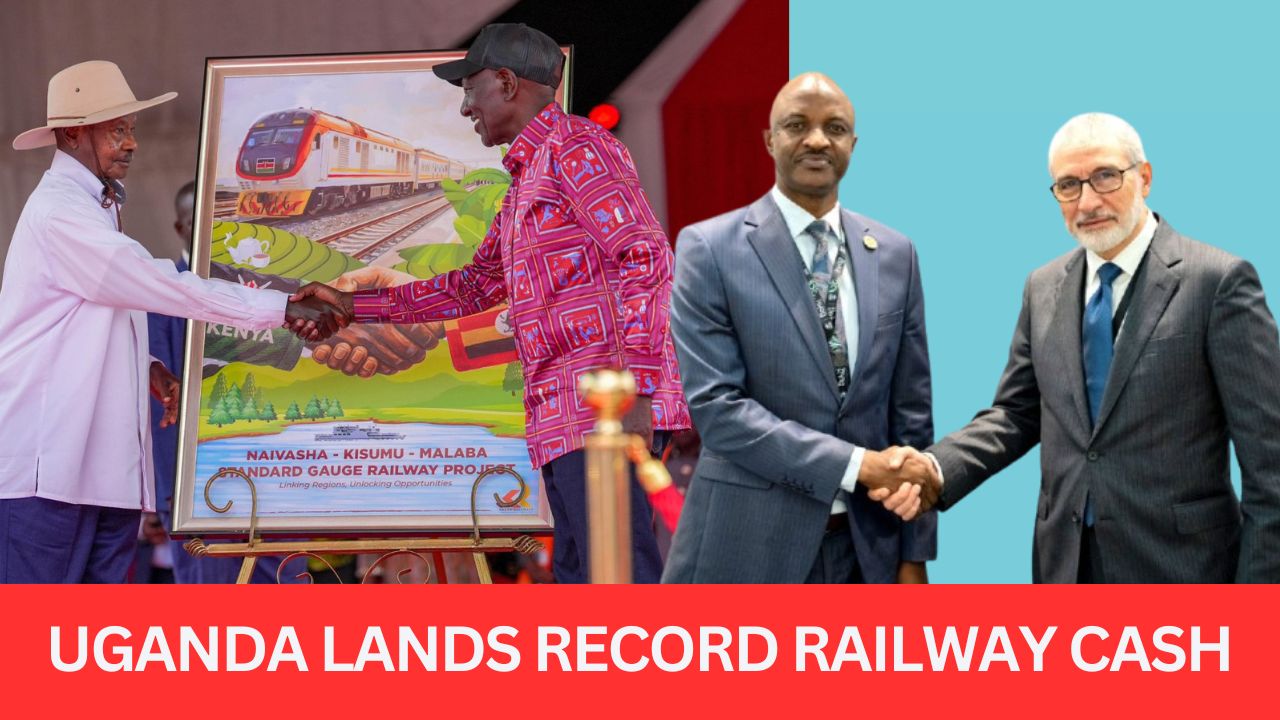
Uganda has received a major financial boost for its long-delayed Standard Gauge Railway (SGR) project after the Islamic Development Bank (IsDB) approved financing worth EUR650.75 million (about Shs2.73 trillion), marking the single largest amount ever approved by the bank for one project in Uganda.
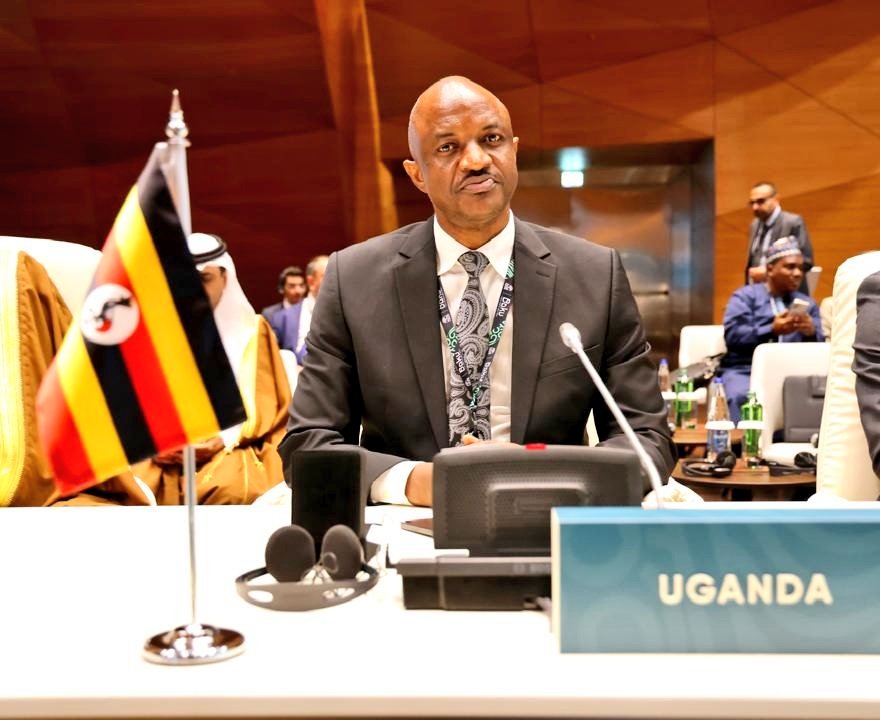
The landmark approval was made during the 51st Islamic Development Bank Group Board of Governors’ Annual Meetings held in Baku, Azerbaijan, from June 16 to 19 under the theme “Regional Integration for Sustainable Prosperity.”
The financing represents a significant milestone in Uganda’s quest to modernize its transport infrastructure and revive a railway project that has suffered years of delays, changes in financing arrangements and contractor disputes.
LARGEST IsDB FINANCING FOR UGANDA
The approved funds will finance critical infrastructure on the eastern section of the railway, including the construction of the 553-metre Jinja Nile Bridge, the 2.12-kilometre Mbuya-Kampala tunnel, six passenger stations and three maintenance workshops.The stations will be constructed in Tororo, Iganga, Jinja, Lugazi, Kampala East and Kampala City, while railway workshops will be established in Kampala East, Jinja and Tororo.
The developments are expected to transform cargo and passenger transport between the Kenyan border and Kampala, significantly reducing transport costs and travel time while boosting regional trade.Uganda has been racing to develop its section of the railway to connect with Kenya’s Standard Gauge Railway, creating a seamless transport corridor from the Port of Mombasa into the heart of East Africa.
GOVERNMENT COMMITS TO FINANCIAL CLOSURE
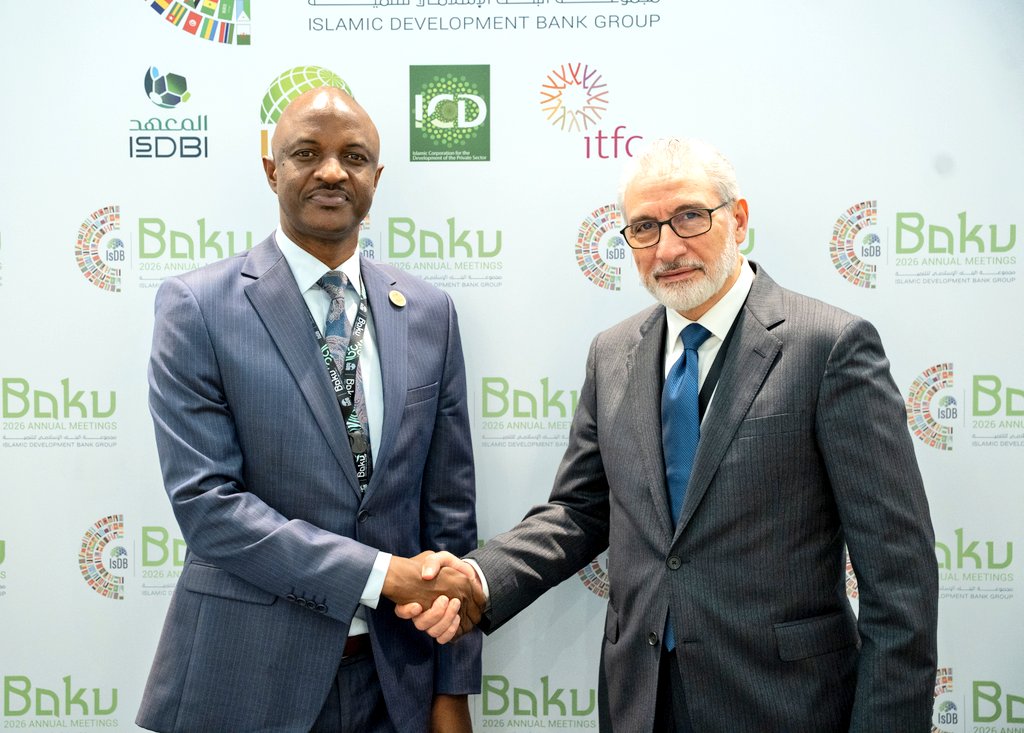
Leading Uganda’s delegation in Baku was the Permanent Secretary and Secretary to the Treasury (PS/ST), Ramathan Ggoobi, who represented the Governor of the Bank of Uganda.
Ggoobi reaffirmed government’s commitment to ensuring the railway project proceeds without further delay.He told the meeting that Uganda is determined to achieve financial closure by November 2026, paving the way for full-scale construction works to begin.
“The Government of Uganda remains fully committed to achieving financial closure for the Standard Gauge Railway project by November 2026,” Ggoobi said during the high-level engagements.He described the railway as a strategic investment that will improve regional connectivity, lower the cost of doing business and accelerate Uganda’s industrialisation agenda.
FROM CANCELLED TURKISH CONTRACT TO NEW FINANCING
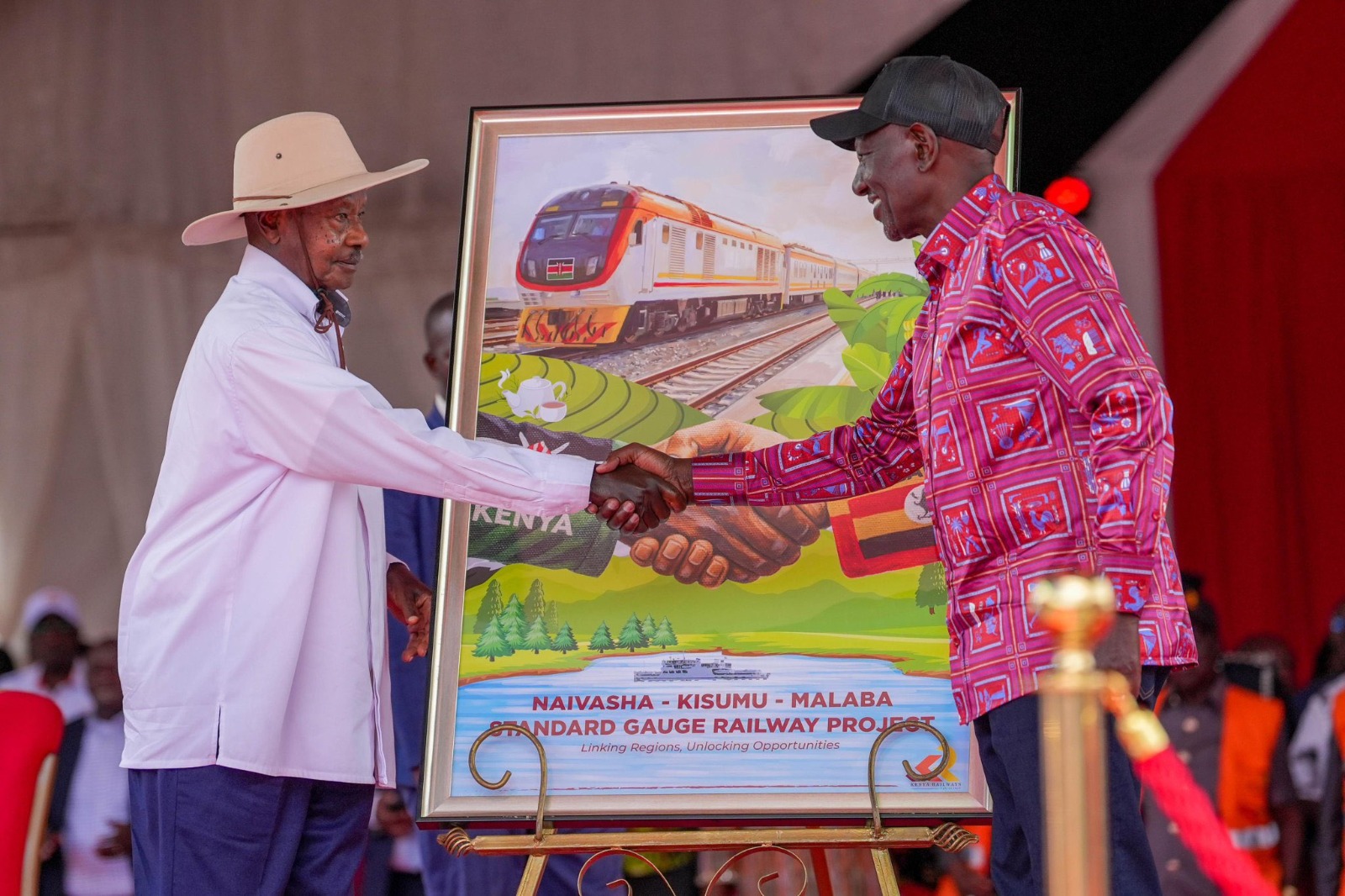
The latest financing comes months after government dramatically changed the implementation strategy for the Standard Gauge Railway.This week, Chief of Defence Forces Gen. Muhoozi Kainerugaba announced that the government had cancelled the proposed engineering, procurement and construction contract that had been awarded to Turkish construction company Yapı Merkezi.
The Turkish firm had been selected to construct the eastern section of Uganda’s Standard Gauge Railway stretching from Malaba through Kampala.However, the project stalled as government struggled to secure financing and complete commercial negotiations.
Gen. Muhoozi later revealed that the arrangement with the Turkish contractor had been terminated, saying Uganda would pursue a different approach that would enable the country to move the project forward more quickly.
The cancellation sparked public debate about the future of the multi-billion-dollar railway, with analysts questioning whether Uganda would secure alternative funding in time.The approval by the Islamic Development Bank now provides one of the strongest indications yet that the project is back on track and that government has identified a viable financing framework.
The railway is regarded as one of Uganda’s most important infrastructure projects because it is expected to replace the aging metre-gauge railway system and improve the movement of exports and imports between Uganda and the Port of Mombasa.
IsDB DEEPENS INVESTMENT IN UGANDA
The latest approval also strengthens the Islamic Development Bank’s growing investment portfolio in Uganda.As of May 2026, Uganda had eight active IsDB-funded public sector operations valued at US$896.55 million, with transport infrastructure accounting for the largest share.
Among the major projects financed by the bank are the upgrading of the Muyembe-Nakapiripirit Road, the Rwenkunye-Apac-Lira-Acholibur Road, irrigation schemes in Unyama, Namalu and Sippi, and investments in technical and vocational education.
The bank is also financing several strategic road projects, including the upgrading of Katine-Ochero Road, construction of the Masindi Port Bridge, improvement of roads in Kyenjojo, Rwamwanja and Kahunge, as well as the upgrading of the Kumi-Ngora-Serere-Kagwara Road.
In the health sector, IsDB is supporting the establishment of Regional Oncology Centres in Arua and Mbale.The expanding partnership reflects the bank’s increasing confidence in Uganda’s infrastructure development programme.
CALL FOR MORE AFFORDABLE DEVELOPMENT FINANCING
During the Governors’ Roundtable, Ggoobi welcomed the launch of the Islamic Development Bank’s new Concessional Fund (ICF), describing it as timely given the growing financing pressures facing developing countries.
He noted that traditional sources of foreign aid have continued to decline in both volume and reliability, creating wider financing gaps for countries pursuing ambitious development programmes.”The new Concessional Fund is particularly important because traditional foreign aid is declining in both volume and reliability, widening the financing gap for developing countries,” Ggoobi said.
He further urged multilateral development finance institutions to reform their lending approaches so they can better respond to the evolving needs of member states.
According to Ggoobi, the changing global financial architecture requires institutions such as the Islamic Development Bank to become more inclusive, adaptive and responsive if they are to remain relevant in supporting sustainable economic growth.
RAILWAY SEEN AS ECONOMIC GAME CHANGER
Economists have long argued that completion of the Standard Gauge Railway could significantly transform Uganda’s economy by reducing freight costs, easing pressure on roads and improving regional competitiveness.Manufacturers have repeatedly complained that expensive transport remains one of the biggest obstacles to industrial growth, while exporters continue to incur high logistics costs moving goods to and from the Kenyan coast.
Once completed, the railway is expected to handle millions of tonnes of cargo annually, reduce heavy truck traffic on highways and stimulate investment in industrial parks, logistics hubs and urban development along the railway corridor.For a project that has experienced years of uncertainty, the Shs2.73 trillion financing approval represents one of the strongest signals yet that Uganda’s dream of a modern Standard Gauge Railway may finally be moving from planning to reality.
Author Profile
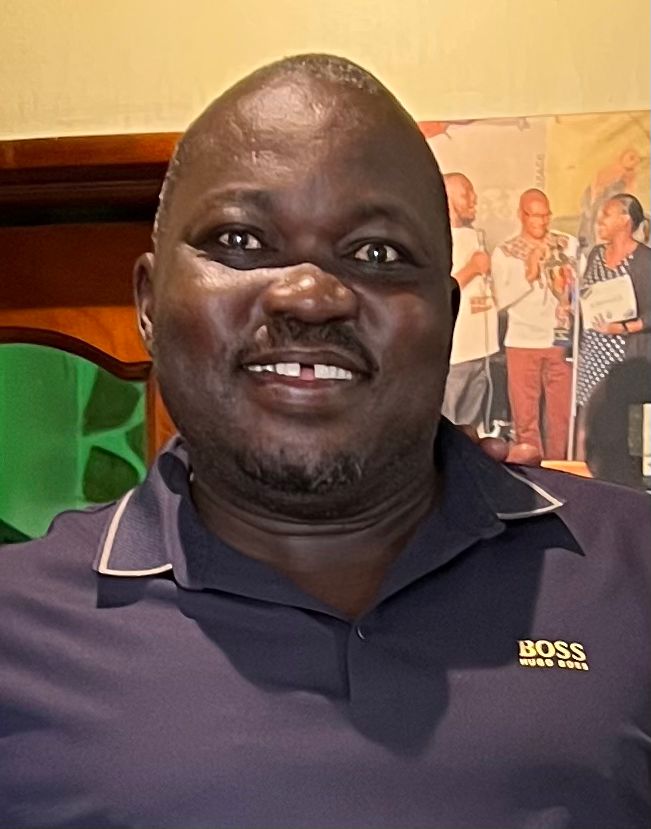
- Charles Gazza Kodili is a seasoned journalist with over 20 years of experience in the media industry. He holds a Bachelor of Arts degree in Mass Communication. He’s currently the Chief Editor at the Investigator.
Charles can also be reached via; Tel: +256 774 108978
Email: [email protected]
Latest entries
 FeaturedOctober 9, 2026UGANDA ECONOMY TO HIT $73.96B: President Museveni Cites Decades Of Economic Growth As He Receives A Top National Honour During The 64th Independence Anniversary Celebrations At State House, Entebbe
 FeaturedOctober 9, 2026KABALEGA: THE KING WHO FOUGHT THE BRITISH: From Battles Against Sir Samuel Baker To Uganda’s Independence In 1962, The Bunyoro King Became A Symbol Of Resistance Against Foreign Domination
 FeaturedOctober 8, 2026UGANDA AT 64: From Obote Receiving the Instruments of Power in 1962 to Museveni Receiving a National Medal in 2026, Uganda’s Independence Story Remains Unfinished. We Journey With You the Thorney 6+ Decades of Uhuru
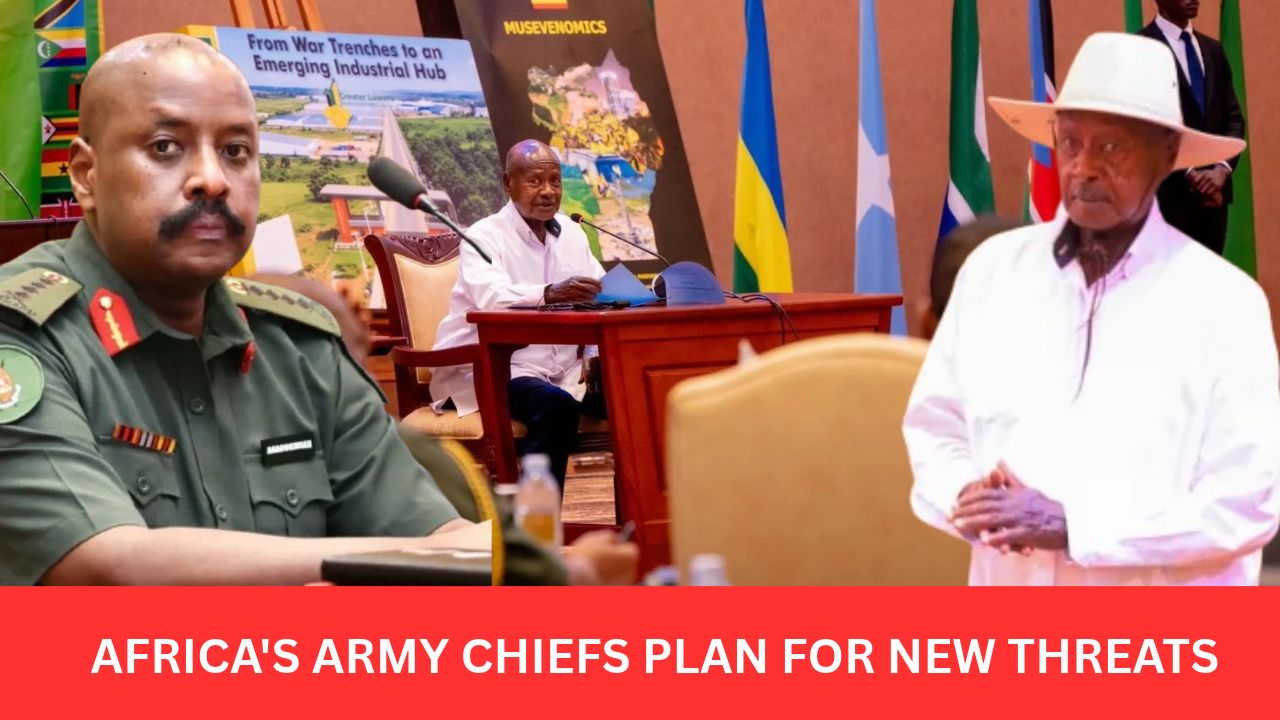 FeaturedOctober 8, 2026AFRICA MUST PREPARE FOR NEW WARS – MUSEVENI: The President Challenges Defence Chiefs to Link Military Strength With Economic Power, Political Stability and Regional Integration as African Armies Rethink Security Beyond Conventional Warfare