


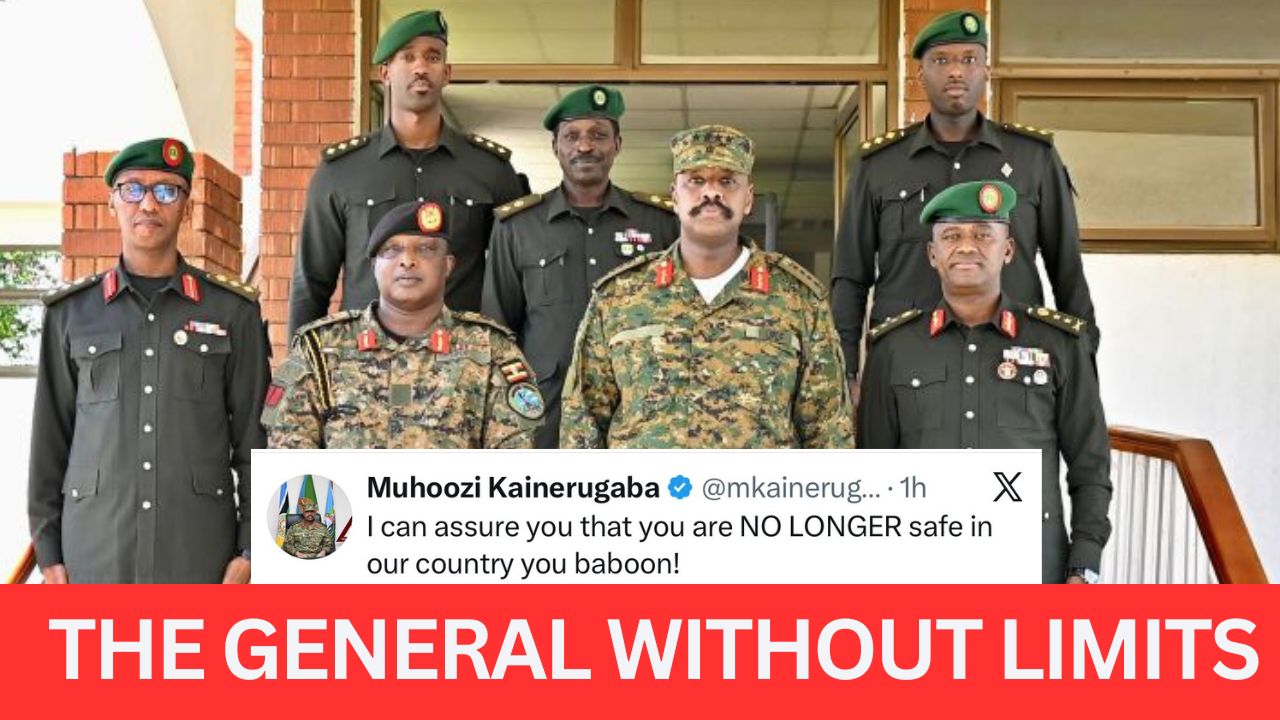
Few military officers in Uganda’s history have attracted as much attention, admiration, controversy and political intrigue as General Muhoozi Kainerugaba. Soldier, commander, presidential son and now Chief of Defence Forces (CDF), Muhoozi has steadily risen through the ranks of the Uganda People’s Defence Forces (UPDF) while simultaneously becoming one of the country’s most polarizing public figures.
Supporters portray him as a highly trained modern military commander capable of leading Uganda into a new generation. Critics, however, argue that his political activism, outspoken social media presence and apparent presidential ambitions have blurred the constitutional line separating the military from partisan politics.
His journey from a young recruit in the Local Defence Units (LDUs) to the country’s highest military office mirrors Uganda’s own political evolution under President Yoweri Museveni.
GROWING UP IN STATE HOUSE
Born in 1974 during Idi Amin’s rule, Muhoozi Kainerugaba spent much of his childhood in exile as his parents, Yoweri Museveni and Janet Museveni, fought against successive governments before eventually capturing power in 1986.
Unlike many Ugandan children, Muhoozi grew up around military camps, liberation fighters and political strategy. Those close to the First Family have often described him as quiet, disciplined and deeply interested in military affairs from an early age.
His early education took him through schools in Uganda and abroad before later pursuing university studies in the UK. He eventually obtained a degree in political science, complementing his military education with academic training in governance and international affairs.
BEGINNING AS AN LDU
Long before becoming a four-star general, Muhoozi reportedly began his military career in Uganda’s Local Defence Units (LDUs), community-based auxiliary forces established to support national security.
Former officers say this period exposed him to the basics of military discipline before he was selected for officer training overseas.
SANDHURST: THE MAKING OF AN OFFICER
One of the defining moments in Muhoozi’s military career came when he was admitted to the prestigious Royal Military Academy Sandhurst in the United Kingdom.Sandhurst has trained military officers from around the world and is renowned for producing leaders who combine battlefield skills with strategic thinking.
Upon completing his course, Muhoozi returned to Uganda and was commissioned into the Uganda People’s Defence Forces as a Lieutenant.Over the years he would attend additional military courses in the United States, Egypt and South Africa, building one of the most extensive military education portfolios among senior UPDF officers.
RAPID RISE THROUGH THE RANKS
Muhoozi’s ascent through the UPDF was swift. He served in various command positions before becoming commander of the elite Special Forces Group, later renamed the Special Forces Command (SFC), the unit responsible for protecting the President, strategic national installations and undertaking high-risk military operations.
His promotions followed a steady trajectory—from Lieutenant to Captain, Major, Lieutenant Colonel, Colonel, Brigadier, Major General, Lieutenant General, General and eventually Chief of Defence Forces.
Supporters argue these promotions reflected his operational experience and advanced military education. Critics have questioned whether his family relationship with President Museveni accelerated his rise through the ranks, a claim the government has consistently rejected.
COMMANDER OF THE SPECIAL FORCES
Muhoozi spent years commanding the Special Forces Command, transforming it into one of the UPDF’s best-equipped formations.The unit participated in regional security operations, anti-terrorism missions and high-profile security deployments. His command style was often described by allies as energetic and unconventional.
“Muhoozi does not believe in tradition. He likes doing the opposite and that’s his style of life and management,” one close ally has been quoted as saying. That unconventional streak would later become one of the defining features of his public image.
ENTER SOCIAL MEDIA
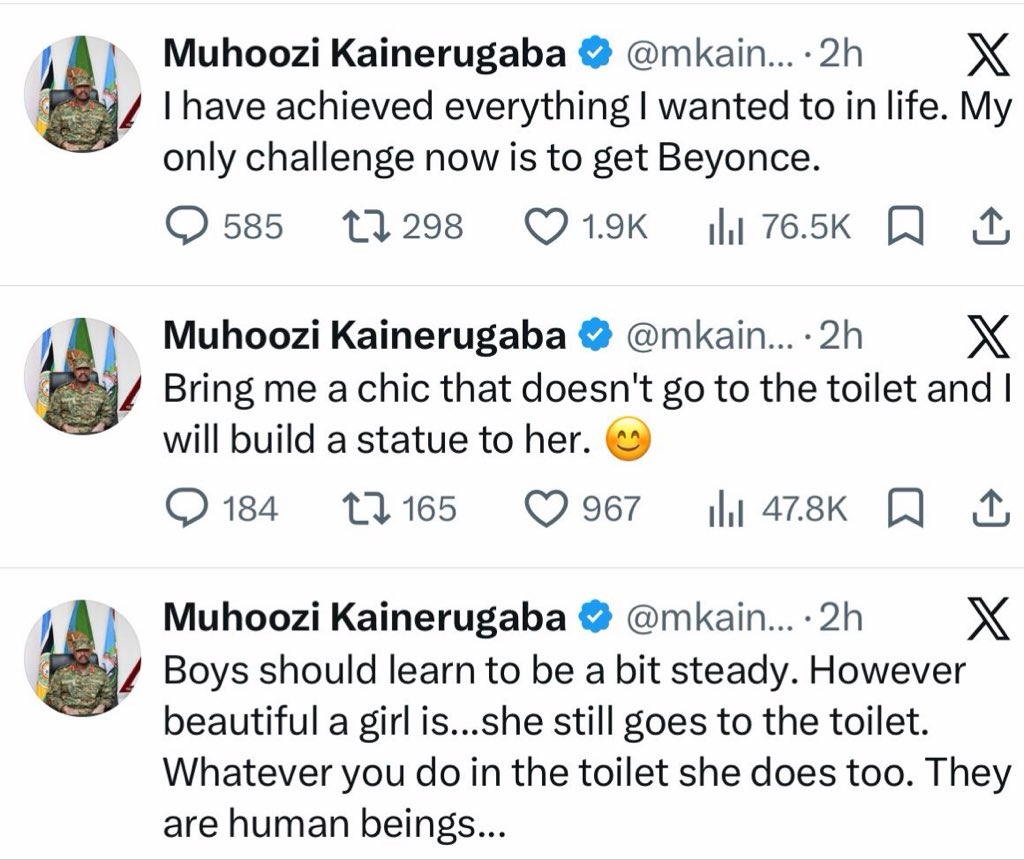
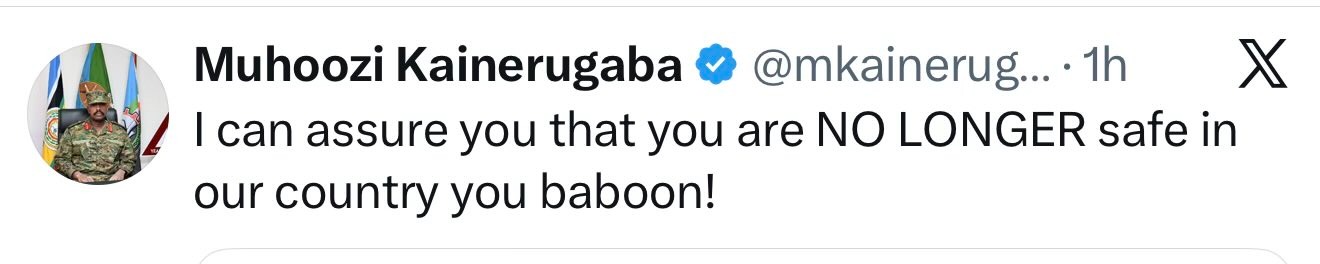
Unlike previous UPDF commanders who maintained a low public profile, Muhoozi embraced social media. His X account evolved into one of Uganda’s most influential political platforms.
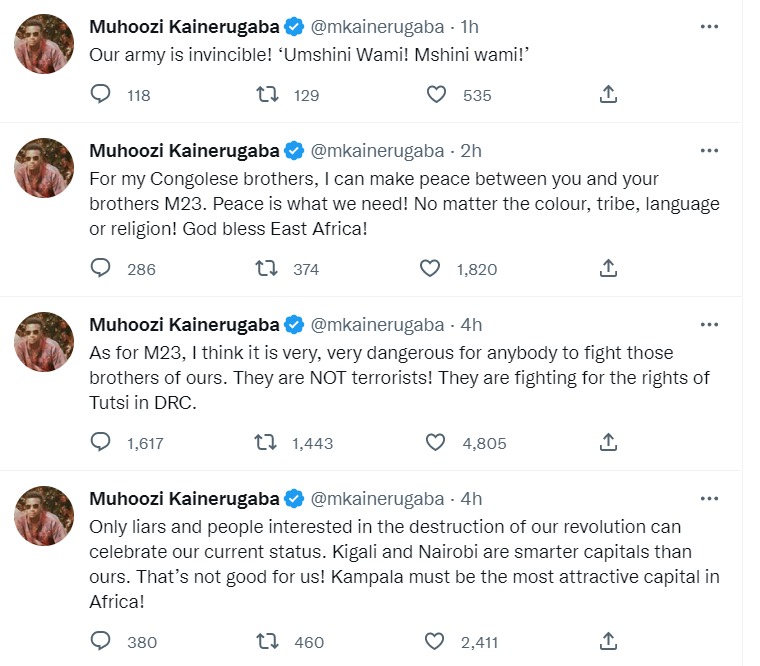
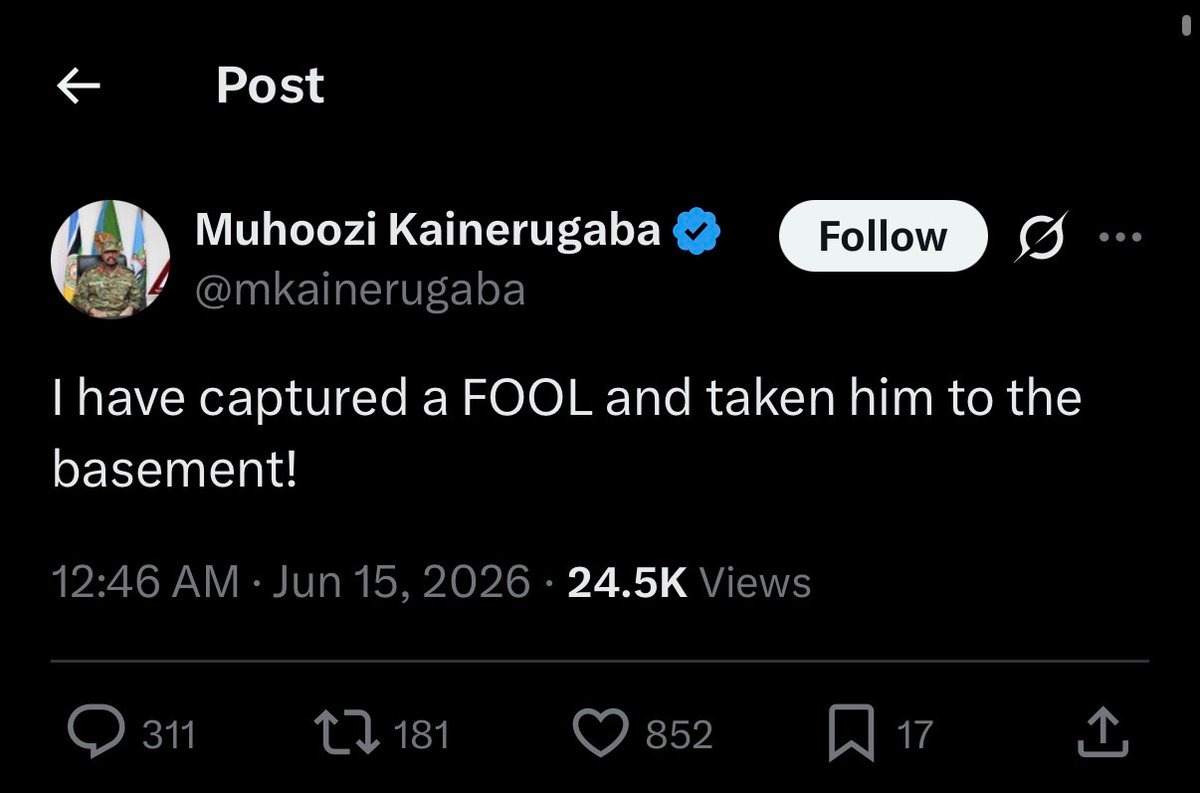
Initially used to comment on military affairs and regional diplomacy, the account gradually shifted toward domestic politics, appointments, criticism of opponents and declarations about his political future.
Some posts sparked diplomatic concern, including remarks about neighbouring countries and foreign leaders. Others openly addressed Ugandan politics, praised allies, criticised opponents and fuelled speculation about succession after President Museveni.
Supporters described his online presence as refreshing transparency from a modern military leader. Critics argued that it represented an unprecedented departure from the political neutrality expected of serving officers.
POLITICAL AMBITIONS
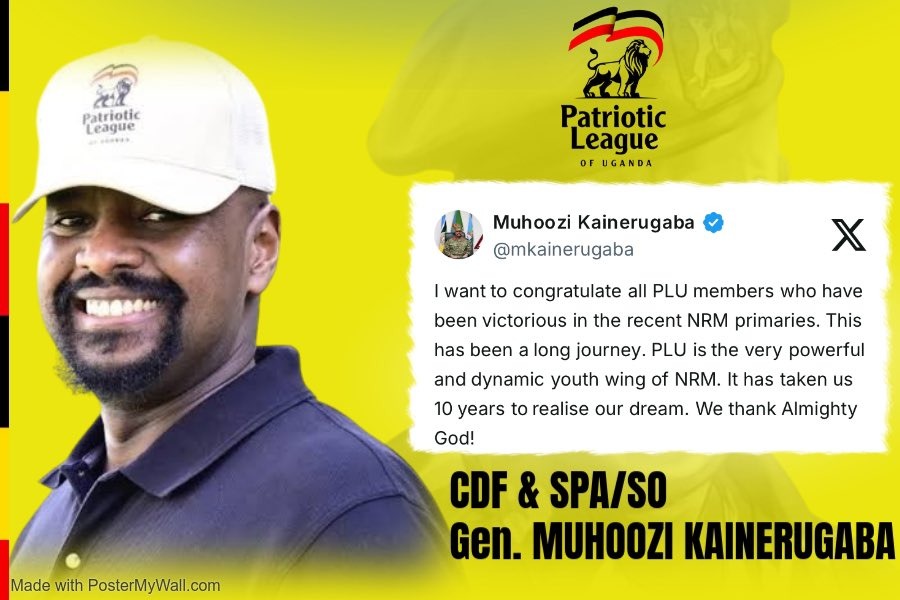
Perhaps no issue has generated more debate than Muhoozi’s perceived presidential ambitions.Over the past several years he has repeatedly made public statements suggesting an interest in Uganda’s highest office.
These comments coincided with the emergence of the Patriotic League of Uganda (PLU), a political mobilisation platform that organised nationwide events, recruited supporters and promoted Muhoozi’s leadership.
Although PLU leaders have described the organisation as a civic movement, opposition politicians and constitutional lawyers have argued that it effectively functions as a political pressure group centred on a serving military officer.
The Constitution and the UPDF Act place restrictions on partisan political activity by serving members of the armed forces. Whether Muhoozi’s activities breach those provisions has become the subject of sustained public debate.
A DIFFERENT KIND OF GENERAL
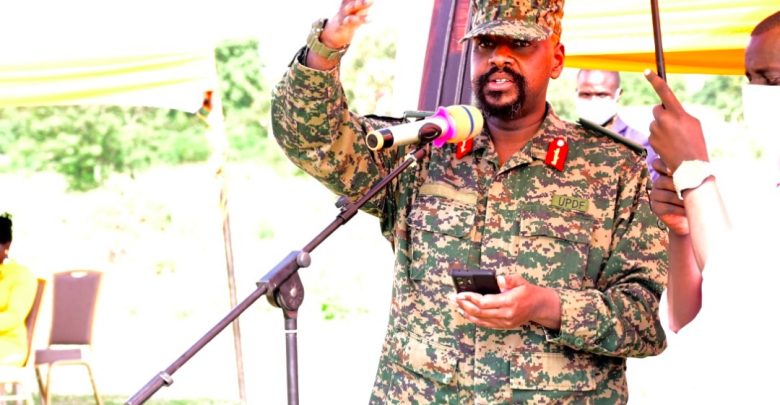
Beyond politics, Muhoozi has also cultivated an image that differs from traditional military convention.
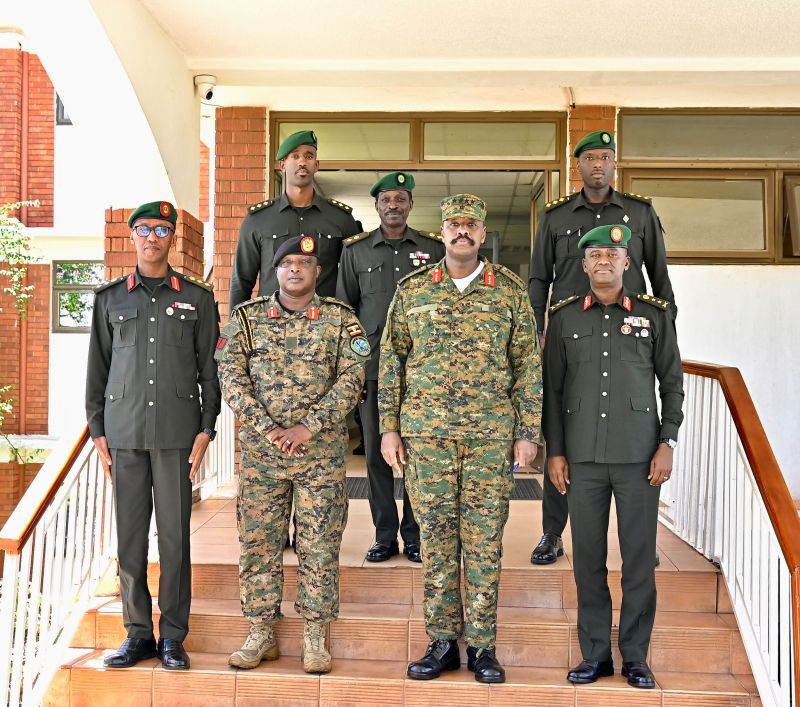
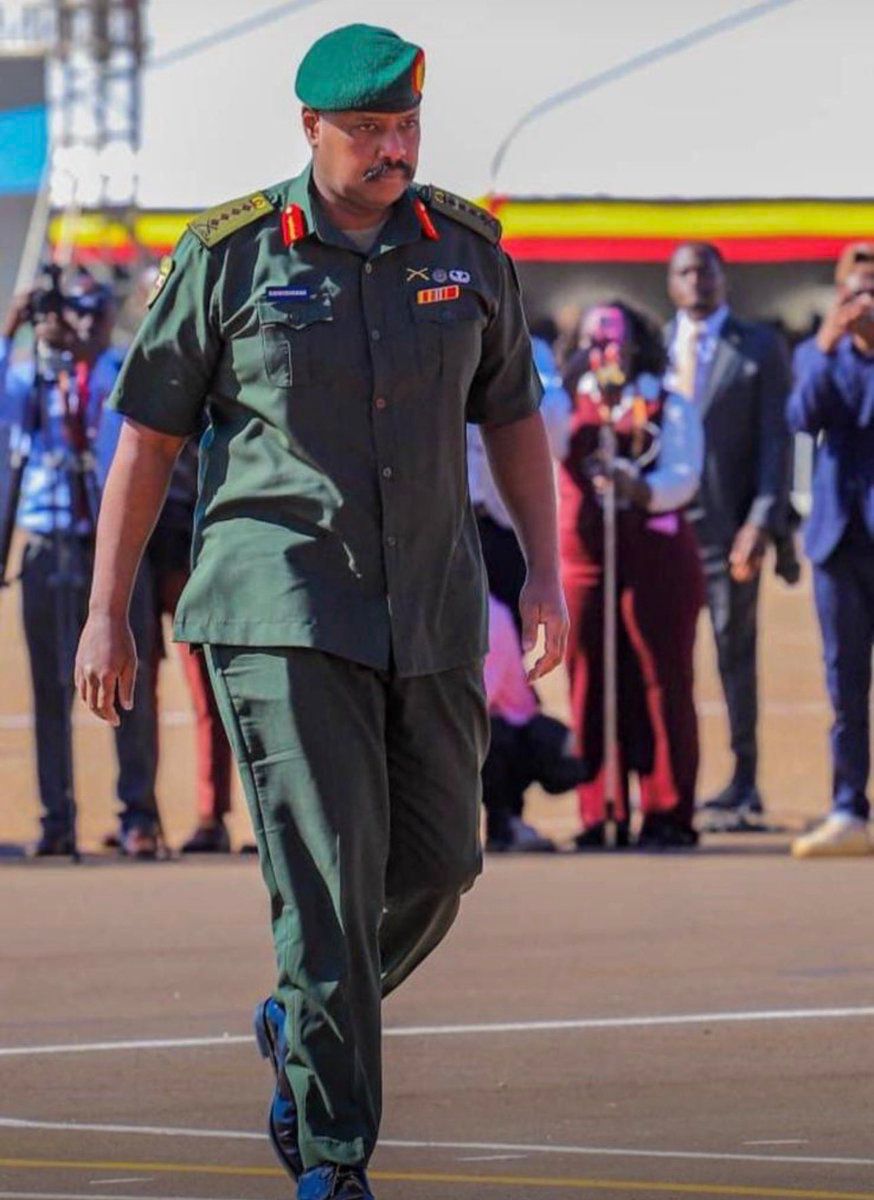
He has at times appeared publicly with a full beard, an appearance that has prompted debate because military dress and grooming regulations generally prescribe standards intended to promote uniformity, discipline and operational readiness. Observers have also commented on his manner of wearing combat uniform, with some critics arguing that it departs from customary military practice. In the UPDF custom, a soldier wearing combat uniform MUST TUCK the bottom of the trousers into the boots. However, the Muhoozi of today does not TUCK.
Such discussions have been used by critics to argue that Muhoozi often projects an unconventional leadership style, while supporters view these choices as personal expression that does not diminish his effectiveness as a commander.
DEBATE OVER MILITARY NEUTRALITY
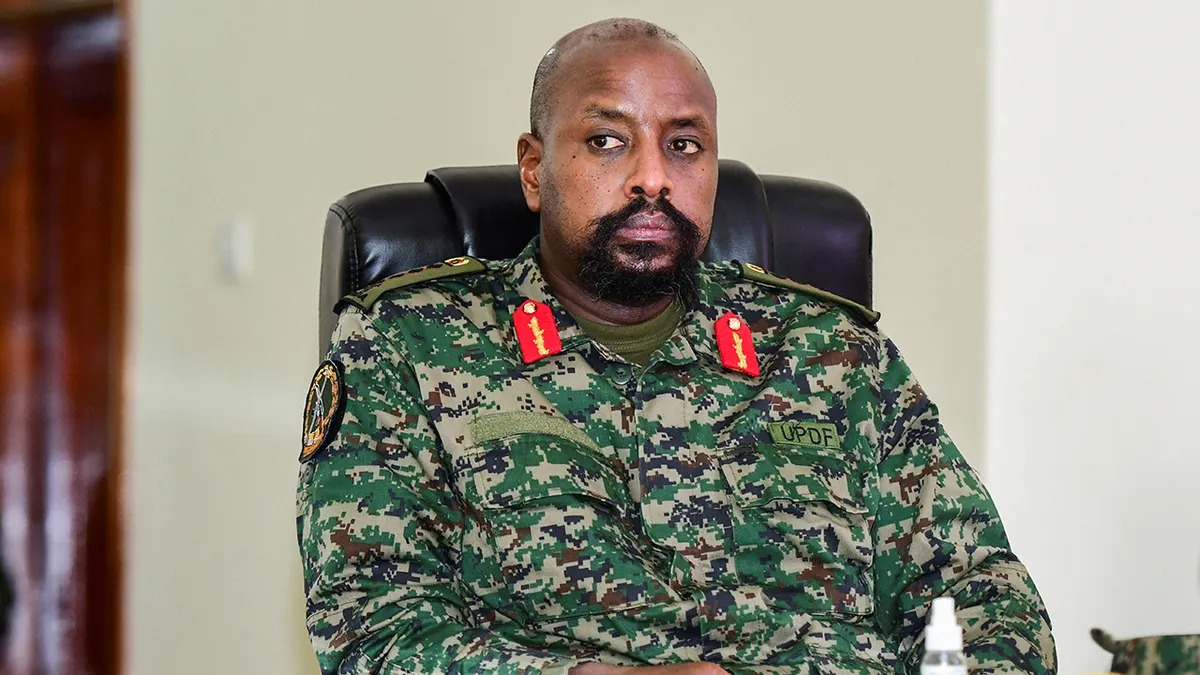
Several analysts argue that Muhoozi’s public political engagement has tested long-standing norms regarding the role of serving military officers.
Associate Director of the Great Lakes Institute for Strategic Studies, Godber Tumushabe, has argued that “The Chief of Defence Forces has been acting with a high level of impunity and disregard since being appointed as CDF.”
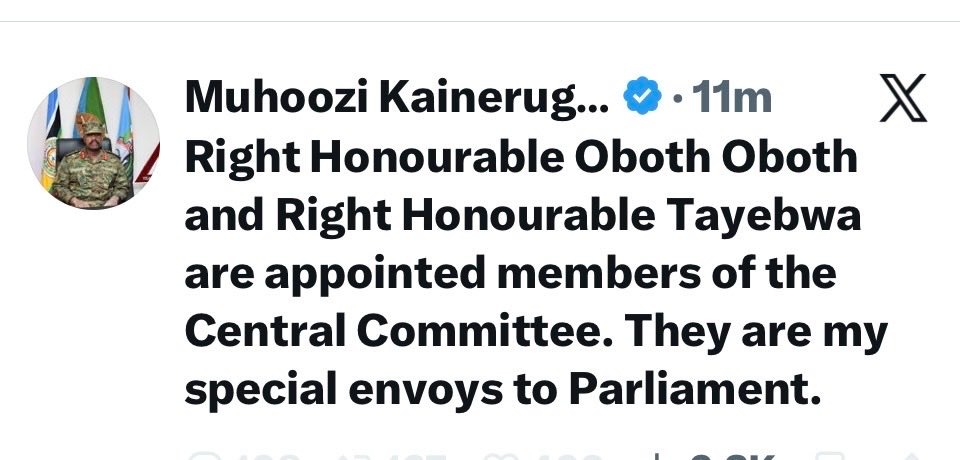
Critics point to his extensive political commentary, public endorsements, and appointments of political figures as envoys or representatives on his behalf as examples of conduct they believe should be scrutinised against the legal framework governing the UPDF.
Supporters, on the other hand, contend that Muhoozi’s influence reflects his national popularity and strategic importance, and note that many of his public statements are expressions of opinion rather than operational military directives.
HISTORICAL PRECEDENT
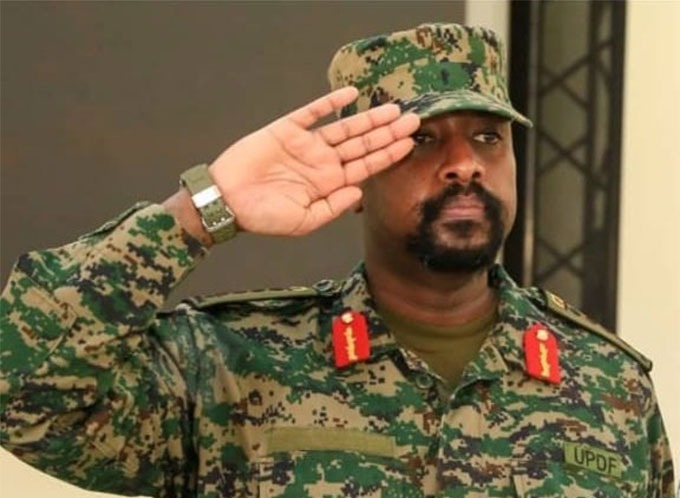
Uganda’s military has previously disciplined senior officers over political engagement.
One of the most cited examples is Lt Gen Henry Tumukunde, who in 2005 faced military disciplinary proceedings after participating in a politically sensitive radio talk show while still a serving officer. He was later tried before the General Court Martial.
The case is frequently referenced by legal commentators when discussing expectations of political neutrality within the armed forces.Whether the same standards should apply in today’s circumstances remains a subject of legal and political debate.
SUPPORTERS SEE A FUTURE PRESIDENT
Among Muhoozi’s supporters, there is little doubt about his political future. His nationwide mobilisation campaigns, birthday celebrations drawing thousands of supporters and endorsements from politicians have reinforced perceptions that he is positioning himself for Uganda’s presidency once he leaves military service.
Supporters frequently describe him as a decisive leader capable of modernising Uganda’s institutions and maintaining regional security.
CRITICS WARN OF MILITARISING POLITICS
Opposition leaders, governance activists and constitutional scholars have expressed concern that the increasing visibility of a serving CDF in partisan political discourse risks blurring the separation between civilian politics and military command.
They argue that maintaining the political neutrality of the armed forces is an important constitutional principle intended to preserve public confidence in national institutions.
Government officials and Muhoozi’s supporters have rejected suggestions that his conduct undermines the military, maintaining that the UPDF remains a professional force committed to its constitutional mandate.
AN UNFINISHED STORY
Nearly four decades after President Museveni took power, Muhoozi Kainerugaba stands at the centre of Uganda’s most consequential political succession debate.
His career has been marked by elite military training, rapid promotions, command of the country’s most powerful military unit and eventual appointment as Chief of Defence Forces. At the same time, his outspoken public persona, political mobilisation and unconventional style have generated persistent legal and political debate.
Whether history ultimately remembers him primarily as a distinguished soldier, a transformative military commander or a future political leader will depend on how the next chapter of Uganda’s story unfolds.What is already clear is that few figures have shaped contemporary discussions about the relationship between the military, politics and leadership in Uganda as profoundly as Muhoozi Kainerugaba.
Author Profile
- Charles Gazza Kodili is a seasoned journalist with over 20 years of experience in the media industry. He holds a Bachelor of Arts degree in Mass Communication. He’s currently the Chief Editor at the Investigator.
Charles can also be reached via; Tel: +256 774 108978
Email: [email protected]
Latest entries
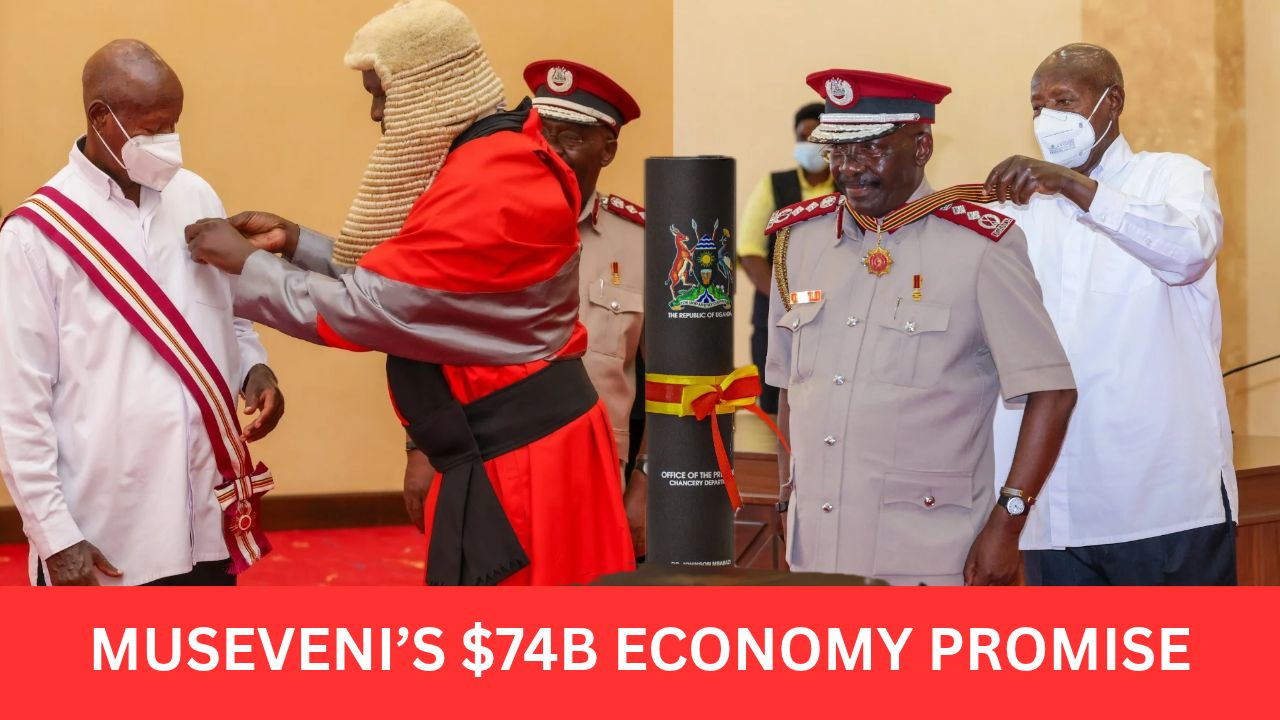 FeaturedOctober 9, 2026UGANDA ECONOMY TO HIT $73.96B: President Museveni Cites Decades Of Economic Growth As He Receives A Top National Honour During The 64th Independence Anniversary Celebrations At State House, Entebbe
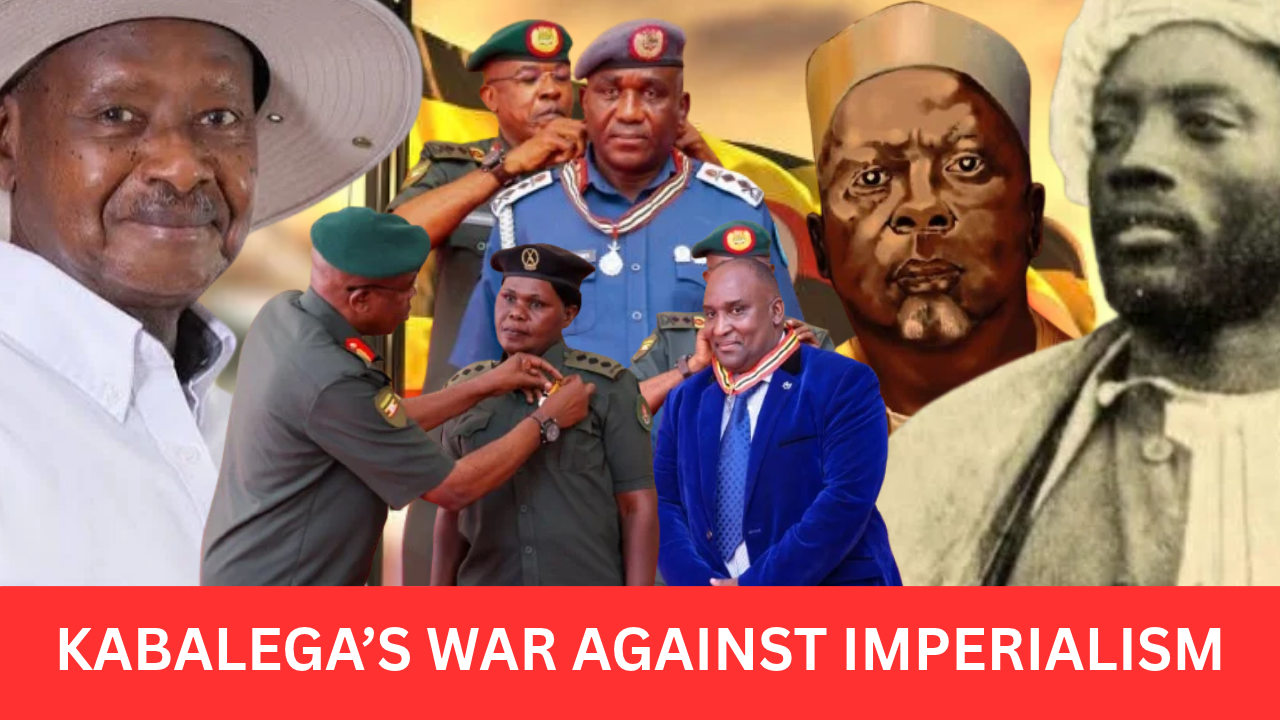 FeaturedOctober 9, 2026KABALEGA: THE KING WHO FOUGHT THE BRITISH: From Battles Against Sir Samuel Baker To Uganda’s Independence In 1962, The Bunyoro King Became A Symbol Of Resistance Against Foreign Domination
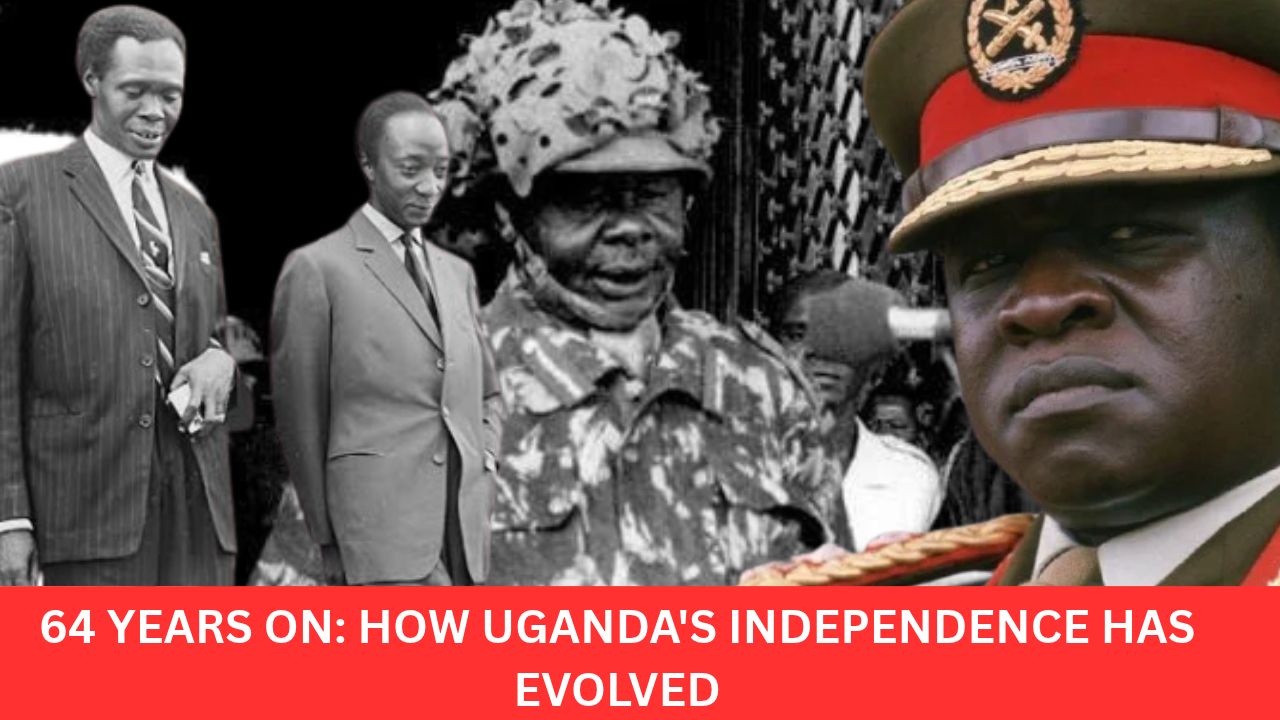 FeaturedOctober 8, 2026UGANDA AT 64: From Obote Receiving the Instruments of Power in 1962 to Museveni Receiving a National Medal in 2026, Uganda’s Independence Story Remains Unfinished. We Journey With You the Thorney 6+ Decades of Uhuru
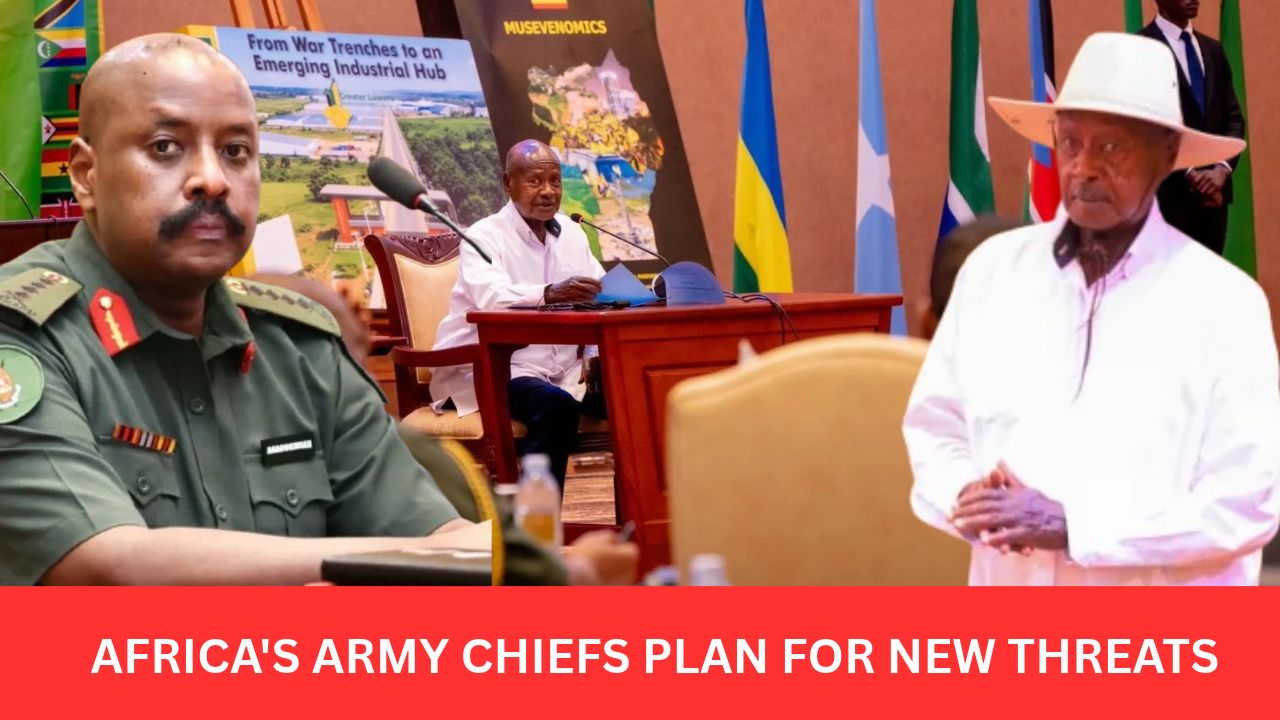 FeaturedOctober 8, 2026AFRICA MUST PREPARE FOR NEW WARS – MUSEVENI: The President Challenges Defence Chiefs to Link Military Strength With Economic Power, Political Stability and Regional Integration as African Armies Rethink Security Beyond Conventional Warfare