
















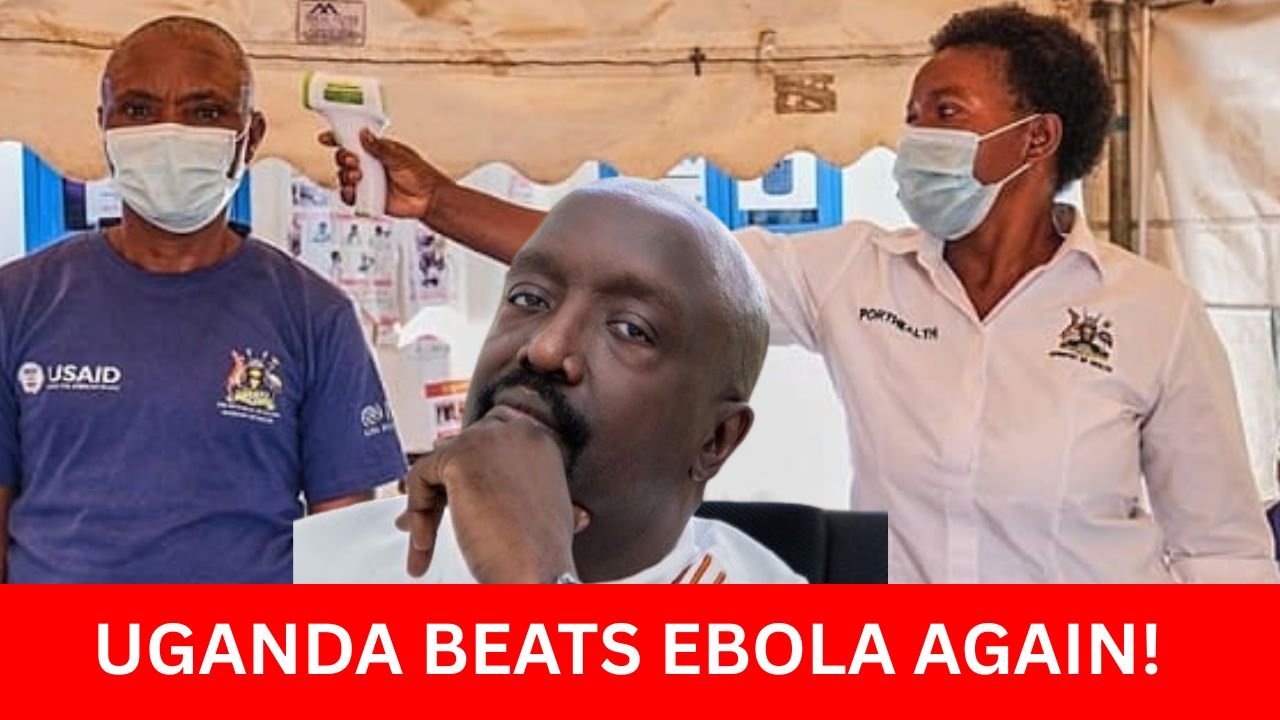
Uganda is set to reach a major milestone in its fight against Ebola, with the last remaining patient at Mulago National Referral Hospital expected to be discharged from the isolation unit, marking the beginning of the country’s final countdown towards being declared Ebola-free.
The discharge represents the culmination of months of intensive surveillance, treatment, contact tracing and public health interventions that have once again demonstrated Uganda’s capacity to contain one of the world’s deadliest viral diseases.
According to Uganda Media Centre Executive Director Allan Kasujja, the patient’s recovery is a significant moment in the country’s public health response.
“Tomorrow morning, the last Ebola patient will be discharged from the isolation unit at Mulago Hospital. When that happens, Uganda starts counting down. If 42 days pass without a single new case, WHO guidelines stipulate that we will be declared Ebola free. I have said it before. Epidemics come to die in Uganda,” Kasujja said.
The discharge signals the beginning of the mandatory 42-day observation period required by the World Health Organization (WHO). The period, equivalent to two incubation cycles of the Ebola virus, is internationally recognised as the benchmark before a country can officially declare the end of an Ebola outbreak.
Health officials have, however, cautioned that although there are no remaining patients in treatment, surveillance activities will continue nationwide until the countdown is completed.
A Major Victory for Uganda’s Health System
The expected discharge is being celebrated as another victory for Uganda’s health sector, which has over the years built one of Africa’s strongest Ebola preparedness and response systems.
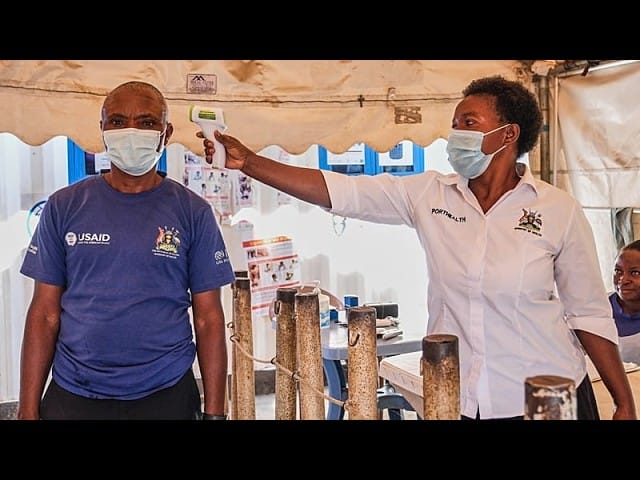
From the moment the latest outbreak was confirmed, health authorities activated emergency response teams, established treatment centres, intensified border screening and deployed hundreds of surveillance officers to identify and monitor contacts.
Medical teams at Mulago Hospital worked around the clock treating infected patients while ensuring strict infection prevention measures to protect health workers and the public.
The Ministry of Health, working alongside district surveillance teams, laboratory experts, development partners and international health agencies, mounted an aggressive campaign to stop community transmission before it could spread further.
Officials say the coordinated response prevented what could have become a much larger national health emergency.
The Importance of the 42-Day Countdown
Under WHO guidelines, an Ebola outbreak is declared over only after 42 consecutive days have passed since the last confirmed patient tested negative and was discharged, provided no new infections are detected.
The countdown is critical because Ebola can remain undetected for up to 21 days after exposure. Doubling that incubation period provides assurance that hidden chains of transmission have been broken.
During the observation period, health workers will continue:
Monitoring former contacts.
Investigating all suspected alerts.
Conducting laboratory testing where necessary.
Maintaining rapid response teams across the country.
Educating communities on reporting suspected symptoms.
Any confirmed case during the countdown would reset the 42-day clock.
Uganda’s Experience with Ebola
Uganda has faced several Ebola outbreaks over the past two decades, making it one of Africa’s most experienced countries in managing the disease.
The country’s first major Ebola outbreak occurred in 2000 in Gulu District. It became one of the largest Ebola epidemics recorded at the time, claiming hundreds of lives before being contained through aggressive public health interventions.
Subsequent outbreaks have occurred in districts including Bundibugyo, Luwero, Kibaale, Kasese, Ntoroko and Mubende, among others.
Although each outbreak has presented unique challenges, Uganda has consistently strengthened its surveillance systems, laboratory capacity, emergency operations centres and community mobilisation strategies.
The country has also become a regional leader in rapid diagnosis, contact tracing and case management, with many neighbouring countries seeking technical support from Ugandan experts during disease outbreaks.
Lessons Learned from Previous Epidemics
Every Ebola outbreak has helped improve Uganda’s preparedness for future public health emergencies.
Following earlier epidemics, the government invested heavily in laboratory testing facilities, trained specialised rapid response teams and improved coordination between the Ministry of Health, local governments and international partners.
Border screening mechanisms were strengthened, especially along Uganda’s frontiers with the Democratic Republic of Congo, where Ebola outbreaks have occurred repeatedly.
Community health education has also played an important role in encouraging early reporting of symptoms while discouraging practices that facilitate virus transmission.
These investments have significantly reduced the time taken to detect, confirm and isolate suspected cases.
Community Cooperation Key to Success
Health experts say one of the biggest contributors to Uganda’s success has been community participation.
Village health teams, local leaders, religious institutions and community volunteers have worked closely with health officials to identify suspected cases, monitor contacts and educate the public about Ebola prevention.
Public awareness campaigns through radio, television and social media encouraged people to seek medical attention early while discouraging misinformation and stigma against survivors.
Former Ebola patients have also become advocates for early treatment, helping communities understand that timely medical care greatly improves survival chances.
International Recognition
Uganda’s handling of Ebola outbreaks has repeatedly earned praise from international health organisations.

The country’s ability to rapidly activate emergency operations, deploy surveillance teams and coordinate with partners has become a model for epidemic preparedness across the region.
Experts note that Uganda’s investments in disease surveillance following previous outbreaks and the COVID-19 pandemic have significantly strengthened its capacity to respond to infectious disease emergencies.
While challenges remain, Uganda’s public health institutions have consistently demonstrated resilience in managing highly infectious diseases.
Vigilance Must Continue
Despite the encouraging progress, health authorities have warned against complacency.
Officials continue to urge members of the public to report anyone presenting symptoms such as sudden fever, unexplained bleeding, severe weakness, vomiting or diarrhoea, especially if they have had contact with confirmed cases.
Hospitals across the country remain on alert, while laboratories continue testing suspected samples to ensure any new infections are detected quickly.
Health experts emphasise that the end of treatment does not necessarily mean the virus has completely disappeared until the 42-day observation period is successfully completed.
Hope on the Horizon
If no new Ebola cases emerge during the observation period, Uganda will officially join the growing list of countries that have successfully eliminated another Ebola outbreak.
For families affected by the disease, healthcare workers who risked their lives on the frontline, and communities that endured months of heightened vigilance, the expected discharge of the final patient represents hope, resilience and the effectiveness of coordinated public health action.
Kasujja summed up the national mood with confidence in Uganda’s ability to overcome epidemics.
“Tomorrow morning, the last Ebola patient will be discharged from the isolation unit at Mulago Hospital. When that happens, Uganda starts counting down. If 42 days pass without a single new case, WHO guidelines stipulate that we will be declared Ebola free. I have said it before. Epidemics come to die in Uganda.”
If the countdown concludes without interruption, Uganda will once again demonstrate why its disease surveillance system is regarded as one of the strongest on the African continent, reinforcing the country’s reputation for responding swiftly and effectively to deadly infectious disease outbreaks.
Author Profile
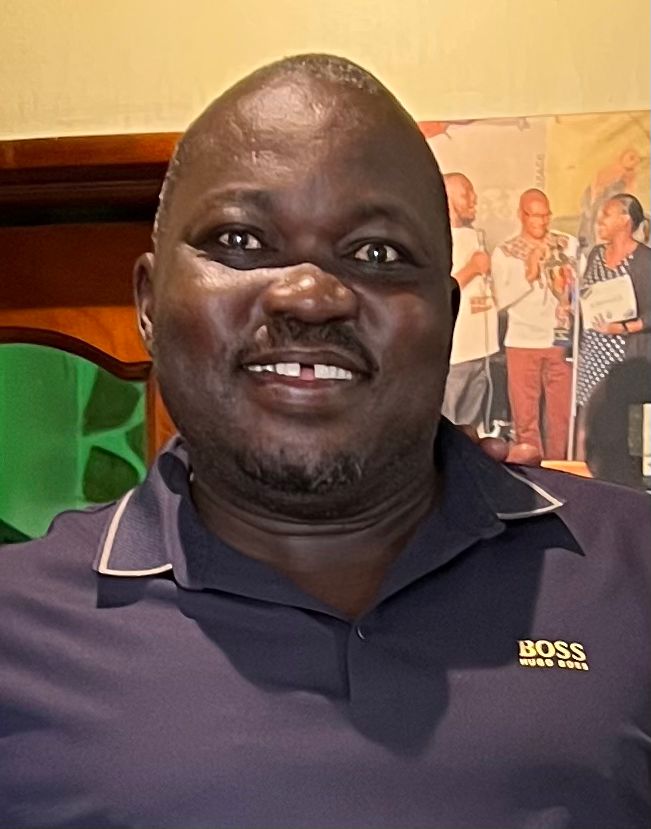
- Charles Gazza Kodili is a seasoned journalist with over 20 years of experience in the media industry. He holds a Bachelor of Arts degree in Mass Communication. He’s currently the Chief Editor at the Investigator.
Charles can also be reached via; Tel: +256 774 108978
Email: [email protected]
Latest entries
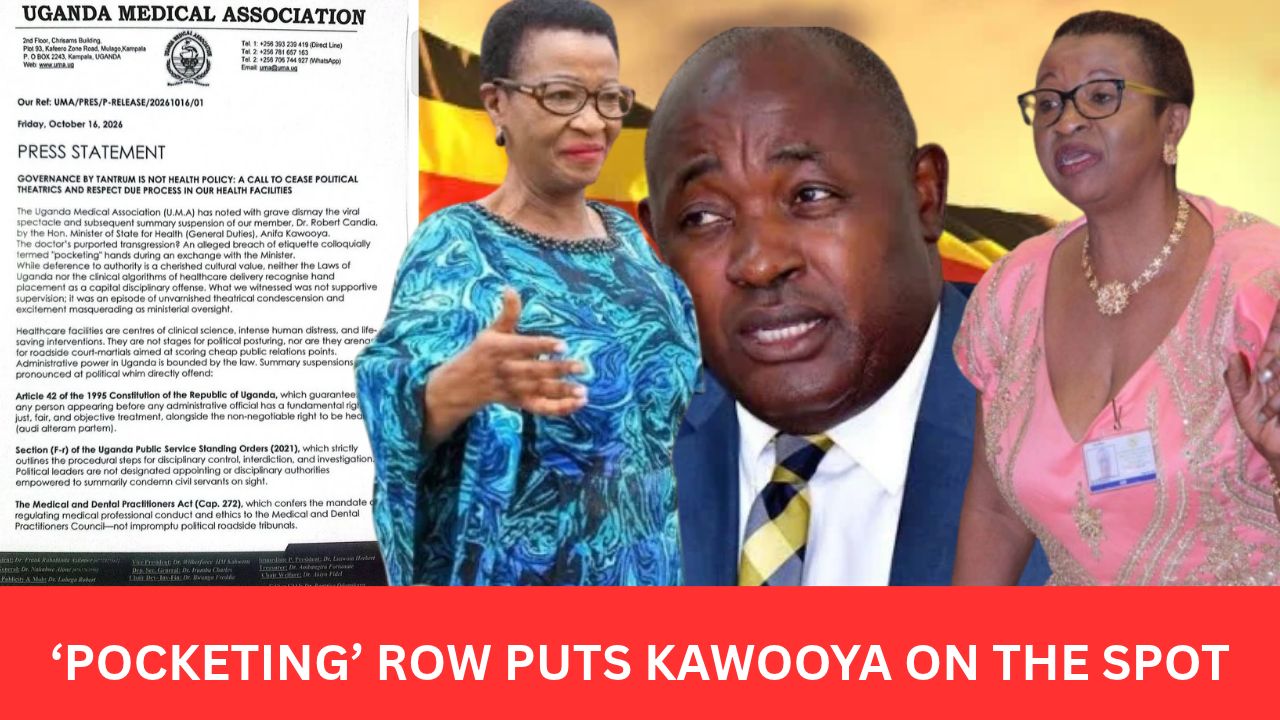 FeaturedOctober 16, 2026KAWOOYA UNDER FIRE AS MINISTRY DENIES DR CANDIA SUSPENSION: Health Ministry Says Arua Doctor Remains In Office After Minister Reportedly Ordered Him To Hand Over For “Pocketing”
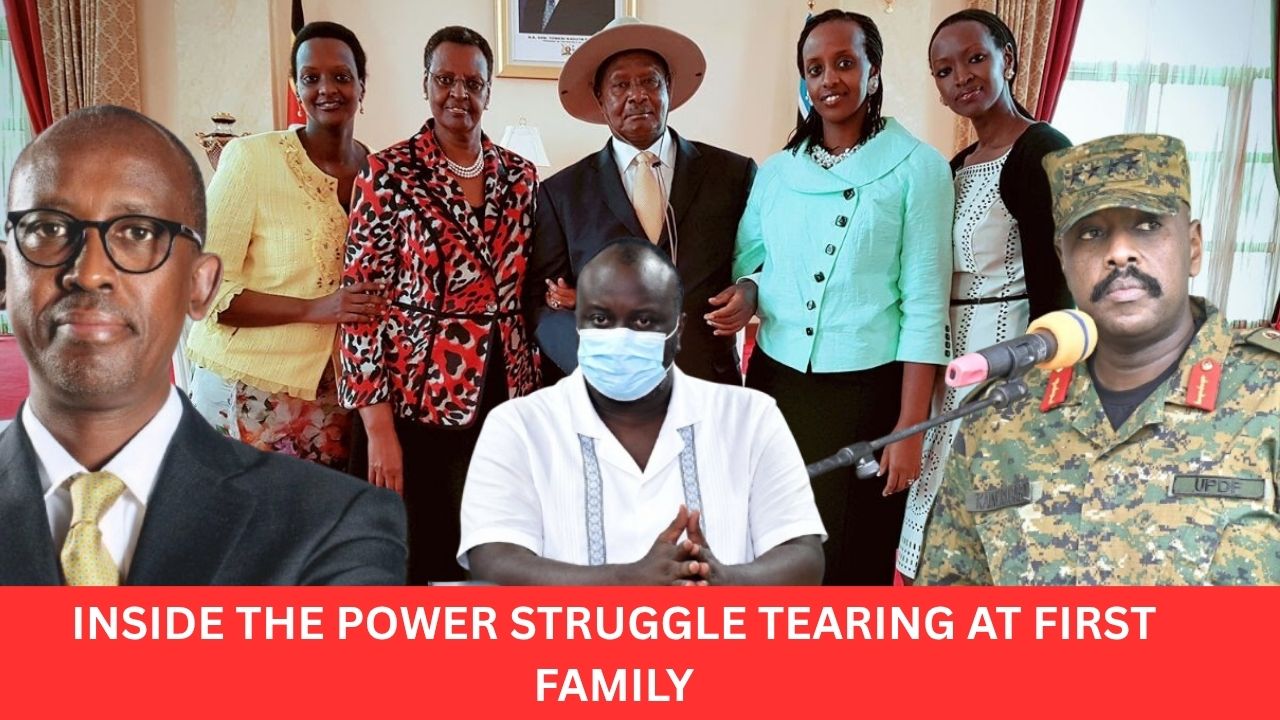 FeaturedOctober 14, 2026MATHEW BAGONZA BAIL DEAL DEALS A BLOW TO CDF GEN. MUHOOZI: Rwabwogo’s Camp Sees Relief After Weeks Of Confrontation, As Reported First Family Tensions Raise Questions About The CDF’s Fight With His Brother-In-Law
 FeaturedOctober 14, 2026GOVERNMENT TO CASH IN ON CHARCOAL TRADE: Government Plans To Formalise The Charcoal Business Through Trade Licences, Taxation And Strict Monitoring Of Producers And Dealers
 FeaturedOctober 13, 2026‘PRODUCE SAM MUGUMYA NOW’ — SSENYONYI: LoP Tells Parliament Families Of Missing Ugandans Deserve Answers, Freedom And Justice As He Challenges Government Over The Opposition Activist’s Fate