
















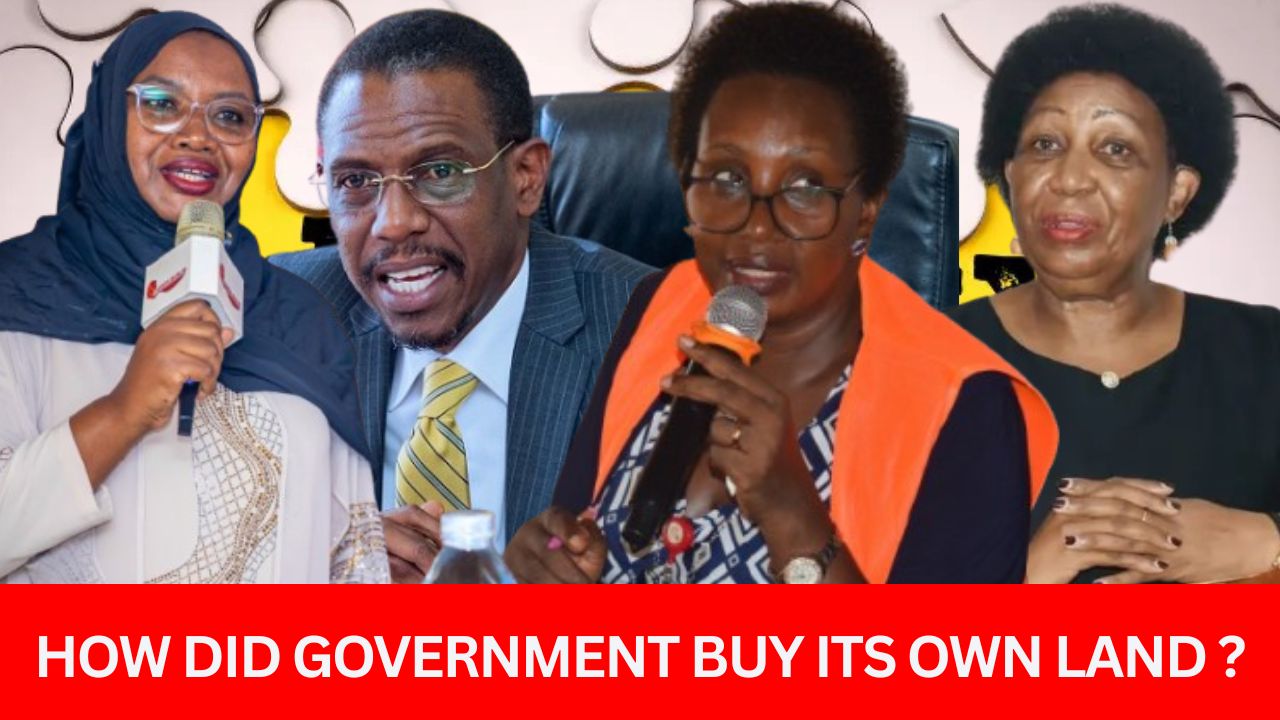
A payment receipt attached to a whistleblower petition has added a new and potentially explosive dimension to the ongoing controversy surrounding a disputed land acquisition in Mpigi DistrictAccording to the petitioners, the receipt indicates that the Government of Uganda has already made payment for land whose ownership remains the subject of competing claims and legal uncertainty.
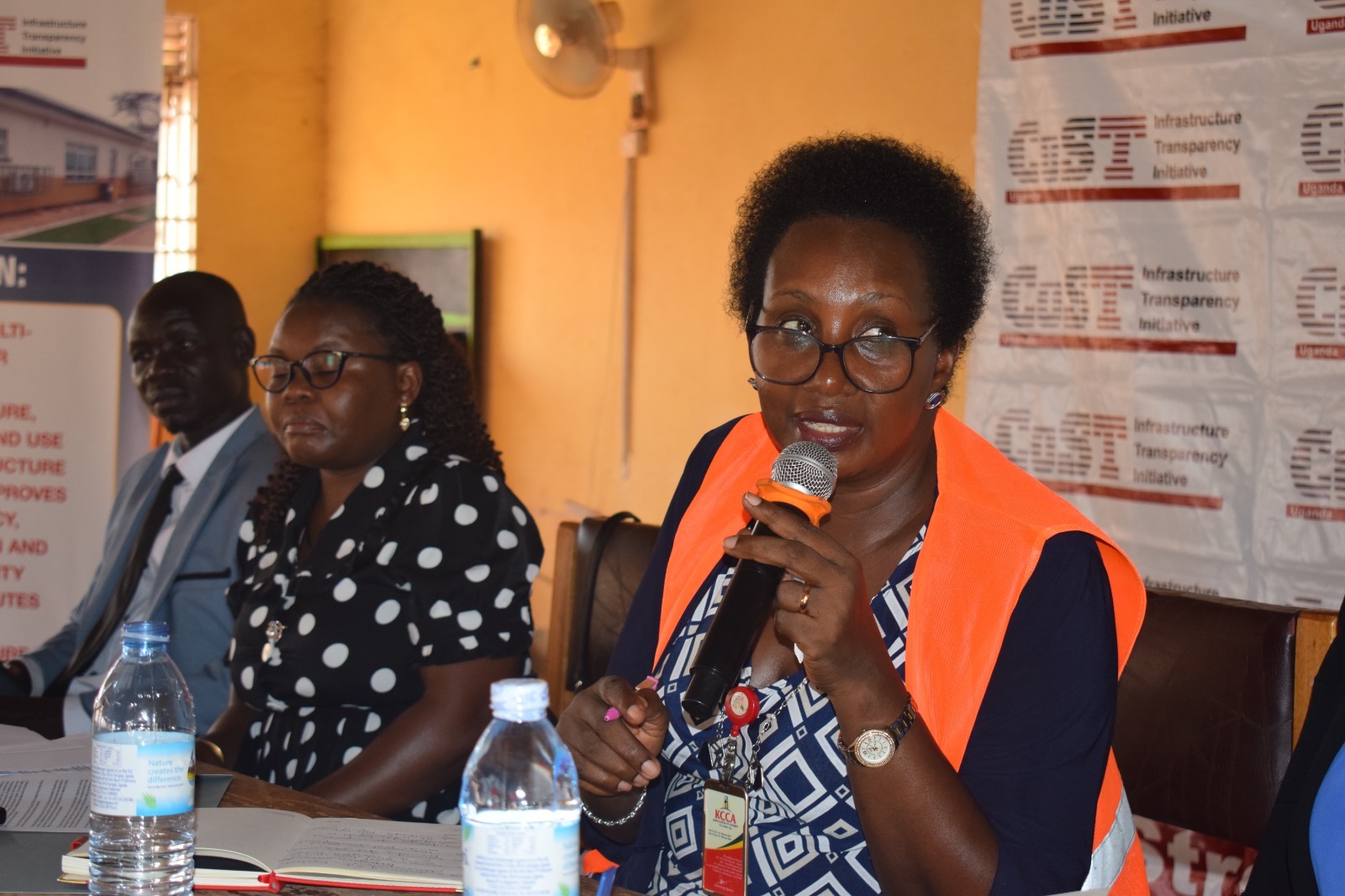
The petition, addressed to Muhoozi Kainerugaba, asks the Chief of Defence Forces to intervene in what whistleblowers describe as a suspicious transaction involving land that was earmarked for a replacement landfill following the 2024 Kiteezi landfill disaster.

Receipt Raises New Questions
The attached receipt seen by The Investigator, which petitioners say reflects payment made by government for the land acquisition, has intensified concerns about whether public funds may have been disbursed before ownership of the property was conclusively established.
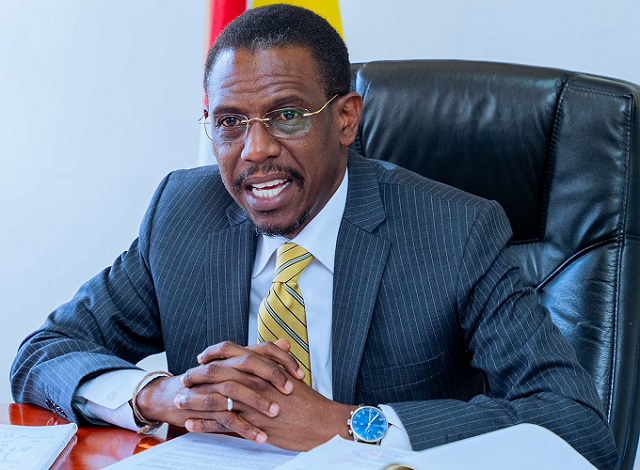
The petitioners argue that this development is particularly troubling because several individuals have emerged claiming ownership of portions of the same land, while official inquiries have reportedly identified parts of the property as belonging to a protected forest reserve managed by the
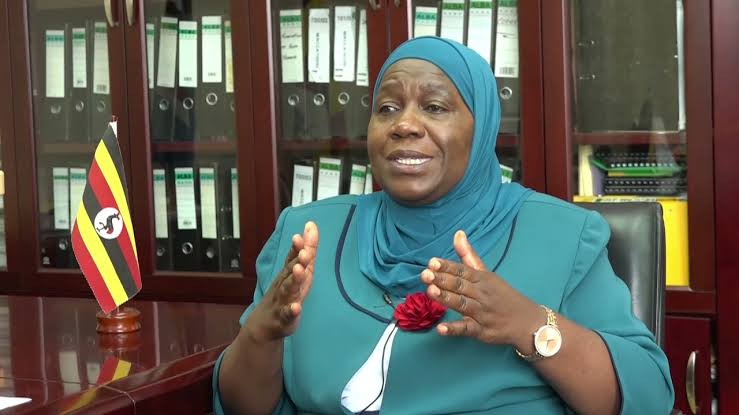
National Forestry Authority
If the receipt is authentic and the payment has indeed been completed, investigators may need to establish who received the money, under what legal authority the payment was processed, and whether all ownership disputes had been resolved at the time of payment.
How the Land Became Central to KCCA’s Waste Plan
The controversy traces back to the aftermath of the Kiteezi landfill collapse in 2024, which claimed many lives and forced government to urgently seek a safer location for Kampala’s waste disposal operations.

Government directed Kampala Capital City Authority to identify suitable land, preferably in Mpigi District, for the development of a new landfill facility. Sources familiar with the procurement process say KCCA engaged Kampala lawyer and property dealer Edrisa Assimwe to identify land capable of supporting the project.
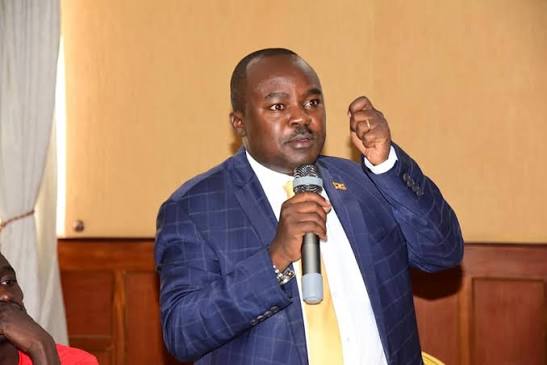
Assimwe, together with Doreen Akatuhwera, reportedly identified a large tract of land in Namwambula. Businessman David Derrick Luwaga was subsequently introduced as a claimant to approximately 2,000 acres said to be suitable for the proposed landfill.
Attorney General’s Clearance and Subsequent Changes
Before proceeding with the acquisition, KCCA sought legal guidance from the Attorney General of Uganda regarding the ownership and authenticity of the proposed land.According to sources familiar with the matter, the Attorney General reportedly cleared certain land blocks for acquisition, including Blocks 83, 89 and 90, after reviewing documentation presented by KCCA.
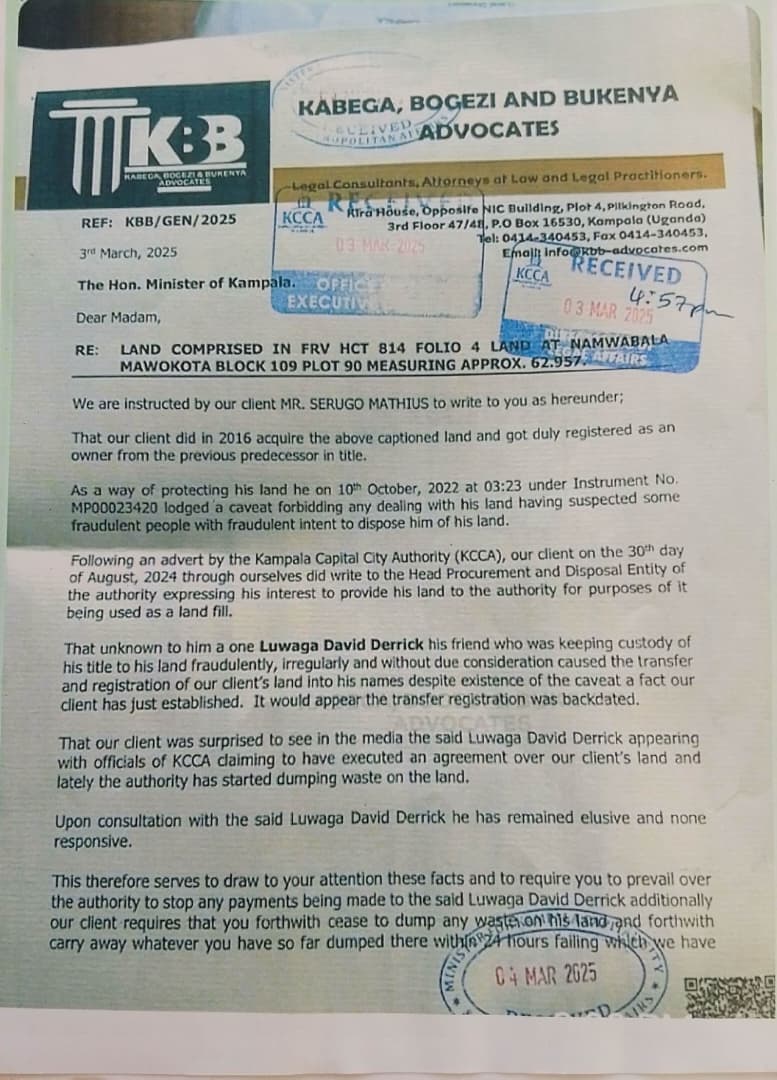
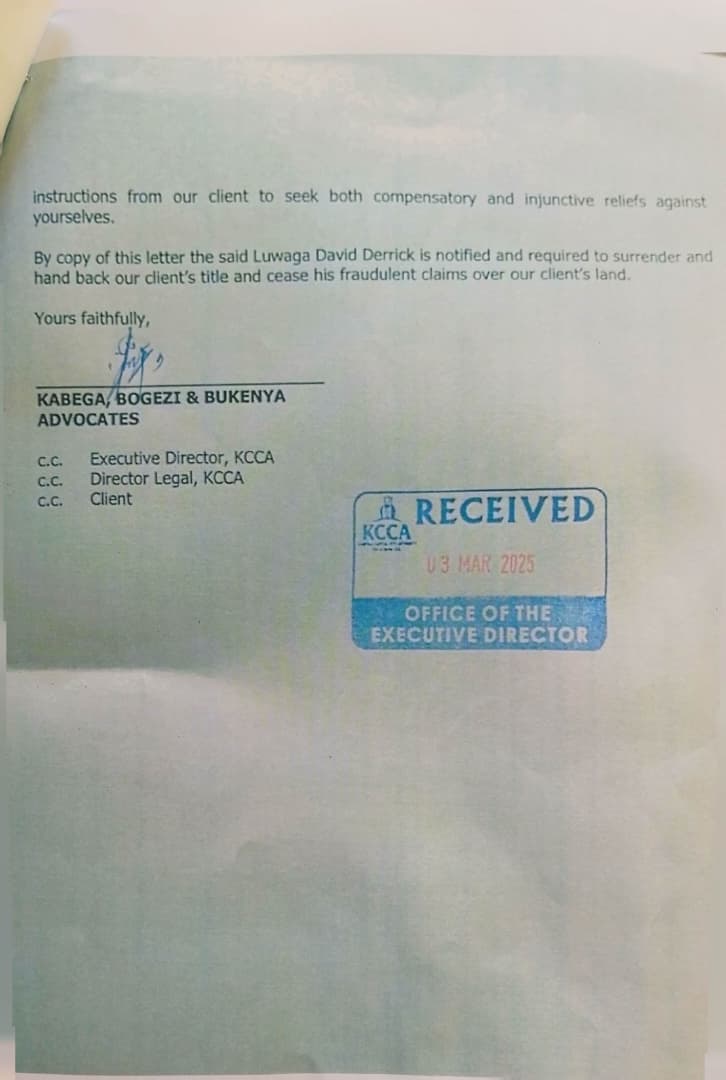
However, controversy later arose when Block 90 was reportedly excluded from the proposed acquisition and replaced with Block 145, a parcel that whistleblowers say was not part of the original legal clearance.A source familiar with the transaction described the change as unusual, saying it raised questions about why a previously approved block was substituted during the procurement process.
Competing Ownership Claims
The ownership dispute has since become increasingly complex. One claimant, Mathius Serugo, says he is the rightful owner of Block 90 and that the parcel was initially approved for payment before being removed from consideration. Serugo has stated that he expected compensation for the land and has threatened legal action over the exclusion.
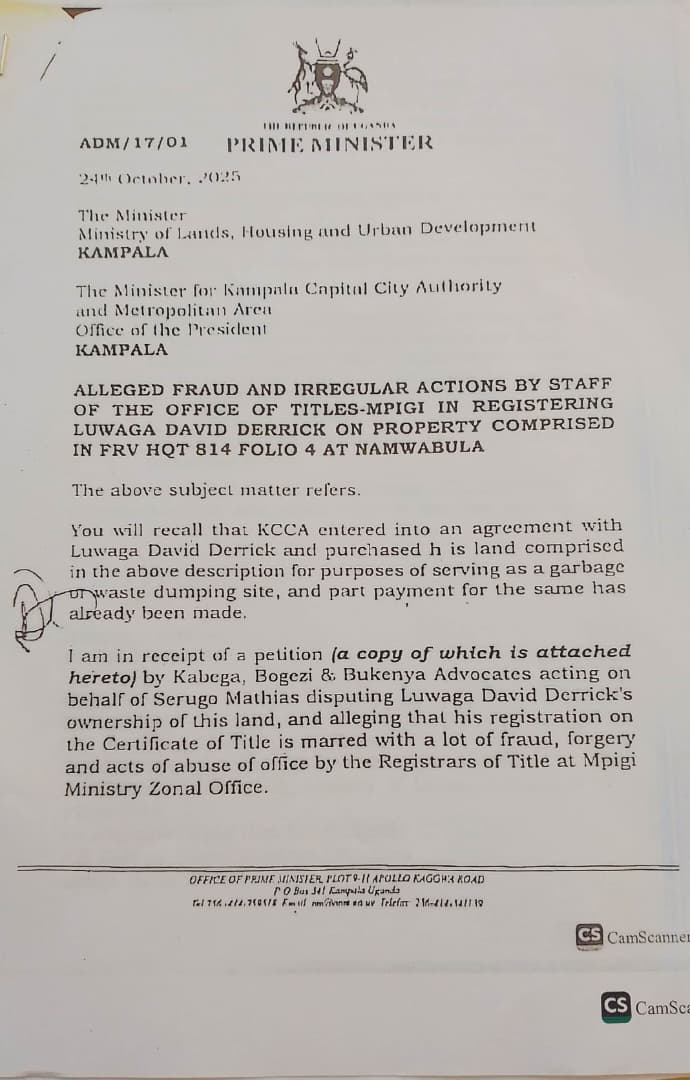
On the other hand, David Derrick Luwaga maintains that the disputed land belongs to him and has disputed claims by Serugo and others.Whistleblowers further allege that some of the ownership claims may have been structured in a manner that obscured the true status of the land and facilitated payment by government. These allegations have not been independently verified and remain subject to investigation.
Government Land or Private Property?
A major point of contention is the status of the land itself. According to documents cited in the petition, an inquiry conducted by the Ministry of Lands, Housing and Urban Development reportedly identified portions of the disputed land as part of the Buto-Buvuma Central Forest Reserve.
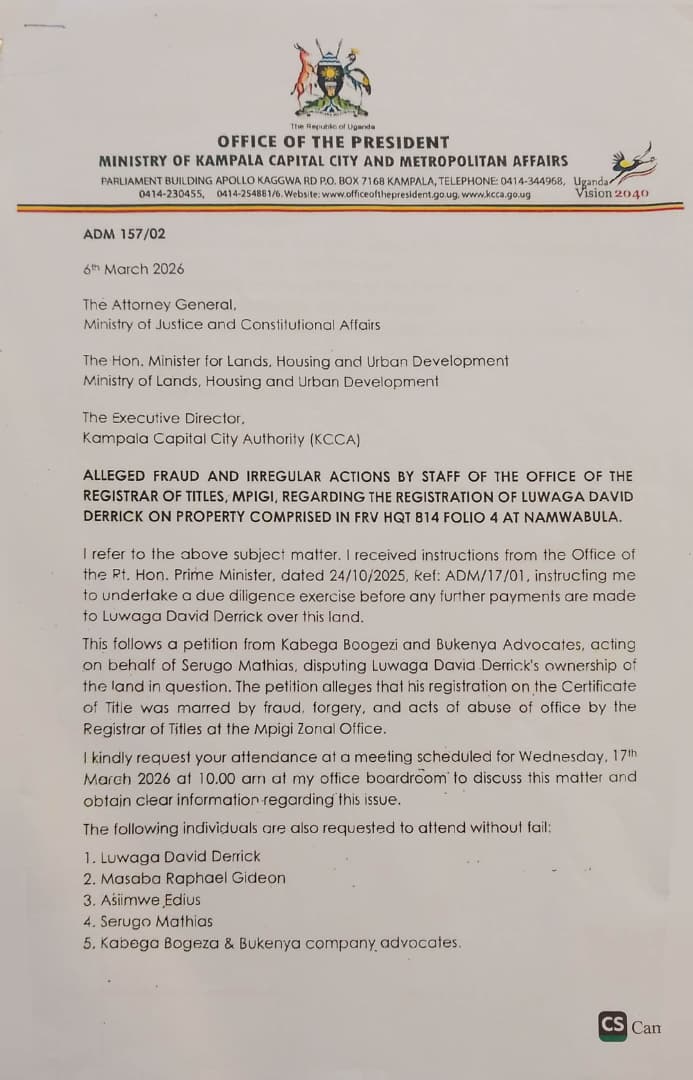
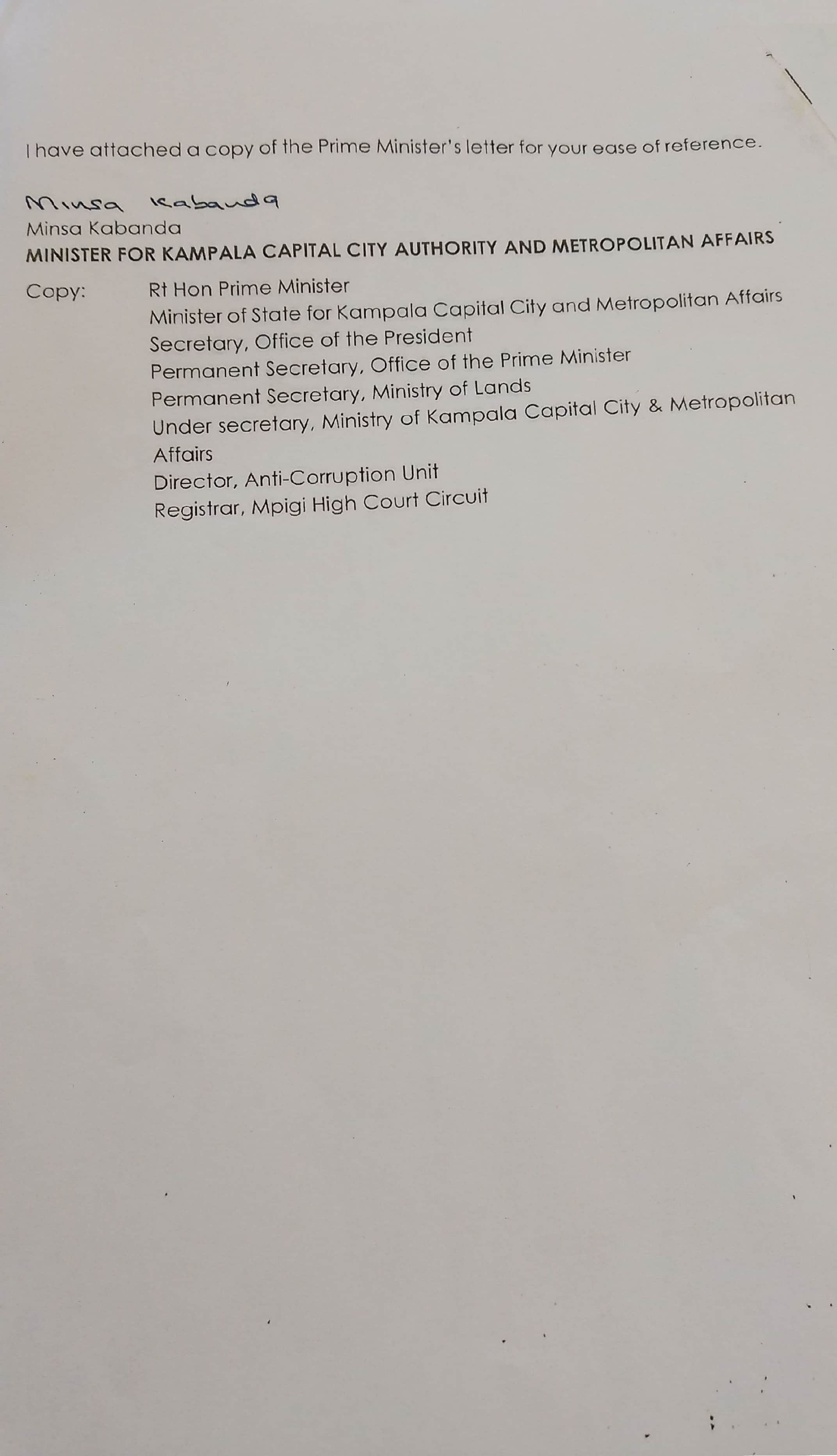
The National Forestry Authority has consistently maintained that land within the reserve is public property and cannot lawfully be sold as private land. NFA officials have also indicated that numerous land titles within the reserve may have been created irregularly and should be reviewed or cancelled.
This raises a critical question: if the land forms part of a protected forest reserve, can government lawfully pay private individuals for land it already owns?
Payment Before Ownership Was Settled?
The newly attached payment receipt has sharpened this question. Whistleblowers argue that the receipt suggests public funds may have been disbursed while ownership disputes were still unresolved. They contend that payment under such circumstances could expose government to significant financial loss if courts or investigators later determine that the land was public property or that the titles were invalid.
The petitioners are therefore calling for investigators to determine: Whether the payment receipt is authentic and accurately reflects a completed government payment.
Who received the funds and under what contractual or legal arrangement. Whether due diligence was completed before payment was authorized. Whether all ownership disputes had been resolved at the time of payment. Whether any public officials acted negligently or improperly in processing the transaction.
Court Cases and Official Investigations
The disputed land is already the subject of ongoing legal proceedings and official inquiries. Following a High Court order, survey teams from the Ministry of Lands conducted boundary verification exercises covering several blocks in the Mawokota area.
Survey reports identified multiple registered proprietors, including David Derrick Luwaga,Mathius Serugo, and others. Separate civil proceedings have also been filed challenging ownership of portions of the same land.
The existence of these cases has contributed to uncertainty over the legal status of the property and whether KCCA could safely proceed with acquisition without risking prolonged litigation.
Environmental and Public Interest Concerns
Beyond the ownership dispute, environmental concerns remain significant. The National Forestry Authority has argued that the Buto-Buvuma Central Forest Reserve serves as an important water catchment area connected to the River Mayanja and the Lake Victoria ecosystem.
Environmental experts have warned that converting protected forest land into a landfill could have serious ecological consequences, including deforestation, water contamination and long-term damage to sensitive ecosystems.The controversy therefore involves not only questions of land ownership and public expenditure, but also broader concerns about environmental protection and sustainable waste management.
Petition Seeks CDF’s Intervention
In their petition to Gen. Muhoozi Kainerugaba, the whistleblowers request a comprehensive investigation into the procurement process, the ownership history of the disputed land, and the circumstances surrounding the reported payment.
They argue that the matter warrants urgent attention because it involves substantial public funds, allegations of irregular land registration, and the possibility that government may have paid for land already belonging to the State.Copies of the petition are understood to have been shared with other senior government offices, including the Presidency and relevant anti-corruption agencies.
Unanswered Questions Remain
The payment receipt has transformed the controversy from a disputed procurement into a matter that may require forensic examination of financial records, land titles and government approvals.
Key questions remain unresolved: Was the payment made before ownership disputes were conclusively settled? Did the payment correspond to land that was legally cleared for acquisition? Who was the beneficiary of the payment? What safeguards were applied to protect public funds?
How will government recover funds if the land is ultimately determined to be public property?As investigations and court proceedings continue, the disputed Mpigi land deal has become a major test of Uganda’s land governance, procurement accountability and protection of public resources.
The attached payment receipt has added urgency to calls for transparency, with petitioners insisting that the public deserves a clear explanation of how government funds were paid for land whose ownership remains in dispute
Author Profile

- Charles Gazza Kodili is a seasoned journalist with over 20 years of experience in the media industry. He holds a Bachelor of Arts degree in Mass Communication. He’s currently the Chief Editor at the Investigator.
Charles can also be reached via; Tel: +256 774 108978
Email: [email protected]
Latest entries
 FeaturedSeptember 25, 2026SAIL WELL MOSES MATOVU: Thousands Of Mourners Gather In Kyanja to Honour Afrigo Band Surviving Founder, Prince Kassim Nakibinge Calls for Justice as Gen. Muhoozi Contributes UGX15m
 FeaturedSeptember 24, 2026NSSF SAVERS HIT JACKPOT: Government Declares Record 22.53% Interest As Fund Revenue Soars To Sh6.51 Trillion, Triggering Celebrations Among Millions Of Members
 FeaturedSeptember 24, 2026OYO’S TEXAS SON BLOCKED! MUSUUGA: WE WON’T ACCEPT HIM: Tooro Throne War Explodes Over Baby Oyo As Kamurasi Rejects Secret Return, Demands Royal Regalia Back
 crime NewSeptember 24, 2026MATOVU’S LOVE-NEST DEATH! Afrigo Boss Allegedly Killed by Rival at Girlfriend’s One-Room House, He Had Just Dropped Beauty Queen Rose Tumusiime Before the Deadly Encounter