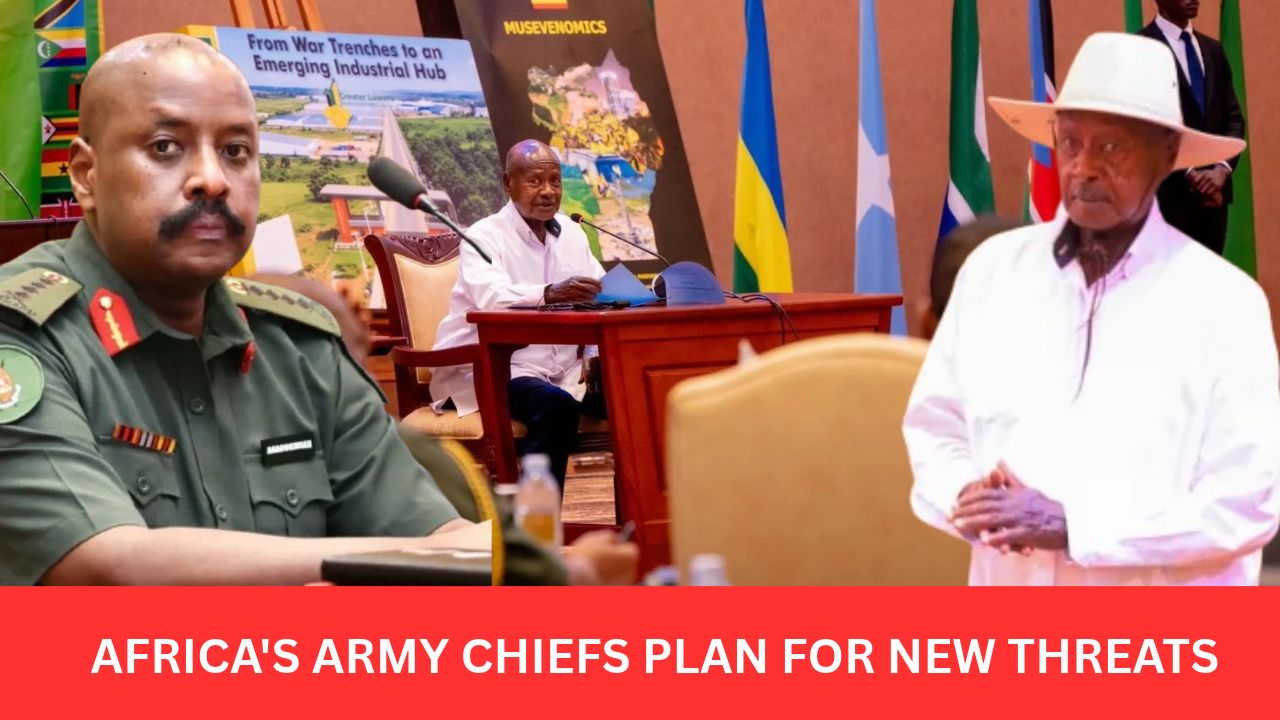












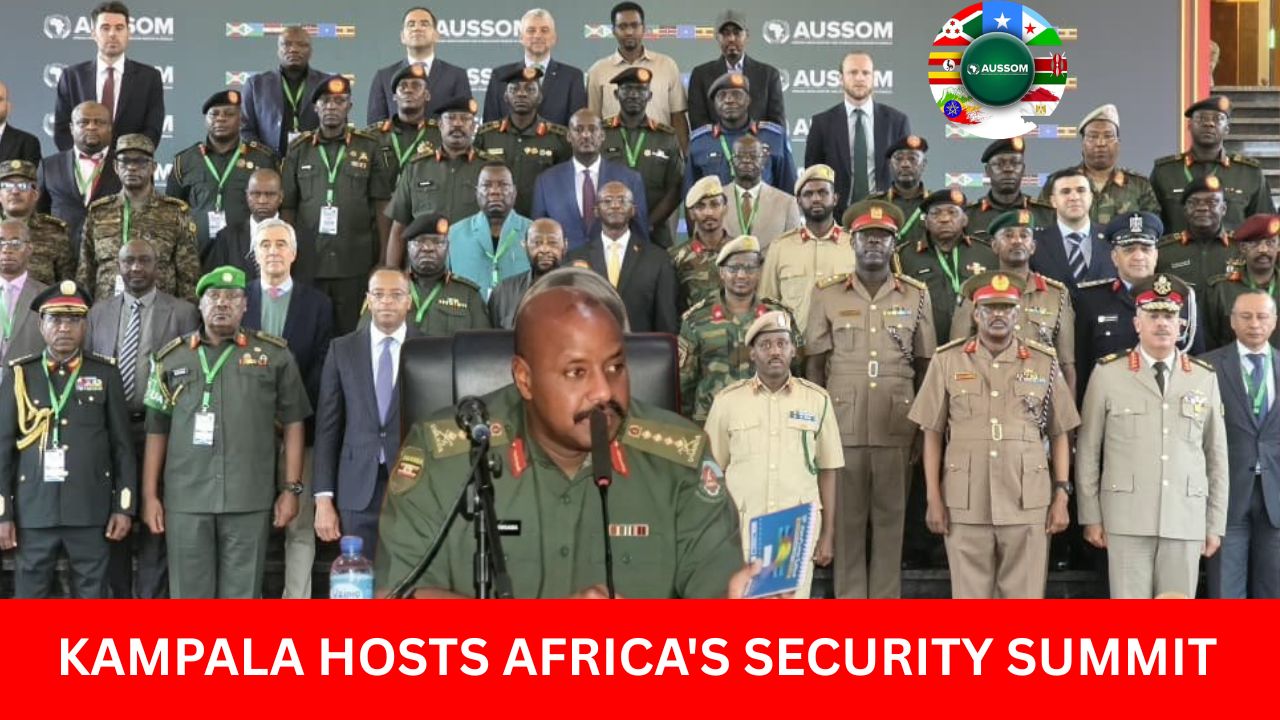
Chief of Defence Forces (CDF) Gen Muhoozi Kainerugaba has officially opened the 2nd Summit of the African Union Support and Stabilisation Mission in Somalia (AUSSOM) Troop Contributing Countries (TCCs), describing the gathering as a defining moment for regional security and Africa’s collective resolve to stabilize Somalia.
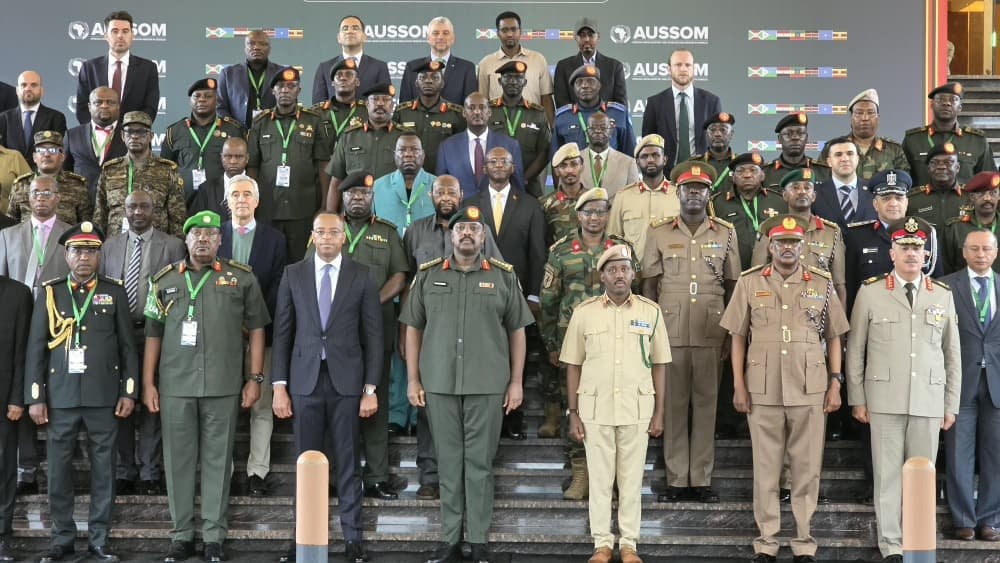
The three-day summit, being held at Speke Resort Munyonyo in Kampala, has drawn military chiefs, ministers, senior diplomats and representatives from troop-contributing countries to deliberate on the future of peace support operations in Somalia and strengthen regional cooperation against terrorism and violent extremism.
Uganda, which has played a leading role in Somalia since deploying troops under the African Union Mission in Somalia (AMISOM) in 2007, is hosting the high-level meeting under the theme: “To Sustain the Stabilisation Process in Somalia.”
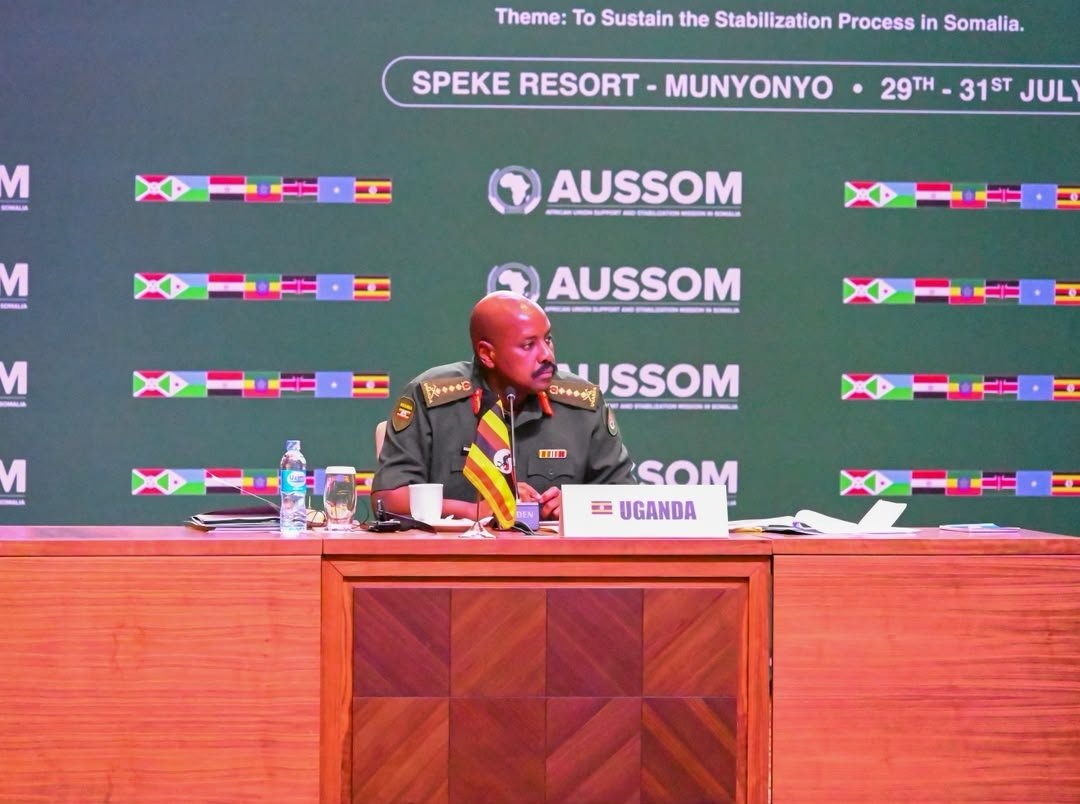
The summit precedes the Heads of State meeting expected to chart the future direction of AUSSOM, the mission that succeeded ATMIS earlier this year.
Uganda at the Centre of Regional Peace
Opening the summit, Gen Muhoozi Kainerugaba welcomed delegates to Kampala and reaffirmed Uganda’s unwavering commitment to peace and stability across the Horn of Africa.
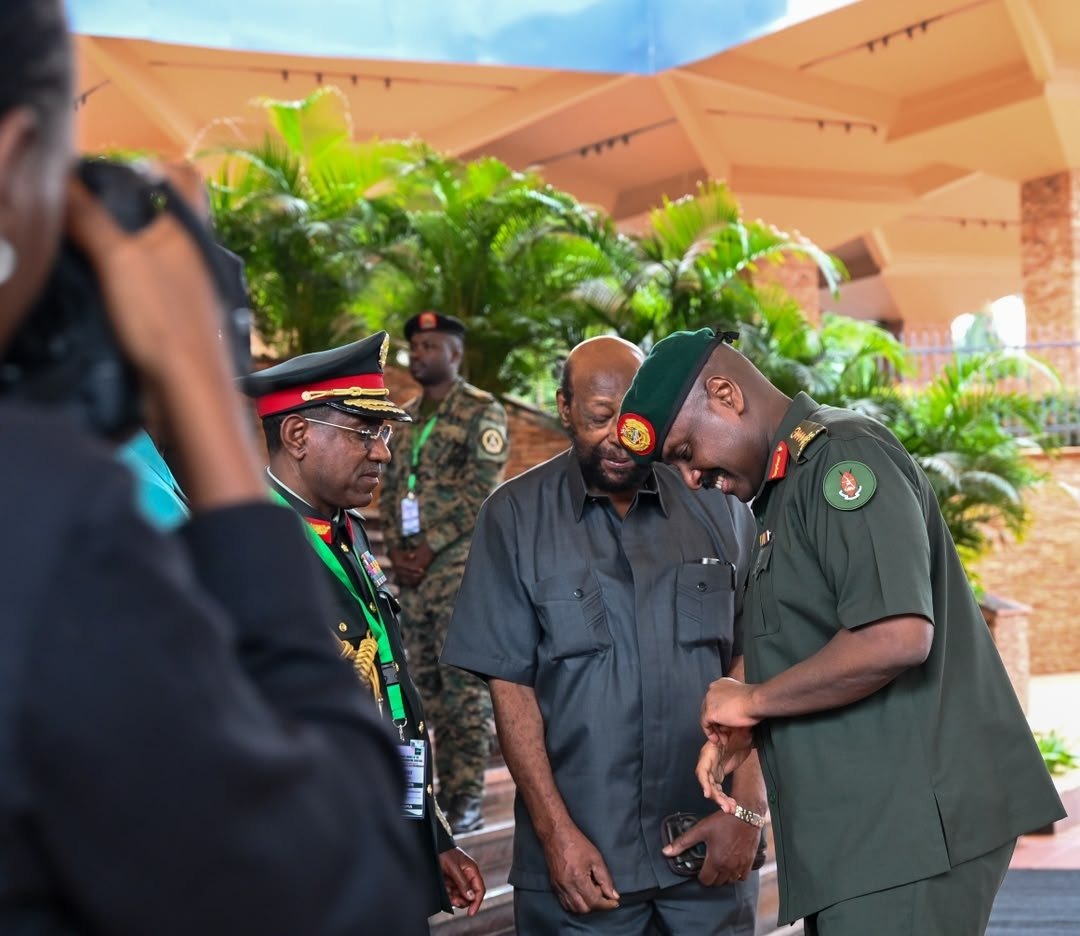
“The security of Somalia is inseparable from the security of our region. Our mission has always been guided by the belief that lasting peace can only be achieved through collective action, strong partnerships and unwavering commitment,” Gen Muhoozi said.
He praised troop-contributing countries for the sacrifices made over the years in restoring stability in Somalia, noting that thousands of African soldiers had paid the ultimate price in the fight against terrorism.
“Our soldiers have demonstrated extraordinary courage and professionalism under extremely difficult conditions. Their sacrifice has helped Somalia regain hope and provided space for political institutions to grow,” the CDF added.
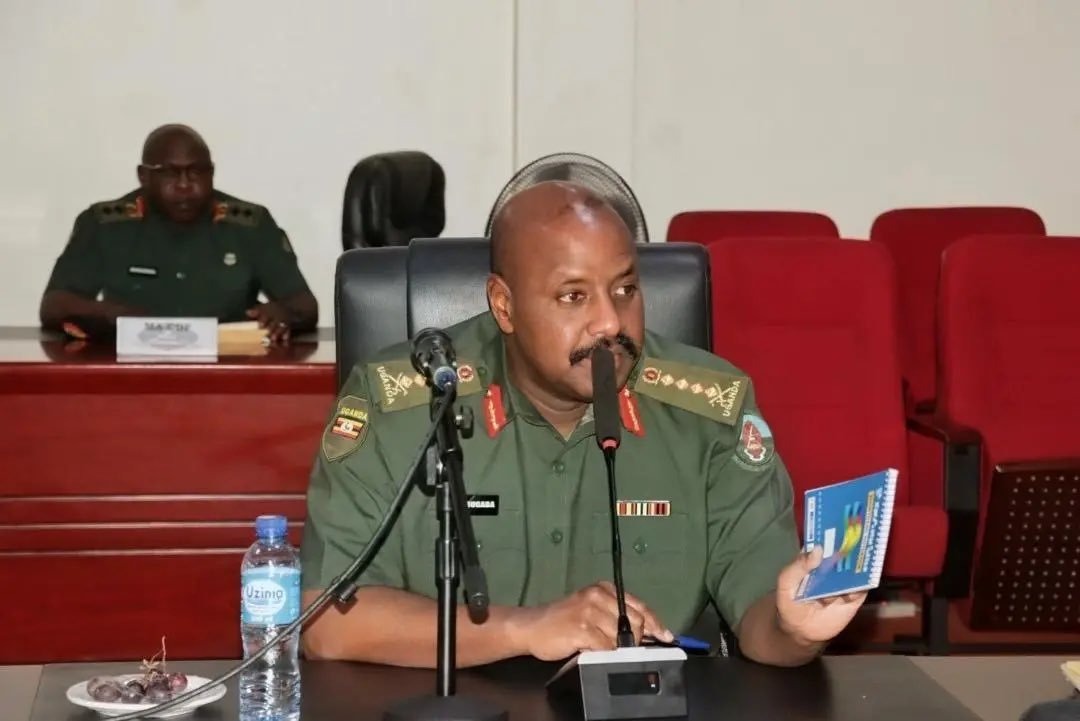
Gen Muhoozi said the transition from previous African Union missions to AUSSOM marks a new phase that requires greater coordination, sustainable financing and enhanced cooperation among African states and international partners.
“This summit provides us with an opportunity to review our progress honestly, confront emerging security challenges and agree on practical strategies that will ensure the gains achieved over the years are protected.”
He emphasized that terrorism remains one of Africa’s greatest threats and warned that regional countries must remain united.”No country can defeat terrorism alone. We must continue working together because the enemies we face do not respect national borders.”
Military Chiefs Begin Deliberations
The summit began with a meeting of Chiefs of Defence Forces from troop-contributing countries before progressing to ministerial discussions ahead of the Heads of State summit.
Delegates are expected to assess the security situation in Somalia, evaluate the implementation of AUSSOM’s mandate and discuss ways of strengthening cooperation between the African Union, the United Nations, IGAD and bilateral partners supporting peace operations.
Particular attention is expected to focus on sustainable financing for the mission, force generation, logistical support and the gradual transfer of security responsibilities to Somali national forces.
Uganda’s long experience in Somalia is expected to feature prominently during the discussions, having been the first country to deploy troops under the African Union mission nearly two decades ago.
Uganda Hosts Continental Leaders
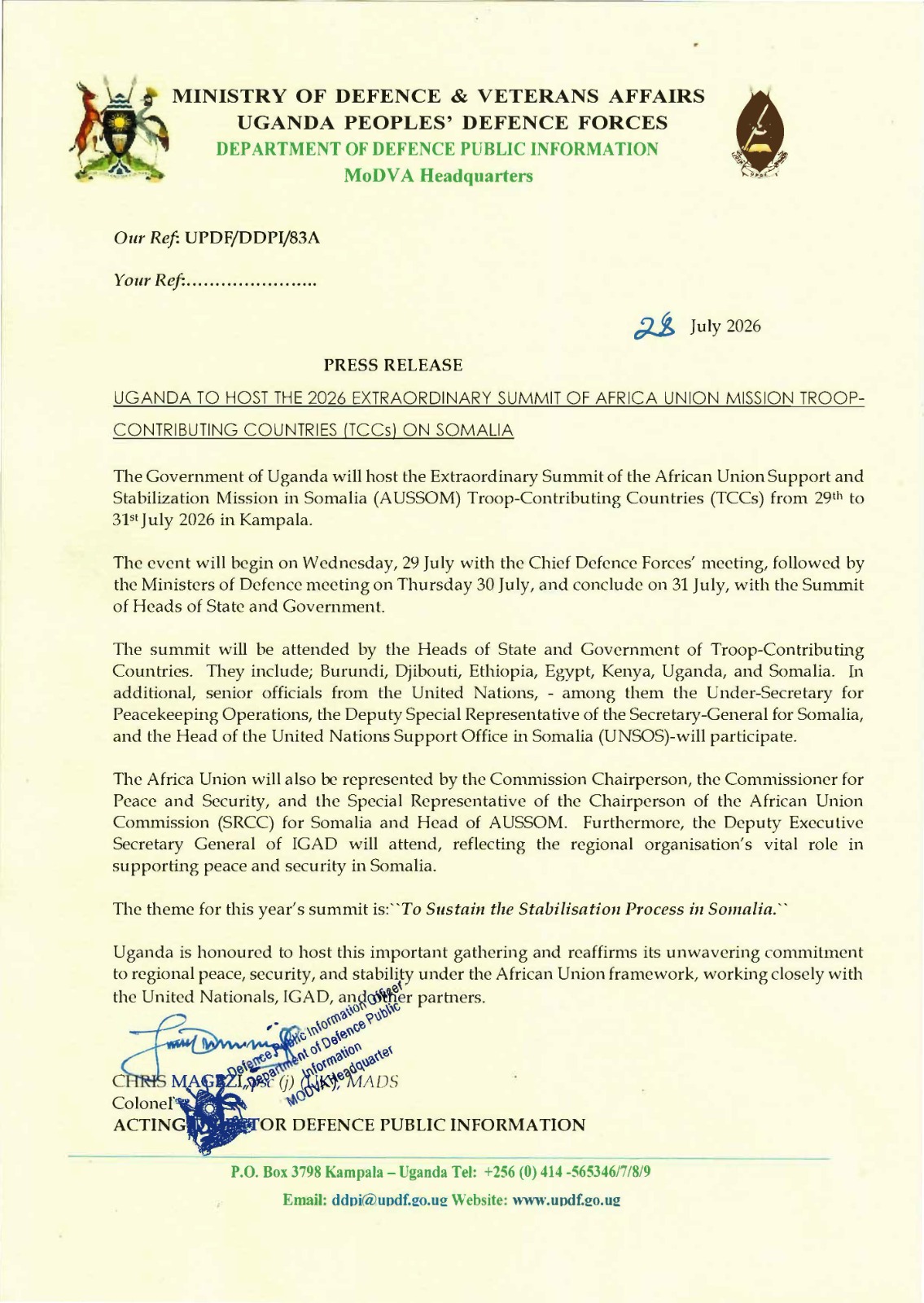
According to the Ministry of Defence and Veteran Affairs, the summit has attracted leaders and senior officials from Burundi, Djibouti, Ethiopia, Egypt, Kenya, Somalia and Uganda, alongside representatives from the United Nations, the African Union Commission and the Intergovernmental Authority on Development (IGAD).
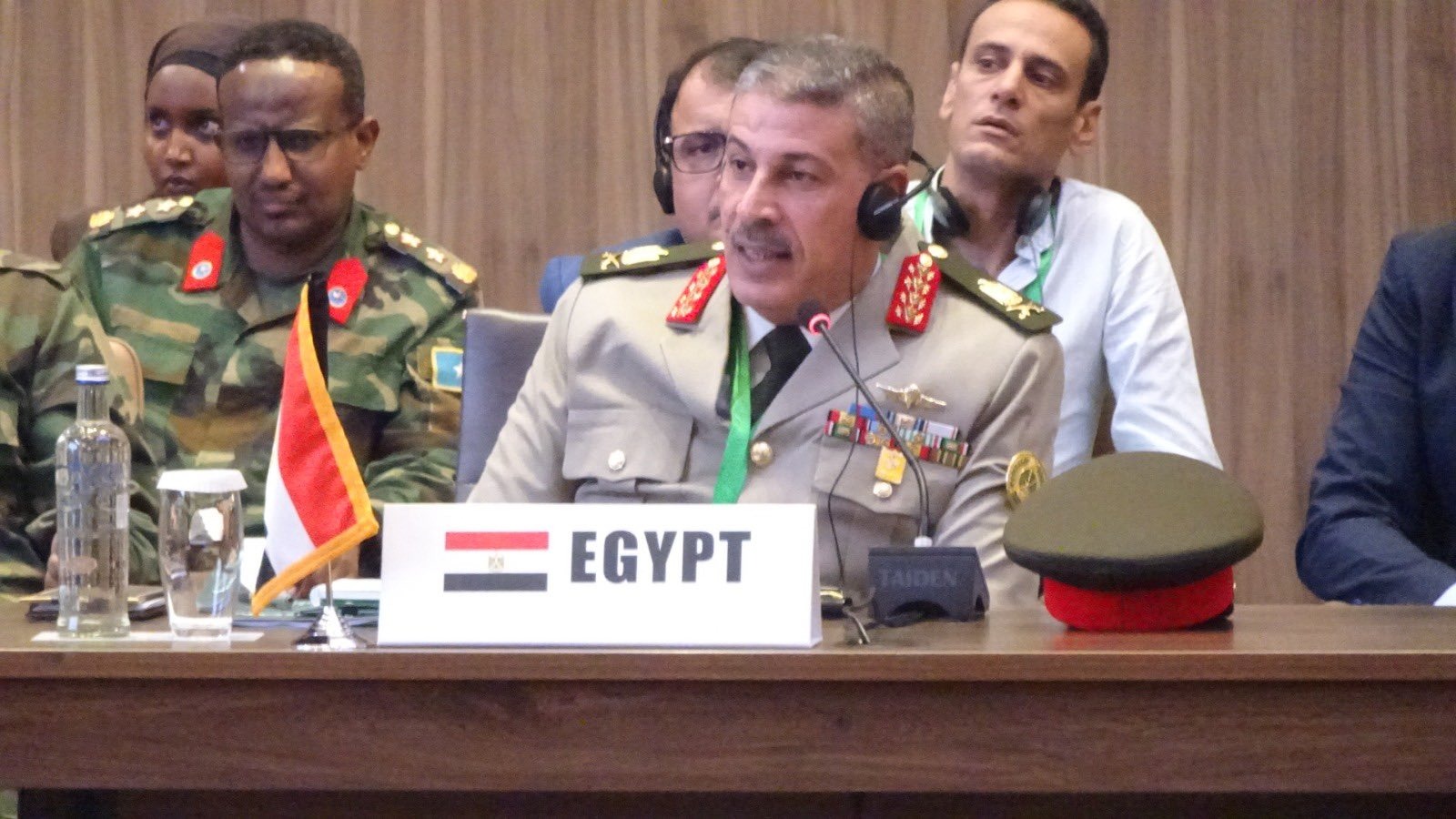
The gathering also includes the United Nations Under-Secretary-General for Peace Operations, the Deputy Special Representative of the UN Secretary-General for Somalia and officials from the United Nations Support Office in Somalia (UNSOS).
African Union Commission officials attending include the Commission Chairperson, the Commissioner for Political Affairs, Peace and Security and the Special Representative of the Chairperson for Somalia, who also heads AUSSOM.
The meeting underscores growing international support for Somalia’s stabilization efforts amid evolving security threats posed by Al-Shabaab militants.
Uganda’s Leadership Recognised
Acting Director of Defence Public Information, Col Chris Magezi, said Uganda was honoured to host the strategic summit because of its longstanding contribution to regional peacekeeping operations.
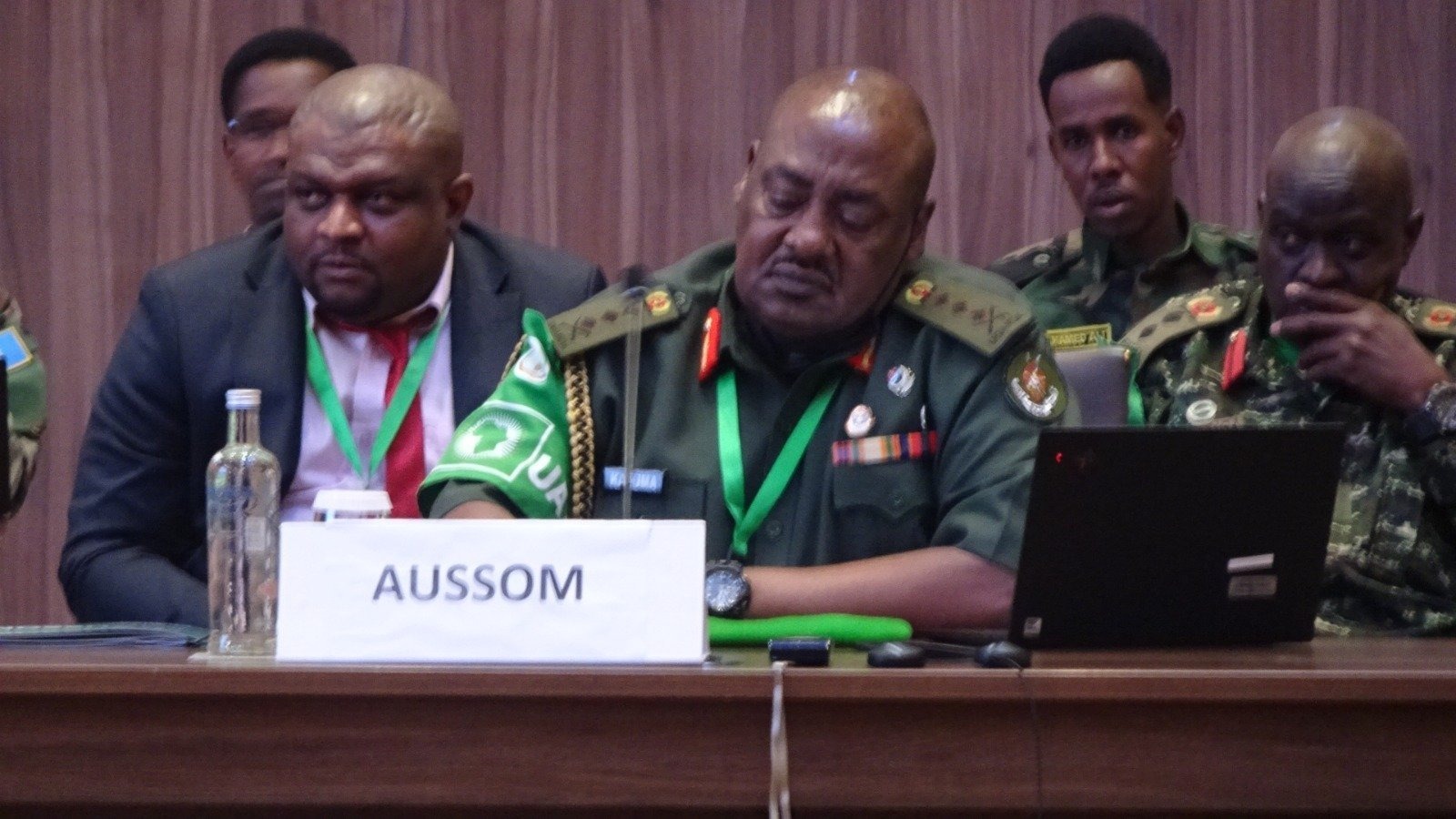
“The Government of Uganda is honoured to host this important gathering and reaffirms its unwavering commitment to regional peace, security and stability under the African Union framework, working closely with the United Nations, IGAD and other partners,” Col Magezi said.
He noted that the summit demonstrates the confidence regional leaders have in Uganda’s ability to convene high-level security engagements.
“The summit brings together the Heads of State and Government of troop-contributing countries as well as senior military commanders, ministers, United Nations officials, the African Union Commission and IGAD to discuss the future of AUSSOM and the stabilization of Somalia,” he added.
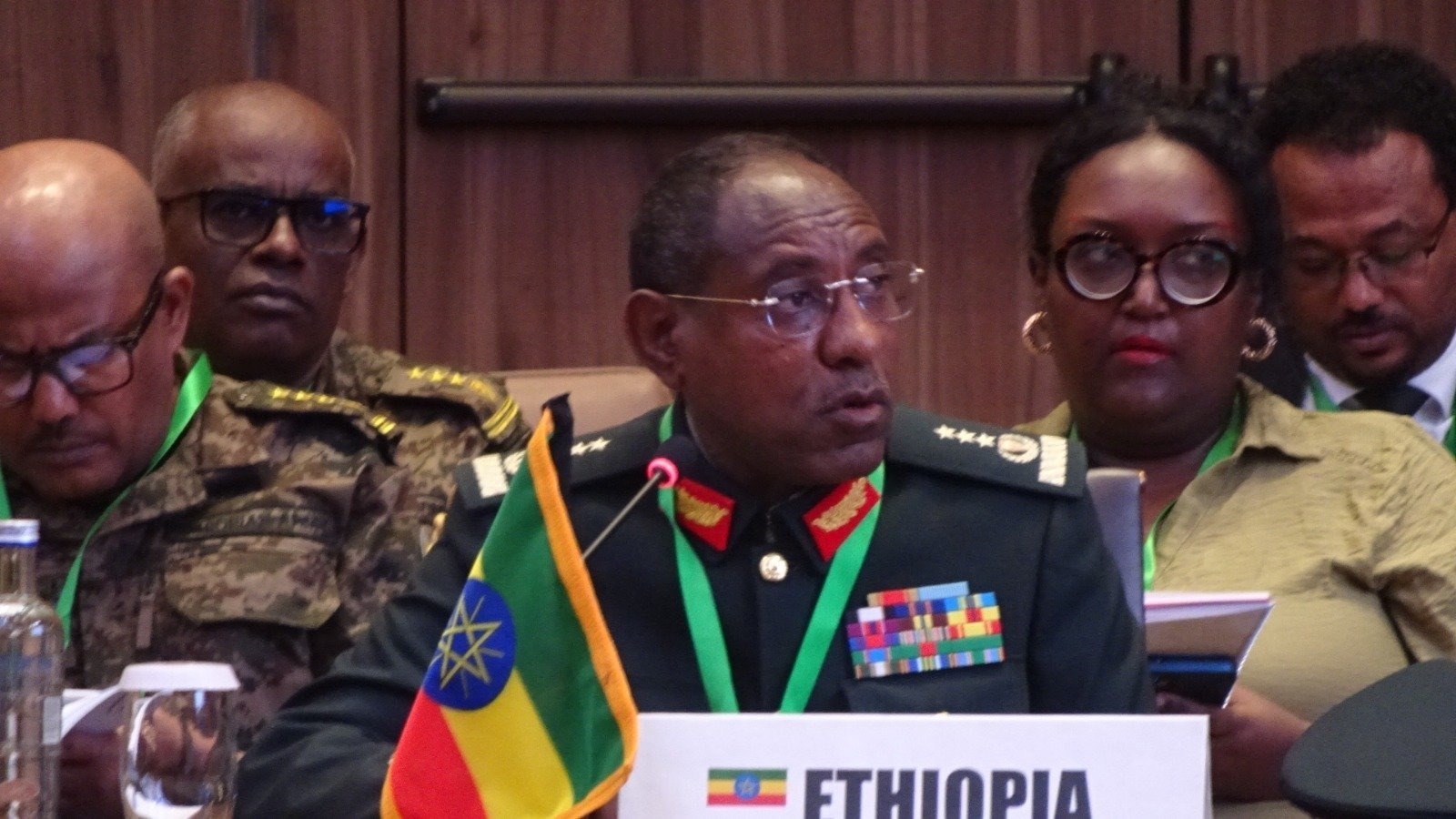
Col Magezi explained that the programme began with meetings of the Chiefs of Defence Forces, to be followed by Defence Ministers before culminating in the summit of Heads of State and Government.
“The theme for this year’s summit, ‘To Sustain the Stabilisation Process in Somalia,’ reflects our shared commitment to ensuring that the progress achieved over the years is not reversed.”
Uganda’s Long Military Commitment
Uganda remains one of the largest and longest-serving troop contributors to African Union peace operations in Somalia.
Since the deployment of the first UPDF contingent in March 2007 under AMISOM, Uganda has consistently maintained thousands of soldiers in Somalia, helping secure key installations, liberate territory from Al-Shabaab insurgents and train Somali security forces.
The mission later evolved into the African Union Transition Mission in Somalia (ATMIS), which has now transitioned into the African Union Support and Stabilisation Mission in Somalia (AUSSOM).
The new mission places greater emphasis on supporting Somali institutions while maintaining pressure on terrorist groups seeking to destabilize the country.Military analysts say the transition comes at a critical moment as Somalia seeks to strengthen its national security institutions while facing persistent attacks from Al-Shabaab.
Future of AUSSOM
Officials attending the Kampala summit are expected to discuss long-term financing for AUSSOM following concerns over funding shortfalls that have affected previous African Union missions.The leaders will also review force requirements, operational priorities and strategies for ensuring Somali security forces gradually assume greater responsibility for protecting their country.
The outcomes of the summit are expected to shape future African Union peace support operations and strengthen cooperation among countries contributing troops to the mission.For Uganda, hosting the summit reinforces its standing as one of Africa’s leading contributors to peacekeeping operations and highlights Kampala’s continued role in promoting regional stability.
As deliberations continue at Munyonyo, delegates are expected to produce a common roadmap that balances military operations, political dialogue and institutional capacity-building to ensure Somalia achieves lasting peace and security.
With the continent facing increasingly complex security challenges, the Kampala summit is widely viewed as an important opportunity for African leaders to reaffirm their shared commitment to collective security and demonstrate that regional cooperation remains the cornerstone of sustainable peace in Somalia.
Author Profile
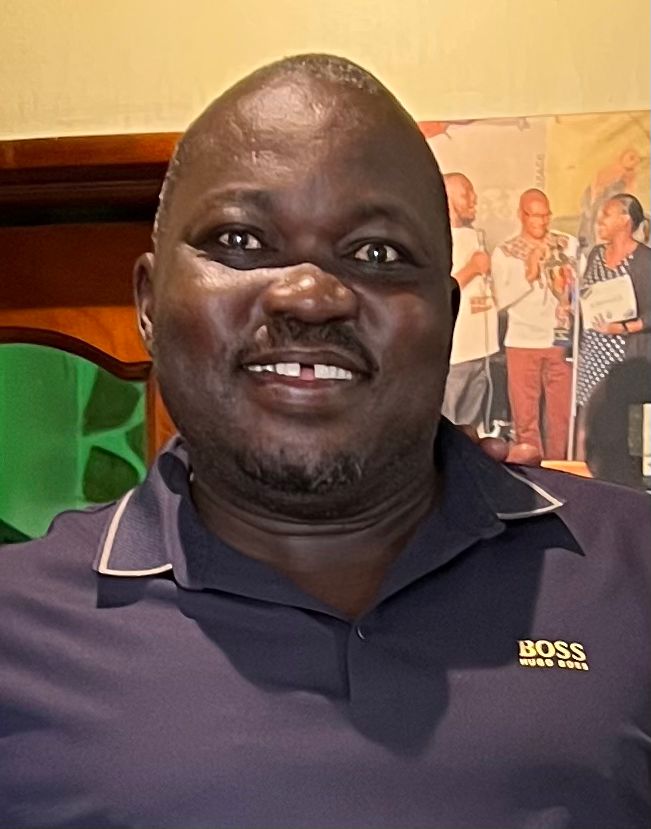
- Charles Gazza Kodili is a seasoned journalist with over 20 years of experience in the media industry. He holds a Bachelor of Arts degree in Mass Communication. He’s currently the Chief Editor at the Investigator.
Charles can also be reached via; Tel: +256 774 108978
Email: [email protected]
Latest entries
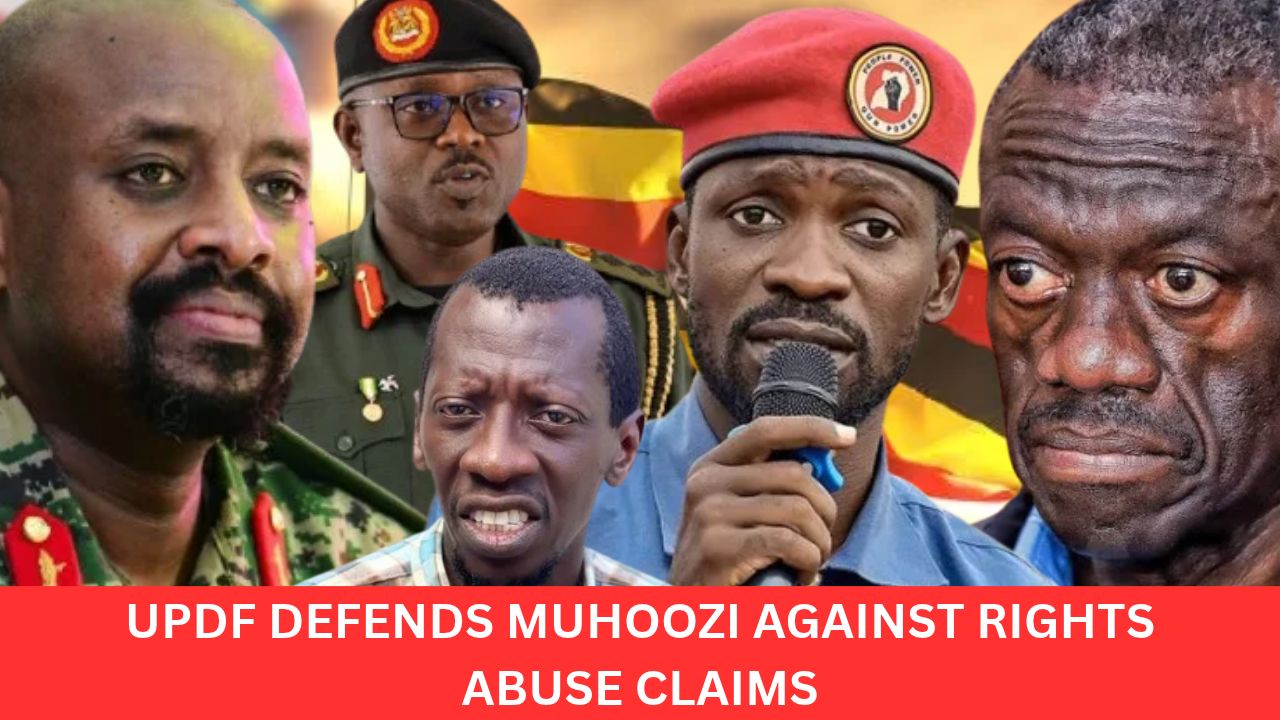 FeaturedOctober 10, 2026MUHOOZI UNDER FIRE OVER DEATH THREATS New York Times article puts Muhoozi’s human rights record under fresh scrutiny as UPDF cries foul
 FeaturedOctober 9, 2026UGANDA ECONOMY TO HIT $73.96B: President Museveni Cites Decades Of Economic Growth As He Receives A Top National Honour During The 64th Independence Anniversary Celebrations At State House, Entebbe
 FeaturedOctober 9, 2026KABALEGA: THE KING WHO FOUGHT THE BRITISH: From Battles Against Sir Samuel Baker To Uganda’s Independence In 1962, The Bunyoro King Became A Symbol Of Resistance Against Foreign Domination
 FeaturedOctober 8, 2026UGANDA AT 64: From Obote Receiving the Instruments of Power in 1962 to Museveni Receiving a National Medal in 2026, Uganda’s Independence Story Remains Unfinished. We Journey With You the Thorney 6+ Decades of Uhuru