










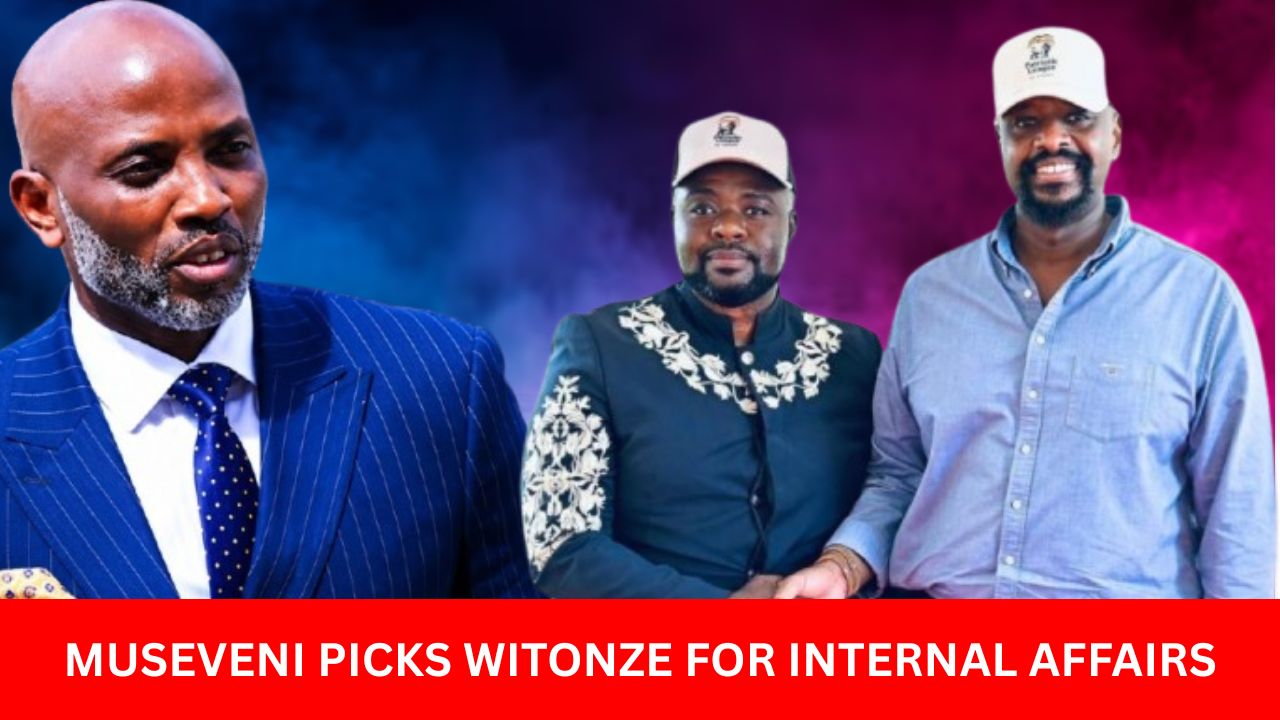
President Yoweri Museveni has appointed Juma Witonze Kisekka as the new Minister of State for Internal Affairs, bringing to an end weeks of uncertainty surrounding the position following Parliament’s unprecedented rejection of Dr. Lawrence Muganga over questions regarding his citizenship status.
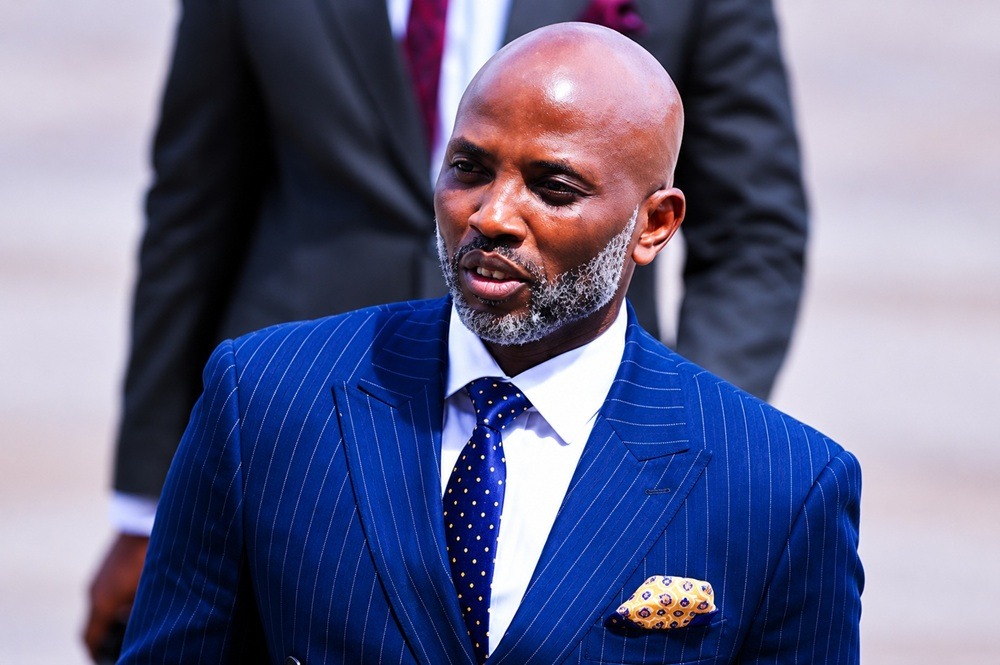
The appointment, communicated through the Office of the President, now awaits parliamentary vetting by the Appointments Committee before Kisekka can formally assume office.
Kisekka’s nomination closes a political chapter that attracted widespread public attention after Dr. Lawrence Muganga, who had initially been nominated for the same portfolio, failed to secure Parliament’s approval because of concerns surrounding his multiple citizenships.
The development underscores the importance attached to constitutional requirements for Cabinet ministers and highlights Parliament’s increasingly assertive oversight role in scrutinizing presidential nominees.
A Vacancy Born Out of Parliamentary Rejection
The office of State Minister for Internal Affairs fell vacant after President Museveni nominated educationist and businessman Dr. Lawrence Muganga to the position.
His nomination initially generated excitement, particularly among supporters who viewed him as a technocrat capable of bringing fresh ideas into government.
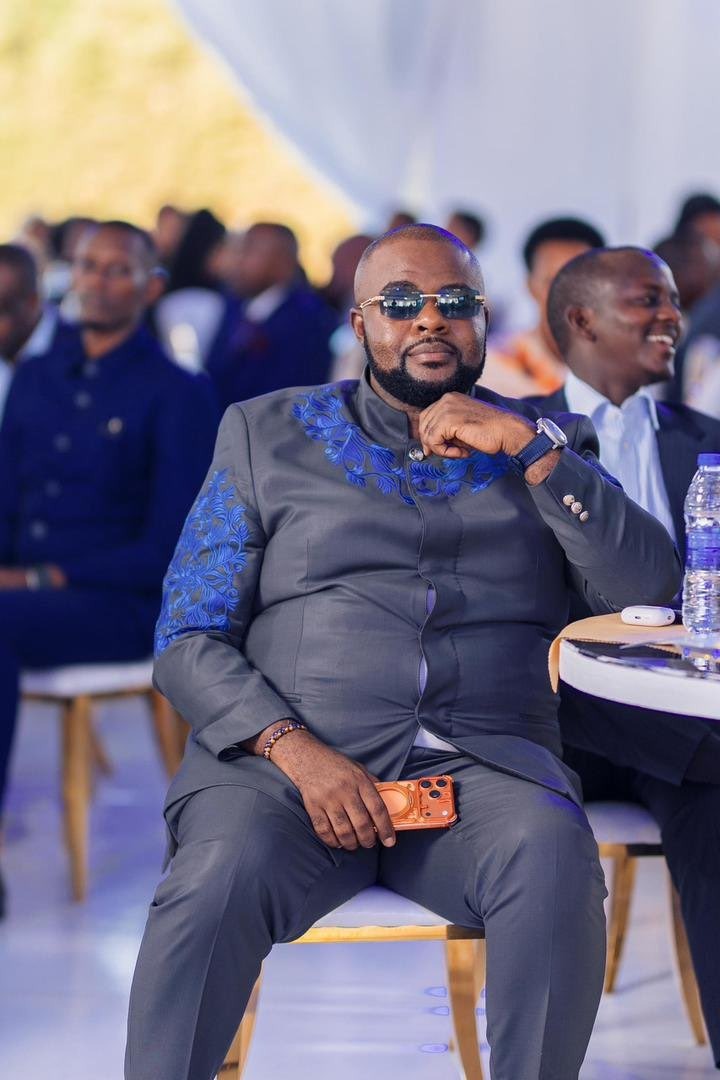
However, the optimism quickly gave way to controversy during his appearance before Parliament’s Appointments Committee.
Members of the committee raised concerns regarding his citizenship status after it emerged that, besides Uganda, Muganga also held Rwandan and Canadian passports.
The committee questioned whether his status complied with the constitutional and legal requirements governing eligibility for appointment as a Cabinet minister.
After extensive deliberations, Parliament’s Appointments Committee declined to approve the nomination, effectively ending Muganga’s immediate prospects of joining Cabinet.
The rejection marked one of the rare occasions in recent years that Parliament had refused to approve a presidential ministerial nominee on grounds relating to citizenship.
Muganga’s Long Campaign to Prove His Ugandan Citizenship
Long before his nomination to Cabinet, Dr. Muganga had repeatedly sought to demonstrate that he was a genuine Ugandan citizen despite having lived and worked abroad for many years.
The Vice Chancellor of Victoria University consistently maintained that Uganda remained his country and that his international experience had never diminished his allegiance.
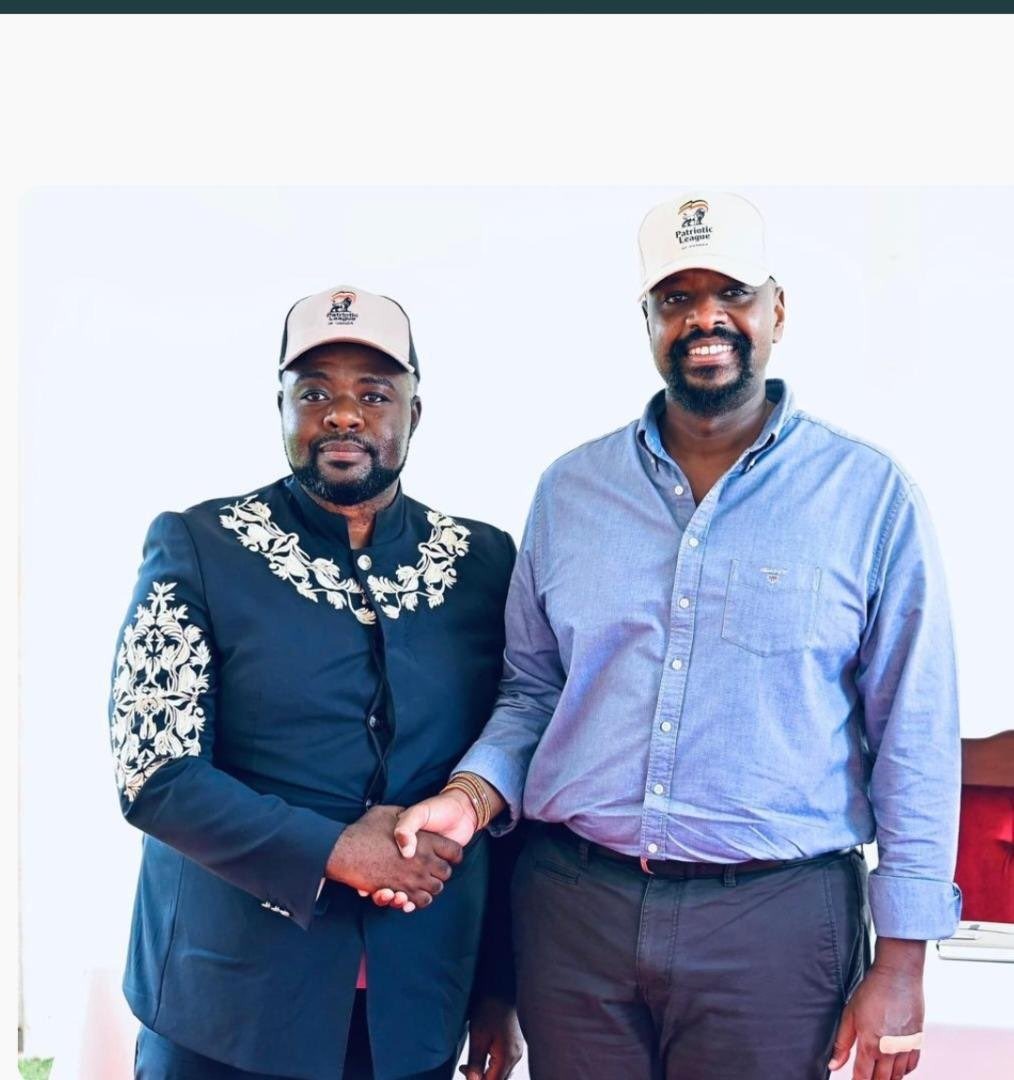
Throughout the controversy, Muganga insisted that he was born to Ugandan parents and had never renounced his Ugandan identity.
He argued that obtaining foreign citizenship had largely been driven by educational and professional opportunities rather than any desire to abandon Uganda.
Over the years, Muganga invested heavily in Uganda’s education sector, presenting those investments as evidence of his commitment to national development.
His leadership at Victoria University has seen significant expansion of academic programmes, digital learning initiatives and industry partnerships aimed at improving higher education standards.
He frequently emphasized that he had deliberately chosen to invest his skills, resources and international networks back home instead of remaining overseas.
When questions regarding his nationality intensified following his nomination, Muganga publicly defended his record, saying his work in Uganda spoke louder than speculation surrounding his passports.
He also pointed to his involvement in education reforms, youth empowerment programmes and entrepreneurship initiatives as further proof of his attachment to Uganda.
Despite those efforts, legal and constitutional questions surrounding his citizenship ultimately overshadowed his achievements.
Constitutional Questions Take Centre Stage
The debate surrounding Muganga’s nomination revived discussion about Uganda’s constitutional provisions governing public office.
Whereas Uganda recognizes dual citizenship under specified circumstances, appointments to certain high public offices remain subject to constitutional qualifications and restrictions.
Members of Parliament argued that Cabinet ministers occupy sensitive executive positions requiring unquestionable compliance with citizenship requirements.
The Appointments Committee therefore subjected Muganga’s documentation and explanations to intense scrutiny.
Although Muganga maintained that he remained a Ugandan citizen, concerns over his possession of multiple passports ultimately proved politically difficult to overcome.
The committee’s decision was widely interpreted as Parliament asserting its constitutional mandate to independently assess presidential appointments rather than merely endorsing them.
Enter Juma Witonze Kisekka
President Museveni has now turned to Juma Witonze Kisekka to fill the vacancy. Unlike his predecessor-designate, Kisekka enters the process without the cloud of citizenship controversy.
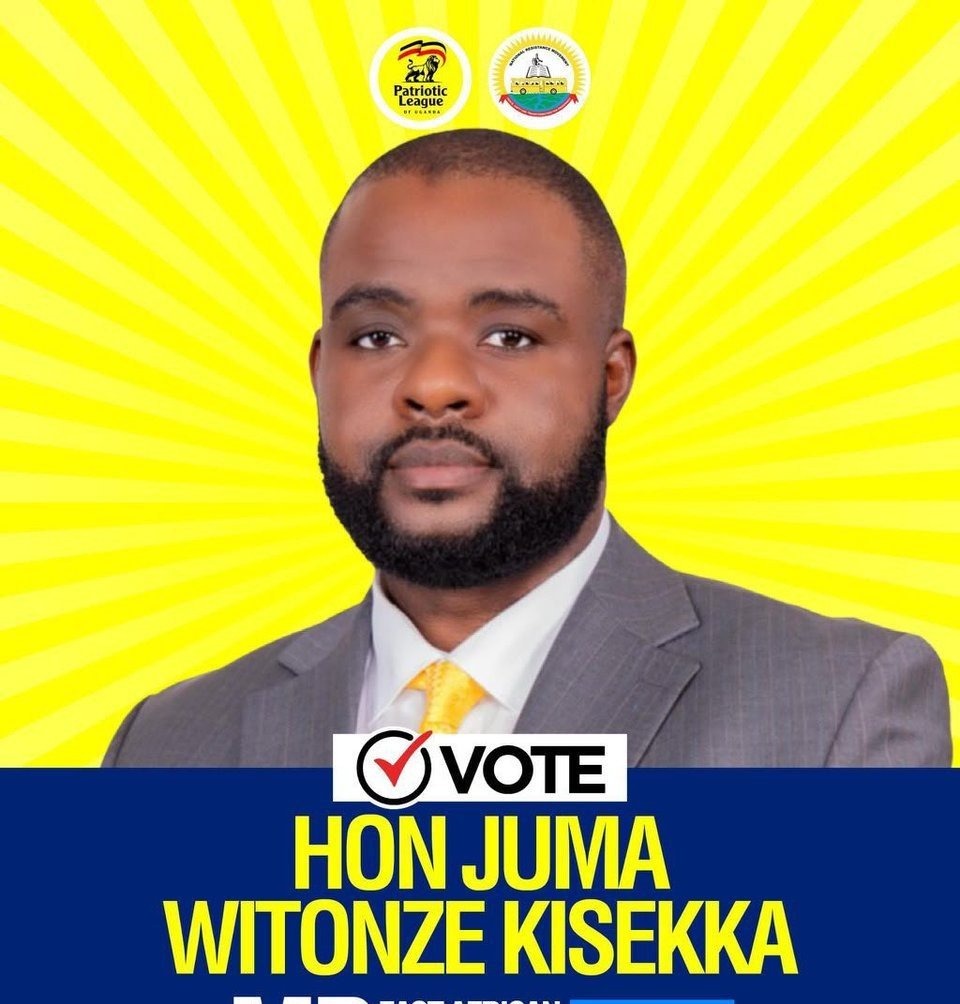
His appointment immediately shifts attention from legal questions to the parliamentary vetting process, where legislators will assess his suitability for the Internal Affairs docket.
The Ministry of Internal Affairs plays a critical role in Uganda’s security architecture.
The ministry oversees immigration, citizenship, prisons, national identification, registration of persons and coordination of several agencies responsible for internal security and public administration.
Should Parliament approve his appointment, Kisekka will be expected to support the substantive minister in implementing government policies relating to immigration management, border security, national identity registration, civil registration and public safety.
Observers say his confirmation process is likely to attract significant interest given the circumstances under which the position became vacant.
Parliament’s Next Move
Kisekka’s name has already been forwarded to Parliament by the appointing authority.
The Appointments Committee is expected to invite him for vetting in accordance with the Constitution before making recommendations to the House.
During the exercise, legislators will examine his academic qualifications, professional experience, integrity, financial declarations and compliance with constitutional requirements for ministerial office.
If approved, Kisekka will formally join President Museveni’s Cabinet, ending weeks of speculation over who would eventually replace Muganga.
Lessons From the Muganga Saga
Political analysts say the episode demonstrates the growing importance of Parliament’s vetting process in Uganda’s governance system.
While the President retains constitutional authority to appoint ministers, parliamentary approval remains an important safeguard intended to ensure nominees satisfy both legal and constitutional requirements.
The Muganga saga also reignited debate over the place of Ugandans in the diaspora within public service.
Supporters argued that professionals who acquire foreign citizenship while pursuing education or careers abroad should not automatically be viewed with suspicion if they later seek to contribute to national development.
Others maintained that constitutional provisions governing sensitive executive offices must be strictly observed to safeguard national interests.The debate is expected to continue as Uganda increasingly benefits from the expertise and investments of citizens living abroad.
Looking Ahead
For now, attention shifts to Witonze, whose parliamentary vetting will determine whether he becomes Uganda’s next State Minister for Internal Affairs.
His nomination offers President Museveni an opportunity to quickly fill an important vacancy while restoring stability within the ministry following the controversy surrounding Muganga’s unsuccessful bid.
Although Dr. Muganga’s ministerial ambitions have, for the moment, come to an end, the debate sparked by his nomination has left a lasting impact on discussions surrounding citizenship, constitutional eligibility and the role of Parliament in approving Cabinet appointments.
As Kisekka prepares to appear before the Appointments Committee, many observers will be watching closely to see whether the process proceeds smoothly, bringing closure to one of the most closely followed Cabinet appointment sagas in recent months.
Author Profile
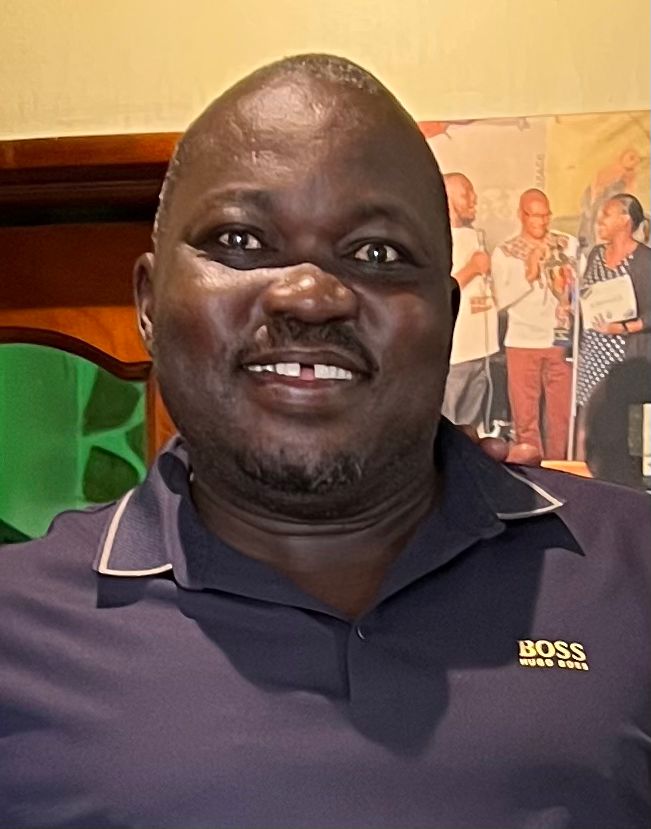
- Charles Gazza Kodili is a seasoned journalist with over 20 years of experience in the media industry. He holds a Bachelor of Arts degree in Mass Communication. He’s currently the Chief Editor at the Investigator.
Charles can also be reached via; Tel: +256 774 108978
Email: [email protected]
Latest entries
 FeaturedOctober 10, 2026MUHOOZI UNDER FIRE OVER DEATH THREATS New York Times article puts Muhoozi’s human rights record under fresh scrutiny as UPDF cries foul
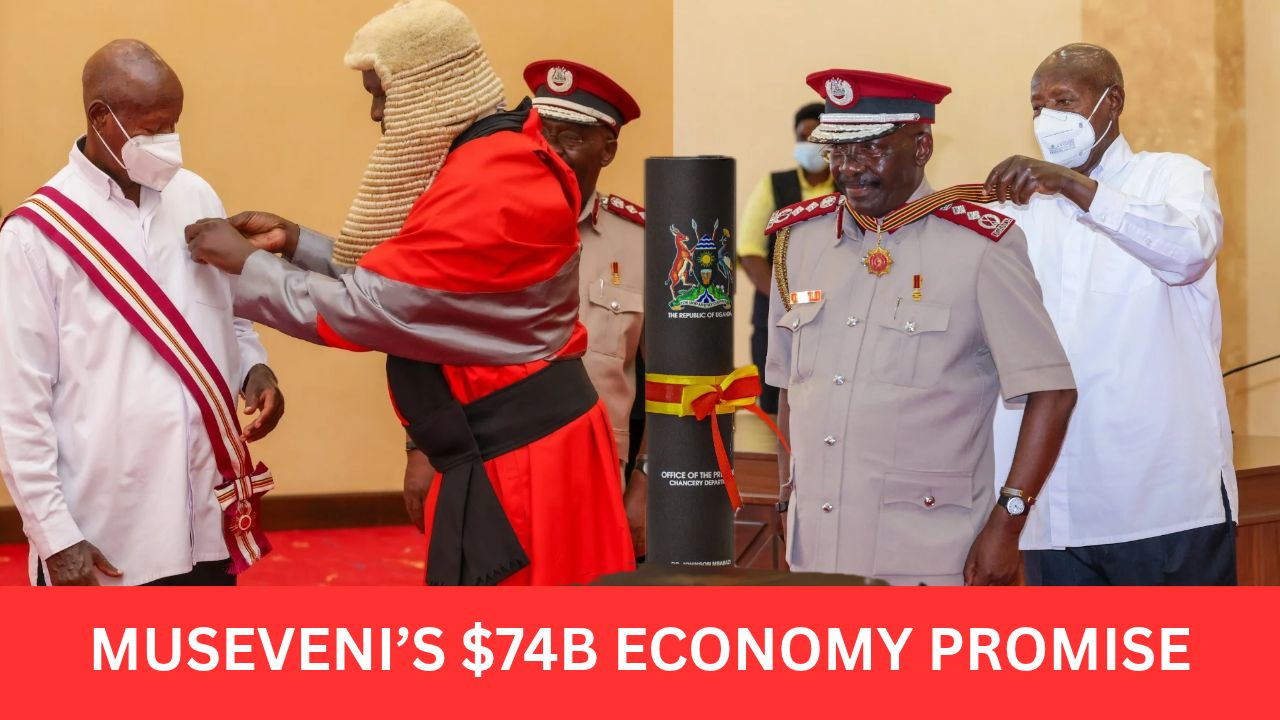 FeaturedOctober 9, 2026UGANDA ECONOMY TO HIT $73.96B: President Museveni Cites Decades Of Economic Growth As He Receives A Top National Honour During The 64th Independence Anniversary Celebrations At State House, Entebbe
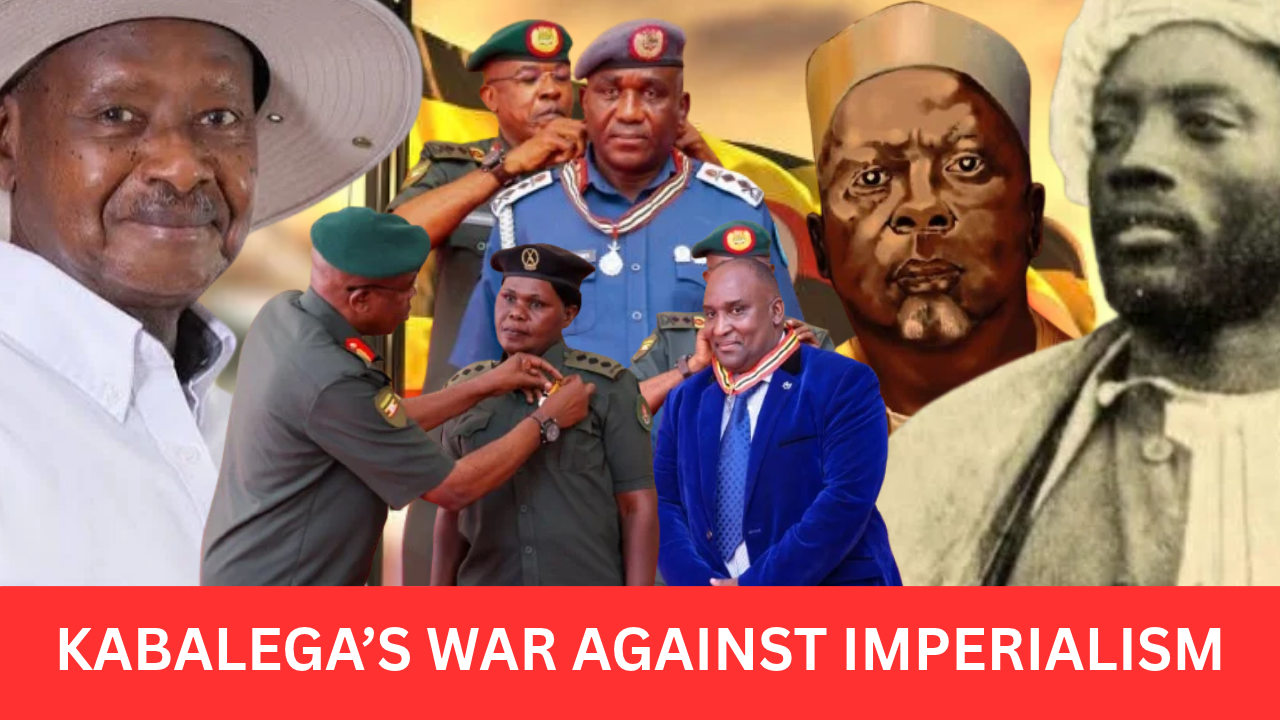 FeaturedOctober 9, 2026KABALEGA: THE KING WHO FOUGHT THE BRITISH: From Battles Against Sir Samuel Baker To Uganda’s Independence In 1962, The Bunyoro King Became A Symbol Of Resistance Against Foreign Domination
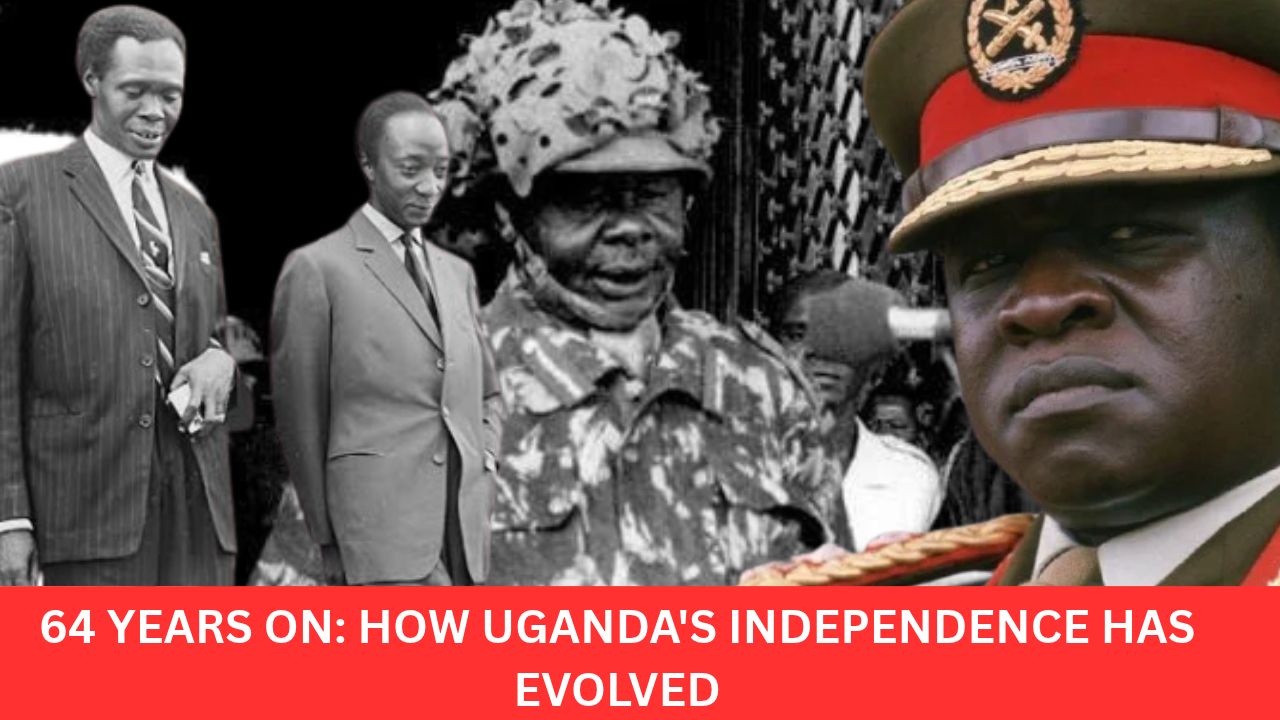 FeaturedOctober 8, 2026UGANDA AT 64: From Obote Receiving the Instruments of Power in 1962 to Museveni Receiving a National Medal in 2026, Uganda’s Independence Story Remains Unfinished. We Journey With You the Thorney 6+ Decades of Uhuru


Good stuff
Cheers
You should have told us who juma witonze is, instead of dwelling on muganga a gone case