



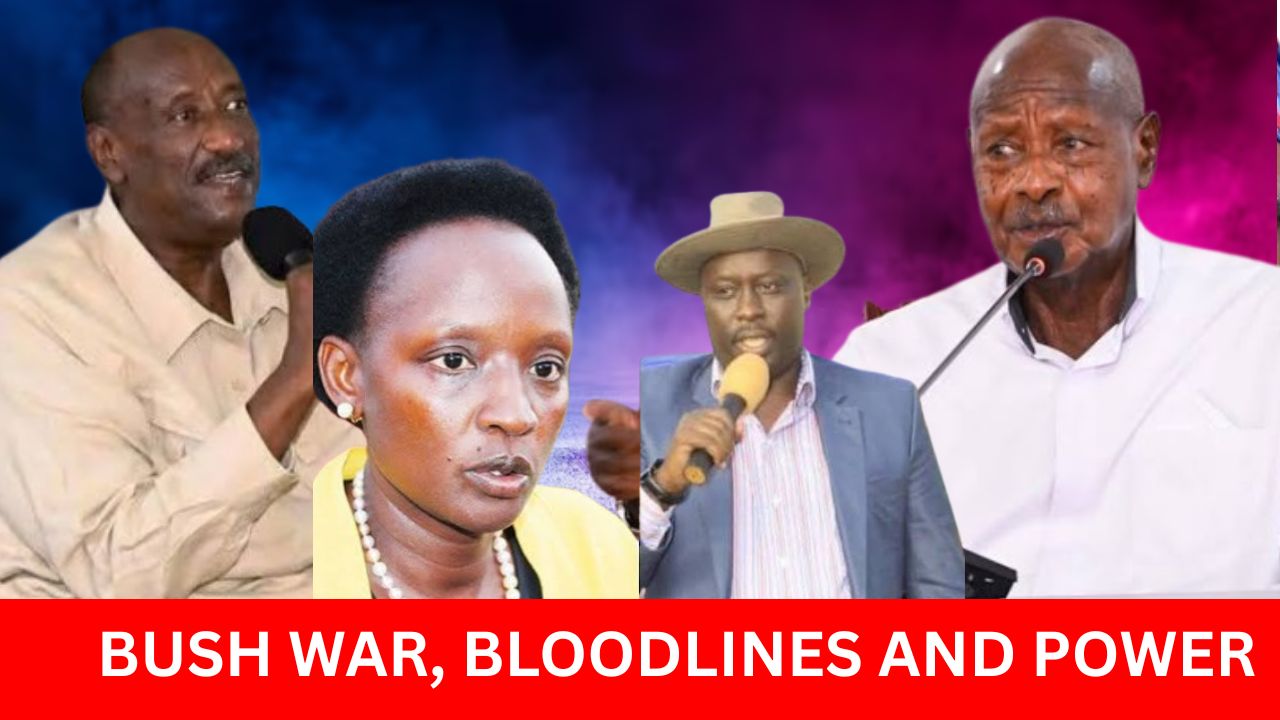
A passionate defence of President Yoweri Museveni’s appointment of close family members to senior government positions by his younger brother and Mawogola North MP, Aine Kaguta Godfrey Sodo, has ignited a heated national debate over nepotism, meritocracy and the legacy of Uganda’s 1981–1986 liberation struggle.
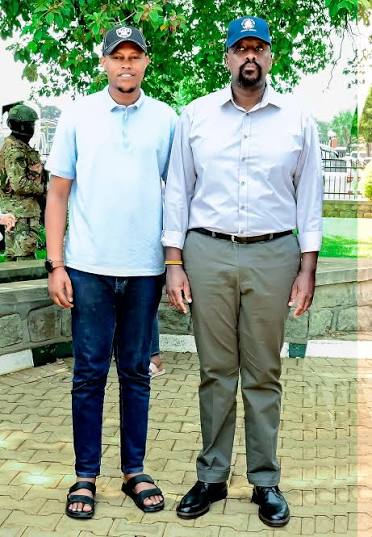
Sodo’s lengthy statement, posted on social media, was a direct response to criticism by Kira Municipality MP Ibrahim Ssemujju Nganda, who has repeatedly questioned the concentration of members of the First Family in influential positions within government and the security establishment.
In his defence, Sodo argued that President Museveni’s relatives should not be denied opportunities to serve Uganda simply because of their family connection to the Head of State.
‘Why Should They Be Disqualified?’
Sodo questioned what he described as a double standard in the public debate over appointments involving members of the President’s family.
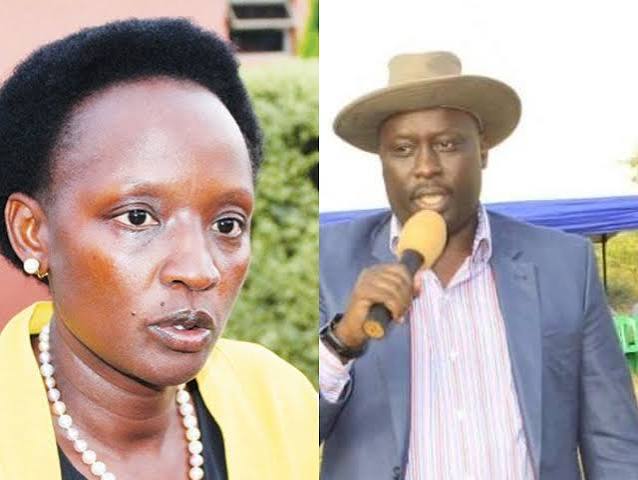
He recalled the sacrifices made by members of the Museveni family during the National Resistance Army (NRA) bush war, arguing that many critics ignored those sacrifices while focusing solely on the appointments.
“Why is it that nobody questioned when Mzee Amos Kaguta’s sons were in the bush fighting for this nation’s freedom?” Sodo wrote.
He cited the wartime role of Gen. Caleb Akandwanaho, commonly known as Gen. Salim Saleh, saying he sustained gunshot wounds during the liberation struggle, and also referred to the military service of Chief of Defence Forces Gen. Muhoozi Kainerugaba.
“My fellow Ugandans, why should being the President’s wife, brother, son or relative disqualify a Ugandan from serving their own nation?” Sodo asked.
He further argued that President Museveni has demonstrated an ability to identify and nurture talent across Uganda and questioned why that judgment should automatically be considered biased when applied to members of his own family.
Bush War Sacrifice Versus Public Office
The statement quickly generated thousands of reactions online, with many Ugandans disagreeing with Sodo’s reasoning.
A recurring argument among critics was that participation in the liberation struggle does not create a perpetual entitlement to public office for one family.
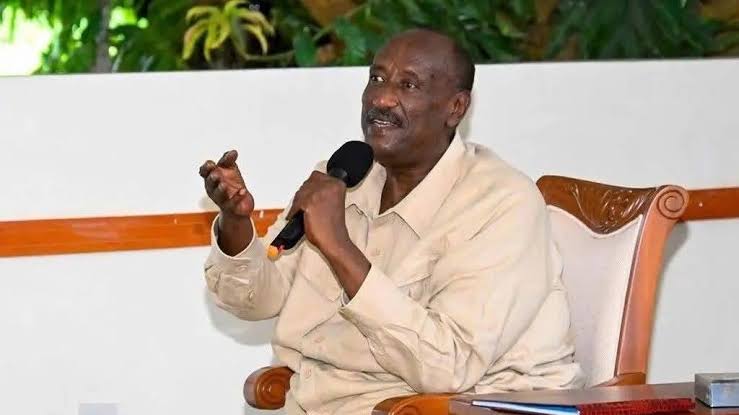
Political commentator Ronald Mbingi, writing on X, argued that although the contribution of NRA fighters could be recognised, it should not be interpreted as giving any family permanent ownership over leadership positions.
“Uganda belongs to all Ugandans,” he wrote, adding that political leadership should be based on constitutional principles rather than liberation credentials.
Several commentators echoed that view, saying wartime sacrifice and appointments to public office are separate issues.
‘Nobody Sent Them to the Bush’
Perhaps the most common response centred on one phrase that appeared repeatedly across social media.
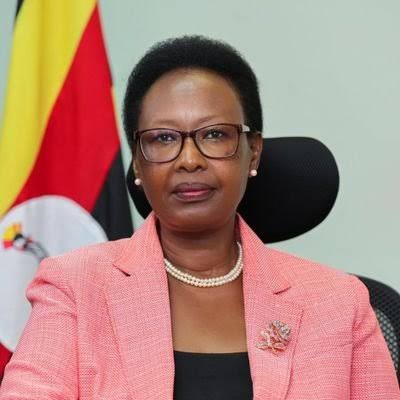
Many users argued that joining the bush war was a voluntary political decision rather than a public contract entitling participants or their relatives to future government appointments.
One user wrote that no Ugandan had asked the Museveni family to fight the war and therefore public service should not be viewed as a reward for military participation decades later.
Others argued that many Ugandans who participated in the liberation struggle—including military veterans, civilians and families that lost relatives—have never received comparable opportunities in government.
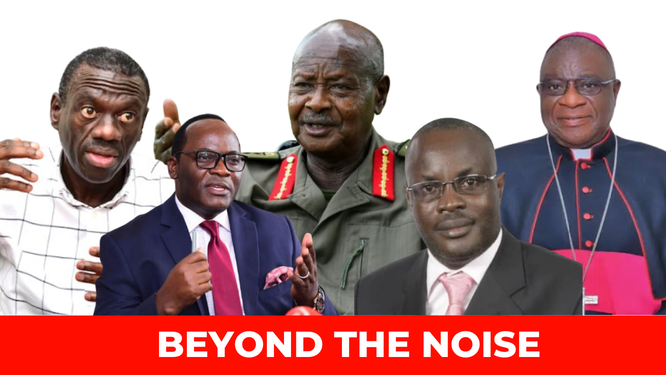
Several commentators specifically mentioned opposition politician Dr Kizza Besigye and retired Gen. Mugisha Muntu, both of whom played roles during the NRA struggle, asking whether the same reasoning should equally apply to them.
Debate Over Merit and Public Trust
The discussion also revived broader concerns about meritocracy within Uganda’s public service.
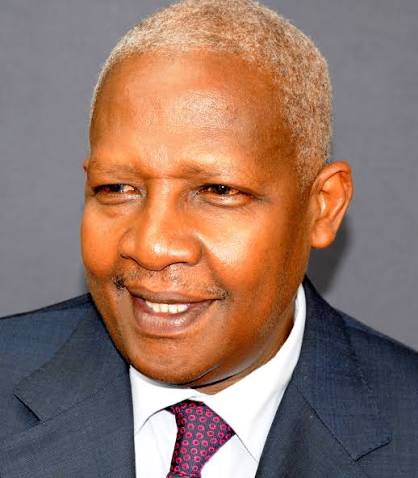
Critics insisted that the issue is not whether members of the President’s family are Ugandan citizens, but whether repeated appointments involving close relatives create perceptions of conflict of interest and undermine public confidence in State institutions.
Some questioned whether equally qualified Ugandans without family ties receive similar opportunities.
Others argued that the Constitution guarantees equal access to public service and that appointments should be seen to be based primarily on merit and transparent selection processes.
Supporters Rally Behind Sodo
Not all responses were critical.
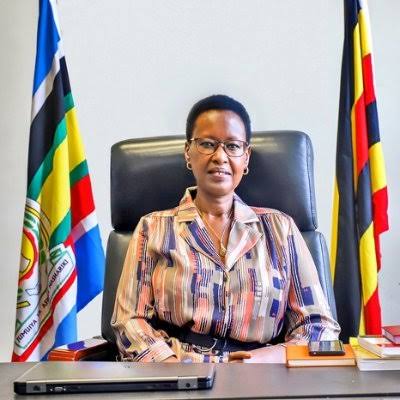
Several supporters praised Sodo for defending the President and accused opposition politicians of exploiting the issue of nepotism for political gain.
Some argued that members of the First Family should not be discriminated against merely because they are related to the President, maintaining that every Ugandan has a constitutional right to serve their country if qualified.
Others credited President Museveni with mentoring leaders from across Uganda over the past four decades, saying it would be unfair to assume that every appointment involving a family member was automatically undeserved.
A Longstanding Political Question
The controversy reflects a debate that has resurfaced periodically throughout President Museveni’s four decades in power.
Critics have often questioned the appointment of relatives to senior military and civilian positions, while government supporters maintain that appointments are based on competence, experience and constitutional authority rather than family relationships.
The issue has remained politically sensitive because it touches on broader questions of governance, institutional independence and public confidence in government appointments.
The Debate Continues
Sodo concluded his remarks by expressing unwavering support for his elder brother, writing, “Long live President Museveni.”
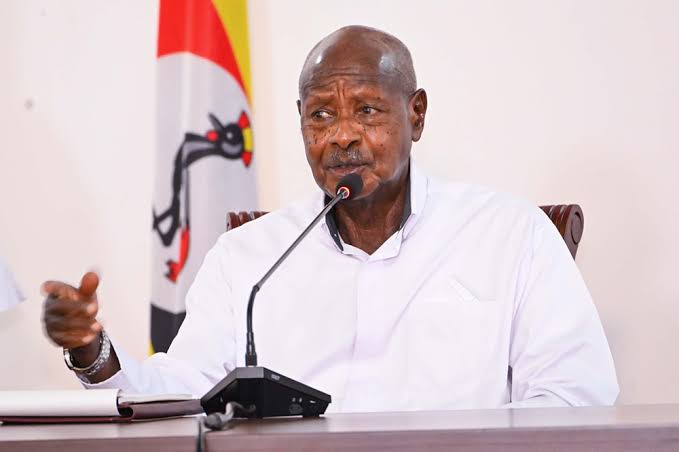
However, the online response demonstrated that the conversation has moved beyond one social media post.
For supporters of the government, Sodo’s comments were a reminder of the sacrifices made during Uganda’s liberation struggle and an argument that family ties should not automatically disqualify capable individuals from public office.
For critics, the debate reinforced concerns that wartime history is increasingly being invoked to justify appointments that they believe should instead be assessed solely on merit, transparency and equal opportunity.
As Uganda continues to debate governance and political succession, Sodo’s intervention has once again brought one of the country’s most enduring political questions to the forefront: where should the line be drawn between legitimate public service by qualified relatives of a president and the perception of nepotism in public office?
Author Profile
- Charles Gazza Kodili is a seasoned journalist with over 20 years of experience in the media industry. He holds a Bachelor of Arts degree in Mass Communication. He’s currently the Chief Editor at the Investigator.
Charles can also be reached via; Tel: +256 774 108978
Email: [email protected]
Latest entries
 FeaturedOctober 10, 2026MUHOOZI UNDER FIRE OVER DEATH THREATS New York Times article puts Muhoozi’s human rights record under fresh scrutiny as UPDF cries foul
 FeaturedOctober 9, 2026UGANDA ECONOMY TO HIT $73.96B: President Museveni Cites Decades Of Economic Growth As He Receives A Top National Honour During The 64th Independence Anniversary Celebrations At State House, Entebbe
 FeaturedOctober 9, 2026KABALEGA: THE KING WHO FOUGHT THE BRITISH: From Battles Against Sir Samuel Baker To Uganda’s Independence In 1962, The Bunyoro King Became A Symbol Of Resistance Against Foreign Domination
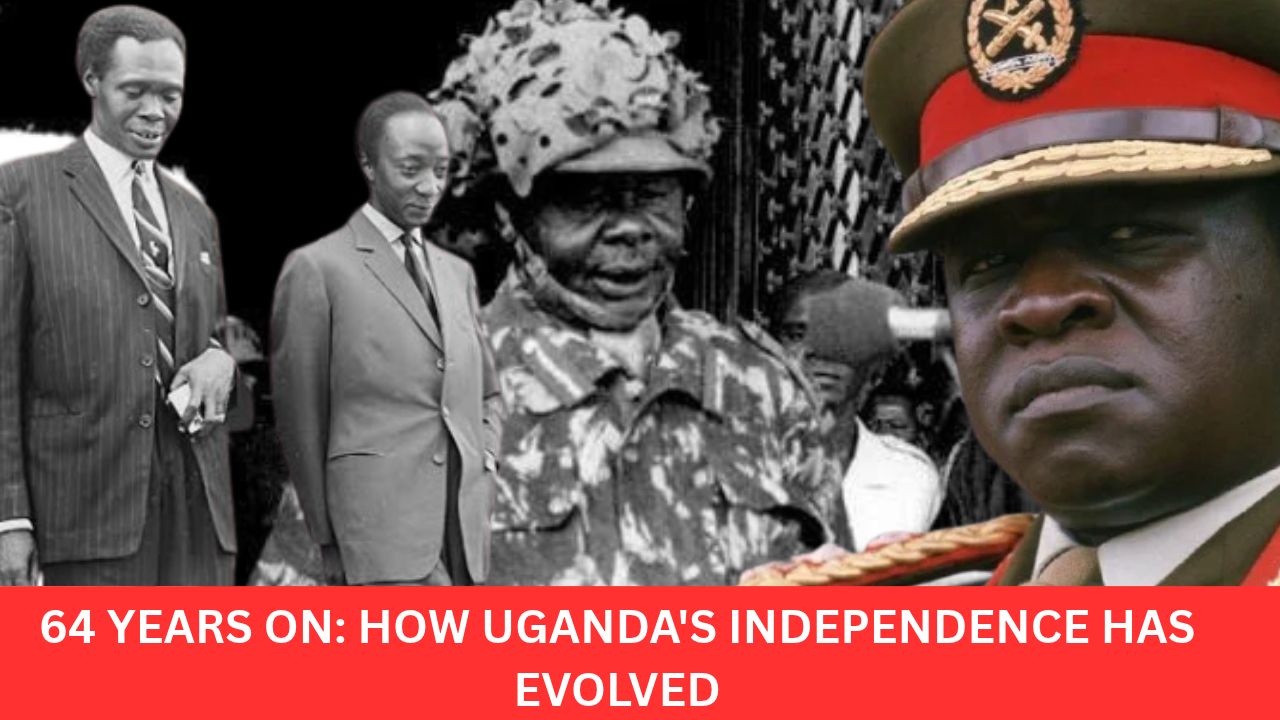 FeaturedOctober 8, 2026UGANDA AT 64: From Obote Receiving the Instruments of Power in 1962 to Museveni Receiving a National Medal in 2026, Uganda’s Independence Story Remains Unfinished. We Journey With You the Thorney 6+ Decades of Uhuru