













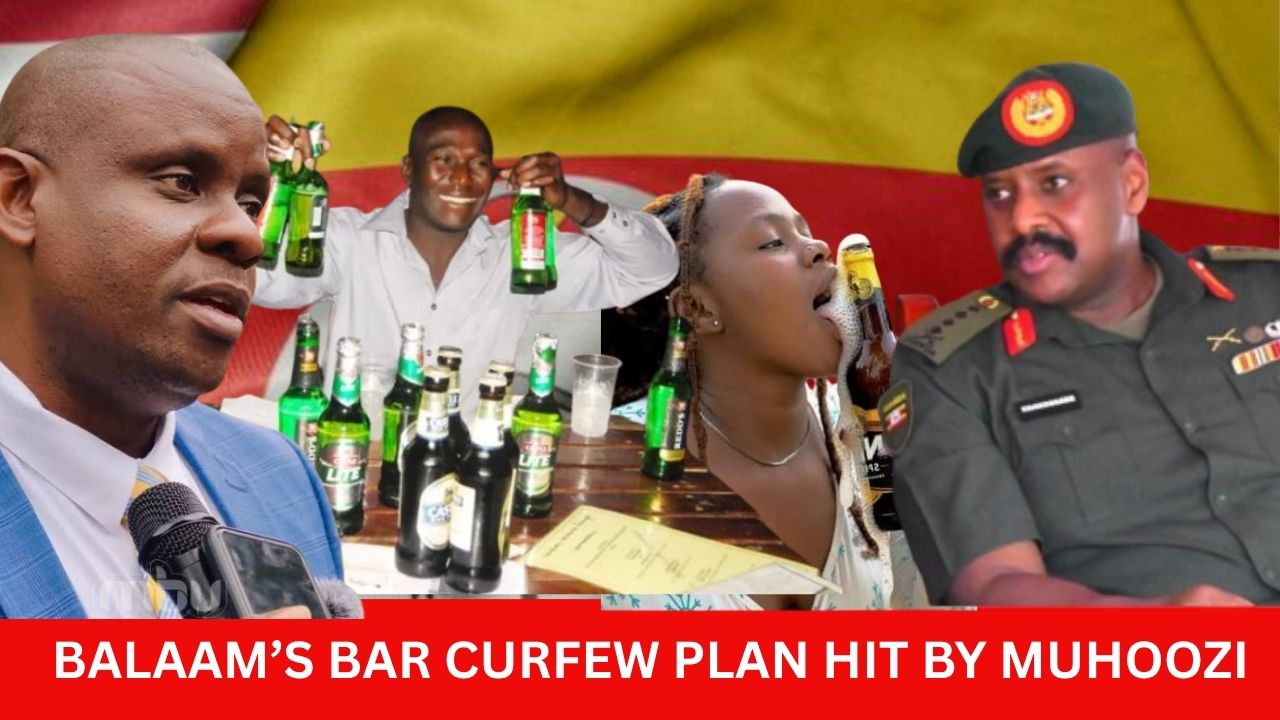
The challenge for Government will now be determining how to enforce public-order laws without unnecessarily interfering with legitimate entertainment businesses.
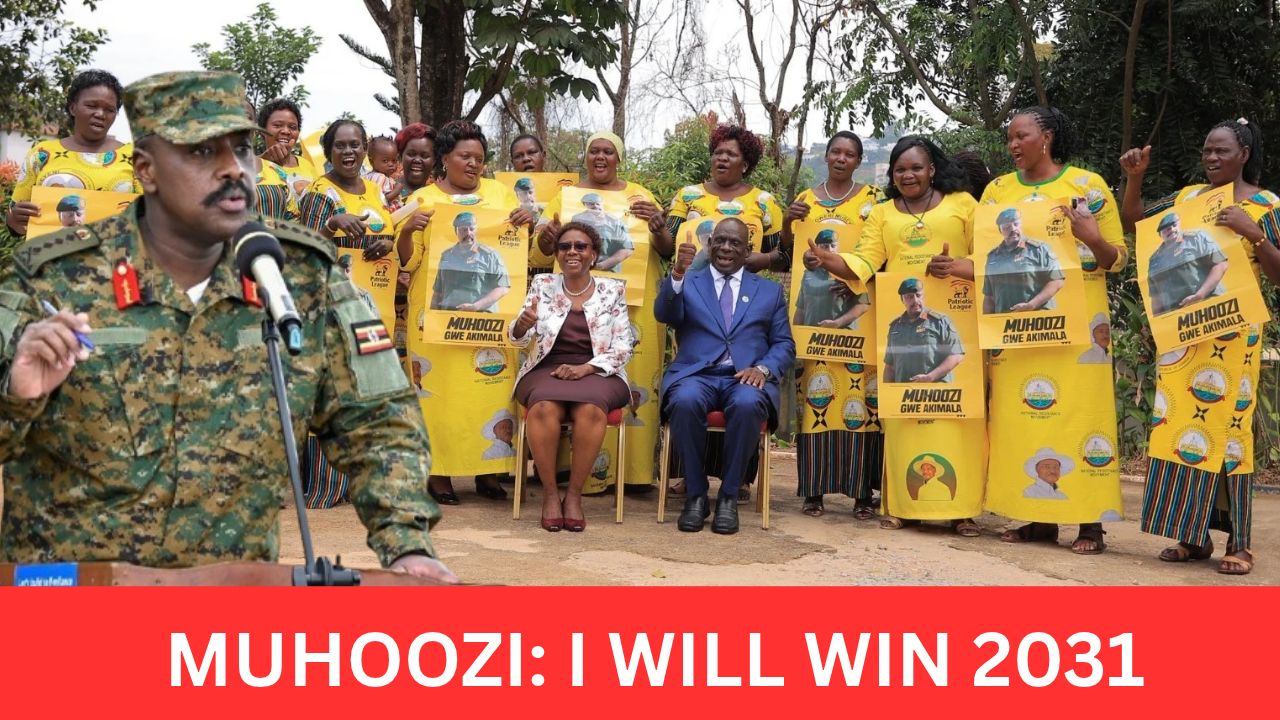
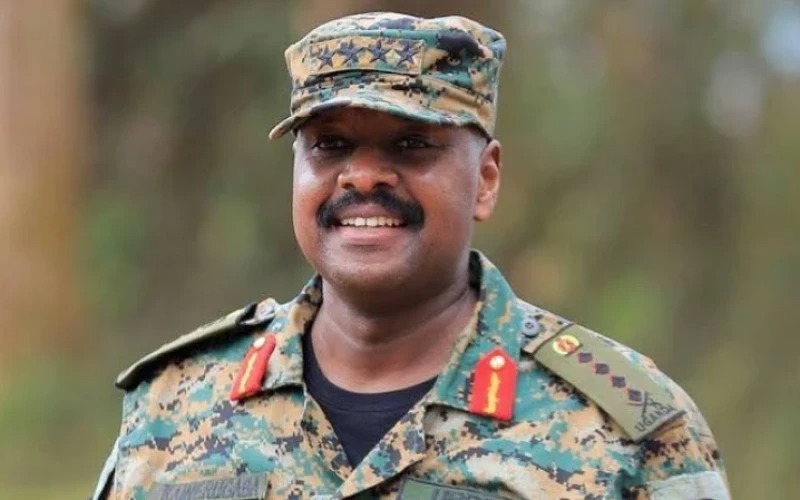
While the CDF has made his position clear, the wider debate over alcohol regulation, nightlife and public safety remains unresolved, with Ugandans continuing to weigh personal freedom against the need for stronger regulation.Chief of Defence Forces Gen. Muhoozi Kainerugaba has waded into the contentious debate over operating hours for bars and entertainment venues, saying proprietors should be free to determine when their establishments open and close.
Gen. Muhoozi’s intervention appears to contradict a proposal by Local Government Minister Balaam Barugahara Ateenyi, who had advocated for restrictions on the hours during which bars operate. In a post on X, Gen. Muhoozi said the Government should focus on preventing violence and disorder rather than dictating when Ugandans should enjoy themselves.
“Opening and closing hours for bars and clubs is up to the proprietors. What we will not tolerate is any form of fighting and violence. Otherwise, Ugandans are entitled to enjoy themselves,” Gen. Muhoozi said. The statement has triggered mixed reactions on social media, with some Ugandans welcoming the position as a defence of personal freedom, while others argue that unrestricted nightlife contributes to drunk driving, noise pollution, crime and other social problems.
The disagreement also places renewed attention on the Government’s broader attempts to regulate entertainment establishments and address concerns associated with alcohol consumption. Minister Barugahara, who has been at the centre of the debate over bar operating hours, appeared to acknowledge Gen. Muhoozi’s intervention in a brief response.
“Order taken Chairman with utmost respect,” Barugahara posted on X, apparently accepting the directive while maintaining respect for the CDF. The exchange comes against a backdrop of growing public debate over whether Government should impose strict controls on nightlife or leave such decisions to business owners and local authorities.
‘I beg to differ’
One of the strongest reactions came from Fredrick Albert Mukungu, who openly disagreed with Gen. Muhoozi’s position. Mukungu argued that allowing establishments to determine their own operating hours could create additional social problems in a country where, in his view, many citizens have not embraced sufficient personal and public responsibility.
“I beg to differ, Afande; Ugandans have failed to accept public and personal responsibility. Some kind of strict rules and government regulations must be imposed; civic education has disappeared,” Mukungu said. He linked the debate over nightlife to wider concerns about public health, road safety, crime and social discipline.
According to Mukungu, Uganda is already experiencing the consequences of what he described as unhealthy lifestyles, including excessive drinking and irresponsible behaviour. “We are losing people and overburdening our national hospitals as a result of an unhealthy lifestyle that includes drunk driving, promiscuity and nighttime thefts to killing,” he said.
He also raised concerns about noise pollution, arguing that the unrestricted operation of bars and nightclubs can affect residents and undermine productivity. “Noise pollution is prevalent everywhere, but better working conditions are unlikely when the majority of people in a country spend time in bars and night clubs,” Mukungu added.
Rather than imposing an outright ban on nightlife, however, Mukungu called for what he described as a balance between the interests of businesses, revellers and the wider community. “We must strike a balance, but in Uganda, we have exceeded reasonable limits,” he said. He proposed limiting the operating hours of bars and nightclubs, while allowing establishments that want to operate beyond the prescribed hours to pay additional fees to local authorities.
“Bar and nightclub operating hours must be limited, and those who wish to operate outside of these hours must pay a premium to local councils,” Mukungu argued. He said Ugandans need adequate time to rest and prepare for work, warning that an entertainment culture that runs deep into the night could have consequences for productivity and wellbeing. “People must sleep, reflect, and wake up in the morning to work; thus, positive health and well-being will result,” he said.
Balaam accepts the position
Minister Barugahara, who had previously pushed for tighter regulation of bar operating hours, responded directly to Gen. Muhoozi’s post. “Order taken Chairman with utmost respect,” Barugahara said. The short response appeared to signal that the minister had taken note of the CDF’s position.
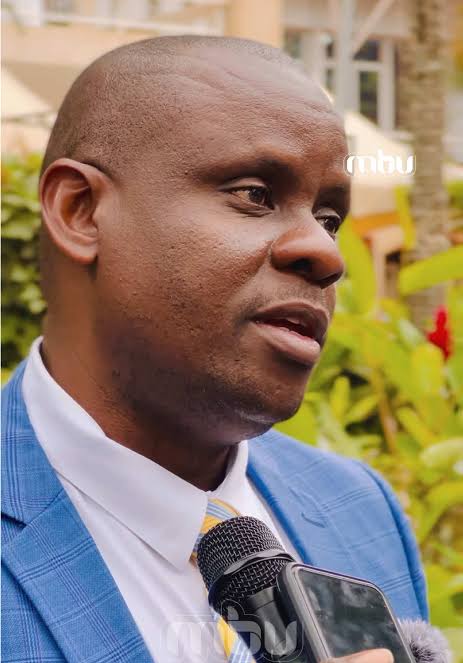
Barugahara’s involvement in the debate had already generated considerable public discussion, particularly over proposals aimed at regulating entertainment establishments. The latest development now shifts the debate from whether restrictions are necessary to how Uganda can balance individual freedoms with public order and safety.
Gen. Muhoozi’s position places responsibility largely on proprietors and customers, with Government intervention focused on preventing violence and disorder. His statement also emphasises the right of Ugandans to enjoy themselves, provided that their activities do not result in fighting or violence.
Social media divided
Ugandans on social media were sharply divided over the CDF’s intervention. Okwir Emmanuel, writing on X, said unrestricted access to alcohol could worsen irresponsible behaviour among some Ugandans. “When Ugandans are given too much freedom to drink, they’re too careless, lack personal and family responsibilities. Mr. Afande with due respect I disagree with you on this,” Okwir wrote. David Keneta Dronyi also questioned whether Uganda could afford to have weak controls on alcohol consumption. “A country without Alcohol laws, no wonder most accidents are due to DUI, no one cares,” he posted.
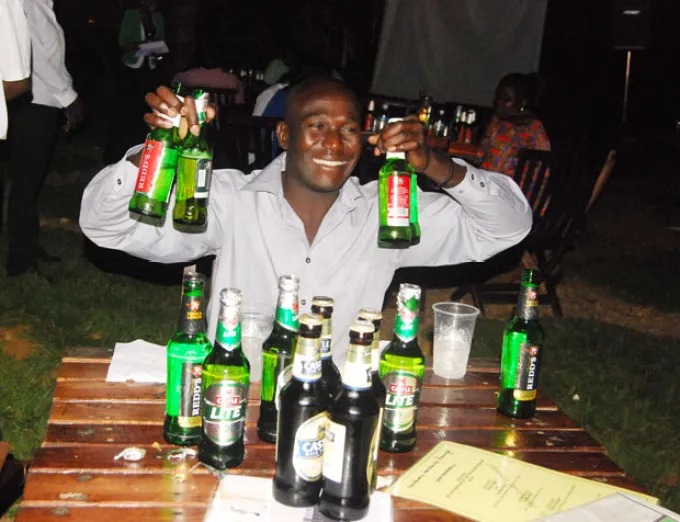
Another user, Sabila Godfrey, urged Gen. Muhoozi to reconsider his position, arguing that restrictions on operating hours would not necessarily damage the economy. “The owners of bars and clubs have forced government to cave in, regulating time cannot collapse the economy, neither can it stop drinkers from visiting bars and club nor can it reduce the influx of party goers,” Sabila wrote.
He appealed to the CDF to reconsider the decision, describing strict regulation as necessary leadership. “Please! Gen. revisit the decision, bold leaders take tough decisions,” he added. The reactions illustrate the difficult balance facing policymakers between regulating the alcohol and entertainment industry and protecting individual freedoms. For bar and nightclub proprietors, restrictions on operating hours can directly affect revenues, particularly during weekends and public holidays when nightlife activity peaks.

For residents, however, late-night entertainment can bring concerns over noise, traffic, public drunkenness and disorder.
Freedom versus regulation
The debate is therefore likely to continue beyond the latest exchange between Gen. Muhoozi and Minister Barugahara. Supporters of tighter regulation argue that Government has a responsibility to protect public health and safety, particularly where alcohol consumption is linked to drunk driving, violence and other forms of social disorder.
Those opposed to strict closing hours maintain that adults should be allowed to make their own choices and that authorities should punish misconduct rather than impose blanket restrictions on legitimate businesses. Gen. Muhoozi’s statement appears to favour the latter approach, with an emphasis on individual choice and accountability for violence. “Otherwise, Ugandans are entitled to enjoy themselves,” he said.
Author Profile

Latest entries
 NewsOctober 22, 2026FUEL PRICES, DOLLAR RATES TEST PUBLIC CONFIDENCE: Rising Fuel Costs And Currency Market Pressures Are Exposing The Economic Consequences Of Eroding Confidence, With Businesses And Households Bearing The Burden
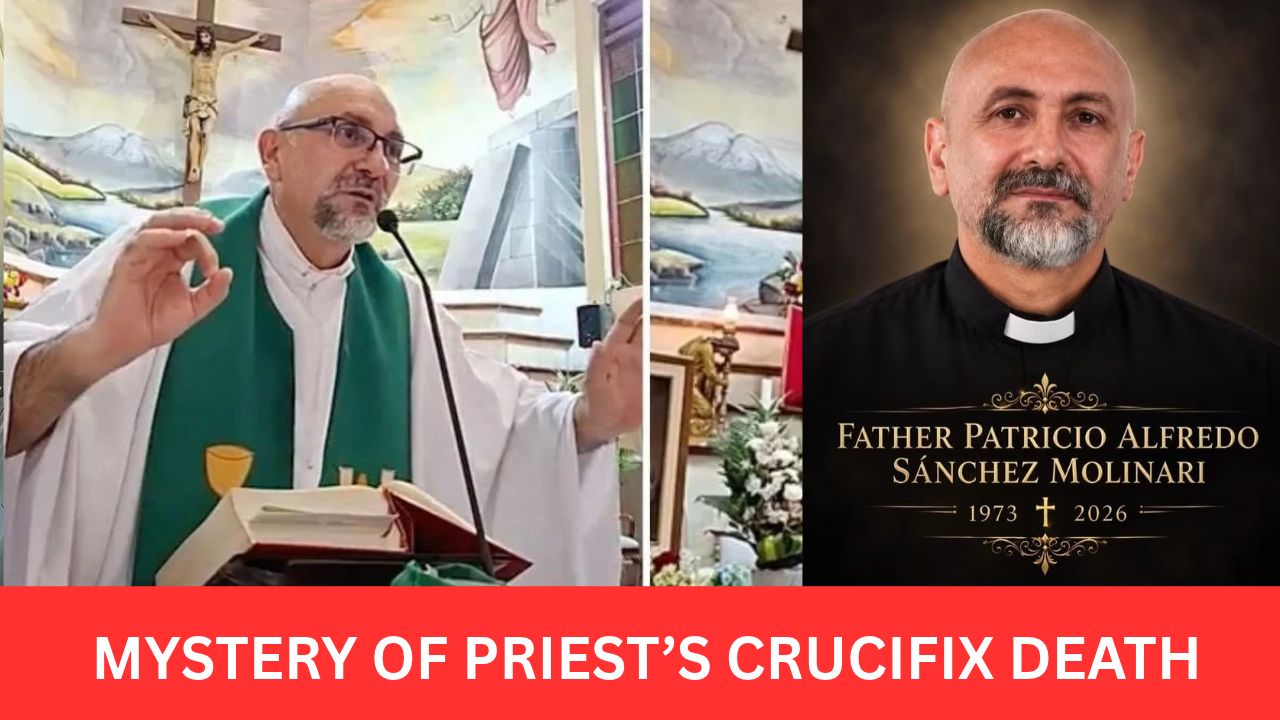 FeaturedOctober 19, 2026CRUCIFIX CRUSHES PRIEST TO DEATH: Father Patricio Alfredo Sánchez Molinari Dies After A Massive Wooden Cross Falls On His Head During A Livestreamed Mass In Ecuador
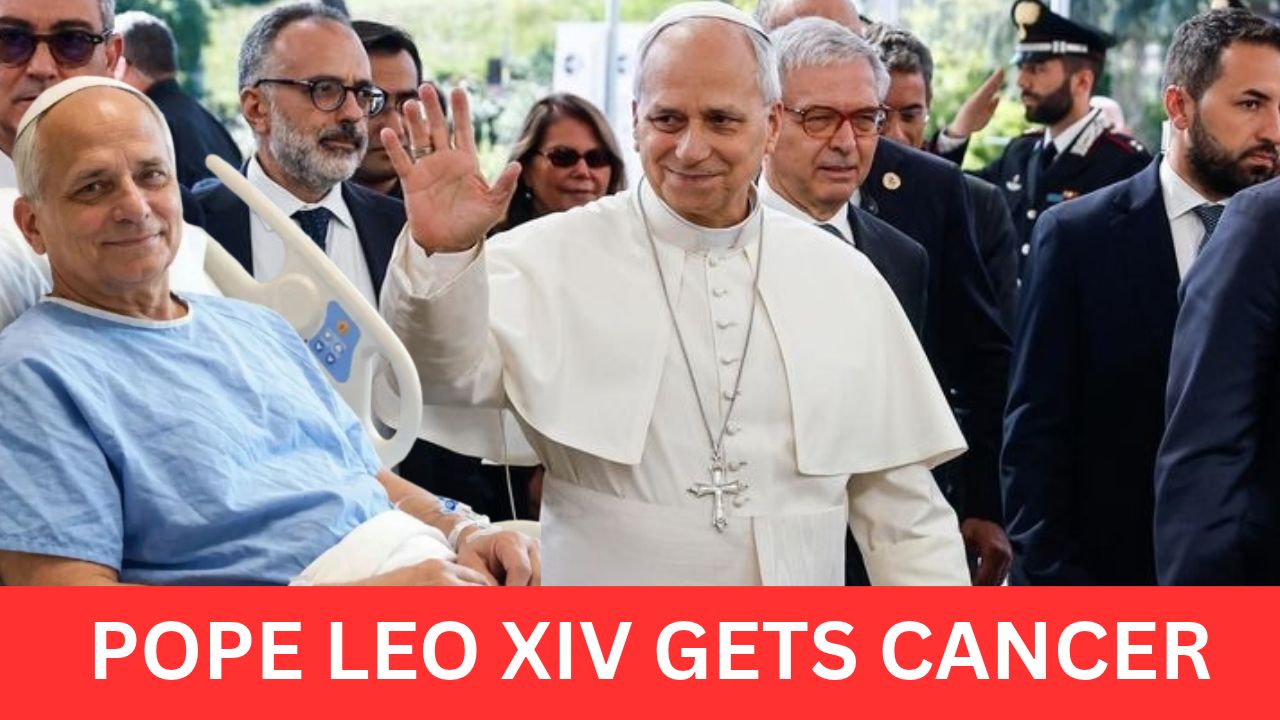 UncategorizedOctober 14, 2026POPE TESTS POSITIVE OF CANCER: Man of God Leo XIV’s Lung Cancer Highlights Growing Number Of Nonsmokers Diagnosed With The Disease And Younger People Too
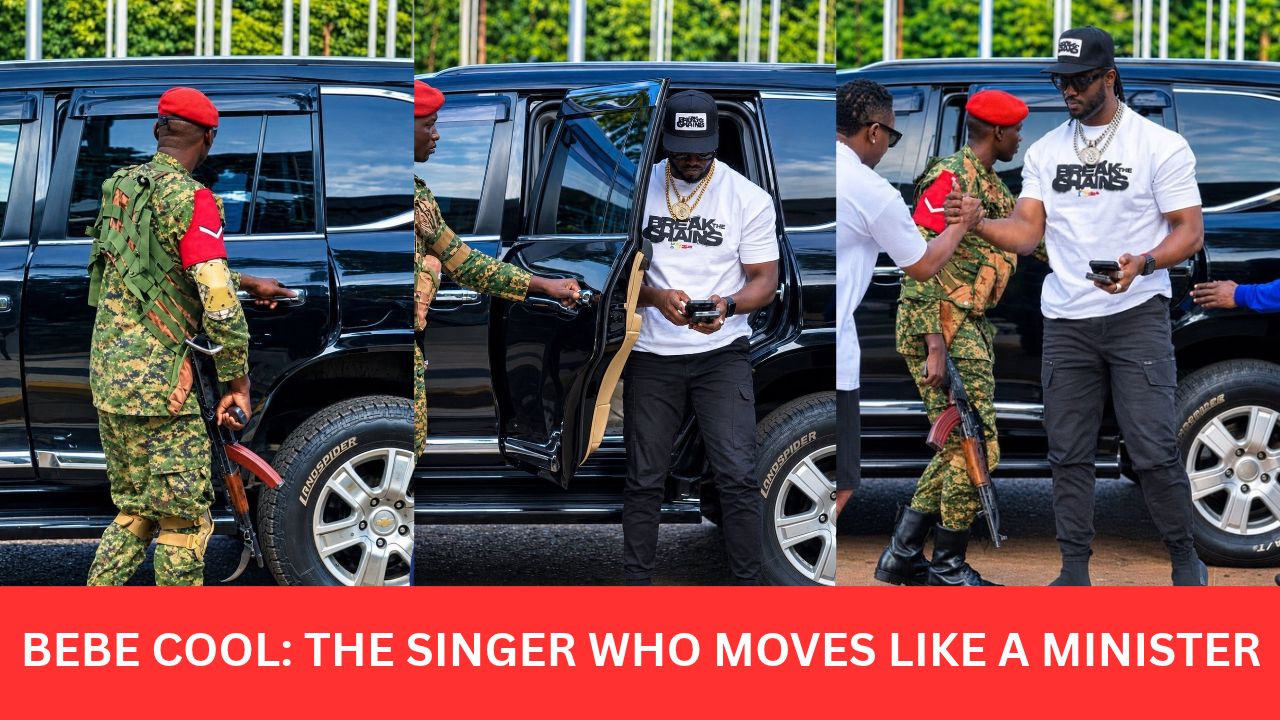 FeaturedOctober 12, 2026WHO GAVE BEBE COOL THE MILITARY ESCORT? The Singer’s Reported Military Police Protection Has Triggered Questions About Who Authorised The Deployment, Why It Is Necessary And Whether The Arrangement Is Linked To Official Duties