



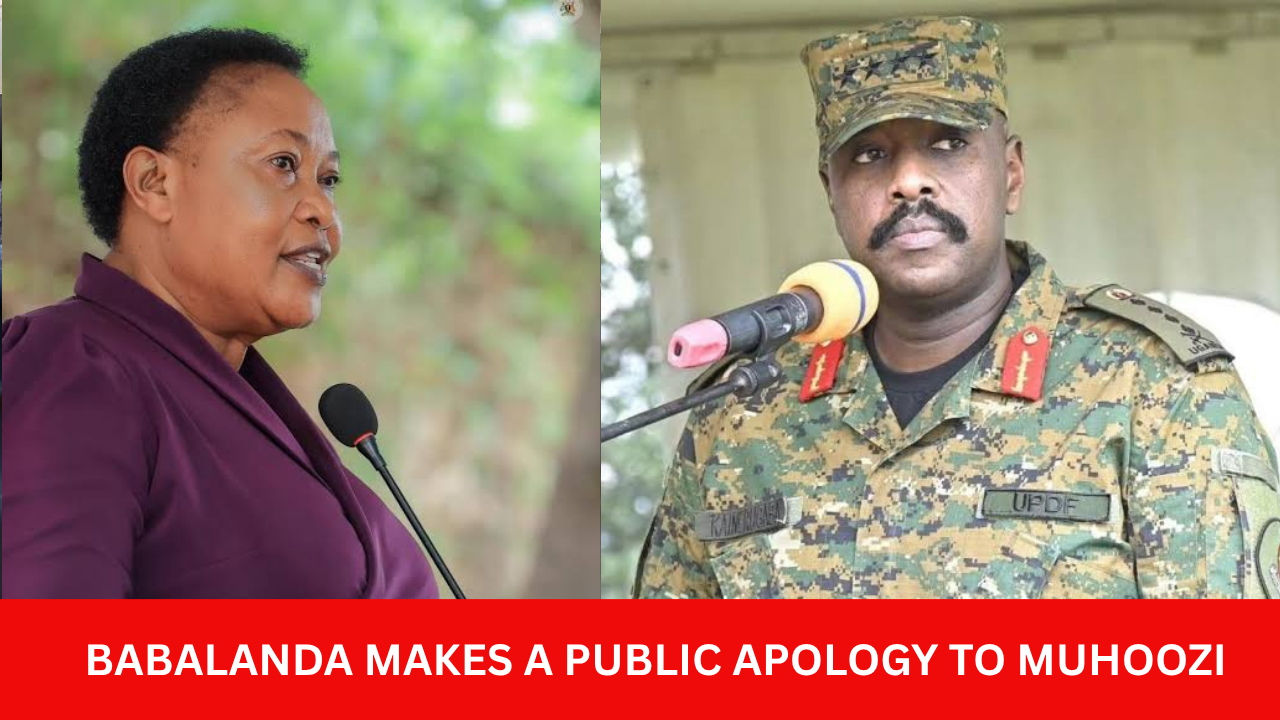
A political drama involving Minister for the Presidency Milly Babalanda and Chief of Defence Forces Gen. Muhoozi Kainerugaba has taken a new turn after Babalanda publicly sought to mend relations with the army chief.
Babalanda, a senior figure in President Yoweri Museveni’s administration, posted a brief message directed at Gen. Muhoozi, saying: “Afande CDF, Gen. @mkainerugaba, Tuko Pamoja Juu.” The Swahili phrase, loosely translated as “we are together above” or “we are together with you,” was interpreted as an appeal for reconciliation at a time when political tensions surrounding Muhoozi and his Patriotic League of Uganda (PLU) have become increasingly pronounced.
But the response from PLU Secretary General and Kasambya County MP Daudi Kabanda added a new political dimension to the exchange. Responding to Babalanda’s appeal, Kabanda asked: “Afande, what if she endorses PLU, will you forgive her?”
Kabanda’s question has immediately fuelled speculation about what it would take to end the apparent disagreement between Babalanda and the CDF and whether political allegiance to PLU could become part of the reconciliation process.
Kabanda turns apology into political question
Kabanda did not directly accuse Babalanda of wrongdoing in his short response. Instead, his question appeared to challenge the basis upon which forgiveness could be extended. By asking whether an endorsement of PLU would make a difference, Kabanda introduced the issue of political loyalty into what Babalanda had presented as a personal appeal to Muhoozi.
The exchange is particularly significant because Kabanda is not an ordinary commentator on Muhoozi’s political activities. He serves as secretary general of PLU, the political organisation associated with Gen. Muhoozi. Recent reports have also highlighted his increasingly prominent role in the movement.
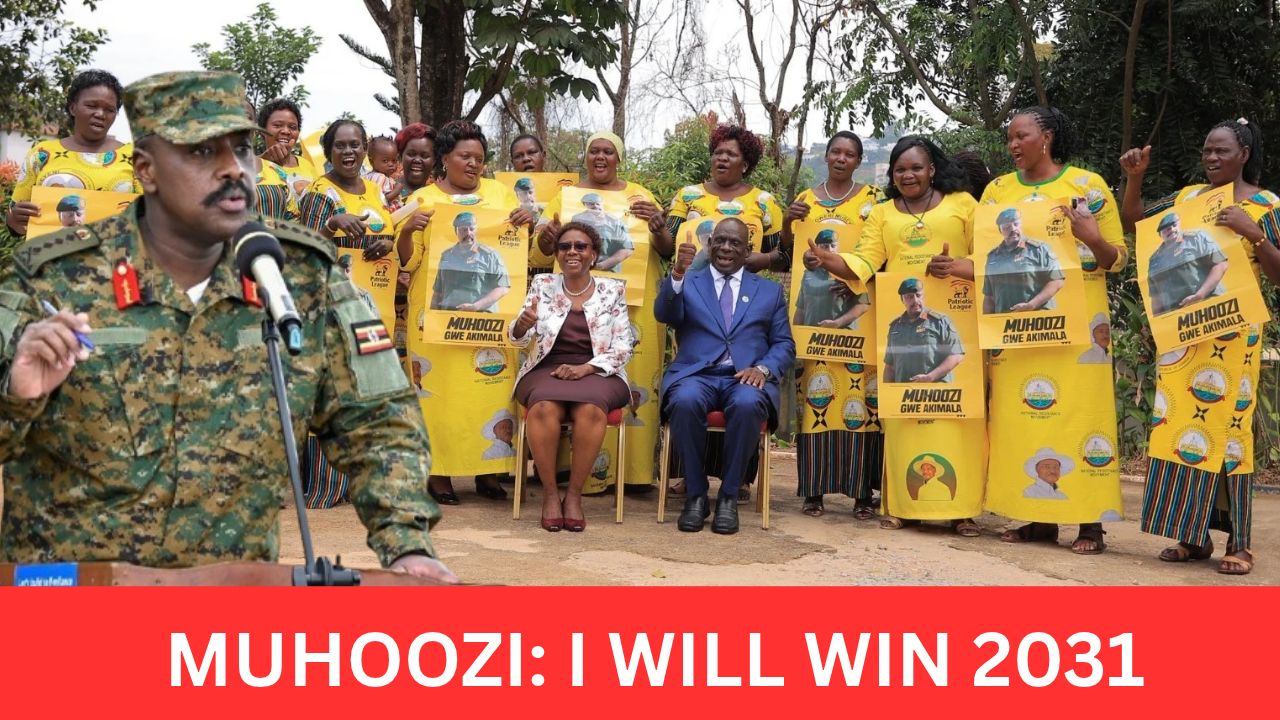
His intervention therefore gives the question a political undertone: whether reconciliation with Muhoozi is simply a matter of personal relations or whether political positioning towards PLU is becoming increasingly important. Kabanda has also been outspoken about Muhoozi’s political future, with recent reports indicating that he has publicly projected the CDF as a prospective presidential candidate for the 2031 elections.
Babalanda caught between NRM and PLU politics
Babalanda occupies an influential position within the ruling establishment. She has served as Minister for the Presidency since 2021 and was retained in the portfolio after the 2026 elections. Her political career has also included work in the NRM structures and as a senior presidential adviser before her elevation to Cabinet.
That background makes her appeal to Muhoozi politically significant. The NRM establishment remains centred around President Museveni, while Muhoozi has increasingly emerged as the leader of PLU and a major political force within the ruling establishment.
The two political currents are not necessarily mutually exclusive, but the emergence of PLU has created a new layer of political calculations for officials who have traditionally operated within the NRM framework. Babalanda’s message therefore comes against a wider debate about political loyalty, succession and the place of PLU within Uganda’s ruling political order.
What does “Tuko Pamoja Juu” mean?
The wording of Babalanda’s message is brief but politically loaded. “Juu” means “above” in Swahili, while “tuko pamoja” means “we are together.” In political communication, such a message can be understood as an attempt to signal solidarity rather than confrontation.
Babalanda did not publicly elaborate on what prompted the message or identify the specific issue she was seeking to resolve. Kabanda’s response, however, immediately shifted attention from reconciliation to political allegiance. His question — “what if she endorses PLU, will you forgive her?” — raises the possibility that the disagreement may have implications beyond a personal misunderstanding.
It also places Babalanda in a politically delicate position. An outright endorsement of PLU by a serving Cabinet minister would carry a different political meaning from a simple expression of support for Muhoozi as an individual.
PLU factor
PLU has become an increasingly visible political vehicle around Gen. Muhoozi, with Kabanda among its leading organisers and public voices. The organisation’s growing prominence has generated considerable debate over its relationship with the NRM and the political succession question.
For officials within government, openly aligning themselves with PLU could therefore be interpreted not merely as supporting Muhoozi but as taking a position on Uganda’s future political direction. This is what makes Kabanda’s question particularly provocative.
He appears to be asking whether Babalanda’s reconciliation with Muhoozi would require more than an apology or expression of solidarity — and whether political support for PLU could provide the bridge. There is, however, no indication in the exchange that Babalanda has endorsed PLU. Her public message, as it stands, only expresses solidarity with Muhoozi.
A changing political landscape
The episode illustrates the increasingly complicated political landscape surrounding Muhoozi. While he remains CDF, his political profile has continued to expand, particularly through PLU. Kabanda’s recent public statements about a 2031 presidential bid have further strengthened perceptions that the movement is positioning itself for a longer-term political project.
Babalanda, meanwhile, remains firmly associated with the Museveni administration and the NRM political establishment. Her decision to publicly tell Muhoozi that they are together could therefore be interpreted as an attempt to maintain political bridges across the emerging divide. Kabanda’s response suggests that such bridges are now being tested against a new political reality in which loyalty to PLU and Muhoozi may increasingly become a subject of public debate.
The unanswered question
For now, the central question raised by Kabanda remains unanswered: Would an endorsement of PLU be enough for Muhoozi to forgive Babalanda? Neither Muhoozi nor Babalanda has publicly stated that PLU membership or endorsement is a condition for reconciliation. Kabanda’s comment may therefore be read as political teasing, a challenge or an indication of the growing importance of PLU within the political calculations surrounding Muhoozi.
But it has nevertheless opened a larger conversation. Babalanda’s “Tuko Pamoja Juu” message was seemingly intended to close a political or personal gap. Kabanda’s response has instead exposed the bigger question underneath it: in the emerging Muhoozi political era, is being “together” enough — or must that togetherness also translate into political support for PLU?
Author Profile
- Mr. Stephen Kasozi Muwambi is a seasoned crime investigative writer, majoring in judicial-based stories. His two decades’ experience as a senior investigative journalist has made him one of the best to reckon on in Uganda. He can also be reached via [email protected]
Latest entries
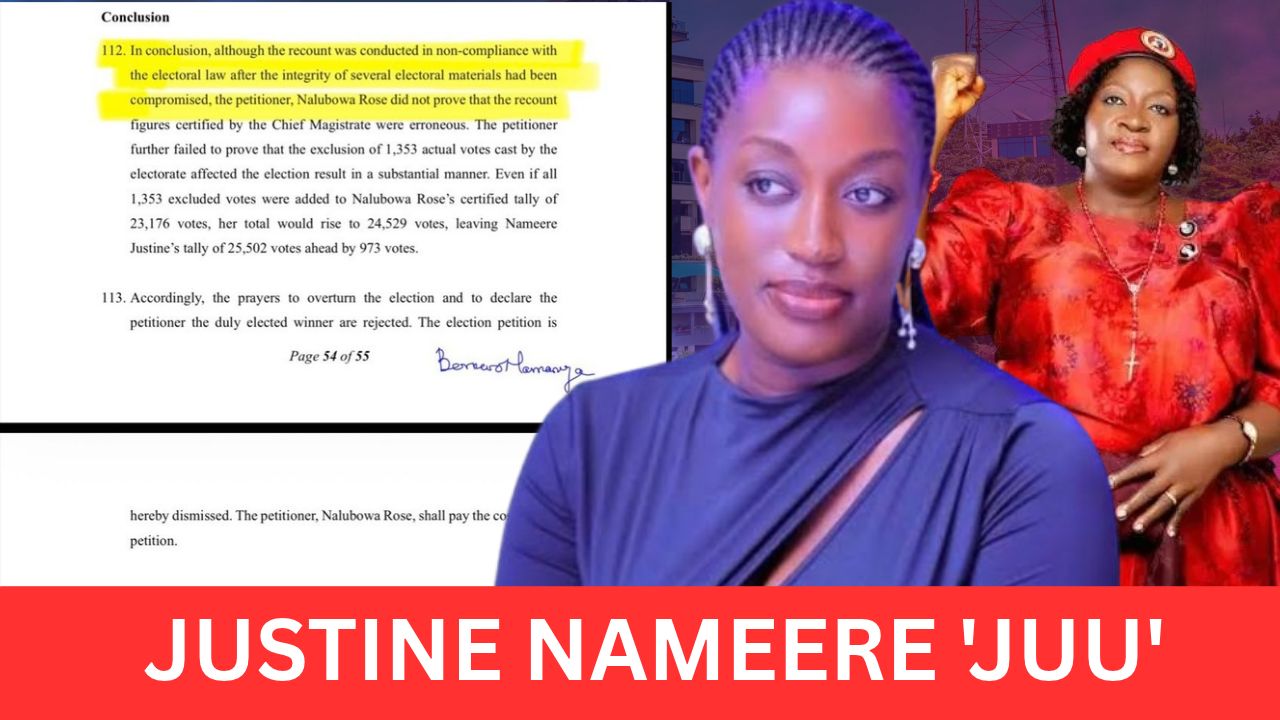 FeaturedOctober 21, 2026NAMEERE RETAINS MASAKA CITY SEAT: High Court Dismisses Nalubowa’s Election Petition, Ruling That Recount Irregularities Did Not Substantially Alter The Final Result
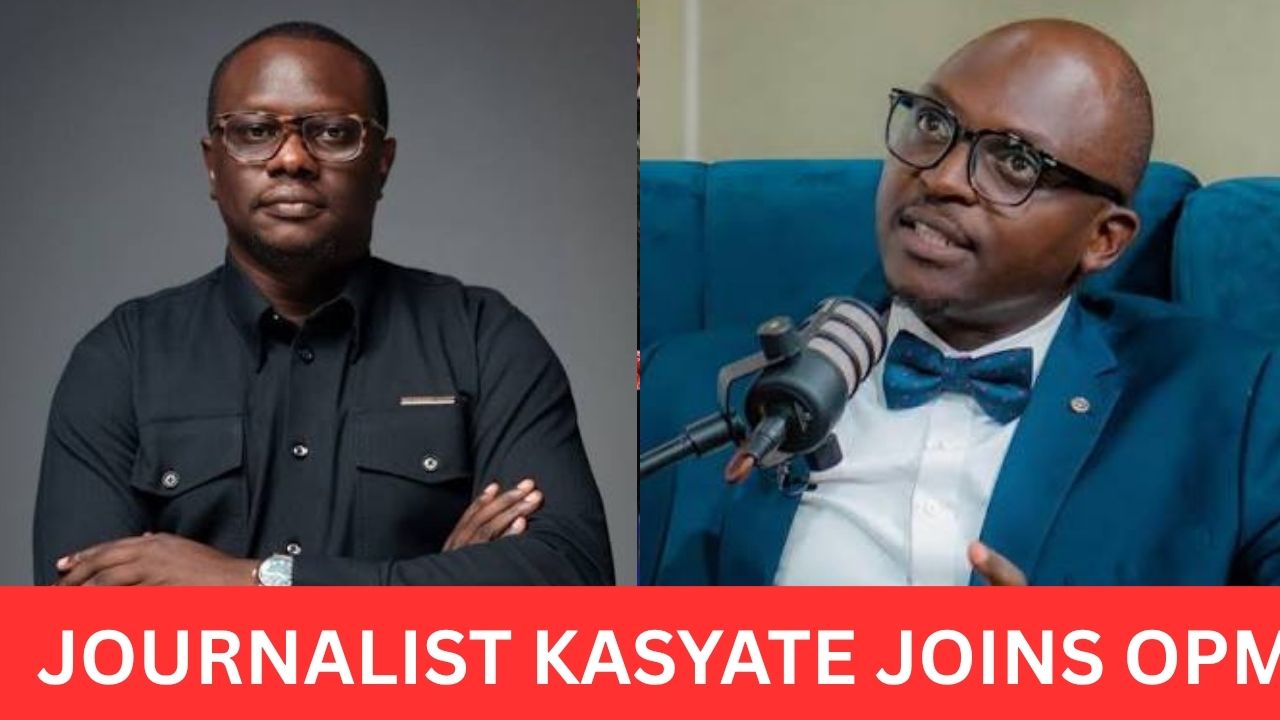 FeaturedOctober 20, 2026VETERAN JOURNALIST KASYATE JOINS OPM: Simon Kasyate Moves Back Into Government Communications After Years In Journalism, Corporate Affairs And Public Relations, Including A Senior Role At KCCA
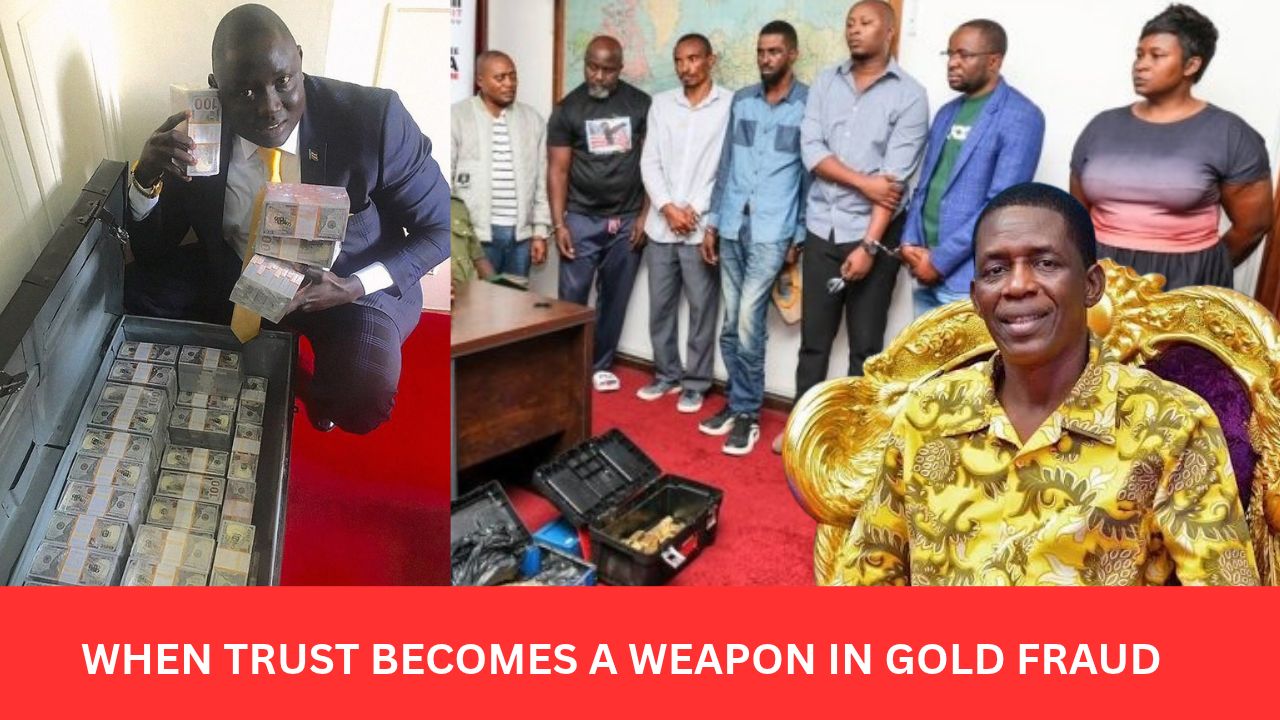 FeaturedOctober 19, 2026BILLIONS LOST, INVESTORS DUPED, GOLD TRADE UNDER SCRUTINY: A City Pastor’s Arrest Over An Alleged Shs2.9b Fraud Involving American Investors Adds To A String Of High-Profile Gold Scams Threatening Uganda’s Investment Reputation
 FeaturedOctober 17, 2026THREE VETO POWERS THREATEN OTUNNU’S UN BID: With Three Of The Five Permanent Members Reportedly Against Him, Otunnu Must Win Over Powerful Opponents Or Risk Seeing His Campaign Collapse Before The Final Selection