











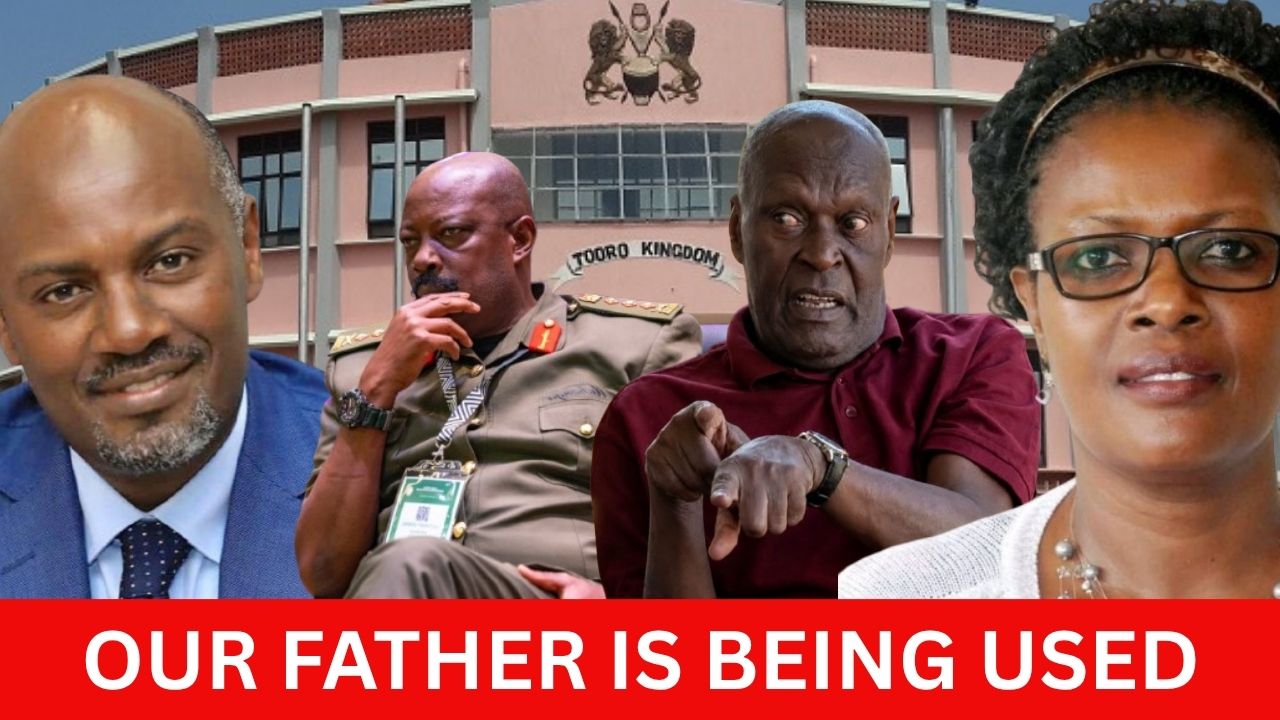



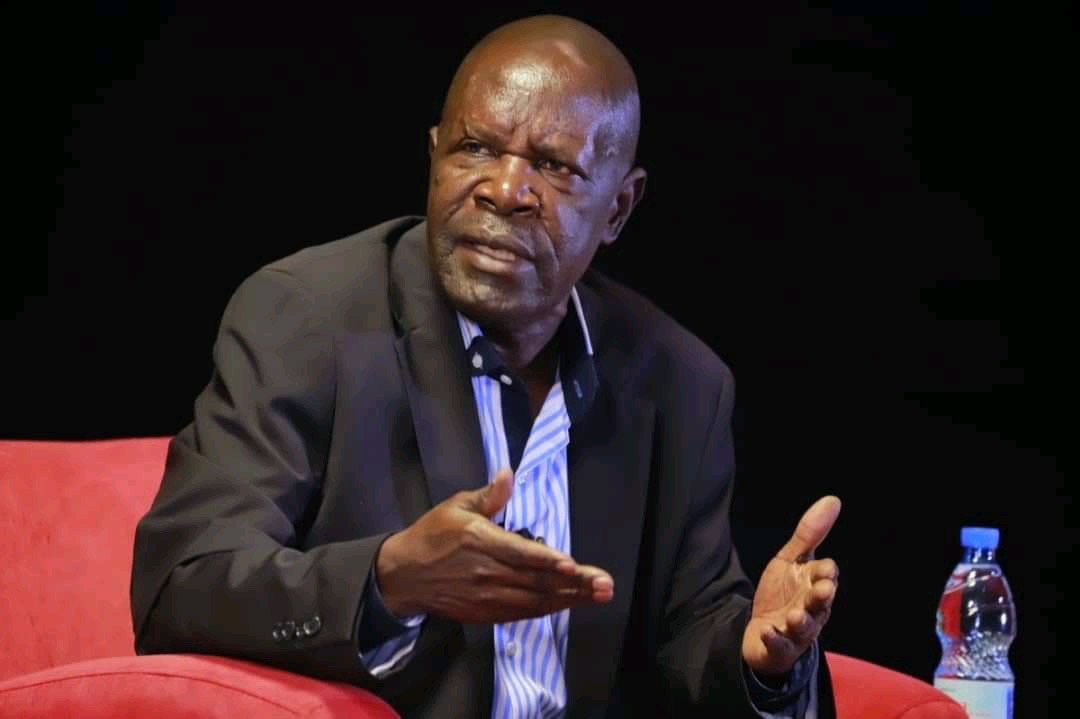
KAMPALA, Uganda: Less than 10 days after warning Gen Muhoozi Kainerugaba to seek the affection of Ugandans rather than their fear, veteran National Resistance Movement (NRM) politician Ofwono Opondo has delivered yet another unusually blunt challenge to the military establishment. This time, he is questioning whether the ruling party is becoming associated with impunity, arbitrary arrests and the use of crude force against civilians.
Opondo’s latest intervention, made in Parliament on October 22nd 2026, has placed him among a small group of senior NRM figures willing to publicly question the conduct of security agencies, particularly where the military is alleged to have become involved in the arrest and detention of civilians.
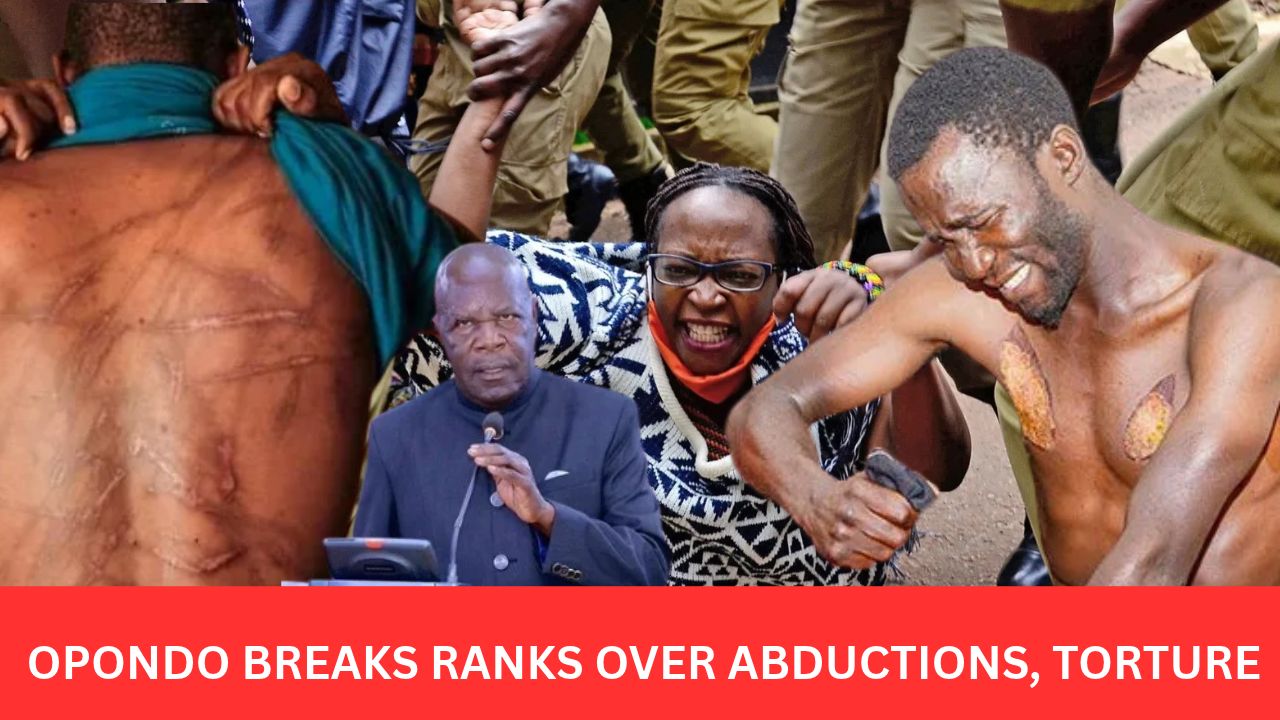
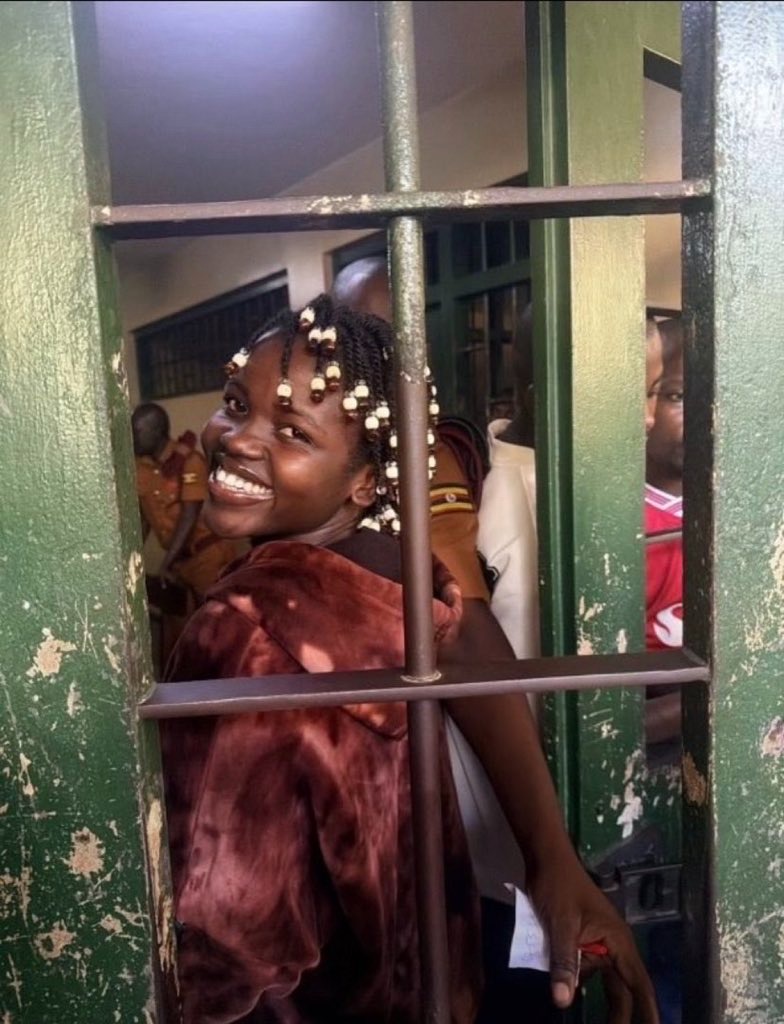
The remarks came as Parliament debated alleged abductions, missing persons and human rights violations, with Opondo focusing on the case of 27-year-old human rights activist Aloikin Praise Opoloje. According to the account presented to Parliament, Opoloje was allegedly lured to a police station before being taken away by people she identified as military intelligence officers. She said she was placed in a vehicle commonly known as a “drone” and assaulted.
Upon release on bail, Opoloje told the media that the people who arrested her demanded access to her telephone and its PIN after she had photographed one of them. Opondo’s response was direct. “Is this now the way to apprehend suspects—that they make a decoy, lure you into a police station and then the military come and arrest? Is this the way?” he asked. He went further, asking whether such conduct had become “the new law of the NRM” and demanding explanations from the Ministers of Defence and Internal Affairs and the Attorney General.
A Second Warning in Days
The parliamentary intervention came shortly after Opondo had publicly warned Gen Muhoozi that power should not be exercised through fear. In an opinion piece published earlier this month, Opondo questioned allegations surrounding military detention of civilians and the existence of what he described as alleged “torture chambers”. He urged the Chief of Defence Forces (CDF) to ensure that those around him did not turn the military into an instrument of political intimidation.
The latest intervention therefore looks less like an isolated disagreement and more like a developing political argument between an NRM elder and a younger generation of leaders associated with Muhoozi and the Patriotic League of Uganda (PLU). Opondo’s central argument is that military strength cannot substitute for political legitimacy. He has effectively challenged the proposition that guns can create sustainable political authority.
“Whoever wants to replace President Museveni must do more than he has done in terms of tolerance and verbal engagement, rather than using crude power,” Opondo has argued. The warning carries particular political weight because Opondo is not an opposition politician. He spent decades as one of the government’s most recognisable defenders and served for years as government spokesperson.
His criticism is therefore coming from within the NRM establishment. Impeccable sources have told this reporter that Opondo speaks the mind of his boss President Museveni. This source claims because president Museveni fears his son like a plague, he has decided to speak through his barking dogs and Opondo is the chief dog.
The Basement Controversy
At the centre of the wider debate is the controversial use of the word “basement” in relation to alleged military detention. Gen Muhoozi has previously made statements about holding some individuals in a basement, including opposition figures. The allegations have subsequently become part of a broader public debate over whether military facilities are being used to detain civilians.
One of the most prominent cases involved Eddie Mutwe, a close associate of National Unity Platform (NUP) leader Robert Kyagulanyi. Mutwe disappeared in 2025 and later appeared in a visibly weakened condition. His lawyers alleged that he had been tortured and subjected to severe mistreatment while in detention.
The controversy intensified after Gen Muhoozi publicly acknowledged that Mutwe had been held under his watch and referred to a “basement”. Mutwe’s lawyers subsequently alleged that he had been detained and tortured there. Government officials disputed aspects of the allegations.
The significance of the basement controversy is not merely the physical location. It is the constitutional question it raises: Can a serving military officer or military institution lawfully detain civilians outside the ordinary criminal justice system? That is the question Opondo is now effectively putting before Parliament.
From Besigye to Lukwago and Opoloje
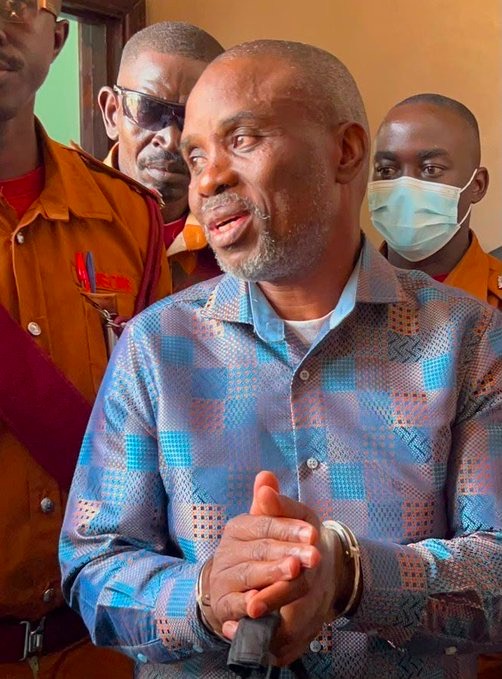
The controversy has a much longer history than the current dispute involving Gen Muhoozi. Dr Kizza Besigye, one of President Museveni’s most persistent political challengers, has for years faced arrests, detention and restrictions during periods of political mobilisation. His lawyer, Kampala Lord Mayor Erias Lukwago, has also become a central figure in the debate.
In June 2026, Lukwago was arrested by armed security personnel and taken to an undisclosed location, with his whereabouts unknown for more than 48 hours. Rights groups described the incident as an enforced disappearance, while Gen Muhoozi publicly claimed responsibility for taking Lukwago to his “basement”. Lukwago was subsequently transferred to police custody and charged.
The case is particularly sensitive because Lukwago was not simply an opposition politician. He was also acting as a lawyer for Besigye. That creates a disturbing question about the boundary between political policing and the ordinary administration of justice. Then came Opoloje.
Her case has brought the controversy into Parliament at a moment when legislators are already demanding explanations over people allegedly arrested by security agencies and not promptly produced before court. Opondo’s complaint is therefore not simply that people are being arrested. It is about how they are being arrested, who is arresting them and where they are being taken.
The Phone PIN Question
Perhaps one of the most revealing aspects of the Opoloje case is the allegation that security personnel demanded her telephone and PIN. Opondo told Parliament that Opoloje had photographed one of the people involved in her arrest and that investigators could examine the phone to establish what happened. The episode raises a broader concern about citizens’ digital privacy during security operations.
A suspect can be investigated and prosecuted through lawful procedures. But compelling access to private information outside established legal safeguards risks turning a legitimate investigation into an arbitrary exercise of power. For Opondo, the answer should be institutional accountability, not political loyalty.
He has reportedly complained that human-rights concerns have persisted within the NRM parliamentary caucus for months but that there has been no meaningful effort to hold an official discussion. “I didn’t know that as NRM, we would reach the level where we fear to say the truth, but that’s where we are,” he said, according to The Investigator. That statement may prove to be one of the most consequential parts of his intervention.
Museveni’s Political Method Under Scrutiny
Opondo’s argument also implicitly raises a larger question about President Museveni’s political legacy. For four decades, the NRM has portrayed itself as a movement that ended instability and brought order after years of political violence. Its historical claim to legitimacy has therefore rested partly on the promise of preventing Uganda from returning to the era of arbitrary state violence.
That makes allegations of secret detention and torture especially damaging. If civilians can be arrested by military personnel, taken to undisclosed locations and allegedly subjected to violence, then the distinction between lawful government and arbitrary rule begins to blur.
Human Rights Watch has documented historical cases of illegal detention and torture by Ugandan security units, including the former Rapid Response Unit, noting allegations of beatings, forced confessions and prolonged detention without access to lawyers or family members. The challenge for the NRM today is therefore not simply whether security agencies can defeat their opponents. It is whether the State can demonstrate that it remains governed by institutions rather than individuals.
“Walk Downtown Without the Guns”
Opondo’s strongest political point is his challenge to those who believe coercive power can sustain authority indefinitely. His argument is essentially that guns can create fear but cannot create genuine public legitimacy. He has challenged proponents of crude power to walk through downtown Kampala without the protection of armed escorts and discover whether ordinary citizens actually accept them. That is a powerful distinction between commanding obedience and earning legitimacy.
President Museveni’s political longevity has been built not only on military strength but also on political organisation, electoral mobilisation, negotiation, patronage, ideological messaging and, at various moments, engagement with political opponents. Opondo’s warning is that anyone seeking to inherit the presidency must understand that military authority alone cannot reproduce that political formula. The next leader, he argues, must demonstrate greater tolerance, restraint and capacity for dialogue—not less.
The Danger of Normalising Impunity
Opondo’s intervention is particularly important because it comes at a time when members of the ruling party are increasingly being asked to choose between institutional loyalty and personal loyalty. His supporters argue that he is saying what many NRM members privately believe but are afraid to say publicly. His critics, however, accuse him of attacking Gen Muhoozi for political relevance. That debate should not obscure the substantive issue.
Whether one supports Museveni, Muhoozi, Besigye, Bobi Wine or any other political figure, arbitrary detention and torture allegations should be investigated according to the law. A government that allows security agencies to operate beyond accountability eventually weakens itself. The question before the NRM is therefore bigger than Ofwono Opondo.
It is whether the movement that came to power promising to restore constitutional order can prevent security power from becoming a substitute for political dialogue. For Opondo, the answer appears clear: Uganda cannot be governed permanently through fear. If Muhoozi is to become a credible successor to Museveni, the test will not simply be whether he commands the guns. It will be whether he can command confidence without them. And if the NRM wants to preserve its historical claim to having restored order to Uganda, it must demonstrate that the State’s strongest weapon is not the gun, the drone or the detention basement—but the law.
Author Profile
- Charles Gazza Kodili is a seasoned journalist with over 20 years of experience in the media industry. He holds a Bachelor of Arts degree in Mass Communication. He’s currently the Chief Editor at the Investigator.
Charles can also be reached via; Tel: +256 774 108978
Email: [email protected]
Latest entries
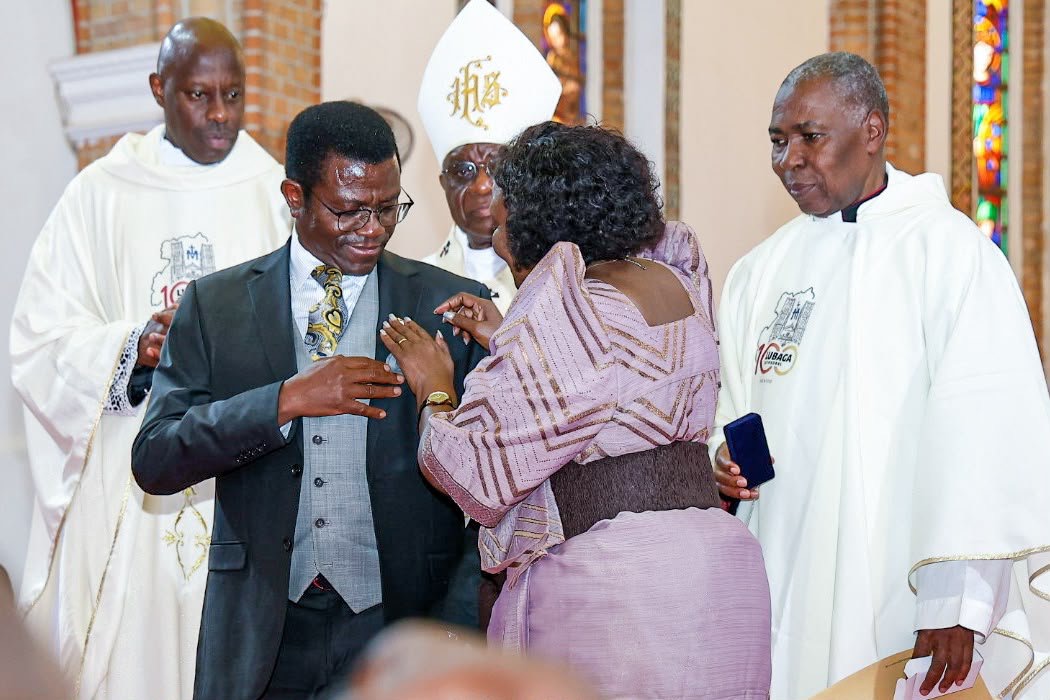 EducationOctober 25, 2026KATIKKIRO HONOURED AS LUBAGA MARKS 60 YEARS: Buganda Premeir Charles Peter Mayiga is Recognised for His Service as Patron of Lweza Parish Men’s Guild as Archbishop Paul Ssemwogerere Calls for Unity
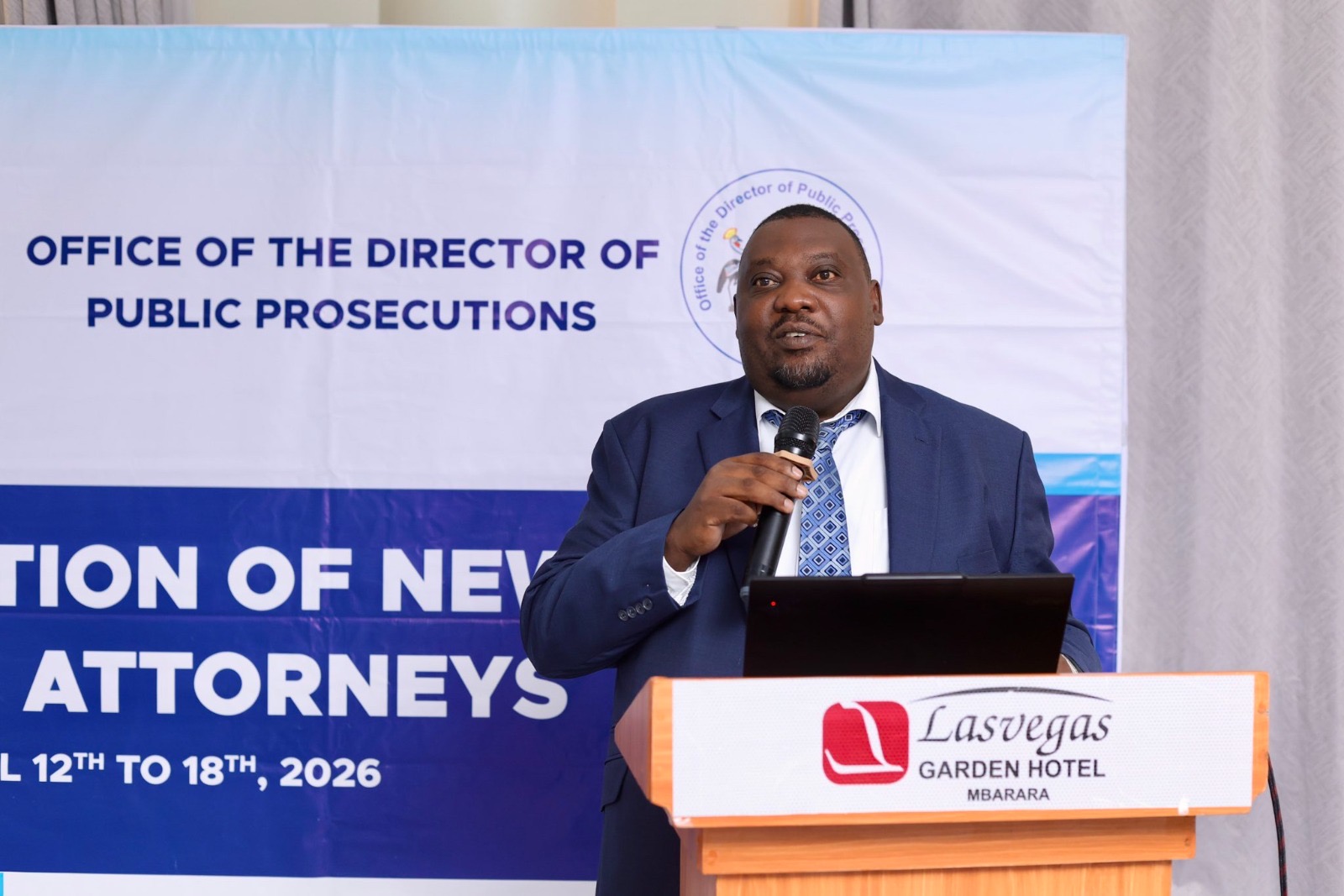 Crime newsOctober 25, 2026HOW A SEXY SPA BABE ‘DRUGED’ THE DPP BEFORE TAKING HIS UGX129M: Details of The Horney Prosecutor who Met the Babe at a Bugoloobi Spa, Drunk from Alchemist and Ended in a Private Raunchy Encounter Before He Lost Himself
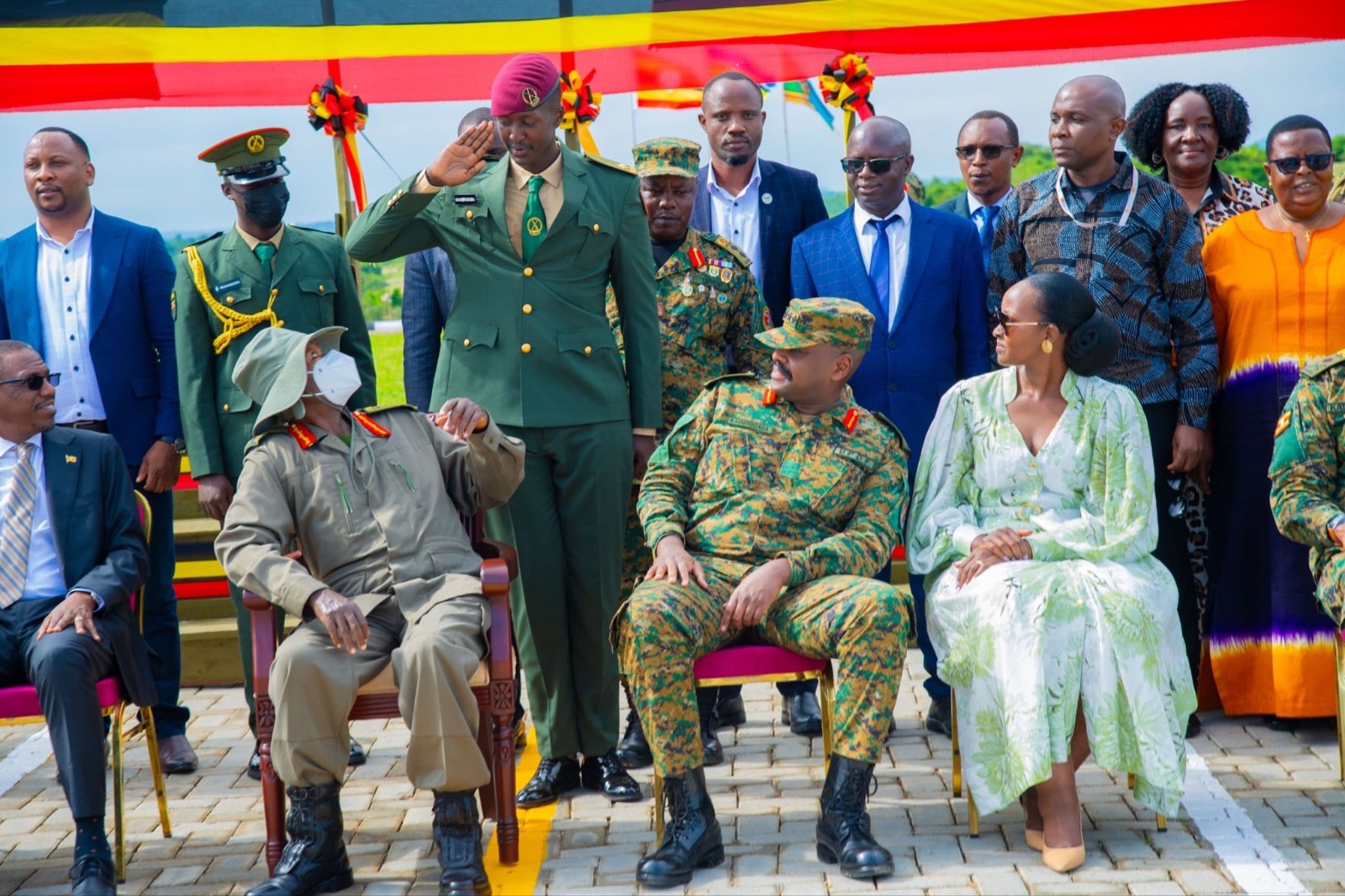 Crime newsOctober 25, 2026THE GUN CANNOT RULE FOREVER – OPONDO TAKES SECOND SWIPE AT GEN MUHOOZI: The Veteran NRM Voice Warns That Military Power, Arbitrary Arrests and Torture Cannot Replace Dialogue, Tolerance and The Rule of Law
 FeaturedOctober 23, 2026WHY UGANDA IS AT THE CENTRE OF EBOLA MYSTERY: The Swiss Government Says the Infected Woman `Likely` Contracted Ebola During a Visit to Uganda! But WHO Says The Source of Infection Remains Unconfirmed