










The Constitutional Court has declared unconstitutional Section 115 of the Penal Code Act, which criminalises insulting the modesty of a woman, ruling that the provision discriminates against men by denying them equal protection under the law.
The landmark decision follows a constitutional petition filed by city lawyer Steven Kalali, who challenged the legality of a provision that provides specific legal protection to women and girls but does not extend similar safeguards to men and boys.
In its ruling delivered on Wednesday, the Constitutional Court agreed with Kalali that Section 115 violates the principle of equality and freedom from discrimination enshrined in Article 21(3) of the Constitution.
 The court consequently directed the Attorney General to table a Bill before Parliament to amend the disputed provision and extend its protection to both genders.
The proposed amendments are also expected to clearly define what constitutes an act of insulting the modesty of a person, addressing concerns about the scope and application of the existing law.
The decision has significant implications for Uganda’s criminal justice system, particularly the interpretation of gender equality in legislation and the protection of individual dignity regardless of sex.
Section 115 of the Penal Code Act provides for offences relating to indecent assault and insulting the modesty of a woman or girl. Under subsection (3), a person who, intending to insult the modesty of a woman or girl, utters words, makes sounds or gestures, exhibits objects or intrudes upon her privacy commits a misdemeanour punishable by imprisonment for one year.
The provision has, however, attracted criticism over its gender-specific wording, with questions raised about why similar conduct directed at men and boys should not attract equivalent legal protection.
Kalali argued that criminal law should not provide protection against humiliation and violations of personal dignity based exclusively on gender.
His petition challenged the constitutionality of the provision, arguing that the exclusion of males amounted to discrimination contrary to the constitutional guarantees of equality.
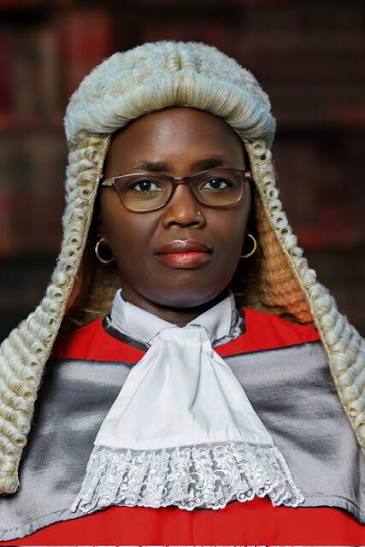
Speaking when he initially challenged the law, Kalali said the provision was discriminatory because it recognised offences involving women and girls while leaving out men and boys.
“I’m challenging that provision for being discriminatory because it provides for an offence of indecent assault against a woman or a girl child and it doesn’t cater for a male or boy child,” Kalali said.
He argued that the Constitution and Uganda’s international human rights obligations required the State to treat citizens equally and ensure that the law did not discriminate based on sex.
Article 21(1) of the Constitution provides that all persons are equal before and under the law in all spheres of political, economic, social and cultural life and in every other respect.
Article 21(2) further prohibits discrimination on grounds including sex, while Article 21(3) defines discrimination to include different treatment attributable to a person’s sex or other protected status.
The petition therefore questioned the justification for maintaining a criminal provision that recognises the dignity and modesty of one gender without providing comparable protection to the other.
The court’s decision now places the responsibility on Parliament to address the legislative gap through amendments that provide equal protection.
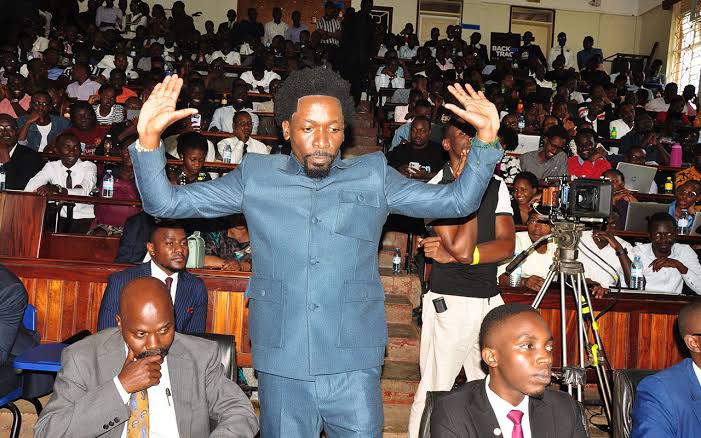
Ssemakadde welcomes ruling after prolonged legal battle
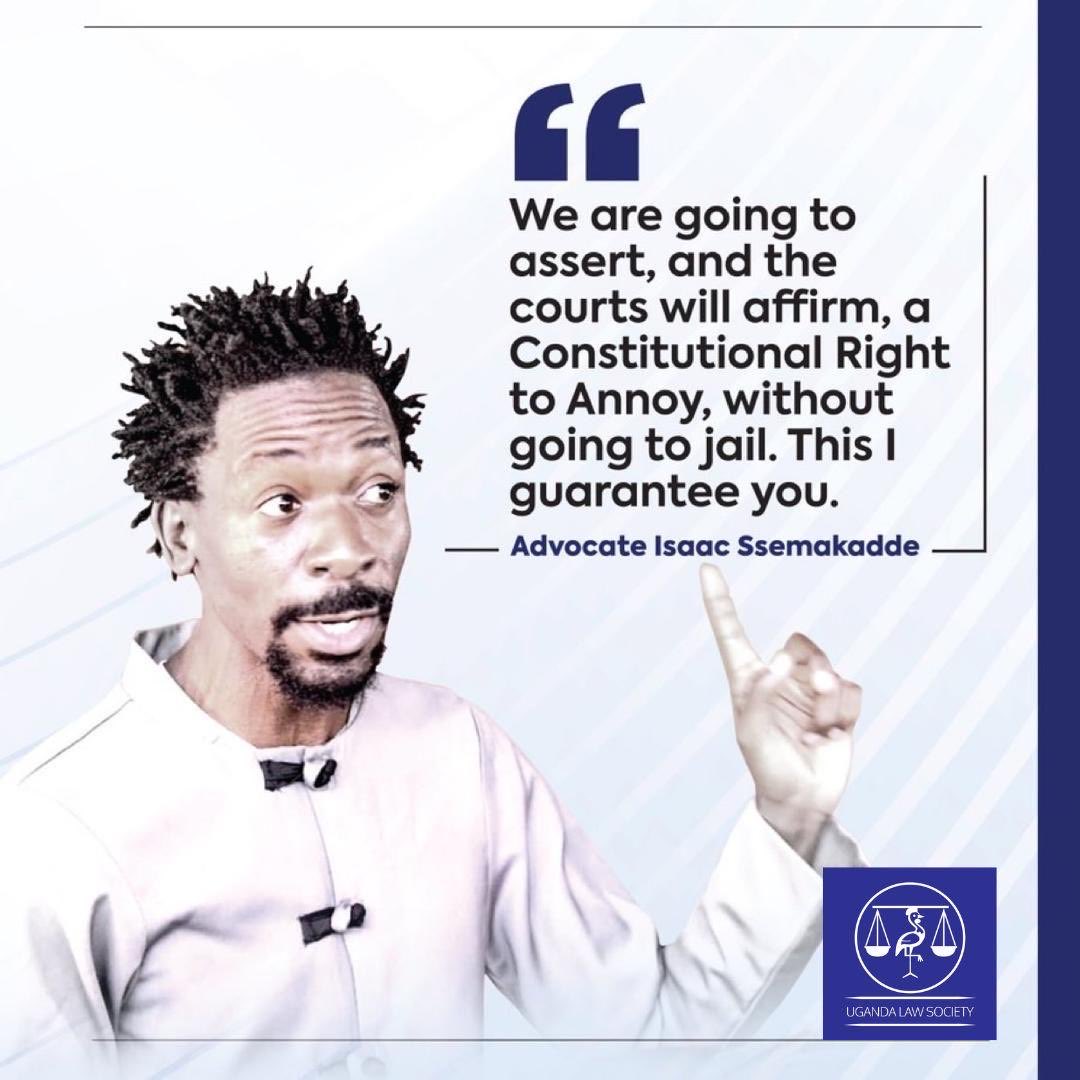
The ruling has also been welcomed by Uganda Law Society (ULS) president Isaac Ssemakadde, who described the decision as his second major legal vindication by the Constitutional Court this year.
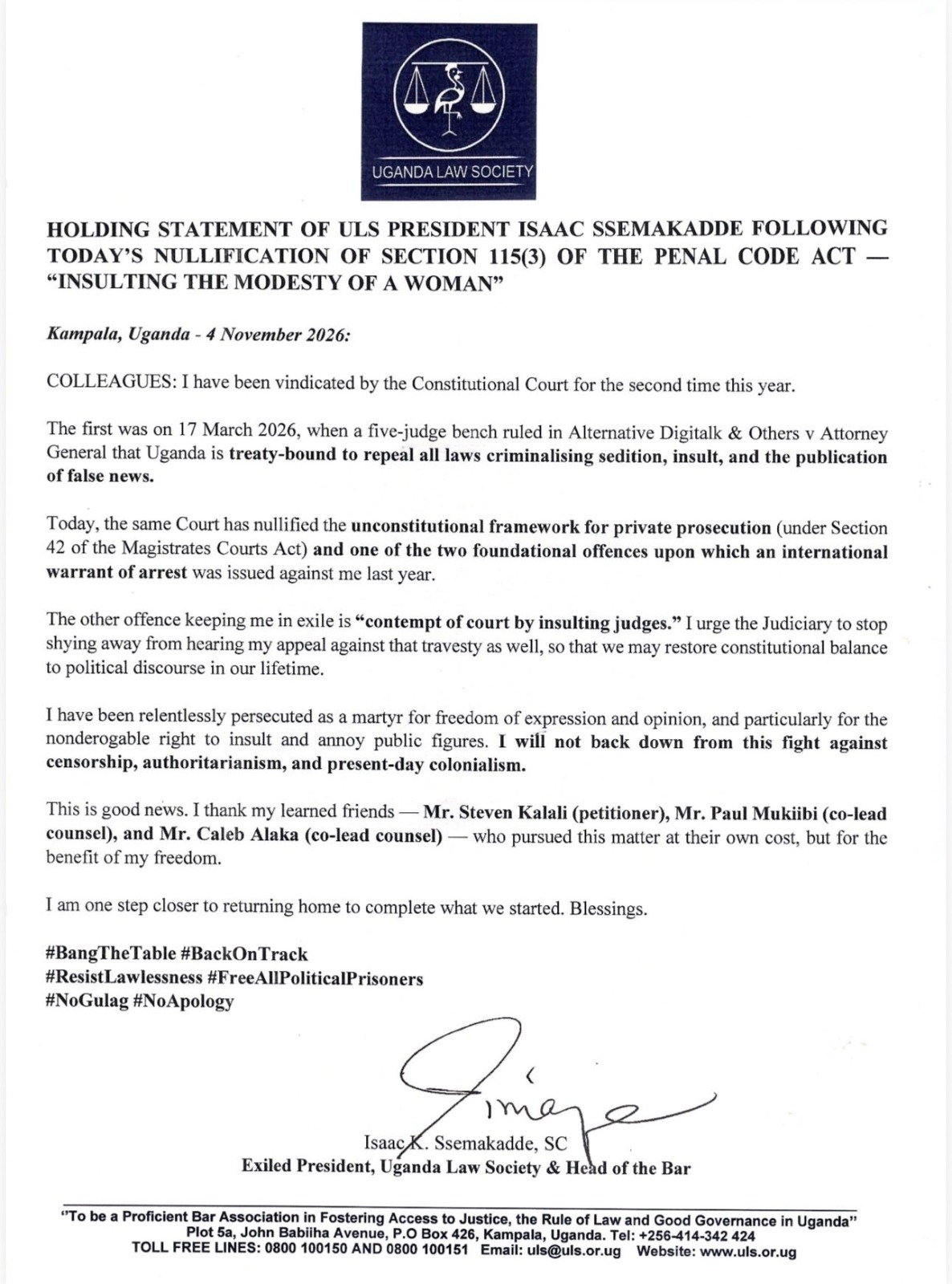
In a statement issued today, Ssemakadde said the decision had brought him closer to returning home after spending months outside Uganda amid legal troubles arising from his public remarks about judicial officials.
“I have been vindicated by the Constitutional Court for the second time this year,” Ssemakadde said.
He recalled that on March 17, 2026, a five-judge Constitutional Court bench ruled in the case of Alternative Digitalk and Others versus the Attorney General that Uganda was treaty-bound to repeal laws criminalising sedition, unlawful insult and the publication of false news.
Ssemakadde said Wednesday’s ruling had also nullified the legal provision under which private prosecutions could be instituted, referring to Section 42 of the Magistrates Courts Act, as well as one of the offences underlying the international arrest warrant issued against him.
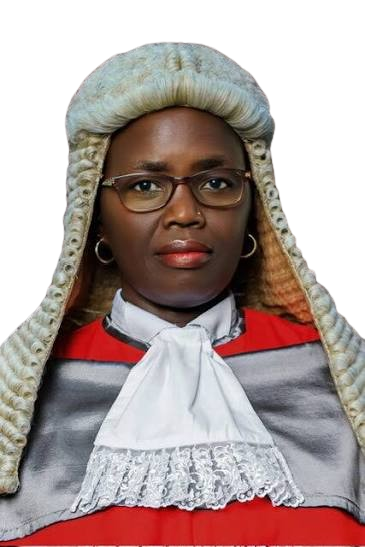
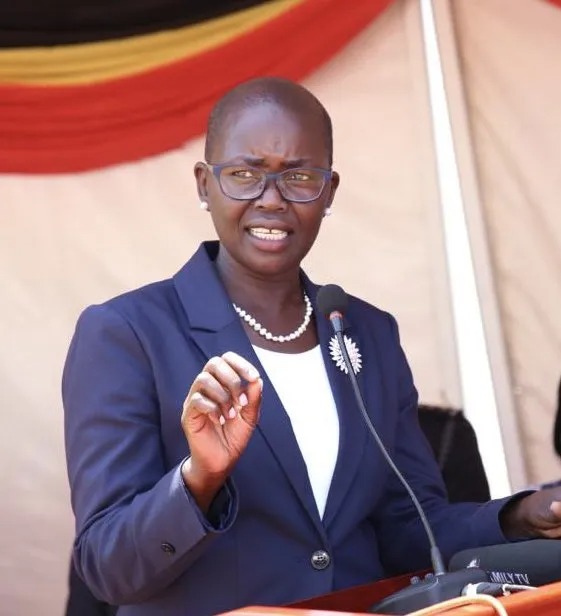
 He has been facing legal proceedings arising from remarks allegedly directed at Justice Jane Frances Abodo, who was then serving as Director of Public Prosecutions before her appointment as Principal Judge.
In November 2024, Ssemakadde reportedly made controversial remarks about Abodo during a public symposium organised by the People’s Front for Freedom at Katonga Road in Kampala.
Among the statements attributed to him were references to Abodo as a “vagina from Karamoja”, a “pumpkin” and “dead wood”.
The remarks prompted lawyers Joshua Byamazima and Tonny Tumukunde to institute a private prosecution against him under Section 115(3) of the Penal Code Act.
In November 2024, the complainants approached Buganda Road Chief Magistrate’s Court, seeking permission to prosecute Ssemakadde for allegedly insulting the modesty of a woman.
 The court subsequently sanctioned the prosecution and issued criminal summons requiring him to appear and answer the allegations.
Ssemakadde challenged the proceedings, but the High Court dismissed his application for revision in April 2025, allowing the criminal proceedings to continue.
An international arrest warrant was subsequently issued after he failed to appear for the proceedings, forcing him to remain outside the country.
Wednesday’s Constitutional Court decision has now struck at the constitutionality of the provision under which the private prosecution was initiated.
Welcoming the development, Ssemakadde said he had been relentlessly persecuted for defending freedom of expression and opinion.
“I will not back down from this fight against censorship, authoritarianism, and present-day colonialism,” he said.
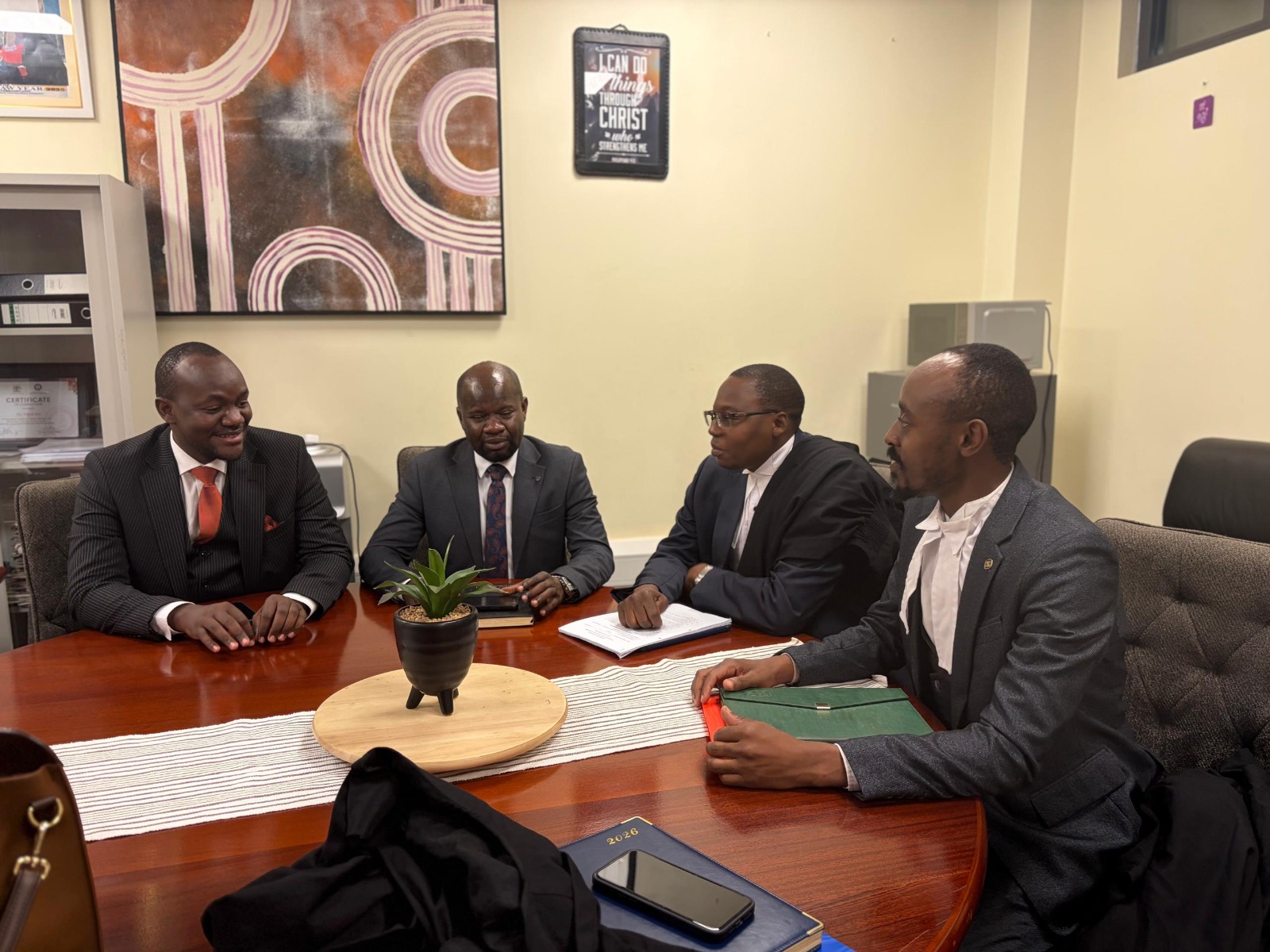
He also thanked the lawyers who pursued the constitutional petition, particularly Kalali, whom he described as the petitioner, alongside Paul Mukiibi and Caleb Alaka, who served as co-lead counsel. “I am one step closer to returning home to complete what we started,” he said.
What the ruling means for Parliament
The decision presents Parliament and the Attorney General with the responsibility of reviewing the disputed provision and ensuring that the amended law meets constitutional requirements.
The proposed changes are expected to remove the gender imbalance by extending protection to both men and women, including boys and girls.
However, the court’s directive to amend the law also raises questions about how Parliament will define insulting the modesty of a person without creating an overly broad criminal offence that could unnecessarily restrict freedom of expression.
Lawmakers will have to establish clear legal standards defining the conduct that constitutes an offence, the intention required to establish criminal liability and the circumstances under which prosecution may be instituted.
The question of protecting individuals from degrading and humiliating conduct while safeguarding constitutionally guaranteed freedoms is likely to feature prominently in the legislative process.
 The ruling does not necessarily mean that individuals have acquired unlimited freedom to insult, humiliate or degrade others. Other applicable laws and constitutional protections relating to dignity, privacy and individual rights remain relevant.
For Kalali, however, the decision represents a significant victory in the argument that laws should protect citizens equally rather than create different standards of criminal protection based on gender.
His petition had challenged not only the substance of Section 115 but also the broader question of whether criminal legislation can constitutionally extend protection to one category of citizens while excluding another facing similar violations.
The Constitutional Court’s intervention now gives Parliament an opportunity to address that question through legislation.
The development also comes at a particularly sensitive time for Ssemakadde, whose legal battles have attracted considerable public attention and intensified debate about the limits of freedom of expression, the independence of the legal profession and accountability within Uganda’s justice system.
 While the ruling does not resolve every legal issue surrounding his prosecution and his continued absence from Uganda, it removes an important legal obstacle associated with the offence of insulting the modesty of a woman.
For the legal fraternity, the decision is another reminder that legislation passed by Parliament remains subject to constitutional scrutiny and that equality before the law must be reflected in the country’s criminal justice system.
The next test will be whether the Attorney General and Parliament move swiftly to implement the court’s directive and produce a law that protects the dignity of all Ugandans without discrimination.
Author Profile
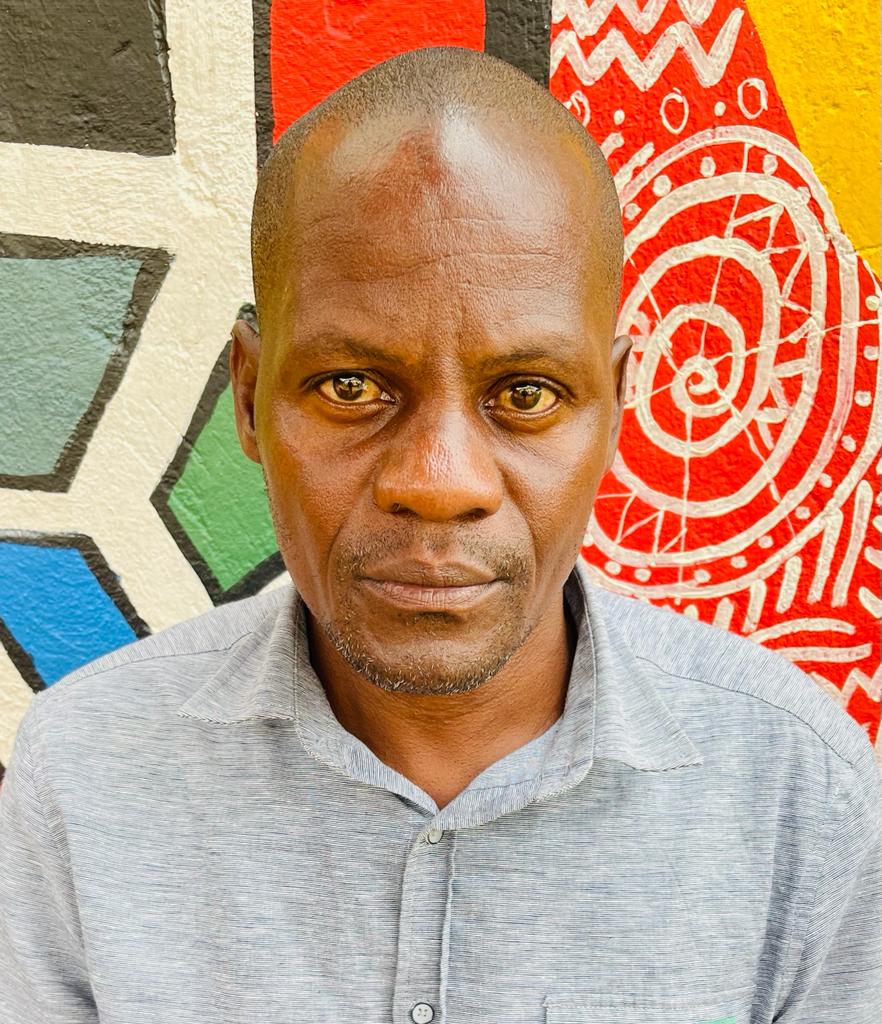
- Mr. Stephen Kasozi Muwambi is a seasoned crime investigative writer, majoring in judicial-based stories. His two decades’ experience as a senior investigative journalist has made him one of the best to reckon on in Uganda. He can also be reached via [email protected]
Latest entries
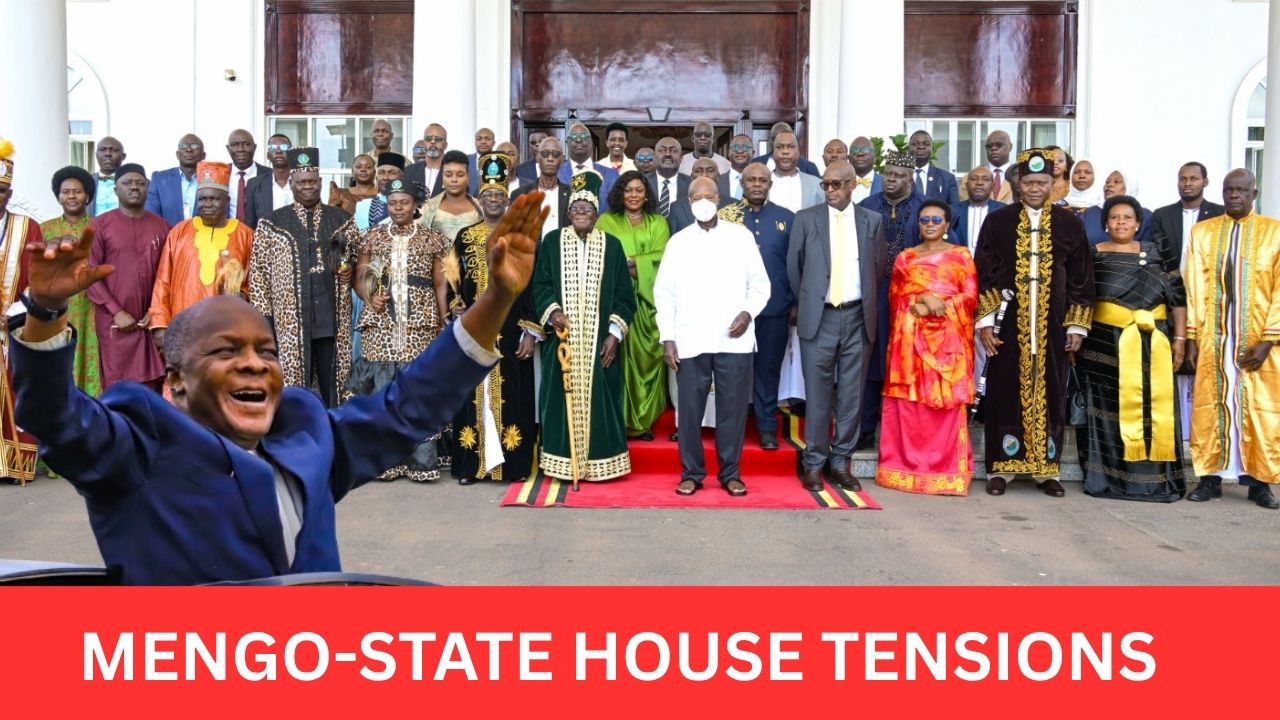 FeaturedNovember 4, 2026WHY KABAKA MUTEBI STAYED AWAY AS MUSEVENI HOSTED KINGS AT STATE HOUSE: The Kabaka’s Absence, Coupled With The Unavailability Of Katikkiro Mayiga And His Deputies, Has Raised Questions About Buganda’s Representation And Its Relationship With The Central Government
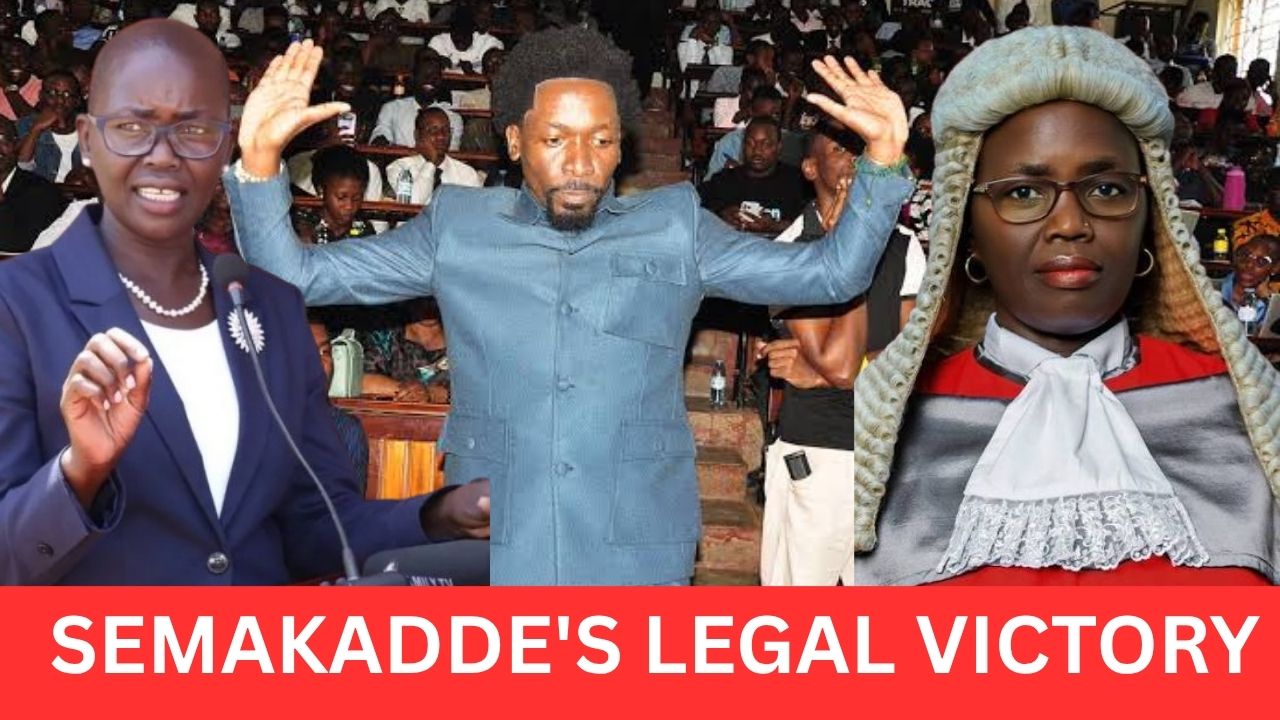 FeaturedNovember 4, 2026HOW KALALI’S COURT VICTORY COULD BRING SSEMAKADDE HOME: A Landmark Constitutional Court Ruling Has Struck Down The Law Underlying One Of The Charges Against The Exiled Uganda Law Society President, Raising Fresh Hopes For His Return
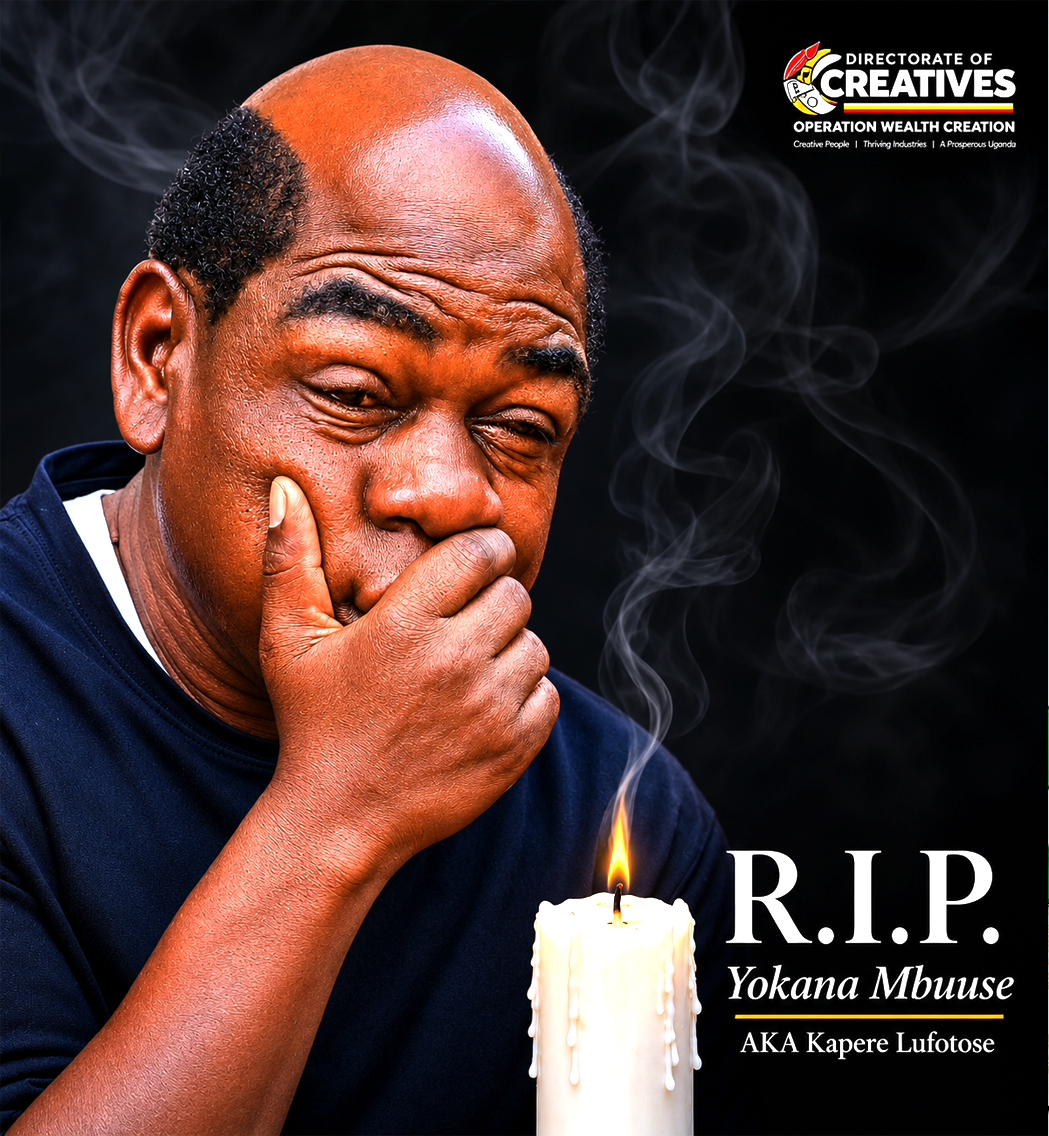 FeaturedNovember 2, 2026FROM REJECTION TO STARDOM: HOW KAPERE TURNED HIS ‘UGLINESS’ INTO GOLD! Dejected, Forced Out Of School and Once Struggling to Survive, Yokana Mbuuse Defied All Odds to Become a Household Name Through Comedy
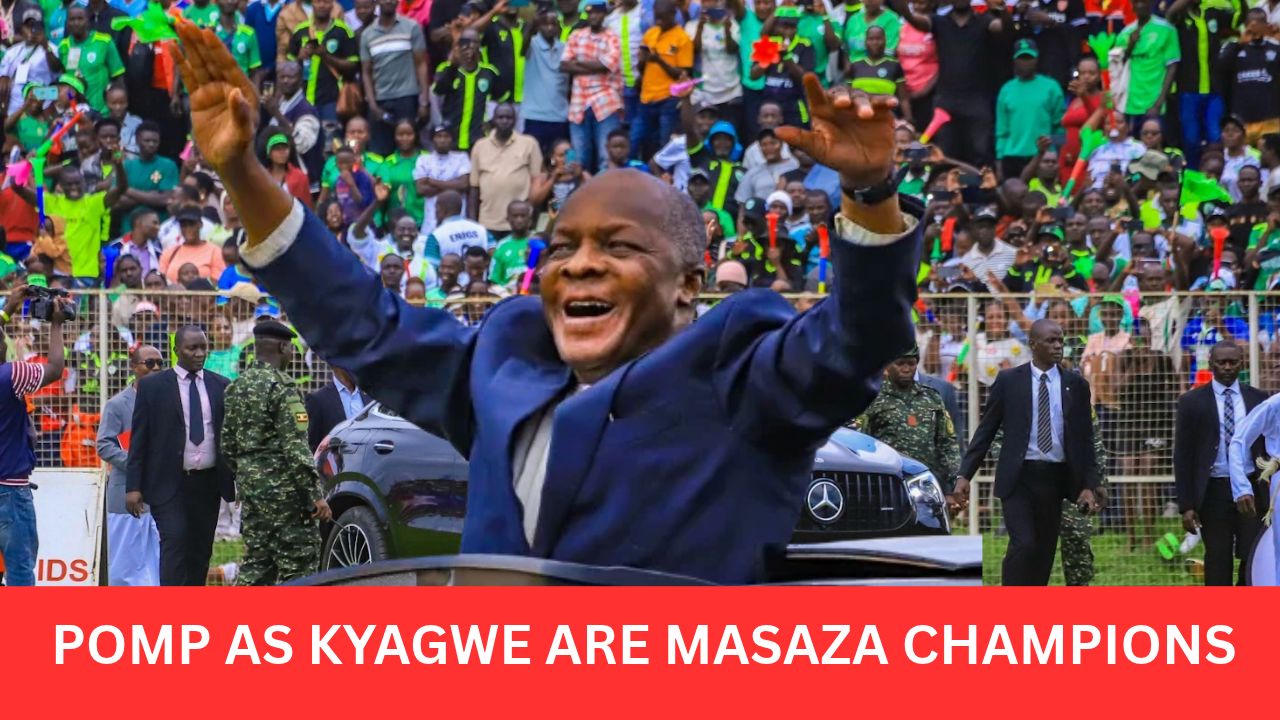 FeaturedOctober 31, 2026KABAKA SENDS WANKULUKUKU INTO FRENZY: King Ronald Muwenda Mutebi II Arrives Alongside Princess Katrina Ssangalyambogo for the Gomba-Kyagwe Masaza Cup Final in a Spectacular Display of Royal Pomp and Glamour