




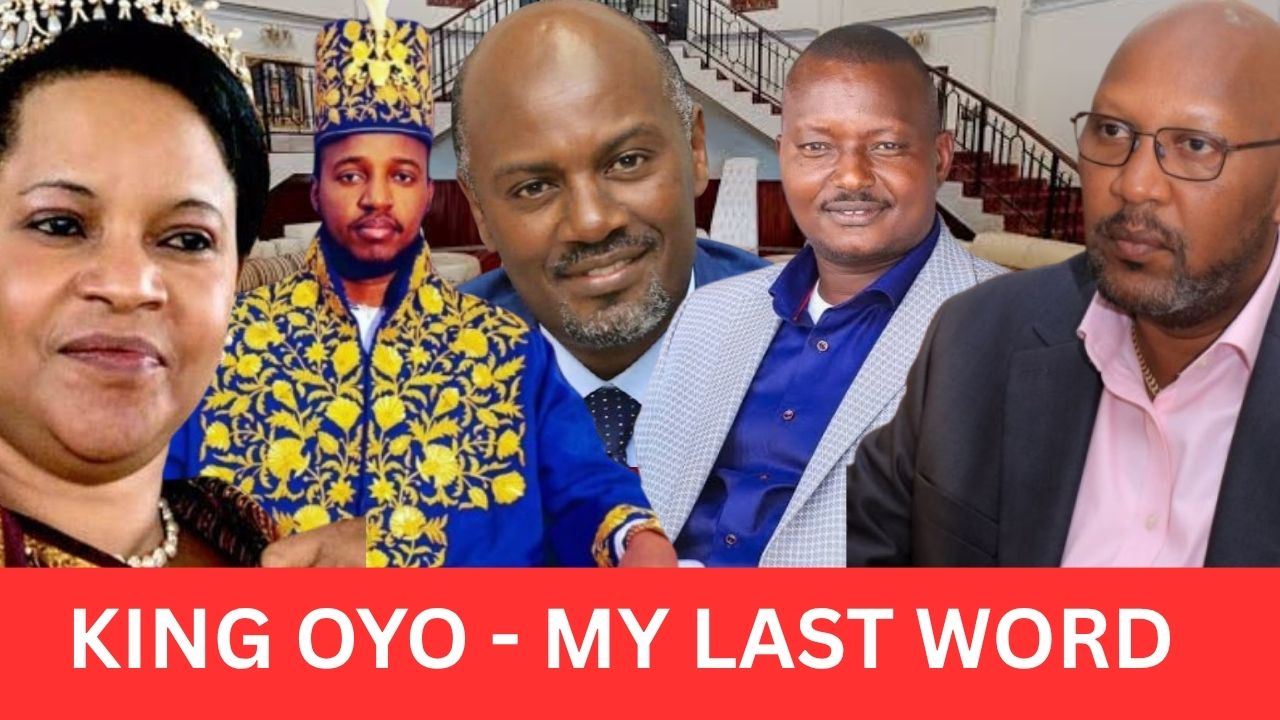


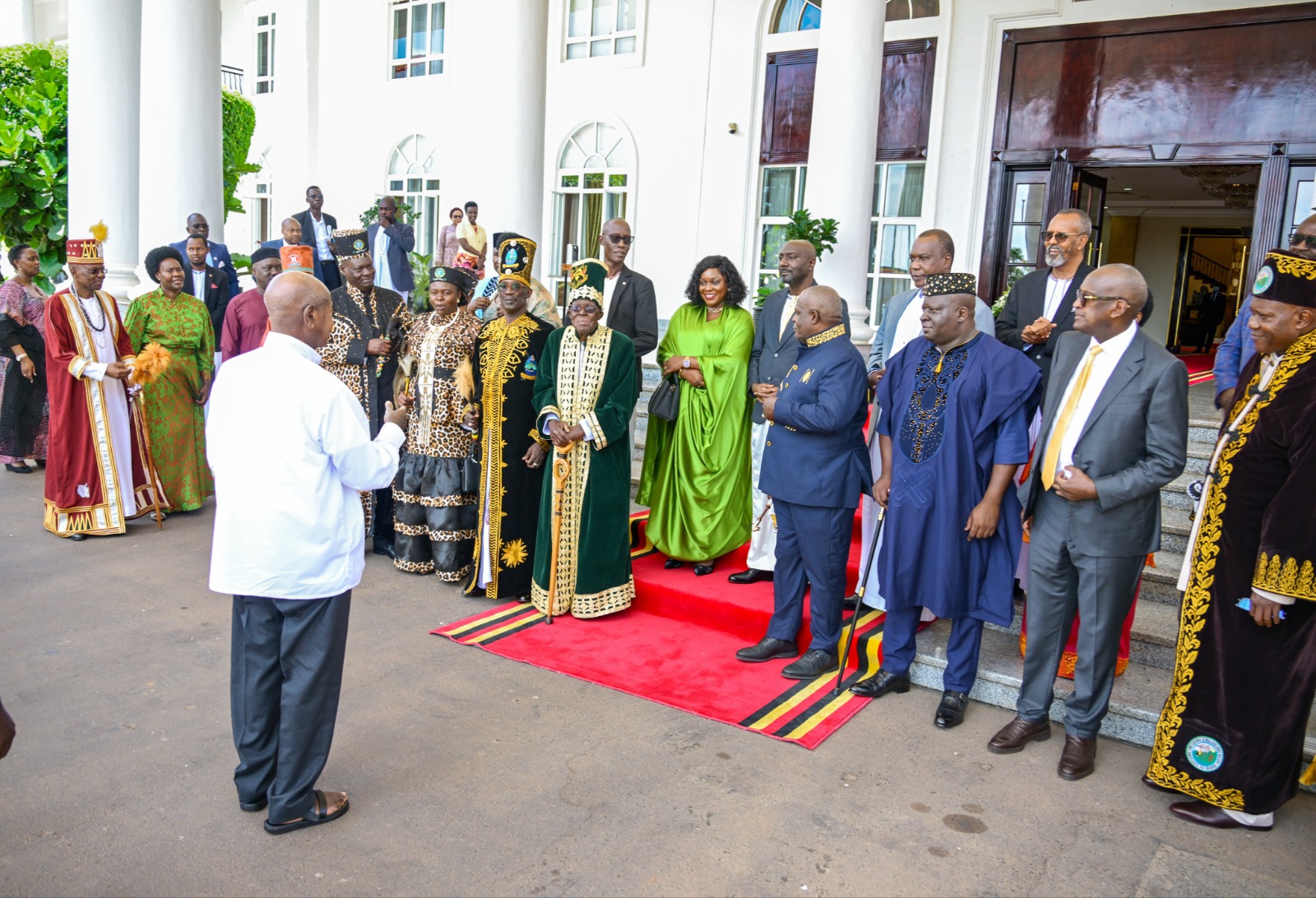
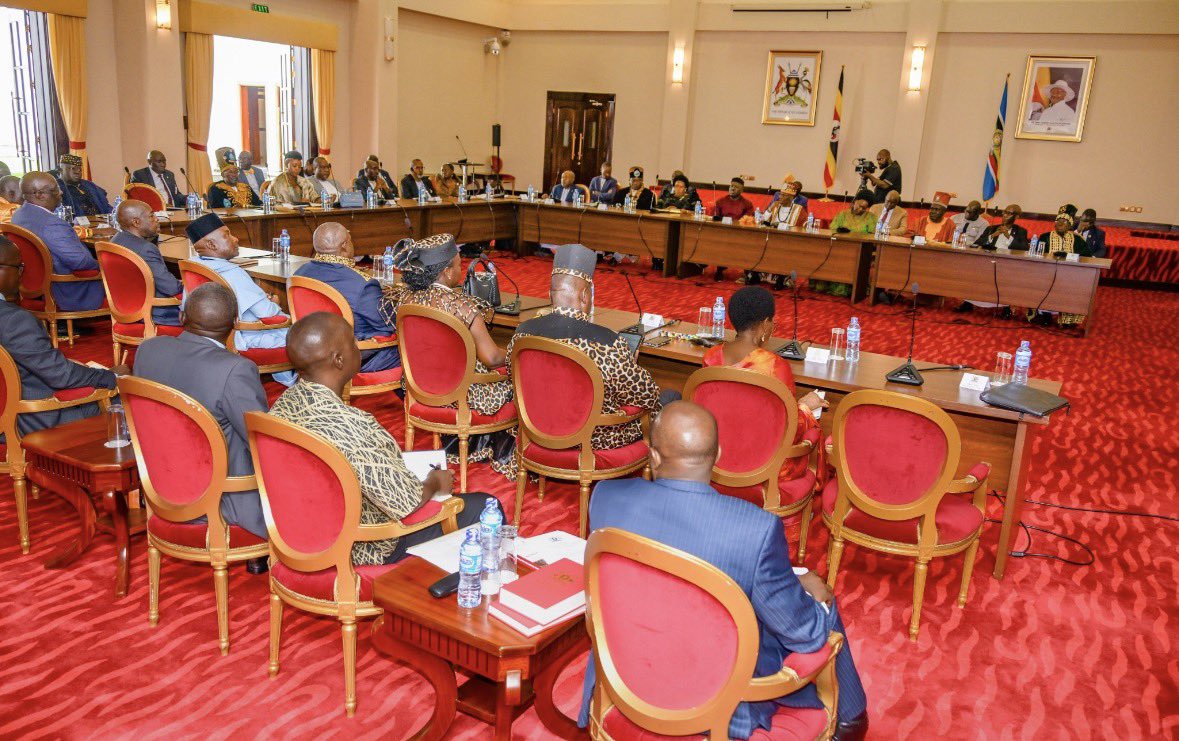
The absence of the Kabaka of Buganda, Ronald Muwenda Mutebi II, from a meeting between President Museveni and cultural leaders at State House has drawn attention to the delicate relationship between Buganda Kingdom and the central government.
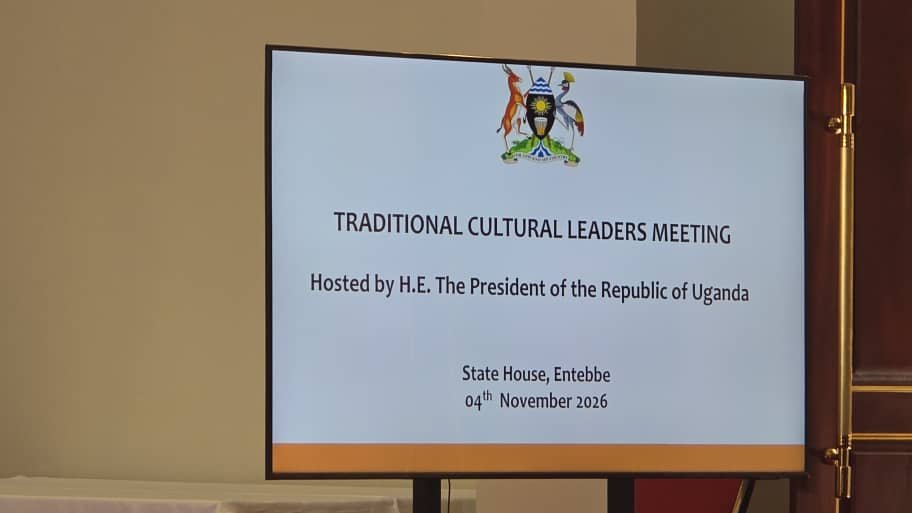 While several cultural leaders reportedly attended the engagement with the President, the Buganda monarch was conspicuously missing, raising questions about whether his absence was merely a matter of scheduling or reflected deeper sensitivities surrounding his position among Uganda’s traditional institutions.
The development has also triggered a debate about protocol, royal status and the place of the Buganda Kingdom in engagements involving the President and other cultural leaders.
Former government spokesperson Ofwono Opondo weighed in on the controversy, suggesting that the Kabaka’s absence should not come as a surprise because of the difference in status between the Buganda monarch and other traditional rulers.
In a post on X, Opondo wrote: “But of course Kabaka Mutebi wouldn’t be in the audience with Ssabanyala, Ssabaruli and like as equals.”
His remarks introduced another dimension to the discussion, suggesting that the question was not simply whether the Kabaka had been invited or was available, but whether the format of the meeting was compatible with the standing and historical status of the Buganda monarchy.

Kabaka said to be resting after Masaza Cup final
Information reaching this publication suggests that the Kabaka was resting after presiding over the 2026 Masaza Cup final at Muteesa II Stadium, Wankulukuku, where Kyaggwe defeated Gomba 1-0 to lift the trophy.
The final was one of the major cultural and sporting engagements on the Kabaka’s calendar, attracting thousands of football fans and dignitaries.
However, the explanation for his absence has not been officially communicated by the Buganda Kingdom, leaving room for speculation about whether the monarch would have attended had the engagement been organised differently.
 There were also indications that Katikkiro Charles Peter Mayiga was away in the Ssese Islands on official kingdom duties, while his two deputies were reportedly occupied with other assignments.
This meant that the kingdom’s top leadership was apparently unavailable for the State House engagement.
But the absence of the Kabaka and his immediate representatives has raised another question: why did Buganda not send a senior cultural representative, such as a clan leader, to maintain its presence at a meeting bringing together traditional institutions from across the country?
The question is particularly significant given the importance of maintaining communication between the central government and Buganda, Uganda’s largest and historically influential traditional kingdom.
The meeting provided an opportunity for cultural leaders to interact directly with President Museveni on matters affecting their institutions and the communities they represent.
Buganda’s absence therefore risks being interpreted politically, even if the circumstances were purely administrative or related to the royal calendar.
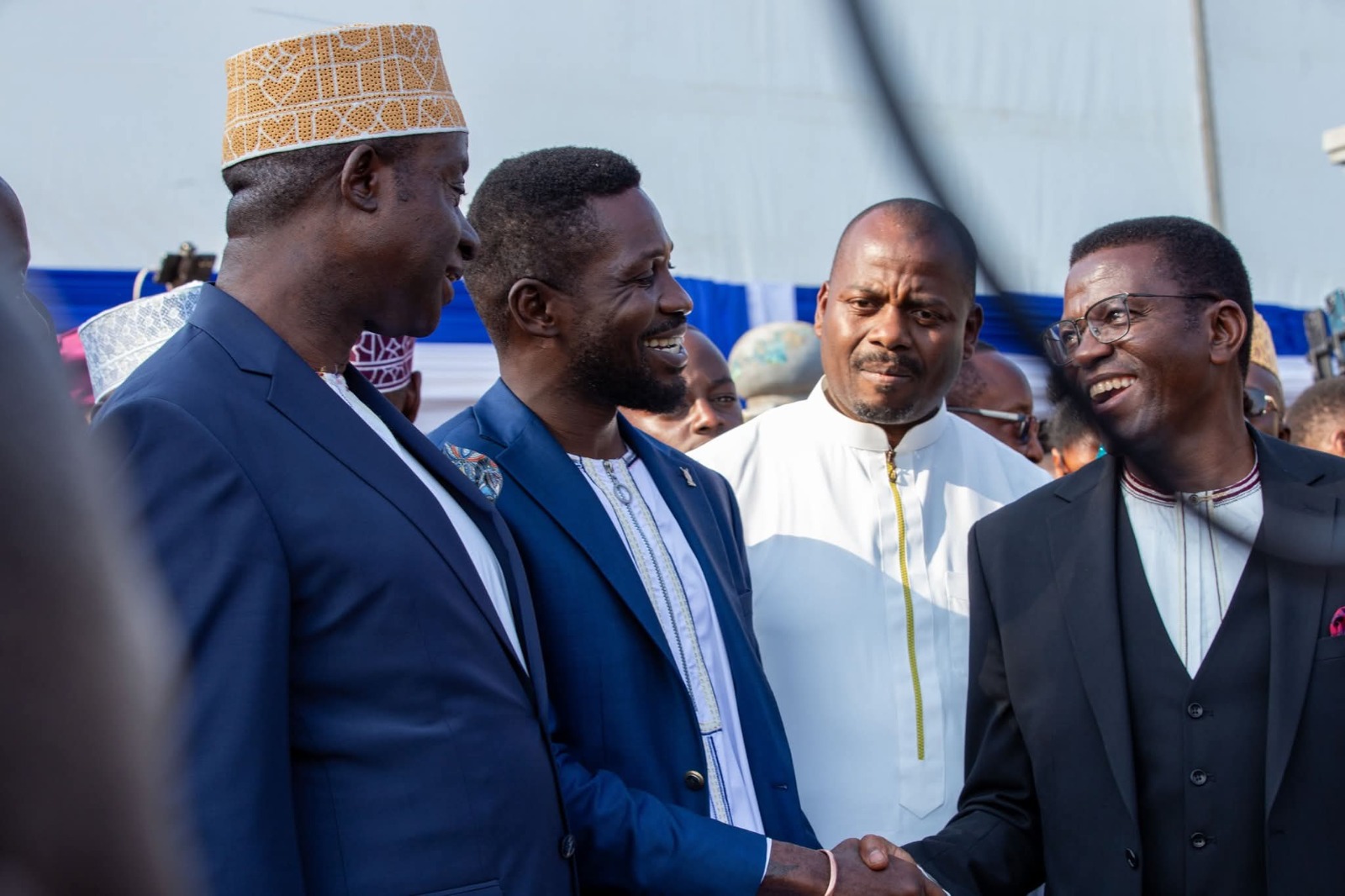
Opondo’s intervention exposes royal protocol question
Opondo’s remarks have brought into focus a long-standing question about the protocol governing engagements involving the Kabaka and other traditional rulers.
His suggestion that Kabaka Mutebi would not sit in an audience alongside other kings as an equal reflects the special historical standing that the Buganda monarchy occupies in the country’s cultural and political landscape.
Buganda’s monarchy has a long history dating back centuries, with the Kabaka occupying a position that extends beyond the ordinary administration of a cultural institution.
For many Baganda, the Kabaka is not simply another traditional leader but the central symbol of their identity, heritage and political history.
Consequently, the manner in which the Kabaka is received, introduced and seated at national functions can carry considerable symbolic significance.
Opondo’s intervention suggests that the question of attendance may have been complicated by the protocol of bringing different cultural leaders together under one arrangement.
However, his comments also invite debate about whether cultural leaders should be judged according to their historical hierarchy or whether national engagements should recognise their different constitutional and traditional positions without diminishing any institution.
Uganda’s Constitution recognises traditional and cultural leaders but does not grant them political or governmental authority. Their institutions are expected to operate within the constitutional framework, with their cultural standing remaining important to their respective communities.
The distinction between constitutional recognition and traditional hierarchy is therefore central to understanding the sensitivities surrounding the meeting.
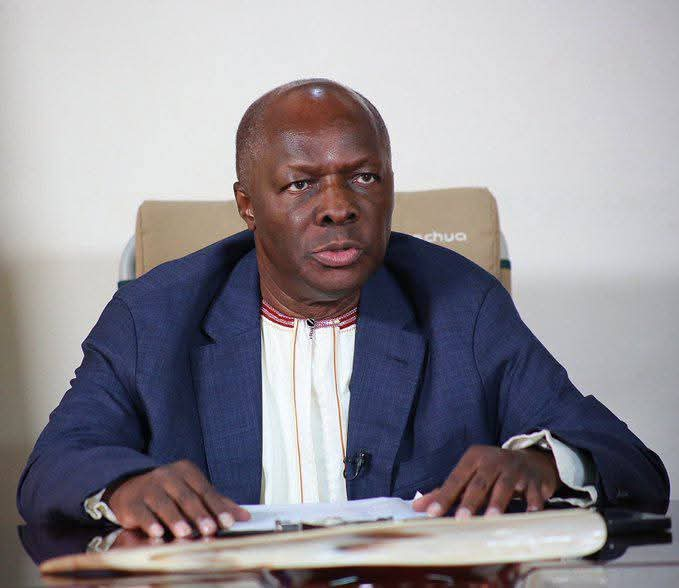
A history of delicate relations between Mengo and State House
The latest development comes against the background of a relationship between Buganda Kingdom and the central government that has experienced periods of cooperation, disagreement and cautious engagement.
President Museveni and Kabaka Mutebi have held several meetings over the years, discussing matters of mutual interest, including development, land, cultural institutions and the welfare of the people.
In August 2021, the President received the Kabaka at State Lodge in Nakasero, where the two leaders discussed development and other matters concerning the Kingdom and government. The Kabaka was accompanied by Prince David Wasajja and Katikkiro Mayiga.
The engagement demonstrated that direct dialogue between the two institutions remains possible despite their differences. However, relations have not always been smooth.
One of the notable disagreements emerged in 2023 when some Buganda clan leaders met President Museveni at State House without the knowledge or sanction of the Kabaka and Katikkiro.
The meeting, which was reportedly facilitated by then junior ICT and National Guidance minister Joyce Nabbosa Ssebugwawo, generated controversy within the Kingdom after revelations that the President had agreed to support the clan leaders with land.
Mayiga subsequently told the Buganda Lukiiko that it was a mistake for the clan leaders to meet the President without royal authorisation. He emphasised that official engagements between the central government and Buganda should be channelled through his office.
That episode exposed the sensitivity surrounding State House engagements with individuals claiming to represent Buganda, particularly when the Kingdom’s established leadership structures are bypassed.
It also demonstrated why the absence of the Kabaka and his senior officials at the latest meeting could attract political interpretation.
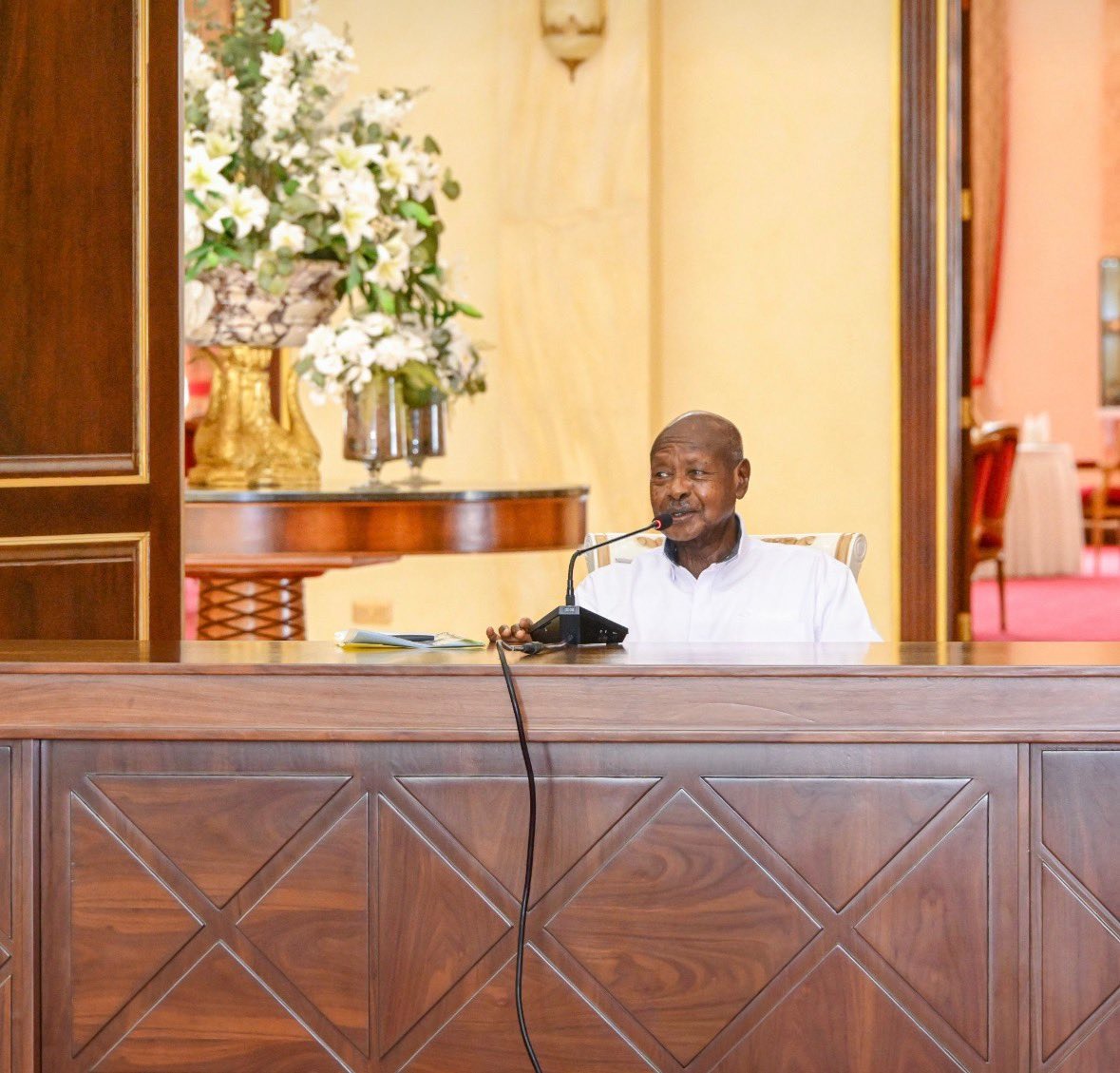
Museveni had earlier extended an olive branch to Buganda
Interestingly, the latest meeting comes months after the President signalled his willingness to deepen engagement with Buganda Kingdom.
On July 7, 2026, Vice President Jessica Alupo led a government delegation to meet the Buganda Kingdom Cabinet at Bulange, Mengo, where she conveyed Museveni’s message expressing his desire to personally engage the Kabaka and Buganda County chiefs.
Alupo told Mayiga that the President wanted the Kingdom to organise an engagement with its chiefs before he hosted all cultural leaders in Uganda for discussions on the country’s future and the welfare of their subjects.
Museveni’s proposal was presented as an opportunity to strengthen cooperation between the government and traditional institutions.
Mayiga welcomed the initiative, saying Buganda was ready to work with the central government on programmes relating to agriculture, health, education and other development priorities.
He also reminded the government of outstanding commitments, including the construction of a library at Muteesa I Royal University.
The latest State House gathering therefore comes at a time when both sides have publicly expressed interest in improving their relationship.
This makes Buganda’s conspicuous absence particularly noteworthy. If Museveni’s intention was to bring cultural leaders together to discuss the country’s future, the absence of the Kabaka means that one of Uganda’s most influential traditional institutions was missing from the conversation.
It also raises questions about whether the government and Mengo have adequately addressed the protocol and communication issues that could affect future engagements.
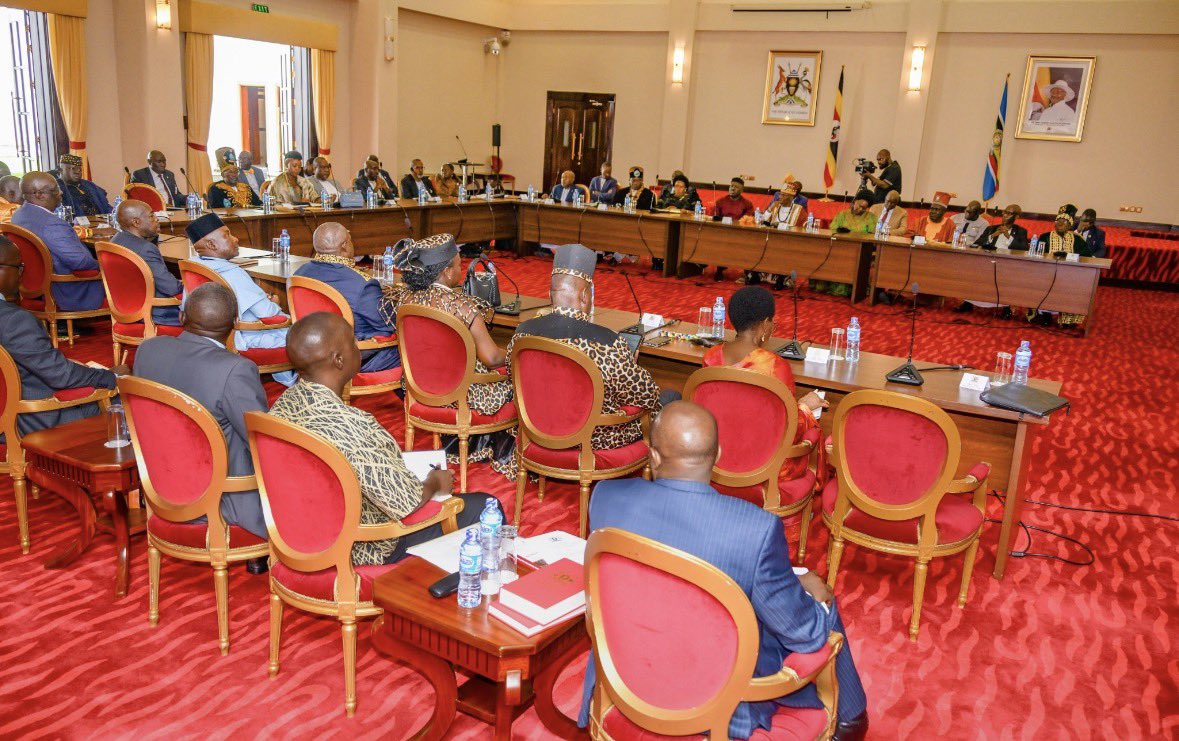
Why Buganda cannot afford to be absent
Beyond the political symbolism, Buganda has considerable interests in maintaining a functional relationship with the central government.
Issues relating to land, infrastructure, education, health, employment, investment and the welfare of ordinary Baganda require continued engagement between the two institutions.
Buganda is also home to millions of Ugandans from different cultural backgrounds, making cooperation between Mengo and the central government important beyond the Kingdom’s immediate subjects.
The Katikkiro has repeatedly argued that government services extended to people living in Buganda benefit Ugandans from across the country.
The Kingdom also has development initiatives that could benefit from government cooperation, particularly in agriculture, education, healthcare and youth empowerment.
A breakdown in communication would therefore risk affecting ordinary people who have little interest in the political disagreements between State House and Mengo.
For that reason, even when the Kabaka is unavailable, Buganda could consider maintaining representation at engagements where the interests of cultural institutions are being discussed.
Sending a senior kingdom official, a representative of the Katikkiro or a recognised clan leader would not necessarily mean that the Kabaka had accepted to sit alongside other monarchs under a protocol arrangement that might not reflect Buganda’s preferences.
Rather, it would demonstrate that the Kingdom recognises the importance of dialogue while maintaining its institutional dignity.
The distinction between participating in a national conversation and surrendering traditional status is important.
A question of dignity or missed opportunity?
The controversy also exposes the competing expectations surrounding the relationship between traditional institutions and the presidency.
For Opondo, the Kabaka’s absence appears consistent with the argument that the Buganda monarch cannot simply be treated as another cultural leader in a gathering of kings.
For others, however, the bigger concern may be whether Buganda is missing opportunities to influence discussions that directly affect its people.
There is also a difference between respecting the Kabaka’s status and allowing protocol disagreements to prevent engagement with the government.
The President is the Head of State, while the Kabaka is the head of a traditional institution with a distinct historical and cultural position. Both offices carry different responsibilities, and engagements between them should recognise those differences.
Indeed, the July meeting at Bulange demonstrated that dialogue can take place through arrangements that respect Buganda’s established structures.
It would therefore be unfortunate if the latest engagement became another source of misunderstanding between the two institutions.
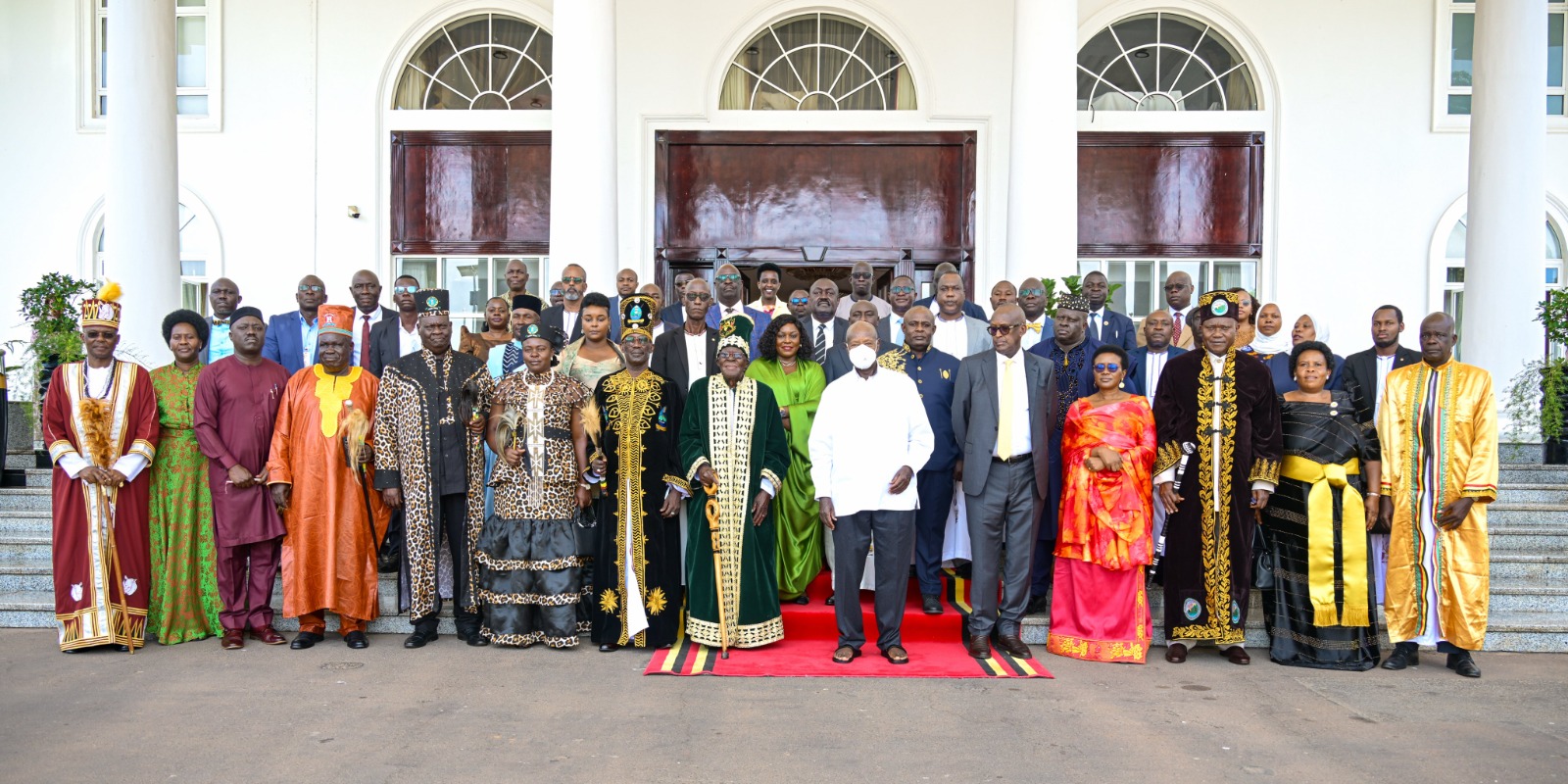 For now, there is no official indication that the Kabaka deliberately boycotted the meeting or that his absence was intended as a political statement against Museveni. The explanations circulating point to his rest after the Masaza Cup final and the unavailability of senior Kingdom officials.
Nevertheless, the optics of his absence, coupled with Opondo’s remarks, have opened a debate that goes beyond one State House function.
The bigger question is whether Buganda and the central government can establish a sustainable relationship in which differences over protocol, historical status and political interests do not overshadow the shared responsibility of serving Ugandans.
For a Kingdom whose influence extends far beyond its cultural boundaries, maintaining that relationship may be just as important as defending its royal dignity.
Author Profile
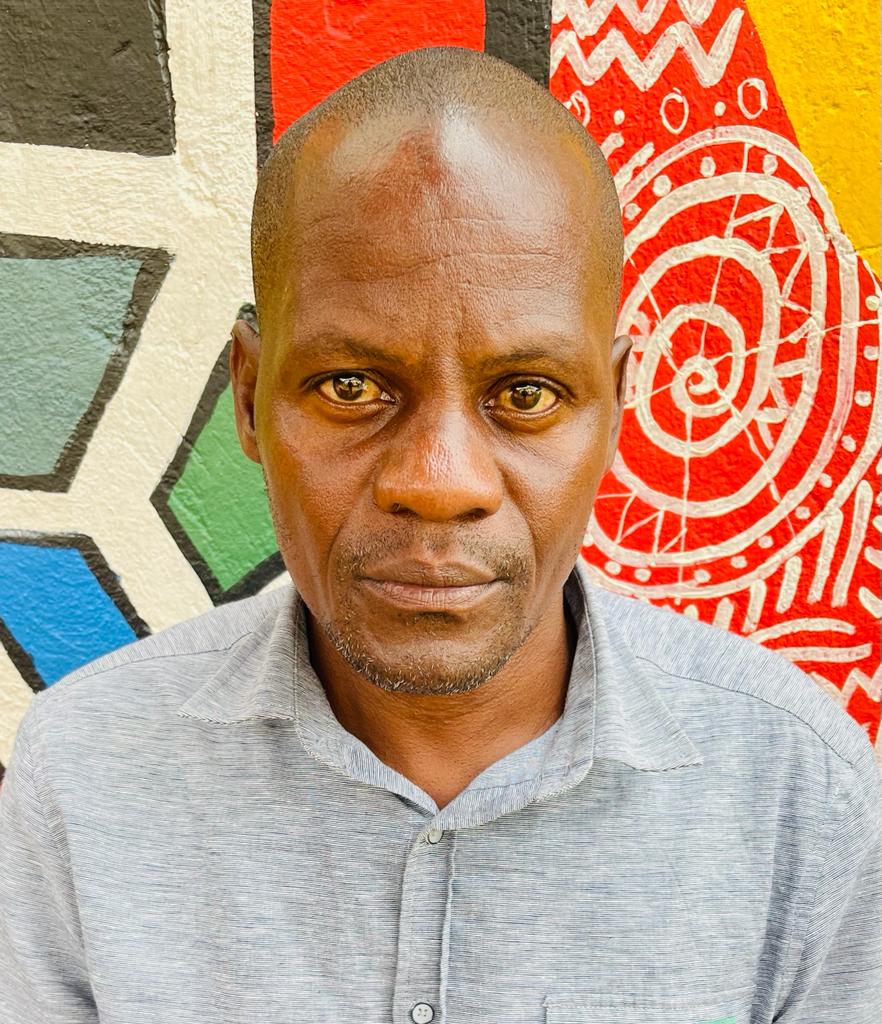
- Mr. Stephen Kasozi Muwambi is a seasoned crime investigative writer, majoring in judicial-based stories. His two decades’ experience as a senior investigative journalist has made him one of the best to reckon on in Uganda. He can also be reached via [email protected]
Latest entries
 FeaturedNovember 4, 2026WHY KABAKA MUTEBI STAYED AWAY AS MUSEVENI HOSTED KINGS AT STATE HOUSE: The Kabaka’s Absence, Coupled With The Unavailability Of Katikkiro Mayiga And His Deputies, Has Raised Questions About Buganda’s Representation And Its Relationship With The Central Government
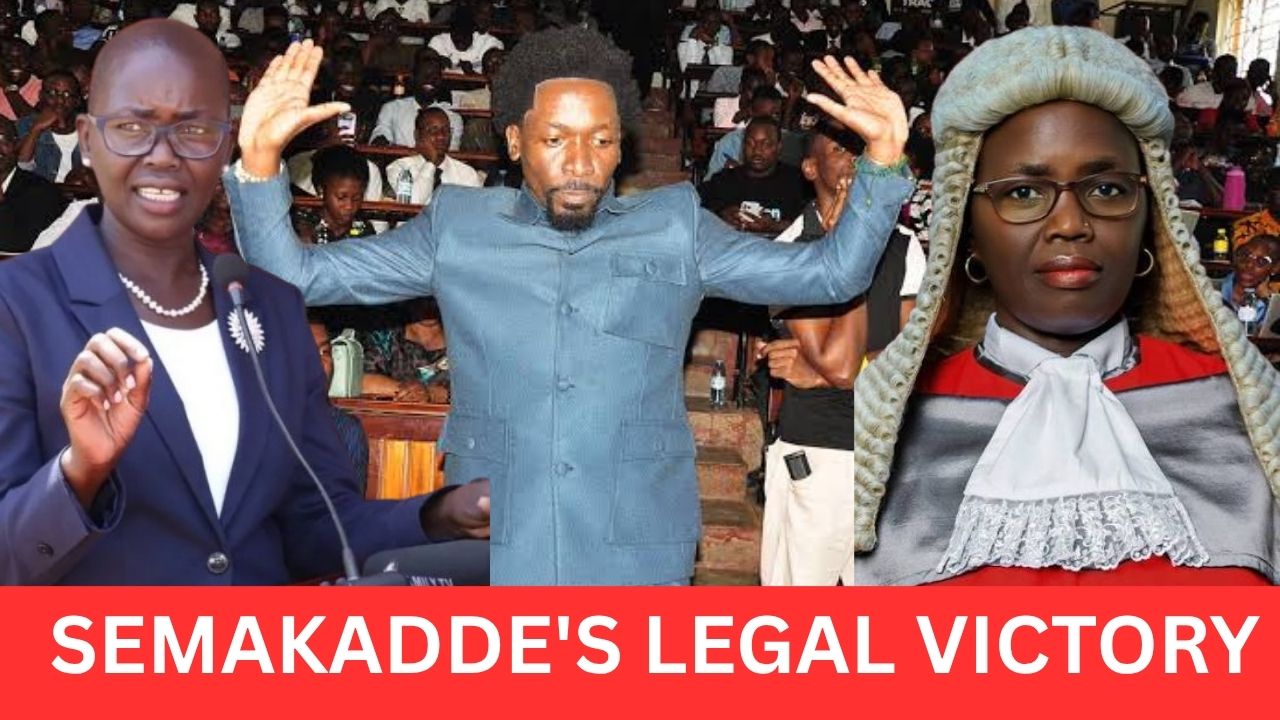 FeaturedNovember 4, 2026HOW KALALI’S COURT VICTORY COULD BRING SSEMAKADDE HOME: A Landmark Constitutional Court Ruling Has Struck Down The Law Underlying One Of The Charges Against The Exiled Uganda Law Society President, Raising Fresh Hopes For His Return
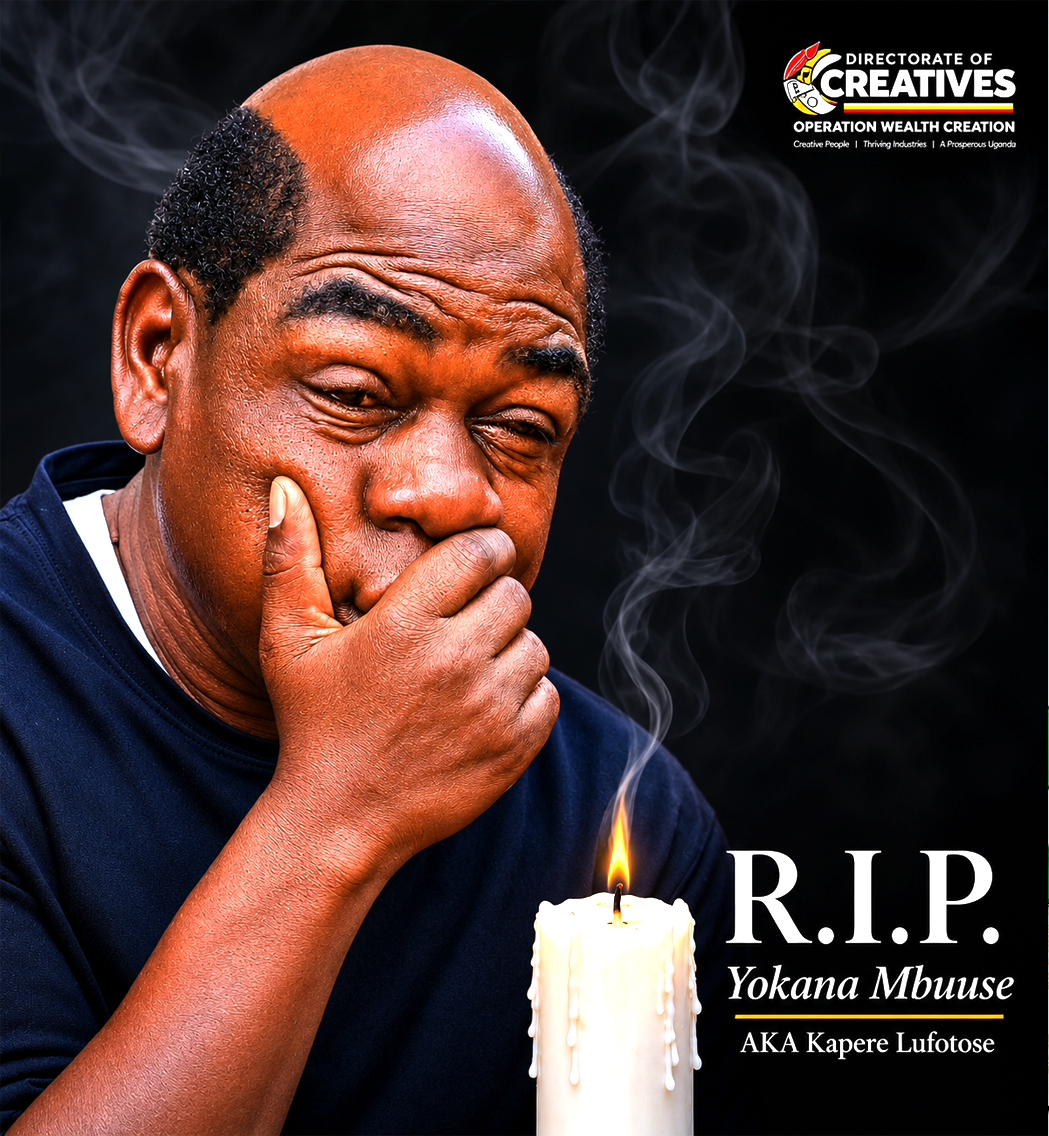 FeaturedNovember 2, 2026FROM REJECTION TO STARDOM: HOW KAPERE TURNED HIS ‘UGLINESS’ INTO GOLD! Dejected, Forced Out Of School and Once Struggling to Survive, Yokana Mbuuse Defied All Odds to Become a Household Name Through Comedy
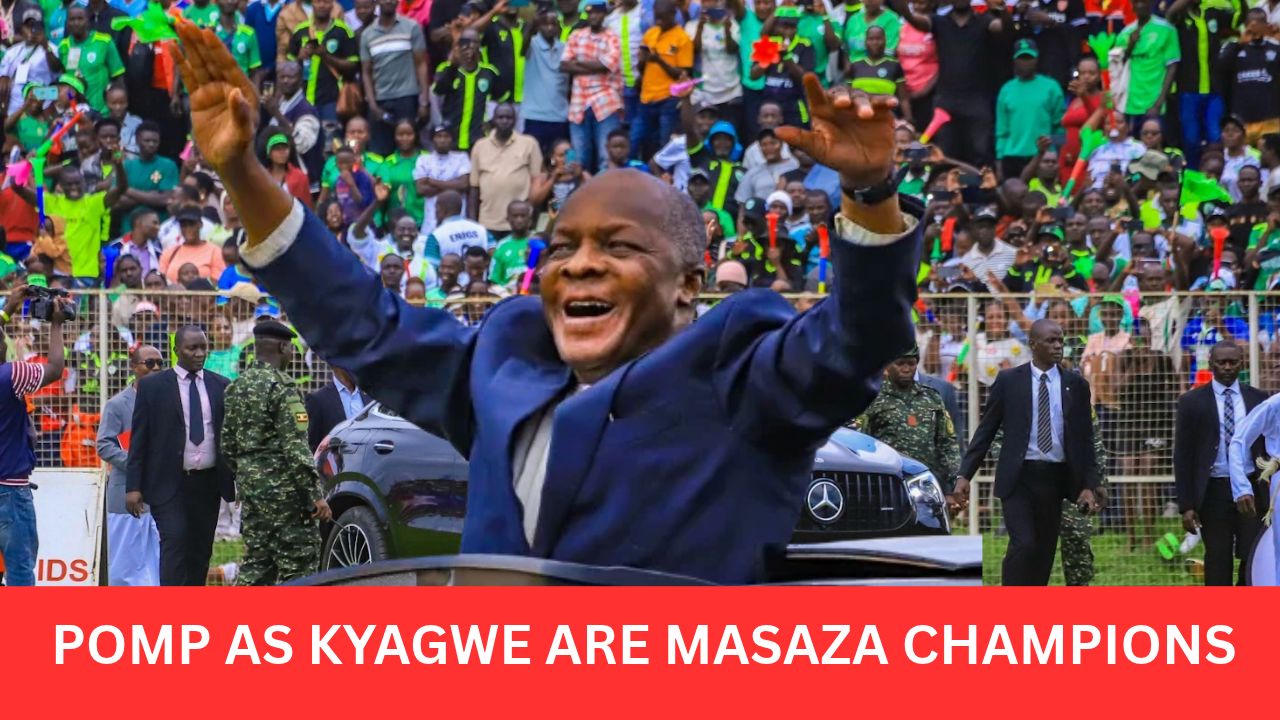 FeaturedOctober 31, 2026KABAKA SENDS WANKULUKUKU INTO FRENZY: King Ronald Muwenda Mutebi II Arrives Alongside Princess Katrina Ssangalyambogo for the Gomba-Kyagwe Masaza Cup Final in a Spectacular Display of Royal Pomp and Glamour