








The confrontation between Uganda’s legal fraternity and the country’s military leadership has taken a sharper turn after Uganda Law Society (ULS) president Isaac Ssemakadde publicly challenged Chief of Defence Forces (CDF) Gen Muhoozi Kainerugaba over alleged abductions, enforced disappearances, torture and threats against citizens critical of the government.
In an unusually combative statement, Ssemakadde has declared that Uganda is not anybody’s personal estate, warning Muhoozi and individuals operating under the Patriotic League of Uganda (PLU) banner that criticism of political and military leaders should not be treated as treason or grounds for eliminating opponents.
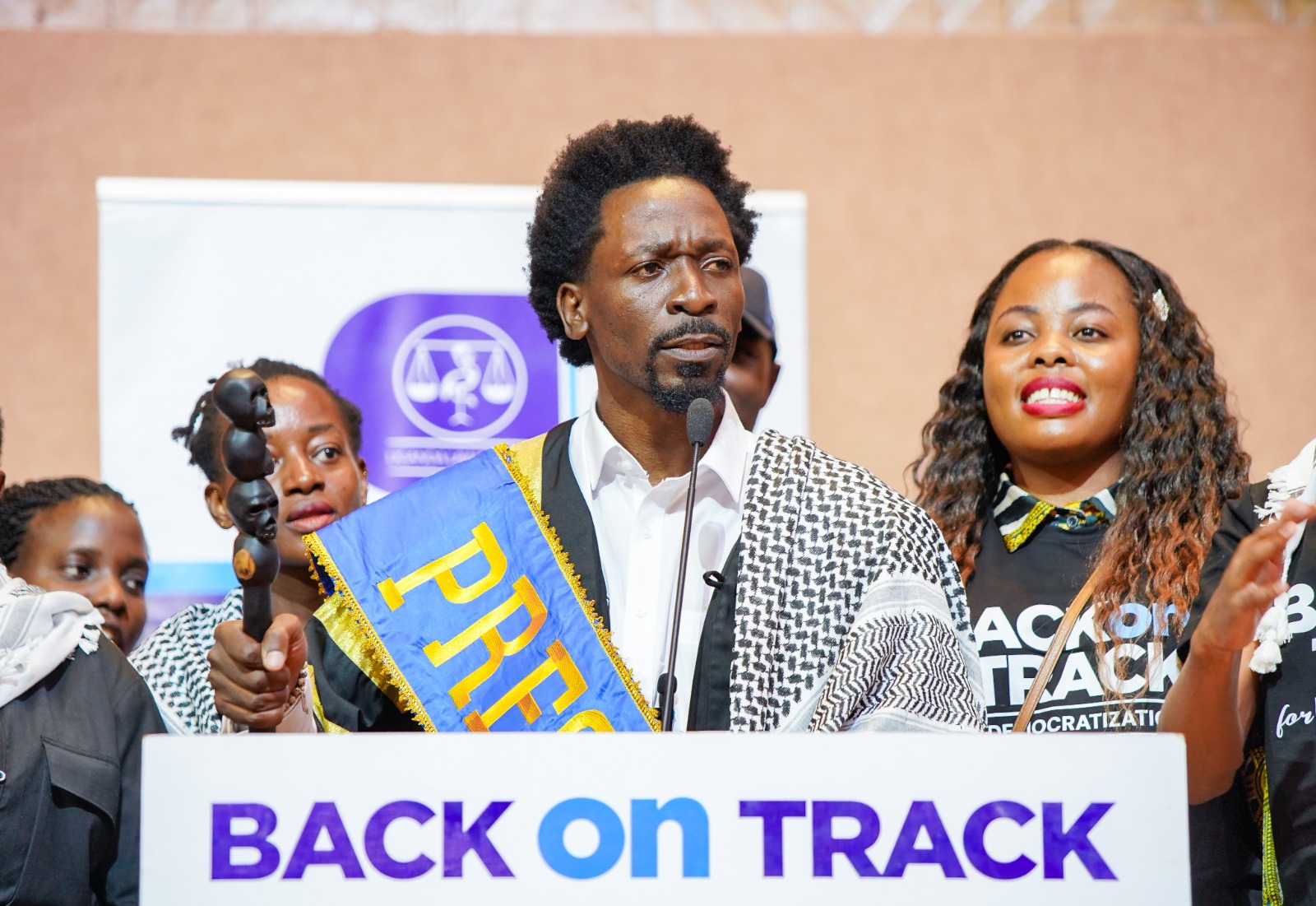 The ULS president’s intervention marks another significant confrontation between the legal profession and the military establishment over the deteriorating human rights environment, particularly allegations that security operatives are increasingly using abductions, detention without explanation and intimidation to silence dissent.
Ssemakadde’s statement is particularly striking because it directly names Muhoozi, rather than limiting its criticism to unidentified security agencies or government institutions.
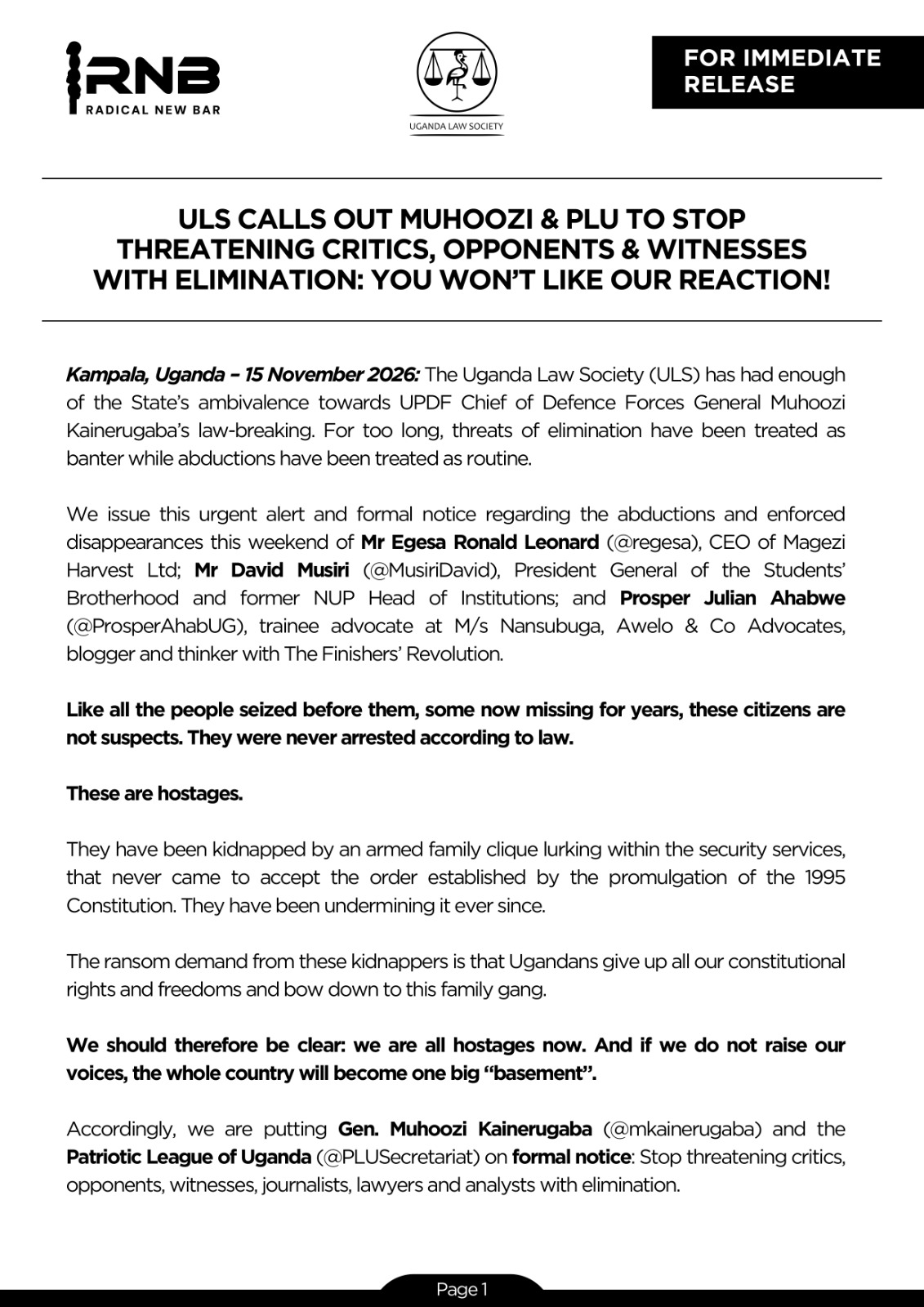
“The Uganda Law Society has had enough of the State’s ambivalence towards UPDF Chief of Defence Forces General Muhoozi Kainerugaba’s law-breaking,” Ssemakadde declared.
He accused the authorities of failing to decisively respond to threats and alleged human rights violations attributed to individuals associated with the CDF and the PLU, arguing that continued silence by state institutions risked encouraging impunity.
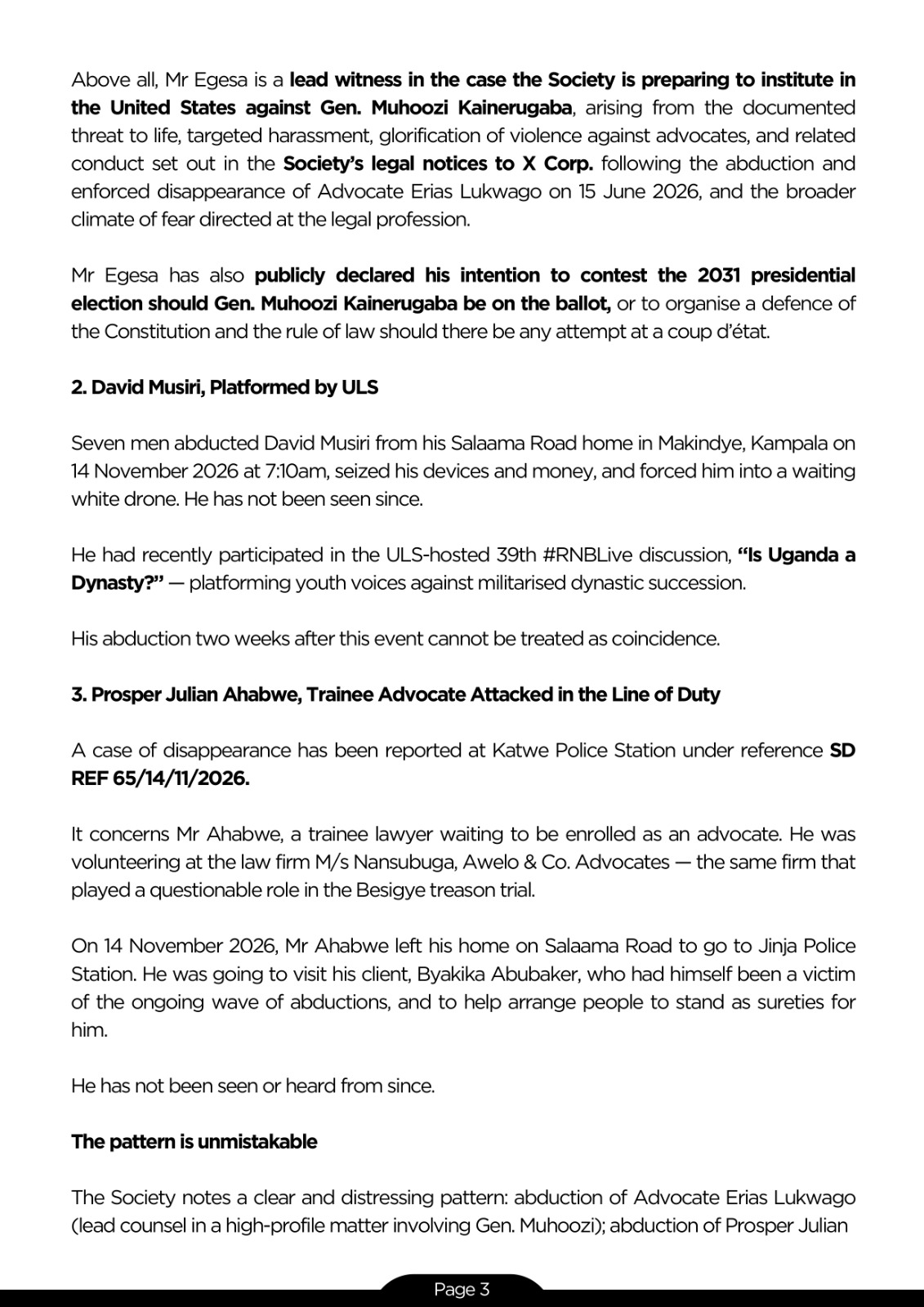
The ULS president’s warning comes amid renewed concerns over the reported abduction of political commentator and business strategist Ronald Leonard Egesa, alongside other individuals whose whereabouts have become a subject of public concern. In his statement, Ssemakadde has identified Egesa, David Musiri and Prosper Julian Ahabwe among those whose immediate and unconditional release the Society was demanding.
The Society has also called for accountability over the reported disappearances of Sam Mugumya, Christopher Goddy, popularly known as King Zale, and John Bosco Kibalama.
For Ssemakadde, the issue goes beyond political disagreements or exchanges on social media. He argues that threatening citizens with death, disappearance or torture because of their opinions constitutes criminal conduct that must attract legal consequences.
“Criticism is not treason. Opposition is not an enemy to be eliminated,” he declared.
The statement effectively places Muhoozi and the PLU at the centre of an increasingly heated national debate about the boundaries of military authority, political mobilisation, freedom of expression and the constitutional rights of Ugandans.
Egesa’s abduction becomes the immediate flashpoint
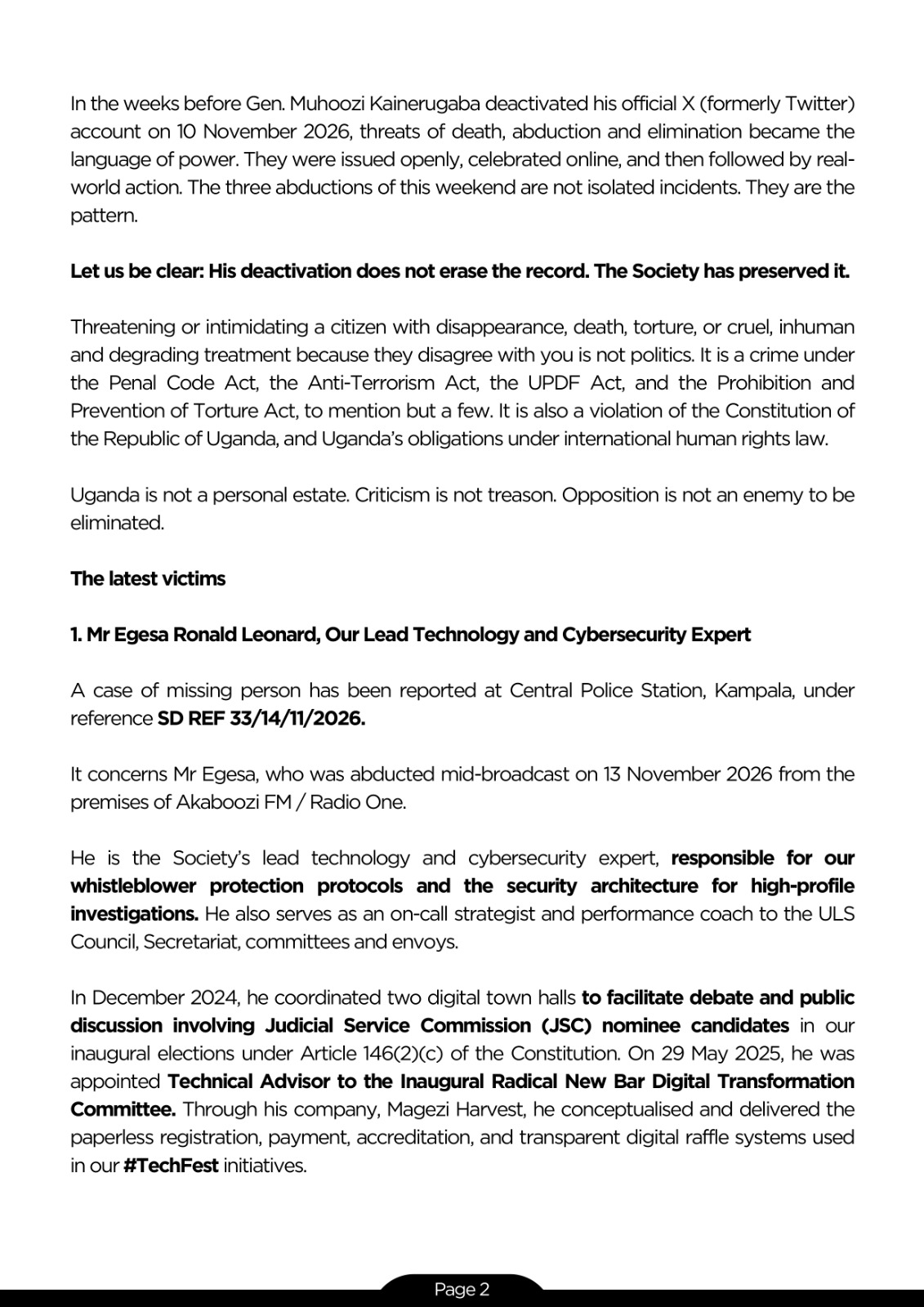
The latest confrontation was triggered by the reported abduction of Egesa on the evening of November 13, 2026, shortly after he participated in a political discussion on Akaboozi FM, a sister station of Radio One in Kampala.
According to the Uganda Law Society, Egesa was seized by armed men dressed in civilian clothes who arrived in a white, unmarked van commonly referred to as a drone.
The incident reportedly happened in the parking area of Radio One, where Egesa had appeared alongside other political commentators to discuss current affairs.
The circumstances surrounding his disappearance immediately raised questions about the identity of the armed men, the security agency they could have been attached to and where they had taken him.
The ULS said it had obtained surveillance footage from the media house documenting the incident and decided to publicise it in an effort to obtain information that could lead to the identification of the perpetrators.
The Society described the incident as an abduction and enforced disappearance rather than a lawful arrest, arguing that anyone arrested by the authorities must be informed of the reasons for their arrest and granted access to their lawyers, families and medical personnel.
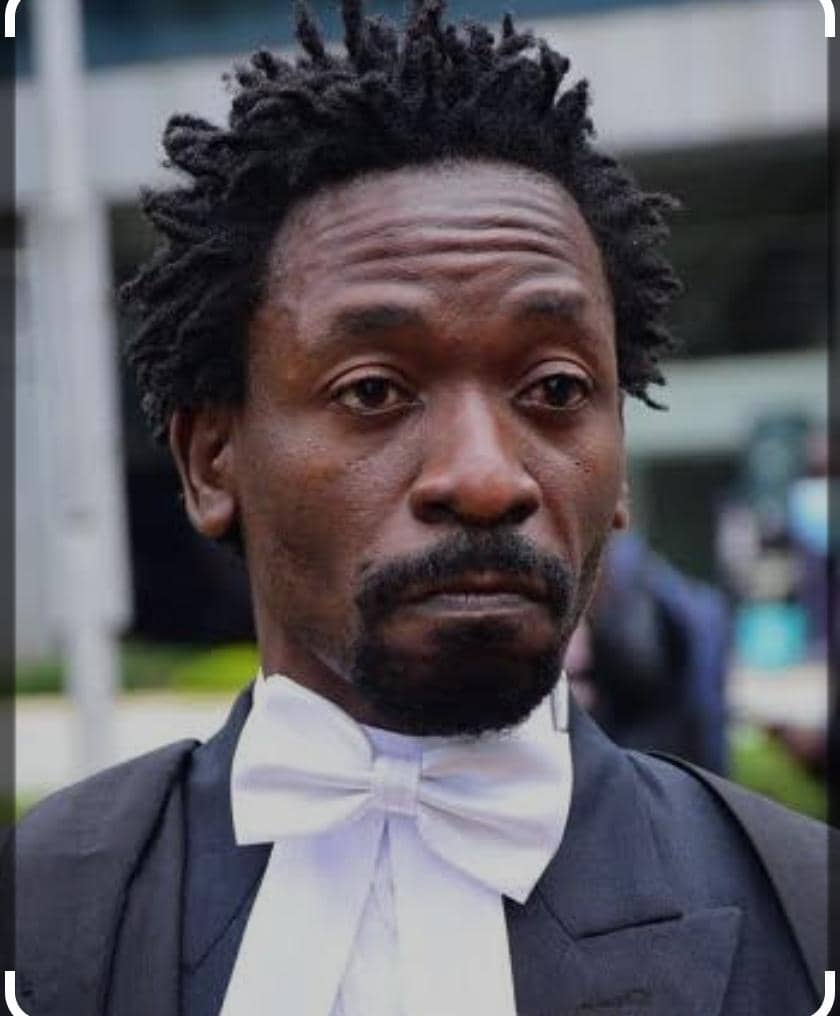
The incident attracted condemnation from sections of the political and media fraternity, with concerns that the use of armed men in civilian clothing and unmarked vehicles was becoming an increasingly familiar feature of Uganda’s security environment. Ssemakadde’s subsequent statement widened the scope of the dispute, turning the Egesa incident into a broader indictment of the alleged intimidation of government critics.
The ULS president demanded the immediate and unconditional release of Egesa, Musiri and Ahabwe, alongside all other individuals allegedly being held in undisclosed locations.
He also demanded that authorities disclose their whereabouts and physical condition. The Society’s position is that the government cannot continue to distance itself from alleged security abuses while citizens remain unable to establish where their relatives and colleagues are being held.
The demand is particularly significant because enforced disappearance creates a situation in which victims are effectively removed from the protection of the law, while their families are left without information about their fate.
For the legal fraternity, the issue is not simply whether security agencies have legitimate reasons to investigate individuals suspected of committing offences. It is whether those investigations are being conducted within the law.
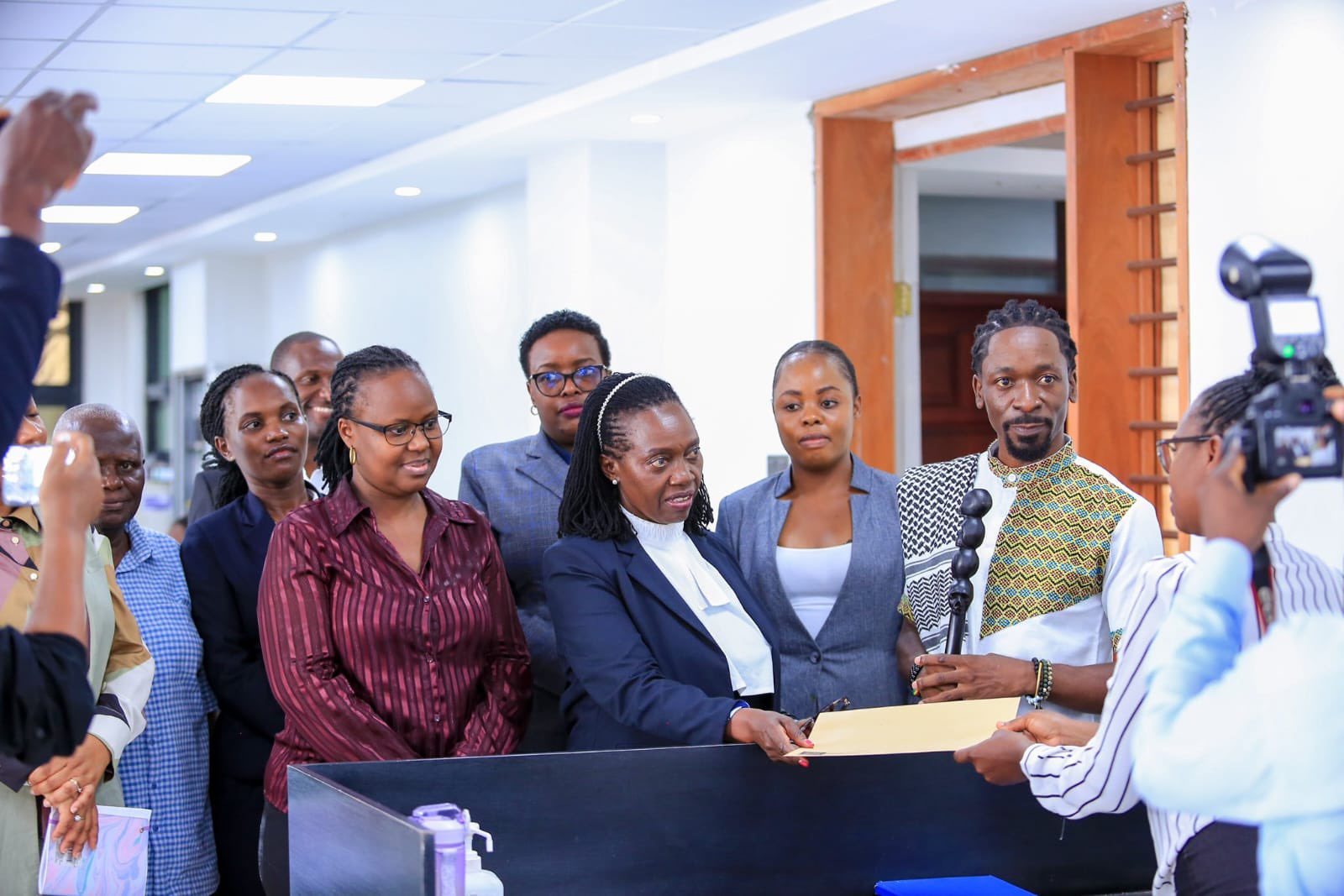
Ssemakadde takes aim at Muhoozi and PLU
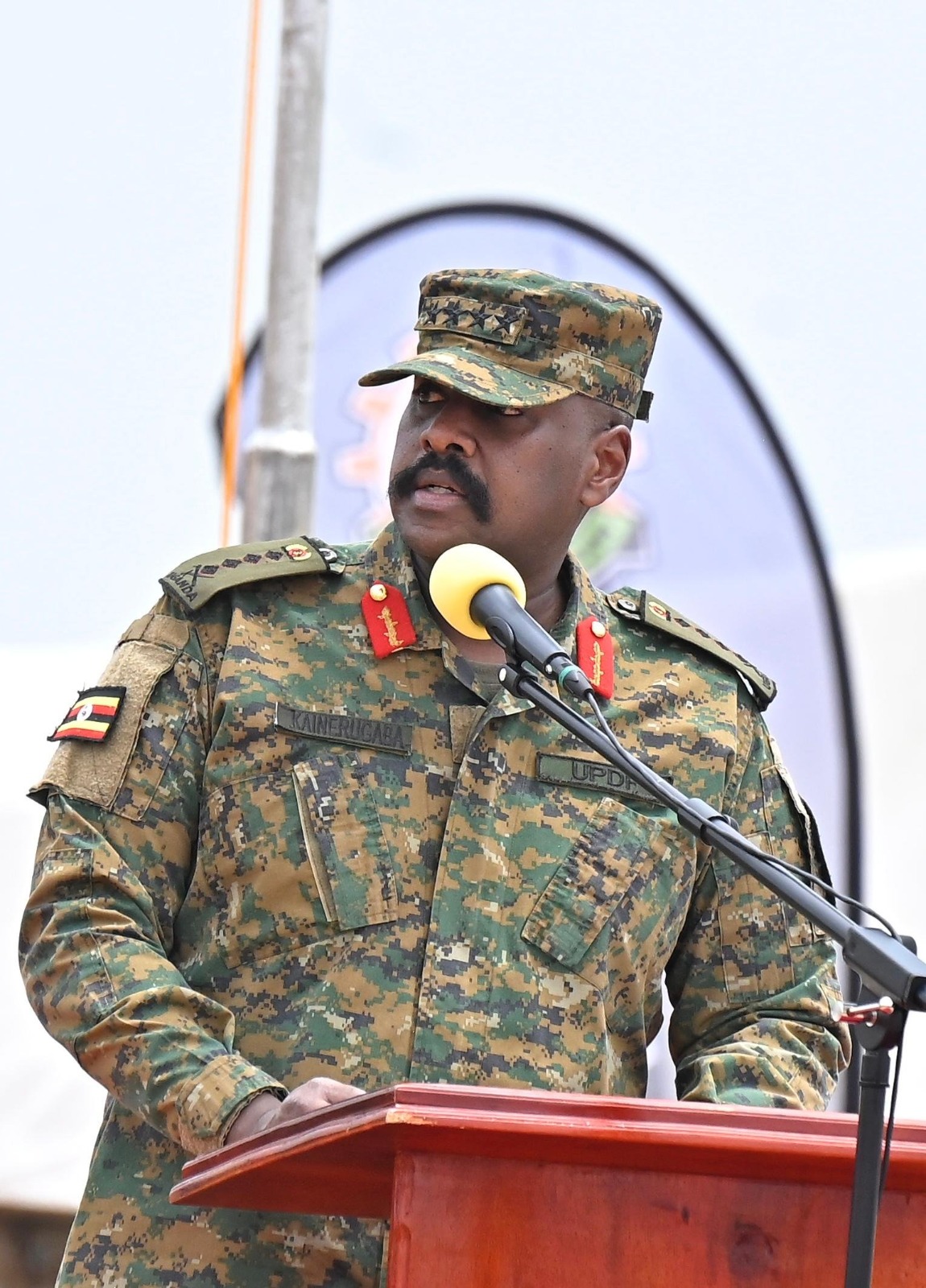
The most politically explosive element of Ssemakadde’s declaration was his decision to directly name Muhoozi and the PLU as the principal recipients of his warning.
The CDF, who also chairs the Patriotic League of Uganda, has increasingly become a central figure in Uganda’s political conversation, particularly because of his public statements about political opponents, government critics and the country’s future leadership.
Ssemakadde accuses Muhoozi and individuals acting in the PLU’s name of threatening citizens with elimination, abduction and physical harm.
He insists that such conduct could not be dismissed as political banter or the usual exchanges between supporters of competing political formations.
“Threatening or intimidating a citizen with disappearance, death, torture, or cruel, inhuman and degrading treatment because they disagree with you is not politics. It is a crime,” he stated.
He cites the Penal Code Act, the Anti-Terrorism Act, the UPDF Act and the Prohibition and Prevention of Torture Act as among the legal frameworks under which such conduct could attract criminal liability.
The ULS president further argues that the Constitution protects citizens irrespective of their political opinions and that Uganda’s international human rights obligations require the state to protect individuals from torture, arbitrary detention and other forms of abuse.
His argument is that military rank, political influence or association with powerful individuals cannot place anyone above the law.
The warning also carries political significance because Muhoozi is not merely a senior military officer. He is the son of President Yoweri Museveni and has established a political platform through the PLU.
In August 2026, Reuters reported that Muhoozi had announced his intention to seek Uganda’s presidency in 2031, saying he would contest with his father’s support. The announcement further intensified debate about the intersection of his military position and political ambitions.
This political background makes the ULS intervention particularly sensitive. Ssemakadde is effectively demanding that the military leadership and the political movement associated with its commander respect the same constitutional restrictions that apply to every other Ugandan.
For the Bar, the concern is that when a serving military commander is perceived to be exercising political influence while making threats against individuals, citizens may begin to question whether ordinary legal protections remain effective.
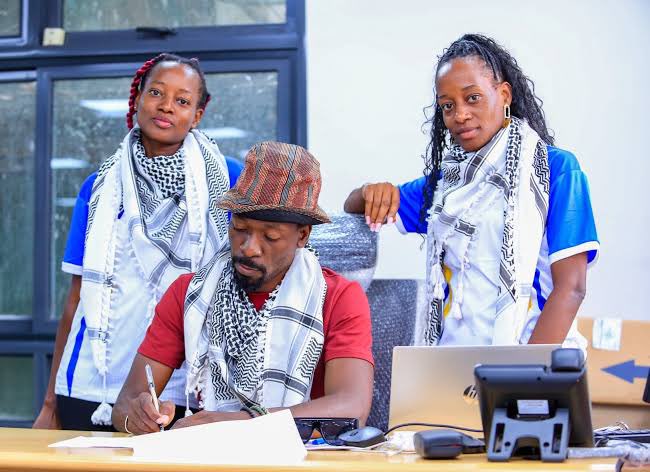
The history of Muhoozi’s controversial threats
The latest confrontation comes against the background of repeated controversy surrounding Muhoozi’s social media statements and his public interventions in political matters.
His X account has previously attracted criticism over statements directed at opposition figures and government critics, including threats of arrest and other forms of punishment.
Amnesty International’s 2026 human rights report documented death threats and incitement to violence against opposition leaders, their supporters and other government critics in posts made by Muhoozi. The report also noted that some of the posts were subsequently deleted.
In September 2026, the CDF attracted further criticism after publicly threatening arrests in connection with a reported celebration for former Speaker of Parliament Anita Among.
The European Union-funded and civil society-supported EU SEE monitoring mechanism raised concerns that such statements could create fear among political and civic actors, particularly when considered alongside reports of military involvement in detaining government critics.
Muhoozi has also previously made controversial statements concerning opposition leader Robert Kyagulanyi, popularly known as Bobi Wine, and other individuals critical of the government.
The controversy has extended beyond politicians to include journalists, online commentators, lawyers and ordinary citizens whose opinions have attracted the attention of powerful political and military figures.
In an Al Jazeera investigation published on November 4, 2026, Ugandans critical of powerful political and military personalities described alleged abductions, intimidation and mistreatment.
The report highlighted the case of Praise Aloikin Opoloje, who said she was abducted and assaulted after making a video declaring that she was not afraid of Muhoozi. Her account of the alleged abduction and mistreatment could not be independently verified by the publication.
Such accounts have contributed to growing concerns among human rights defenders that the distinction between lawful security operations and politically motivated intimidation is becoming increasingly blurred.
For Ssemakadde, the solution is not to wait for more Ugandans to disappear before demanding accountability.
He wants the authorities to demonstrate that nobody, regardless of their political connections or military position, has the power to threaten citizens without consequences.
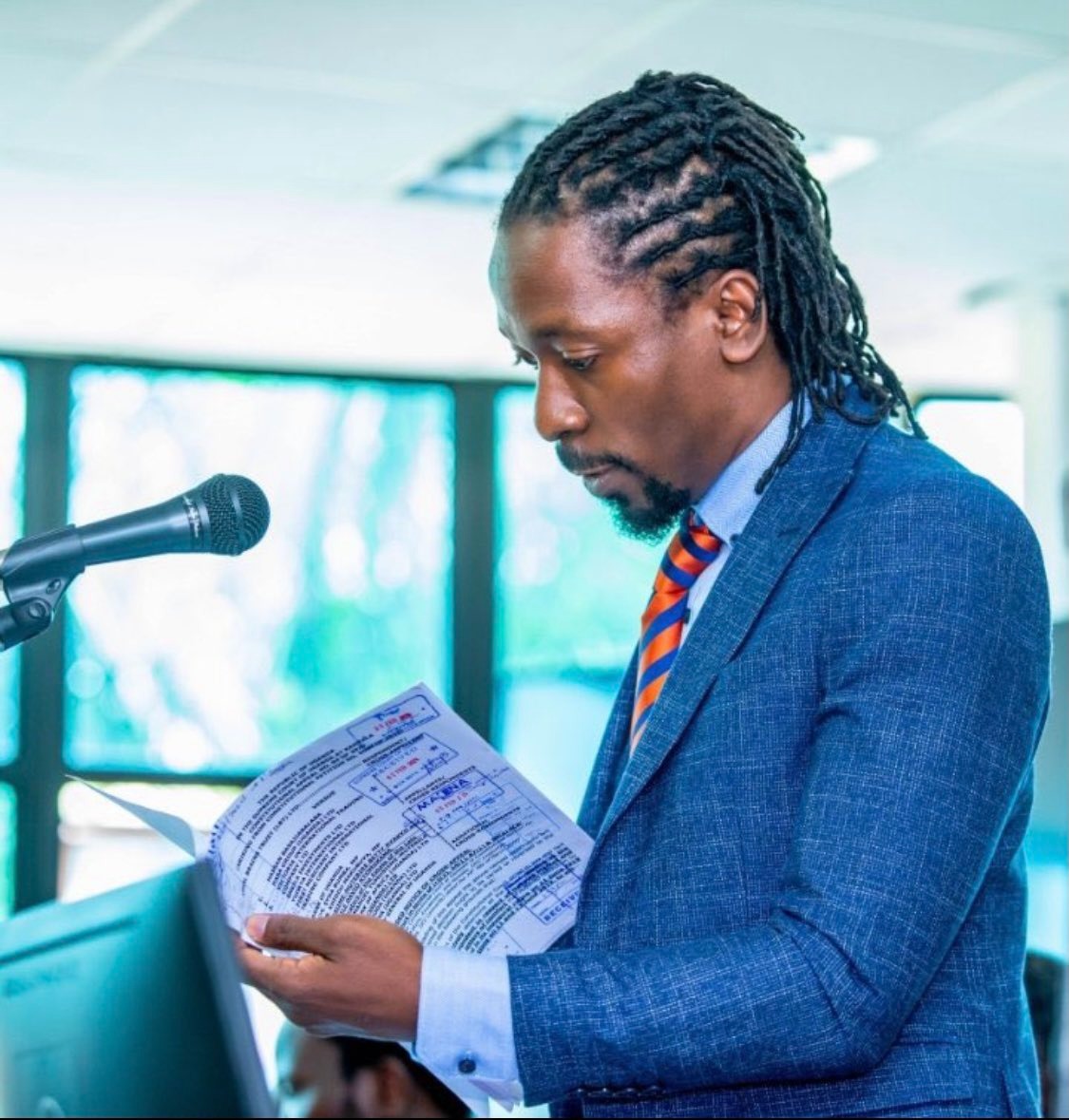
Ssemakadde invokes the Constitution and criminal law
In his declaration, Ssemakadde reminded Muhoozi that the office of CDF does not confer unlimited powers over citizens.
He argued that Uganda’s constitutional order is founded on the principle that public authority must be exercised within the law and that security agencies are not permitted to operate as private enforcement units for individuals or political movements.
The Constitution guarantees the protection of personal liberty, freedom of expression, freedom of association and protection from torture and cruel, inhuman or degrading treatment.
Article 24 prohibits torture and cruel, inhuman or degrading treatment, while Article 23 provides safeguards against arbitrary deprivation of personal liberty.
Article 29 also protects freedom of speech and expression, including the freedom to hold opinions and communicate ideas.
These constitutional guarantees form the foundation of the ULS argument that Ugandans should be able to criticise political and military leaders without fearing abduction, torture or disappearance. Ssemakadde’s warning is also directed at the institutions responsible for enforcing the law.
He specifically named the Uganda Police Force, the Office of the Director of Public Prosecutions (ODPP) and other security agencies, demanding that they investigate the alleged abductions as criminal offences rather than dismissing them as political disagreements.
His position puts pressure on the police and prosecutors to establish who is responsible for the reported disappearances, where the victims are being held and whether any security personnel or other individuals have participated in unlawful arrests.
The ULS president wants investigations to cover not only the latest cases but also earlier disappearances, including those of Sam Mugumya, Christopher Goddy, alias King Zale, and John Bosco Kibalama.
The inclusion of these names suggests that the Society is seeking a broader investigation into what it considers a pattern of enforced disappearances rather than treating each incident as an isolated occurrence.
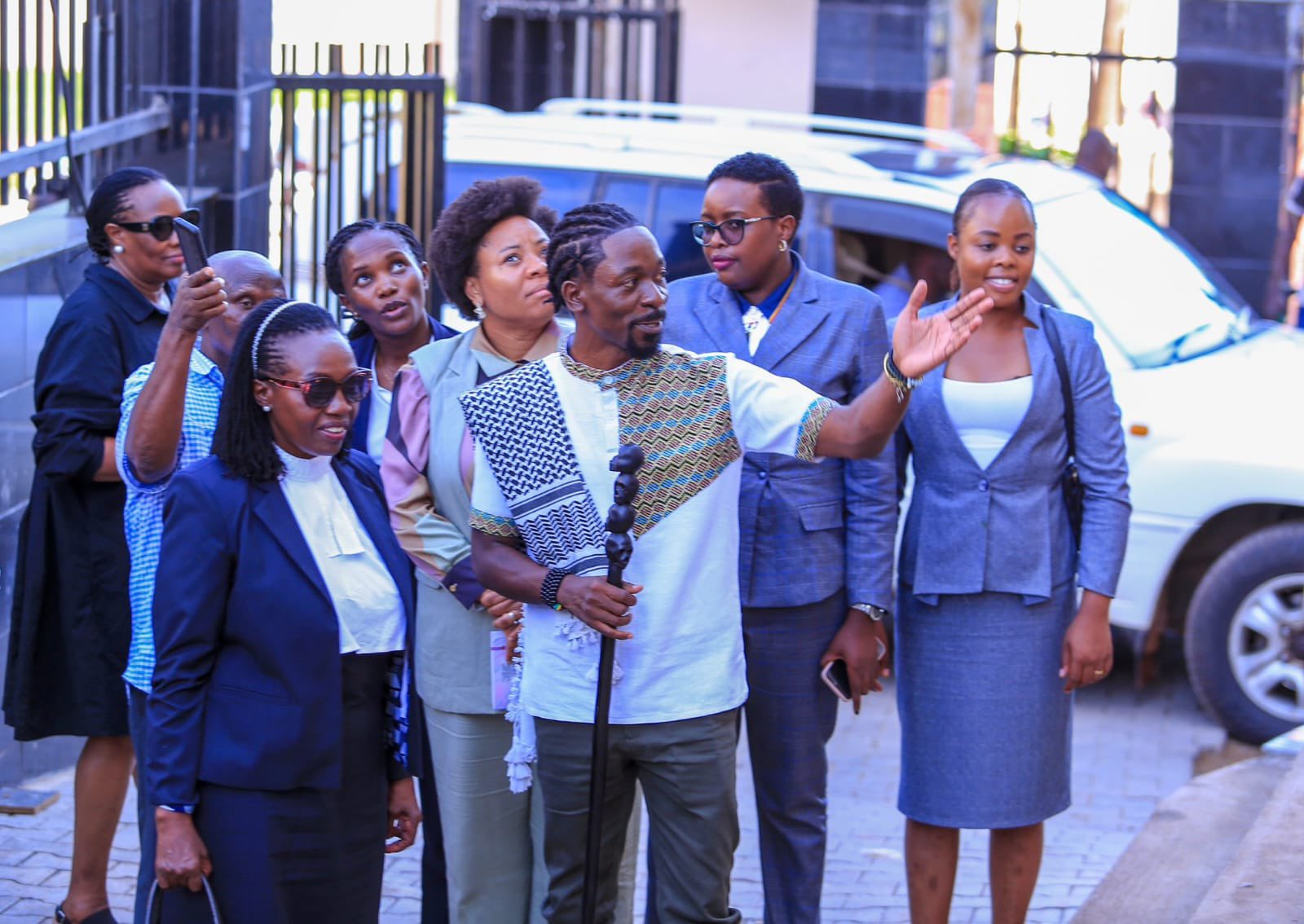
ULS announces reward for information
In another significant development, the Uganda Law Society has announced that a substantial reward would be offered to anyone providing specific, verifiable and actionable information that could help locate the missing individuals or identify those responsible for their disappearance.
The Society has also promised a robust whistleblower protection arrangement, including safe evacuation for individuals who provide credible information.
However, Ssemakadde has clarified that the reward would not be paid for information already available in the public domain or information that could not be independently verified.
The move effectively takes the search for the missing individuals beyond conventional police investigations, inviting members of the public with potentially useful information to assist in establishing their whereabouts. It also signals the Society’s willingness to use its institutional resources to pursue the cases. The reward announcement is particularly important because families of people reported missing in security-related incidents often face difficulties obtaining information from state institutions.
Without confirmation of where their relatives are being held, families can spend days, weeks or even months moving between police stations, military installations and courts in search of answers.
For the ULS, the absence of information about a detained person’s whereabouts is itself a serious human rights concern.
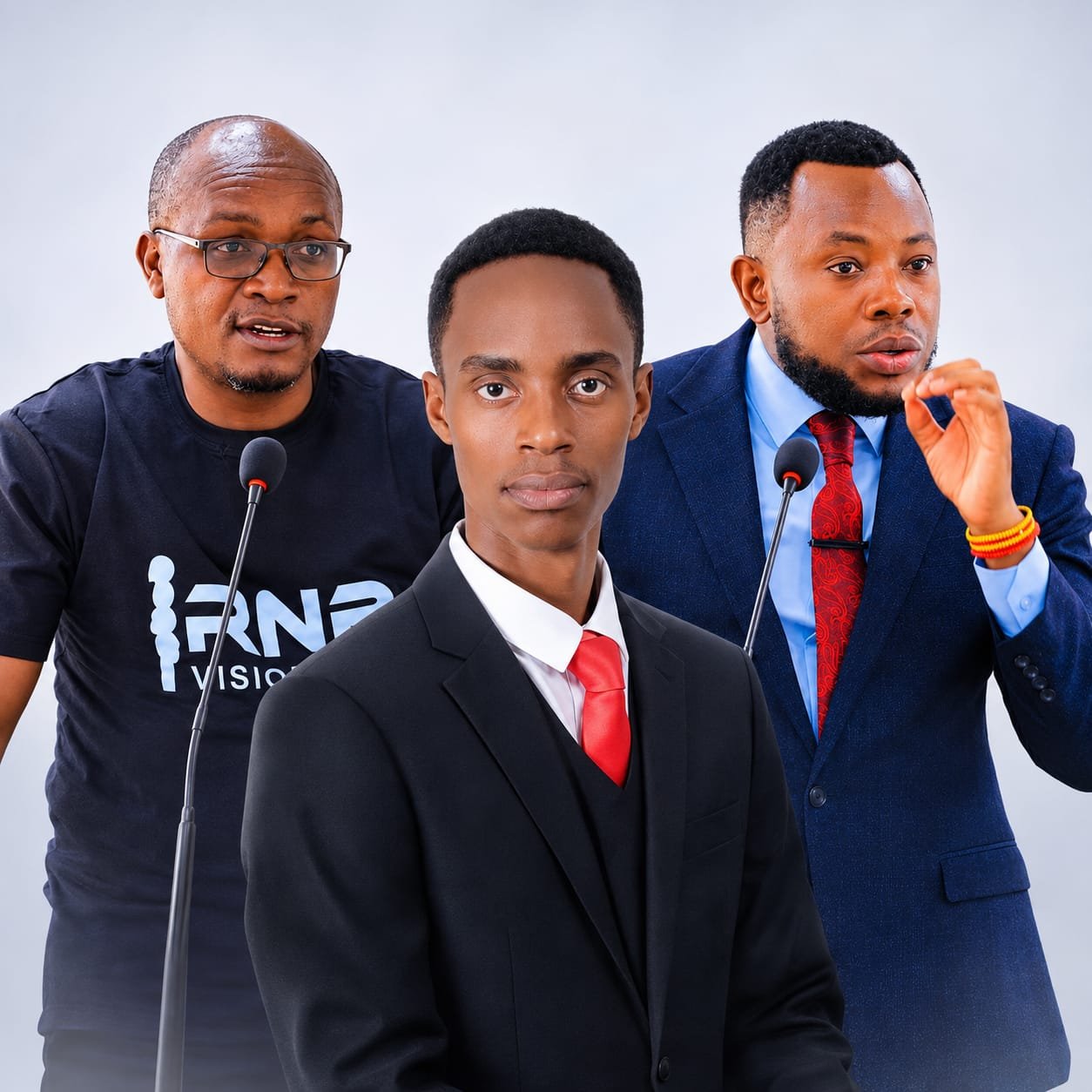
The Ssemakadde-Muhoozi confrontation
The clash also highlights an increasingly uncomfortable relationship between Uganda’s legal fraternity and the country’s military leadership.
The Uganda Law Society, established to represent and protect the interests of advocates while promoting the rule of law, has increasingly positioned itself as a vocal critic of alleged abuses by security agencies.
Ssemakadde, who is a Senior Counsel and president of the Society, has adopted an outspoken approach to defending constitutional rights and challenging institutions accused of operating outside the law.
His latest declaration is particularly confrontational because it warns Muhoozi that the legal fraternity will not remain passive if threats and alleged abductions continue.
“To General Muhoozi and PLU: If you continue on this path of threats and abductions, you won’t like our reaction,” he declared.
He added that the Society would document every threat, pursue all available legal remedies domestically and internationally, and mobilise lawyers, journalists and members of the public to defend the Constitution.
The warning amounts to a declaration that the ULS intends to escalate its response beyond issuing condemnatory statements whenever alleged human rights violations occur.
It could involve litigation, international human rights advocacy, public documentation of alleged abuses and efforts to mobilise the legal profession around individual cases.
Ssemakadde also called upon every ULS member, irrespective of ethnicity or political affiliation, to condemn what he described as atrocities and gross human rights violations.
His appeal is significant because it seeks to remove the controversy from the traditional NRM-versus-opposition political divide.
The argument is that the protection of citizens from torture, arbitrary detention and disappearance should not depend on whether they support President Museveni, Muhoozi, the opposition or any other political formation.
A test for Museveni’s government
The growing confrontation also presents a political and institutional challenge for President Museveni’s government.
 Muhoozi occupies one of the most influential positions in the country’s security establishment as CDF, while simultaneously leading a political movement that has become increasingly prominent in discussions about Uganda’s future leadership.
That combination has repeatedly generated questions about the separation between military responsibilities and political activity.
 For the government, the latest ULS demands present an opportunity to demonstrate that allegations of abduction and torture will be investigated regardless of the personalities involved.
The police, ODPP and security agencies are now being challenged to establish whether the individuals named by the Society are in lawful custody and, if so, to disclose their whereabouts and facilitate access to legal representation.
Equally, the authorities face questions about the identity of the armed men reportedly involved in Egesa’s disappearance and whether the incident was connected to any lawful security operation.
 As of the information contained in the Society’s declaration, no independently established evidence has demonstrated that Muhoozi personally ordered the abductions or that the individuals involved acted under his direct instructions. The CDF and PLU’s response to the specific allegations is also not contained in the statement.
That distinction notwithstanding, the ULS insists that public threats by powerful individuals must be taken seriously and investigated where they potentially amount to criminal conduct.
Ultimately, the dispute is about whether Uganda’s institutions can hold powerful individuals accountable when their conduct is questioned.
 Ssemakadde’s message is that the military cannot become an alternative political authority operating beyond constitutional restrictions, and that citizens cannot be treated as enemies simply because they challenge those in power. His closing declaration captured the seriousness of the confrontation. “Silence is not an option,” he said.
For Muhoozi, the PLU and the wider security establishment, the challenge is now to respond to the growing demands for accountability.
For the Uganda Law Society, the battle is about defending the principle that the Constitution belongs to all Ugandans and that no individual, however powerful, can claim ownership of the country. As Ssemakadde put it: Uganda is not a personal estate.
Author Profile
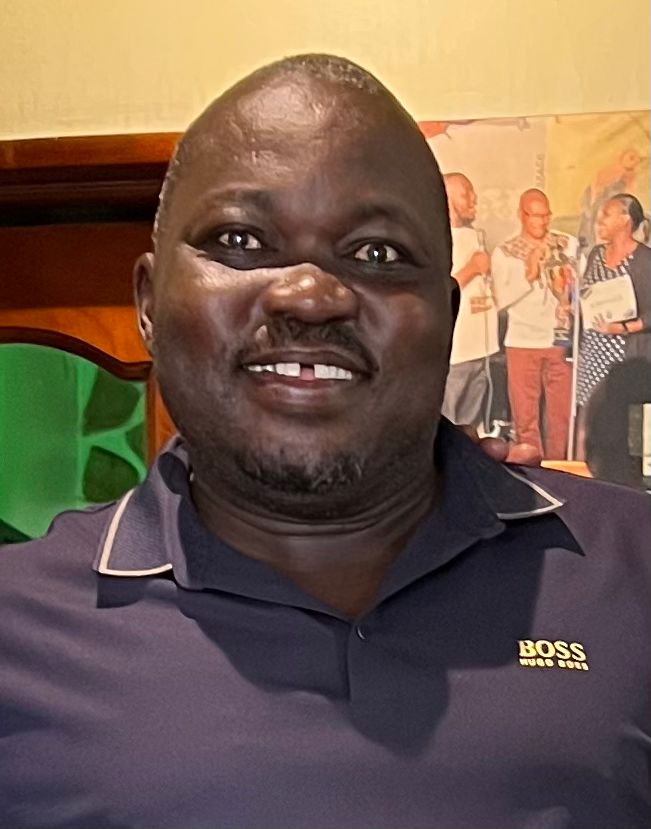
- Charles Gazza Kodili is a seasoned journalist with over 20 years of experience in the media industry. He holds a Bachelor of Arts degree in Mass Communication. He’s currently the Chief Editor at the Investigator.
Charles can also be reached via; Tel: +256 774 108978
Email: [email protected]
Latest entries
 FeaturedNovember 16, 2026BESIGYE’S LIFE ON THE LINE: ‘STOP PLAYING POLITICAL FOOTBALL WITH BESIGYE’S LIFE’: Two Years After Besigye Was Seized In Nairobi And Brought To Uganda To Face Trial Before A Military Court, His Wife Says His Physical Condition Has Deteriorated Dramatically, While Four Bail Applications Have Been Rejected And A Fifth Remains Unheard
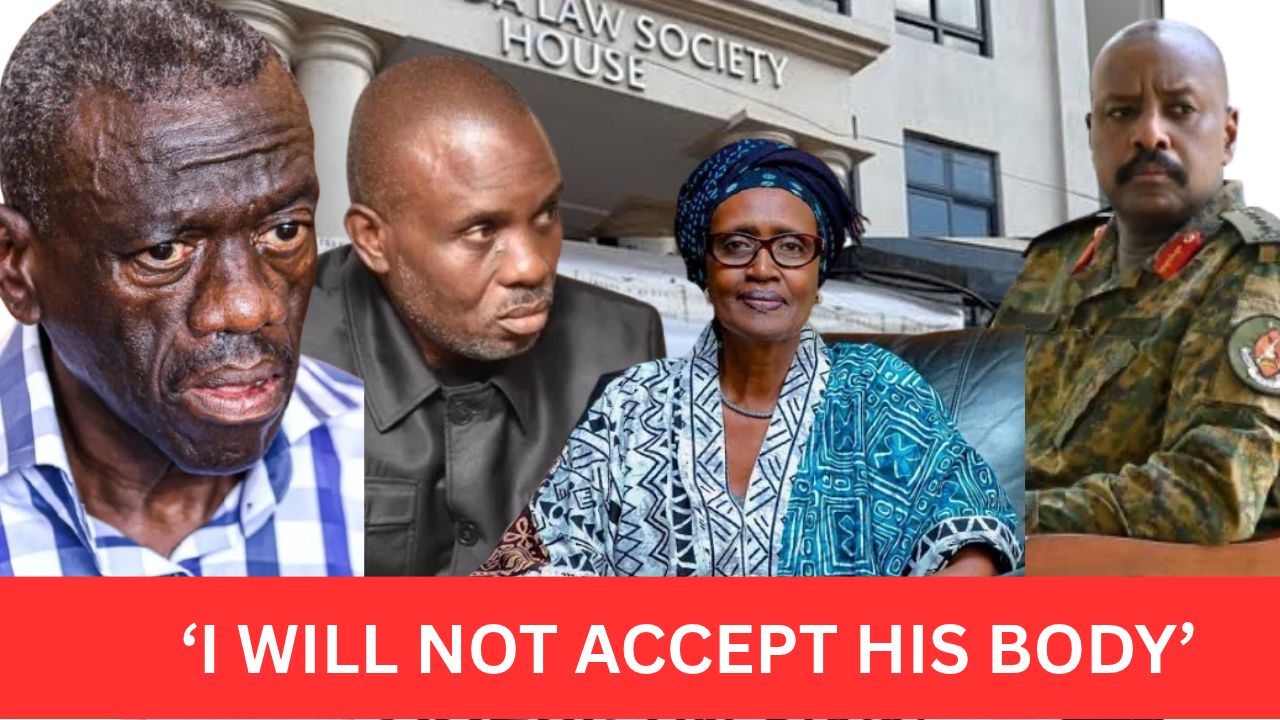
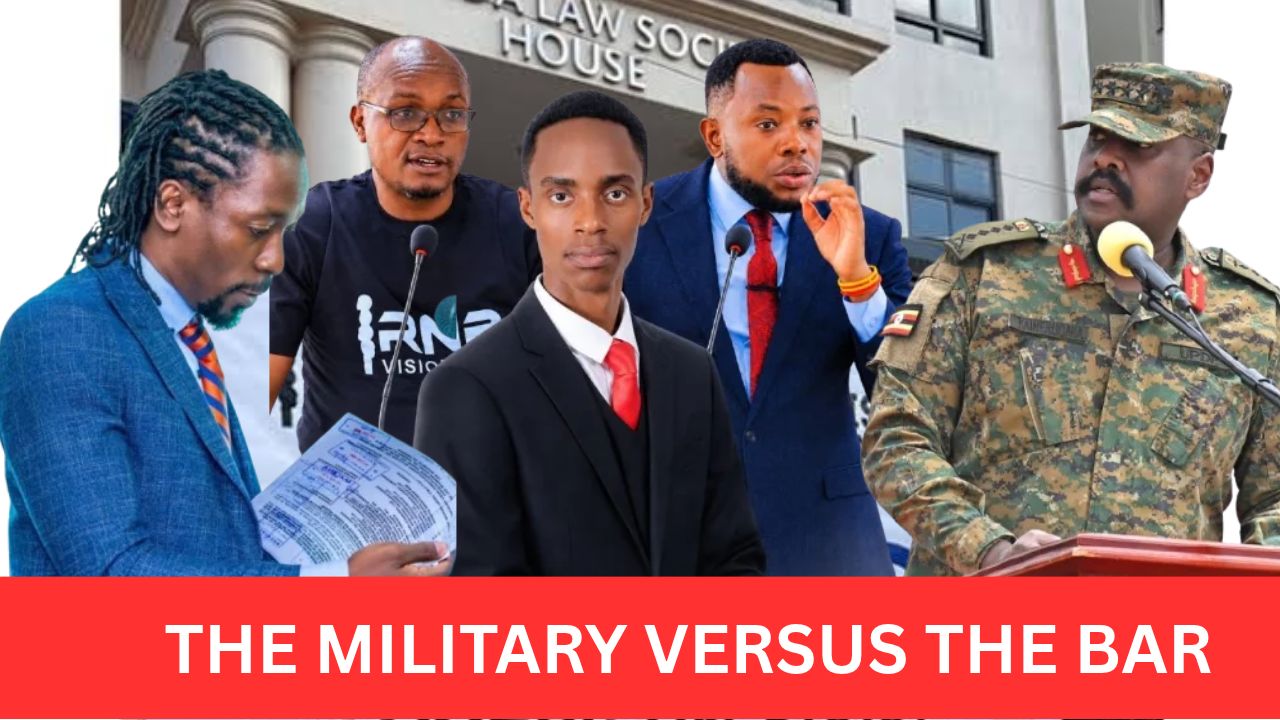 FeaturedNovember 16, 2026GEN MUHOOZI UNDER LEGAL FIRE: The ULS President Warns That Military Rank And Political Influence Cannot Excuse Alleged Human Rights Abuses, Demanding Investigations, Unconditional Releases And Accountability For Enforced Disappearances
 FeaturedNovember 13, 2026OTAFIIRE’S CRYPTIC WARNING TO MUHOOZI: As Gen Muhoozi Kainerugaba Intensifies His Push For The Vice-Presidency And Publicly Challenges Jessica Alupo, Veteran Bush-War Commander Maj Gen (Rtd) Kahinda Otafiire Has Returned With Another Dose Of Political Satire, Using A Journey To Mbarara
 FeaturedNovember 13, 2026WHY BISHOP WANOK’S ELECTION MATTERS TO UGANDA’S CATHOLIC CHURCH: With Archbishop Lambert Bainomugisha As His Deputy, The New Episcopal Conference Leadership Inherits A Church Deeply Embedded In Education, Healthcare, Governance And National Affairs