











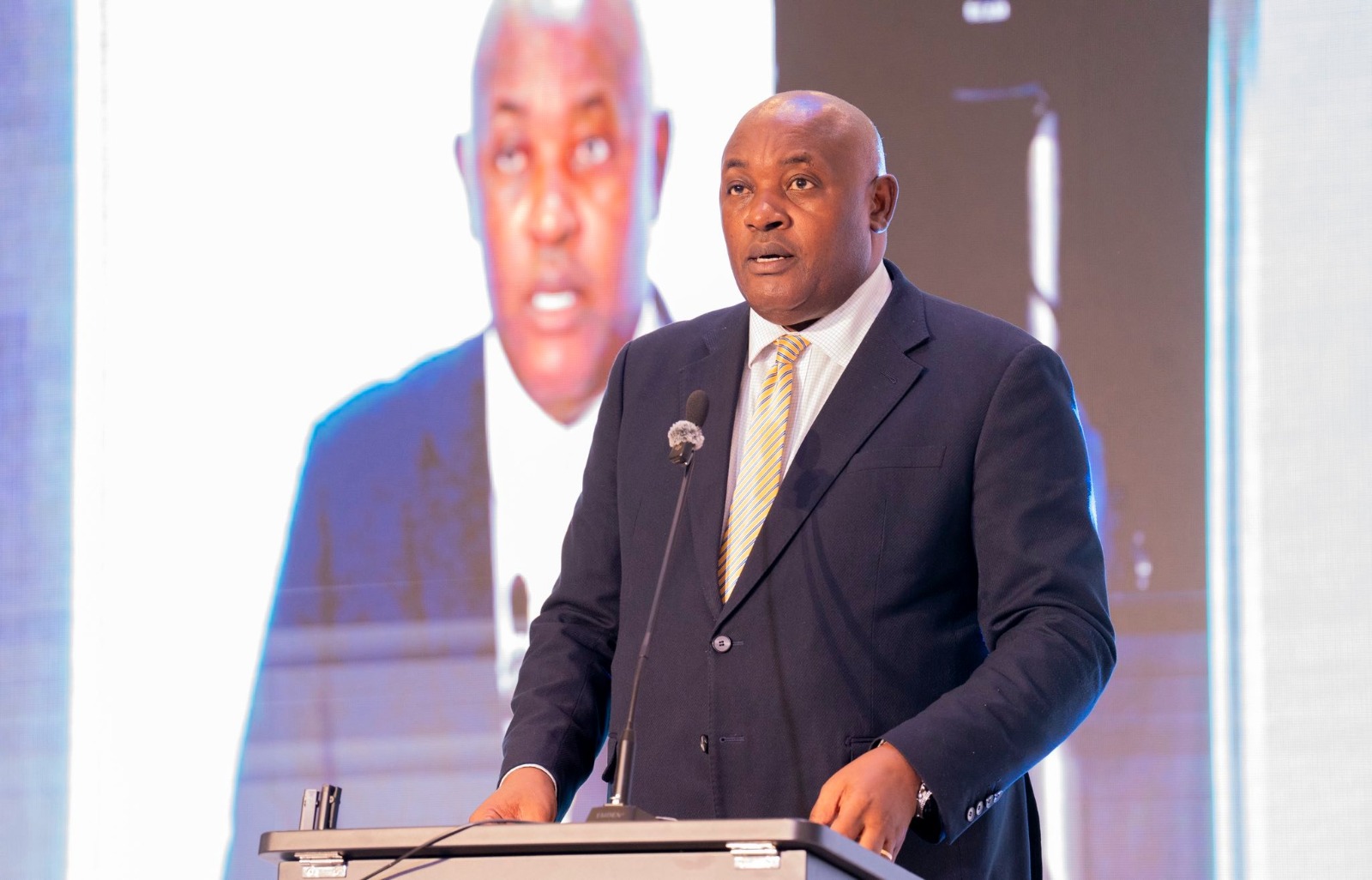
Uganda’s Minister of Health, Dr Chris Baryomunsi, has been elected Chairperson of the Governing Board of the Africa Centres for Disease Control and Prevention (Africa CDC), placing him at the centre of efforts to strengthen Africa’s public health systems, improve disease surveillance and enhance the continent’s capacity to respond to health emergencies.
Baryomunsi was unanimously elected during a meeting of the Governing Board in Addis Ababa, Ethiopia, for a three-year term. His election was announced, following a meeting attended by health ministers representing several African countries.
The Ugandan minister said he had received unanimous support from fellow members of the board, including ministers of health from Kenya, Zimbabwe, Namibia, Cameroon, Gabon, The Gambia and Sierra Leone.
In a statement announcing his election, Baryomunsi expressed gratitude to the members for the confidence they had placed in him, pledging to use his new position to advance Africa’s health priorities. “I will do all it takes to ensure that the health of the African people remains a top priority in the global transformation agenda,” he said.
He added that Africa’s health security and sovereignty should remain a collective responsibility, signalling his commitment to strengthening the continent’s ability to manage its public health challenges rather than relying excessively on external interventions. “Africa’s health security and sovereignty must remain everybody’s concern,” Baryomunsi said.
The appointment gives Uganda an influential voice in the governance of one of the African Union’s most important specialised health institutions at a time when the continent is seeking to address persistent weaknesses in healthcare infrastructure, disease surveillance, medical research, vaccine production and emergency preparedness.
 An institution at the centre of Africa’s health security
Established by the African Union in 2016 and officially launched in 2017, Africa CDC was created to provide technical support to member states and strengthen their ability to prevent, detect and respond to infectious disease outbreaks and other public health emergencies.
The institution became an autonomous agency of the African Union in 2022, following lessons learnt from the Covid-19 pandemic, which exposed serious weaknesses in Africa’s healthcare systems and dependence on foreign countries for vaccines, medicines, diagnostic equipment and other essential medical supplies.
The pandemic demonstrated how African countries could be disadvantaged when wealthier nations prioritised their populations in the procurement and distribution of vaccines and other medical products.
Consequently, Africa CDC has increasingly positioned itself as a driving force behind the continent’s ambition to achieve health sovereignty through investments in local pharmaceutical manufacturing, vaccine development, research, disease surveillance and sustainable health financing.
The Governing Board, which Baryomunsi will now chair, plays an important role in providing strategic direction and institutional oversight.
According to the agency’s 2025 annual report, the board deliberates on institutional strategies, budgets and work plans, monitors performance, advises on financial management and provides strategic guidance to the Director-General.
It also has responsibilities relating to accountability, risk management and ensuring that the institution’s activities remain aligned with the African Union’s broader health objectives.
The board does not directly manage the agency’s daily operations, which are handled by its secretariat under the Director-General.
This distinction means Baryomunsi’s responsibility will largely involve providing political and strategic leadership, ensuring effective governance and helping mobilise support for the agency’s continental programmes.
The position is particularly significant given Africa’s continuing struggle with outbreaks of diseases such as Ebola, cholera, mpox, measles and other emerging and re-emerging infectious diseases.
Africa CDC has been instrumental in coordinating cross-border responses, supporting national public health institutions and facilitating the sharing of epidemiological information among member states.
Its 2025 annual report indicates that the agency supported all 55 African Union member states, mobilised more than $151 million in direct resources, expanded functional Public Health Emergency Operations Centres to 32 countries and strengthened genomic sequencing capacity in 46 countries.
These achievements illustrate the scale of the institution Baryomunsi will help oversee during his three-year tenure.
Health sovereignty and financing among priorities
One of the major challenges facing African healthcare systems is inadequate domestic financing, which has left many countries dependent on development partners to fund essential health programmes.
Africa CDC has been advocating for African governments to increase domestic investment in healthcare and establish sustainable financing mechanisms capable of supporting disease prevention, emergency responses and healthcare infrastructure.
 The agency is also championing local production of vaccines, pharmaceuticals and diagnostic products to reduce the continent’s dependence on imported medical supplies.
For Baryomunsi, these priorities present an opportunity to influence continental health policy while drawing on Uganda’s own experiences in public health management.
His election also comes as Africa CDC continues implementing its Africa Health Security and Sovereignty Agenda, which places emphasis on pandemic preparedness, sustainable health financing, digital transformation, local manufacturing and stronger African representation in global health governance.
The agenda seeks to ensure that African countries have the financial, scientific and institutional capacity to respond to health threats without waiting for external assistance.
Baryomunsi’s reference to health sovereignty in his acceptance message therefore reflects one of the most important policy debates confronting African governments.
A medical doctor with extensive public service experience
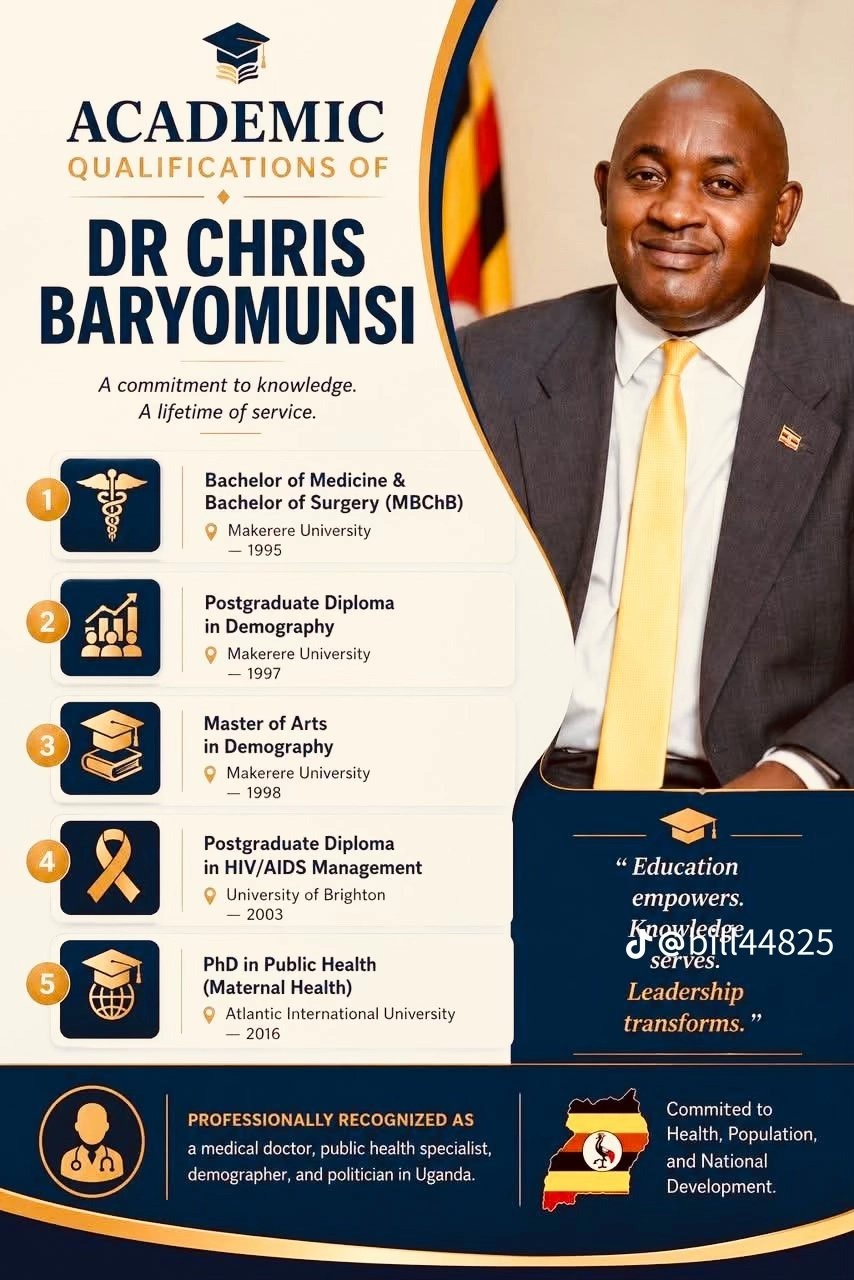
Baryomunsi brings to the position a combination of medical training, public health expertise, legislative experience and political leadership.
A Ugandan physician, public health specialist and demographer, he has more than three decades of experience spanning clinical medicine, international development and public administration.
According to his profile published by Uganda’s Ministry of Health, he holds a Bachelor of Medicine and Bachelor of Surgery degree, a postgraduate diploma in HIV/AIDS management from the University of Brighton in the United Kingdom, postgraduate qualifications in demography, a Master’s degree in Demography from Makerere University and a PhD in Public Health.
His academic background has particularly focused on public health, maternal health, HIV/AIDS and population dynamics.
Before assuming his current ministerial responsibilities, Baryomunsi held several government positions, including Minister of ICT and National Guidance and Minister of State for Housing.
He previously served as State Minister of Health for General Duties between 2015 and 2016, giving him earlier experience within the health ministry before his return to the portfolio in June 2026.
His legislative record also includes involvement in the Prohibition of Female Genital Mutilation Act, 2010, and the Tobacco Control Act, 2014.
The latter earned him recognition from the World Health Organisation for his contribution to tobacco control legislation.
Beyond Uganda, Baryomunsi has held international public health responsibilities, including technical leadership roles with the United Nations Population Fund (UNFPA) and German Technical Cooperation (GTZ).
He also previously served as president of the African Parliamentarians’ Forum on Population and Development, an experience that exposed him to continental discussions on population policy, reproductive health and development.
These experiences could prove valuable in his new assignment, particularly as Africa CDC seeks to strengthen cooperation between national governments, regional institutions and international health partners.
Ugandans welcome appointment
 Baryomunsi’s election has attracted congratulatory messages from Ugandans, with several social media users describing it as an important achievement for the country’s representation in continental affairs.
Among those who congratulated him was Ahumuza Penkson, who referred to the minister as “Emanzi ya Kigezi”, while other users urged him to use the new position to advance practical healthcare reforms.
One social media user, Tumukunde Joshua, appealed to Baryomunsi to advocate for alternative HIV treatment options, particularly long-acting injectable antiretroviral medicines that could reduce the burden of taking daily medication for eligible patients.
The appeal highlights the expectations ordinary citizens have of the minister beyond his new continental responsibilities.
Another user, identified as Glen, sought information about employment opportunities within Africa CDC, while others congratulated Baryomunsi and encouraged him to continue raising Uganda’s profile.
The messages reflect public interest in the potential benefits of having a Ugandan at the helm of the agency’s governing board.
However, the new appointment also comes with considerable expectations. Africa’s public health challenges require more than political commitments, with governments needing to translate continental resolutions into accessible healthcare services, stronger laboratories, adequately staffed hospitals and reliable emergency response systems.
For Uganda, Baryomunsi’s election offers an opportunity to strengthen its participation in continental health diplomacy and contribute to decisions affecting millions of people across Africa. His three-year tenure will be judged not only by the visibility of the position but also by the effectiveness of the institution’s governance, the sustainability of its financing and its ability to help African countries respond more rapidly and independently to public health threats.
Ultimately, Baryomunsi’s new responsibility places him at the intersection of health, diplomacy and continental development, with the challenge of helping transform Africa’s ambition for health sovereignty into tangible improvements in the lives of its people.
Author Profile
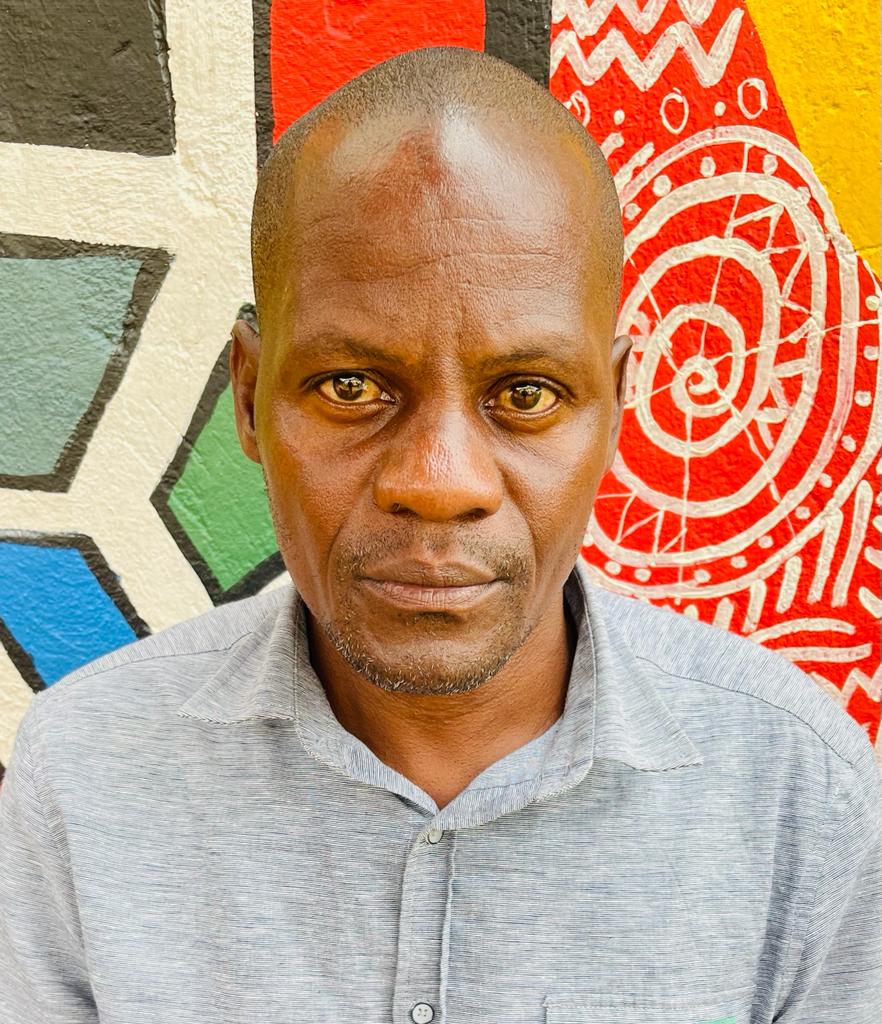
- Mr. Stephen Kasozi Muwambi is a seasoned crime investigative writer, majoring in judicial-based stories. His two decades’ experience as a senior investigative journalist has made him one of the best to reckon on in Uganda. He can also be reached via [email protected]
Latest entries
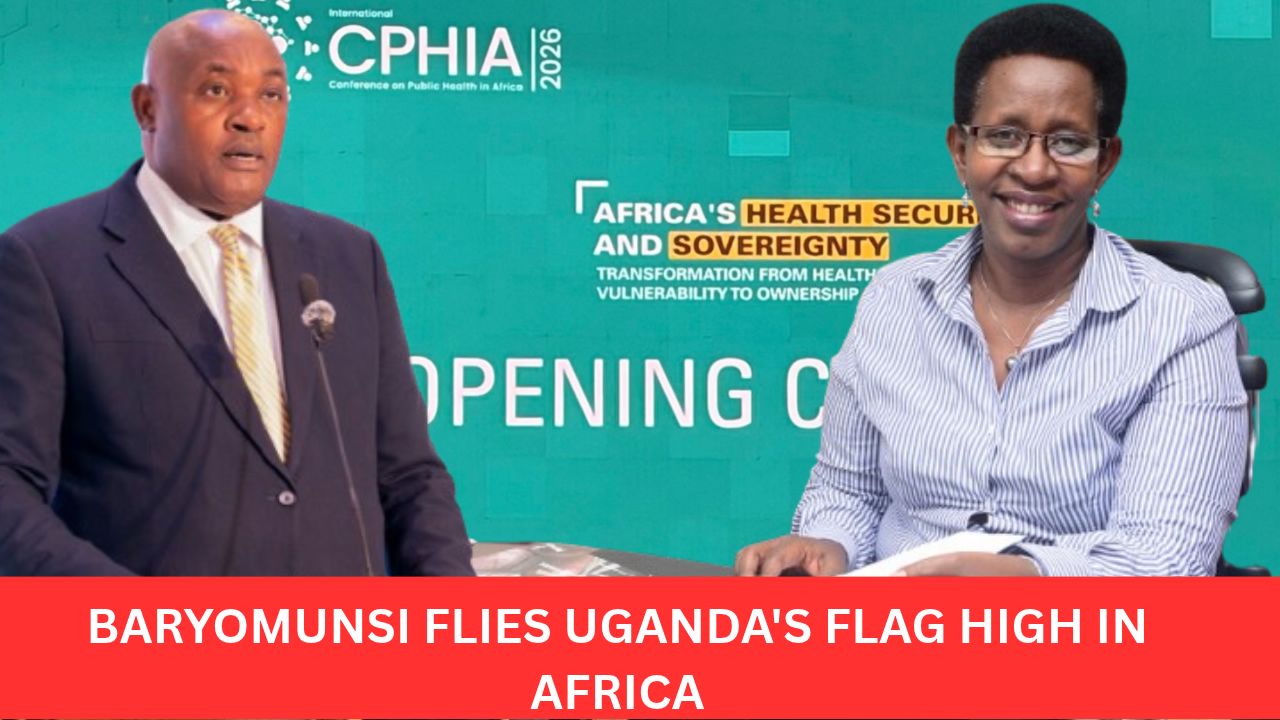 FeaturedNovember 23, 2026BARYOMUNSI GETS THREE YEARS TO FIX AFRICA’S HEALTH CRISIS: Newly Elected Africa CDC Board Chairman Faces Mounting Pressure To Strengthen Disease Preparedness, Boost Local Vaccine Production And Reduce The Continent’s Dependence On Foreign Medical Supplies
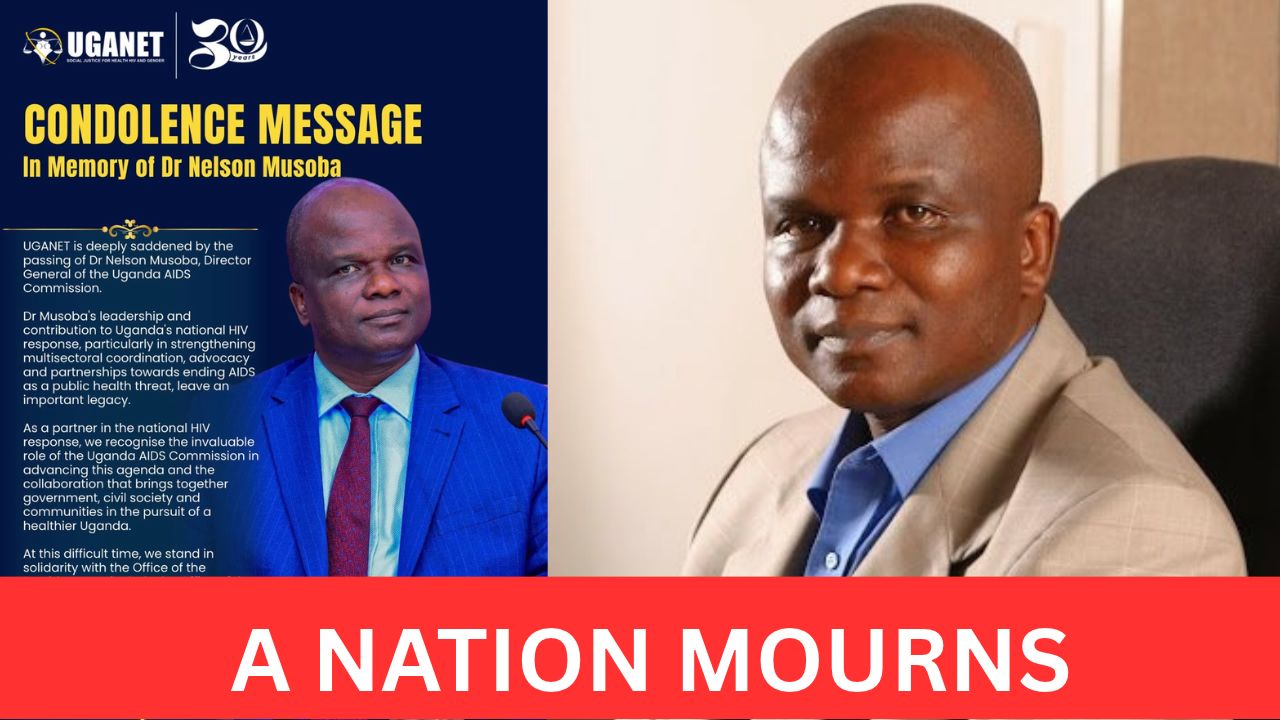 FeaturedNovember 23, 2026DR MUSOBA’S FINAL BATTLE: From Public Health Advocacy And Ministry Of Health Planning To Leading The Uganda AIDS Commission, Musoba Devoted More Than Two Decades To Strengthening Uganda’s Fight Against HIV/AIDS, Leaving Behind A Legacy Of Leadership, Partnerships And National Service
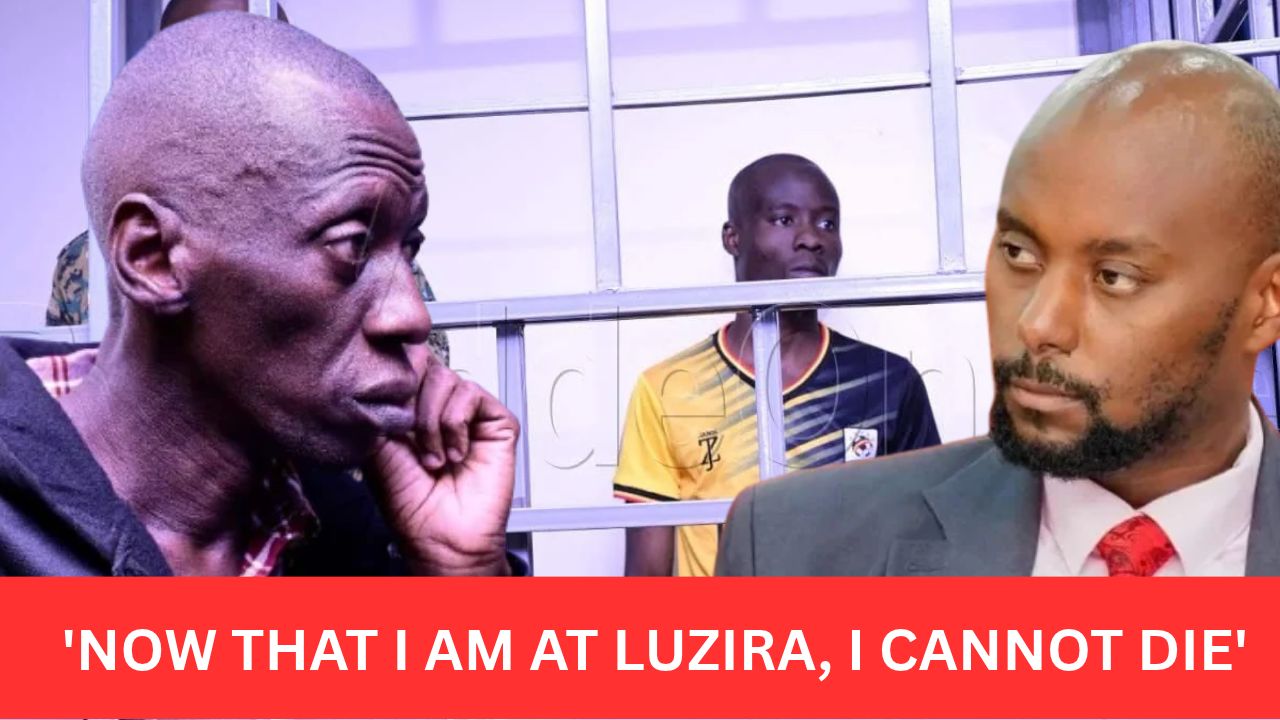 FeaturedNovember 20, 2026INSIDE MUGUMYA’S WORLD OF DARKNESS: How 449 Days in Secret Detention Left Activist Unaware of Besigye’s Imprisonment and Lukwago’s Arrest
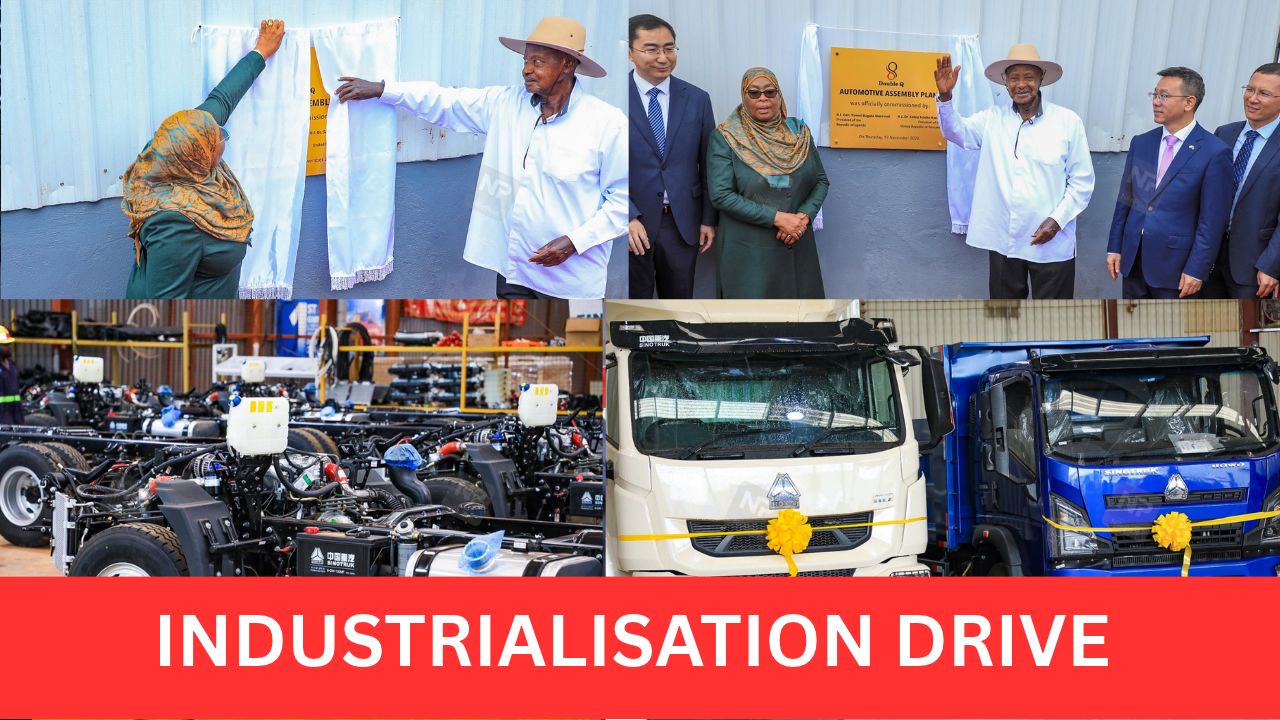 FeaturedNovember 19, 2026MADE IN UGANDA SINO-TRUCKS: The 45-acre Double Q Assembly Complex In Nakirebe Is Assembling Hundreds Of Sinotruk Trucks, With Ambitions To Boost Local Manufacturing, Create Jobs And Strengthen Uganda-Tanzania Trade