






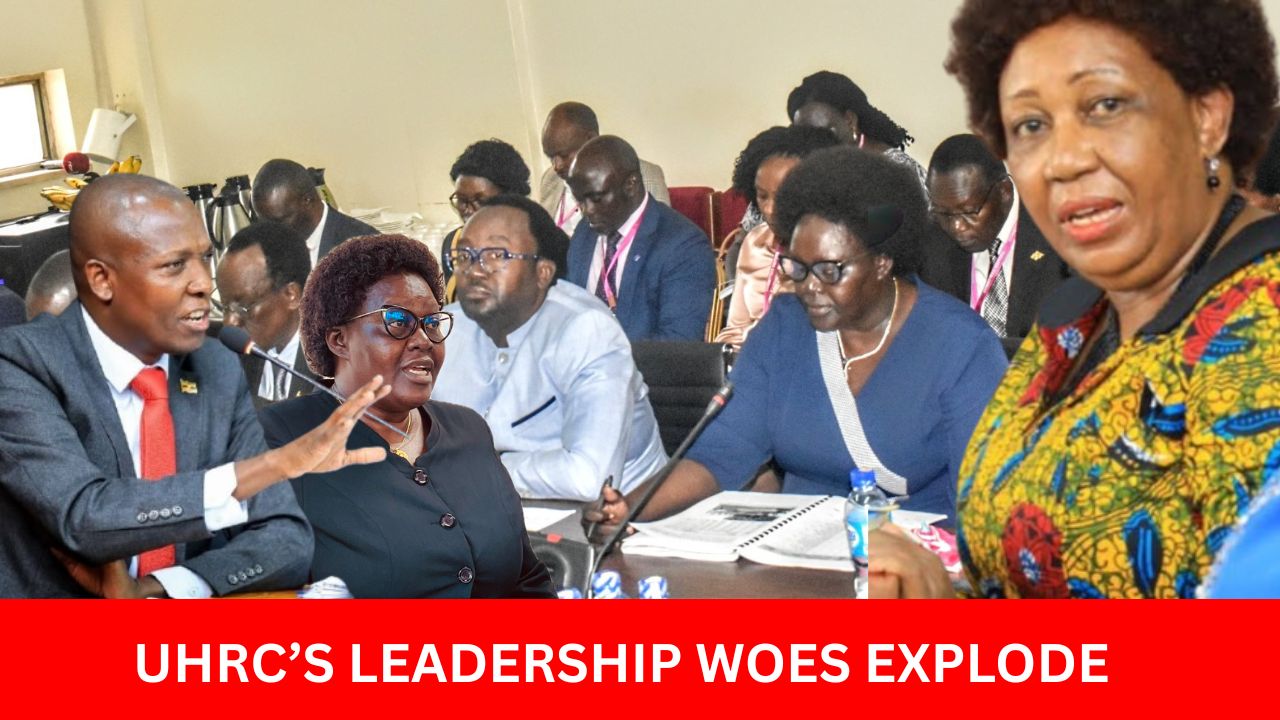
Former Uganda Human Rights Commission (UHRC) Secretary and Accounting Officer Margaret Lucy Ejang has accused the commission’s chairperson, Mariam Wangadya, of compelling her to pay a monthly honorarium of Shs5 million despite Wangadya already receiving a salary from the commission.
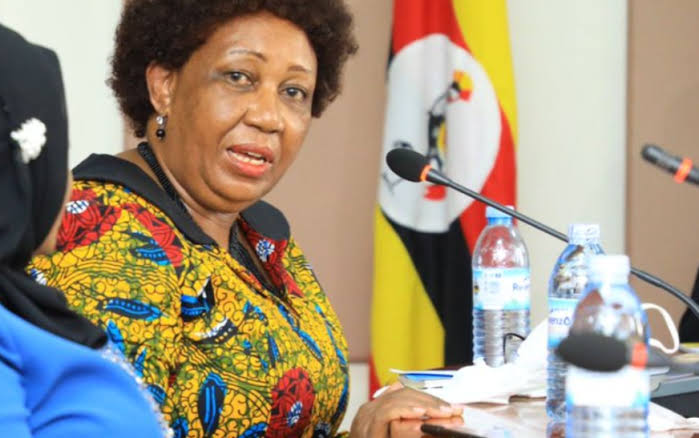
Ejang made the explosive allegations before Parliament’s Committee on Commissions, Statutory Authorities and State Enterprises (COSASE), where she had been summoned to explain financial irregularities contained in the Auditor General’s report on the human rights body.
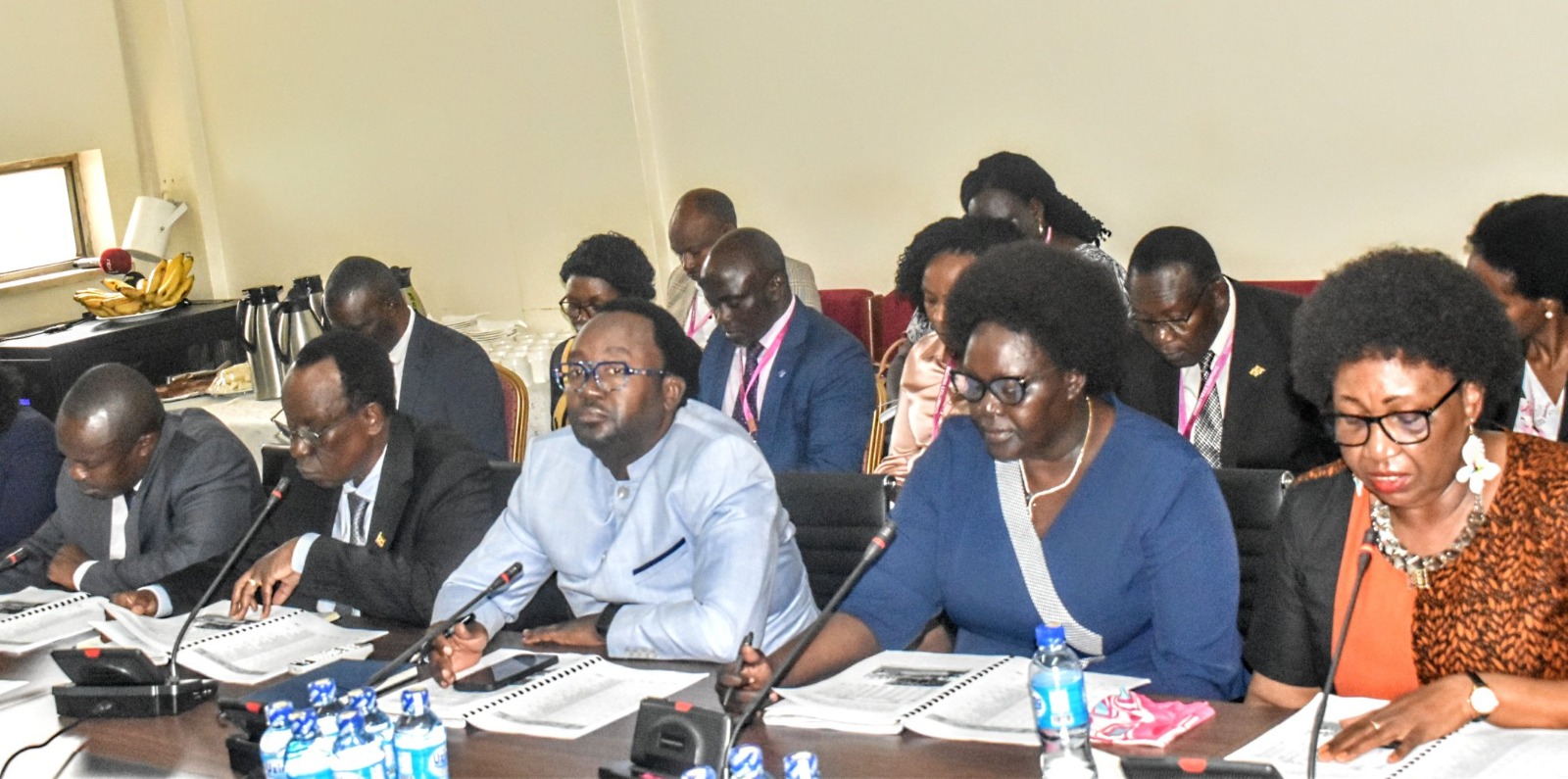
Her appearance before the committee has opened another chapter in the long-running leadership and accountability problems at UHRC, an institution constitutionally mandated to protect and promote human rights in Uganda. Ejang was specifically questioned over Shs70 million reportedly spent on furniture, expenditure that the Auditor General flagged for lacking the necessary procurement approvals.
However, instead of limiting her testimony to the disputed expenditure, Ejang used the opportunity to raise concerns about the conduct of senior officials at the commission, including Wangadya. She told lawmakers that she had been under pressure and feared for her safety following what she described as threats from some members of the commission. Ejang’s allegations have now placed the UHRC’s internal management, financial controls and relations between commissioners and its administrative leadership under fresh parliamentary scrutiny.
Shs5m monthly demand
According to Ejang, Wangadya demanded a monthly honorarium of Shs5 million from the commission even though she was already a salaried official. The allegation is likely to attract significant attention because COSASE is investigating how public resources have been authorised and spent at the commission, particularly amid questions over whether expenditures complied with approved procedures. Ejang presented herself to the committee as an officer caught between competing demands from the commission’s leadership and the requirements of public financial management.
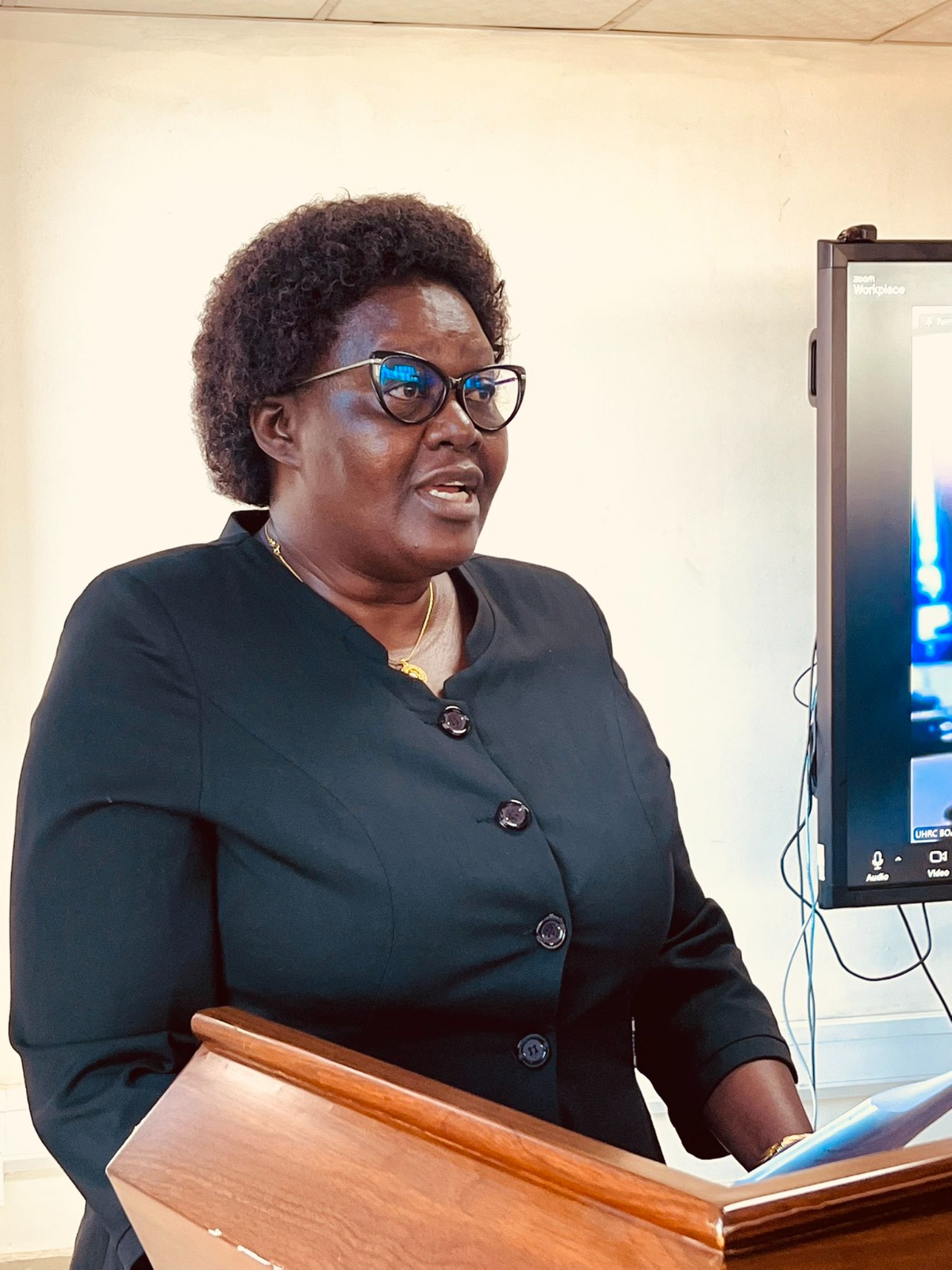 She maintained that some of the decisions she was being asked to implement raised questions about accountability and that her resistance to certain actions contributed to the tensions within the institution. The former accounting officer also told lawmakers that she had become concerned about her personal security. “I fear for my life,” Ejang told the committee, according to the account presented during the hearing.
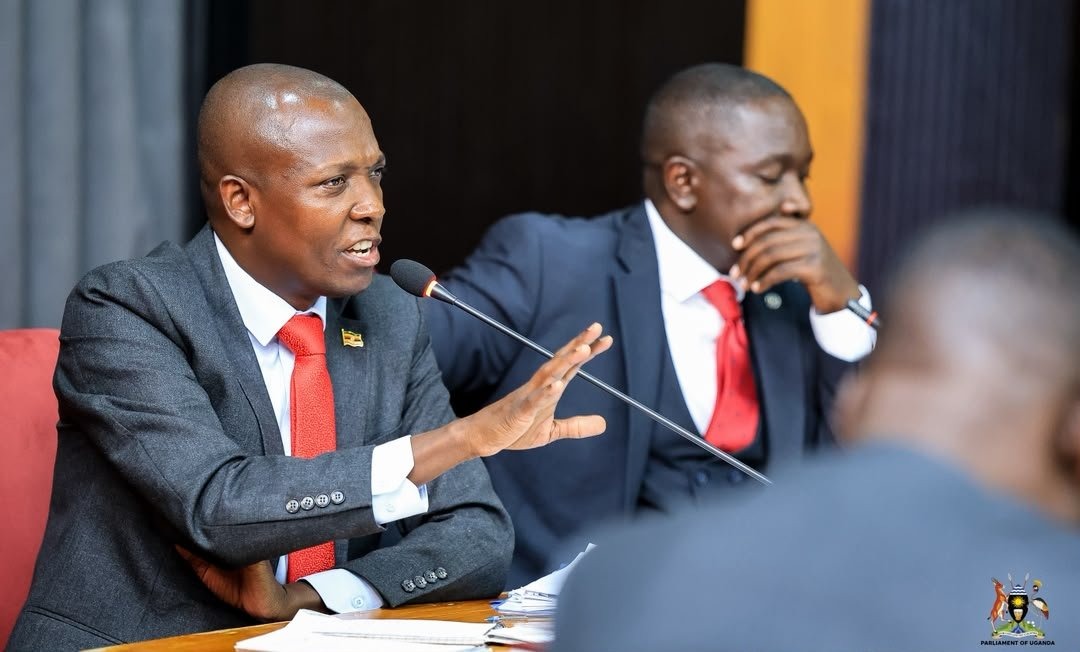
Her statement prompted COSASE leadership to assure her that Parliament would provide protection as she continued to give evidence. The committee chairman, Muwada Nkunyingi, said Parliament would not allow a witness appearing before COSASE to be intimidated because of testimony concerning public resources.
Nkunyingi said the committee would ensure that Ejang was protected as it pursued the issues raised in the Auditor General’s report and the allegations emerging from the hearing. The intervention underscores the seriousness with which lawmakers are treating the former accounting officer’s claims.
COSASE probes Shs70m furniture expenditure
Ejang had been summoned primarily to explain the circumstances surrounding expenditure of more than Shs70 million on furniture at UHRC. The Auditor General questioned the expenditure, particularly the apparent absence of the required procurement approvals. The committee wanted to establish who authorised the spending, why the procurement procedures were not followed and whether the furniture was properly procured and accounted for.
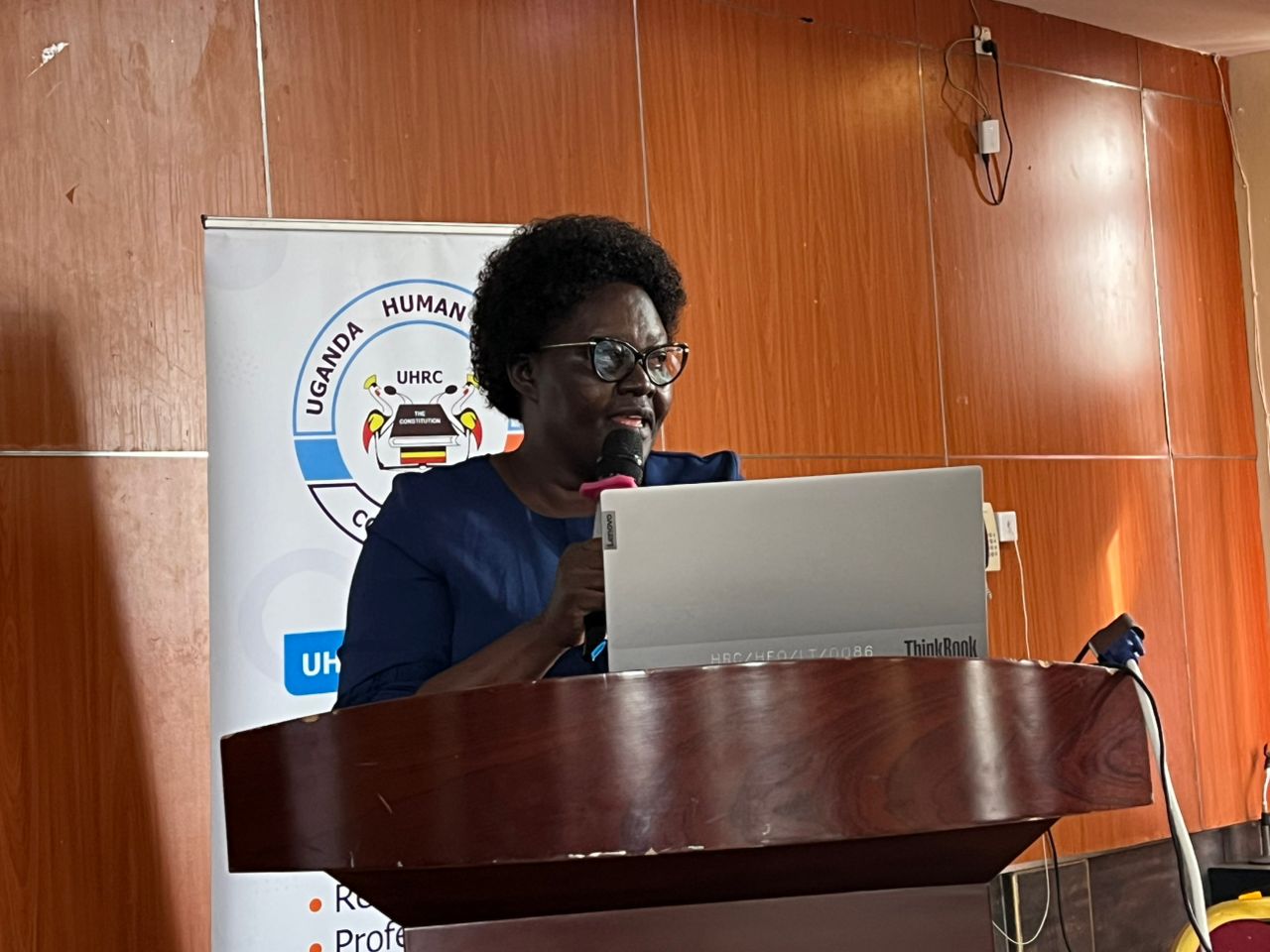
As the accounting officer at the time, Ejang was expected to provide explanations on the financial transactions and the controls in place when the expenditure was incurred. Her appearance, however, evolved into a wider examination of the relationship between the commission’s administrative and political leadership.
Ejang’s evidence suggested that financial management at UHRC cannot be examined in isolation from the power struggles and disagreements that have characterised the institution. The committee is expected to examine documents, correspondence and authorisation records to establish responsibility for the disputed expenditures.
UHRC leadership woes
The latest allegations add to a history of leadership tensions that have periodically engulfed the Uganda Human Rights Commission. UHRC is one of Uganda’s key constitutional bodies and is expected to operate independently while holding government institutions accountable for human rights violations. Its leadership structure brings together commissioners responsible for the commission’s mandate and a secretariat responsible for implementing decisions and managing the institution’s administrative affairs.
That arrangement can become complicated when commissioners and senior administrators disagree over financial decisions, procurement, staffing or the interpretation of the commission’s mandate. Over the years, UHRC has faced questions surrounding disagreements among its leaders, administrative disputes and concerns over the management of public funds.
The latest parliamentary inquiry has therefore revived broader questions about whether the commission has adequate internal mechanisms for resolving disputes and enforcing accountability. At the centre of the current controversy is the relationship between the commissioners and the secretariat, particularly the extent to which the accounting officer can resist instructions that they consider inconsistent with financial regulations. Ejang’s testimony suggests that those tensions may have become particularly acute during her tenure.
A wider accountability question
The allegations against Wangadya remain claims made before Parliament and require verification through documentary evidence and responses from the chairperson and other officials implicated. The Shs5 million monthly honorarium allegation, in particular, raises questions about the legal basis for such payments, who authorised them, how they were recorded in the commission’s books and whether they were consistent with government remuneration guidelines.
COSASE is expected to establish whether the payments occurred and, if so, under what authority. The committee will also have to determine whether the disputed furniture expenditure represented an isolated procurement failure or was part of broader weaknesses in financial controls at UHRC. For lawmakers, the central issue is not merely whether money was spent, but whether public funds were committed through lawful, transparent and accountable processes.
Nkunyingi’s decision to offer protection to Ejang indicates that COSASE intends to pursue the allegations without allowing intimidation or fear to undermine the inquiry. The chairman has previously emphasised the committee’s responsibility to hold public institutions accountable, and the UHRC investigation provides another test of Parliament’s oversight role.
Ejang’s testimony opens new front
For Ejang, the COSASE hearing provided an opportunity to explain her role in the transactions while also placing on record what she says were pressures exerted by the commission’s leadership.
Her testimony has consequently transformed what began as an inquiry into Shs70 million worth of furniture into a broader investigation into leadership, financial management and alleged abuse of authority at one of Uganda’s most important constitutional institutions. The committee will now have to reconcile Ejang’s account with evidence from Wangadya, other commissioners and officials who were involved in the disputed transactions.
It will also have to determine whether the threats Ejang claims to have received can be substantiated and whether they were connected to her refusal to implement particular decisions. The outcome could have implications beyond the individuals involved. If COSASE establishes that public funds were improperly spent or that officials were subjected to intimidation for questioning questionable financial decisions, Parliament could recommend disciplinary, administrative or other appropriate action. For UHRC, the controversy comes at a particularly sensitive time.
An institution established to defend citizens against abuse of power must itself demonstrate the highest standards of transparency, integrity and respect for institutional accountability. The allegations made by Ejang have therefore placed the commission’s leadership under renewed scrutiny.
As COSASE continues its investigation, the central question will be whether the problems at UHRC are isolated disputes between individual officials or symptoms of deeper weaknesses in the commission’s governance and financial management. Whatever the outcome, Ejang’s testimony has ensured that the commission’s internal leadership struggles and financial controls will remain firmly on Parliament’s agenda.
Author Profile
- Mr. Stephen Kasozi Muwambi is a seasoned crime investigative writer, majoring in judicial-based stories. His two decades’ experience as a senior investigative journalist has made him one of the best to reckon on in Uganda. He can also be reached via [email protected]
Latest entries
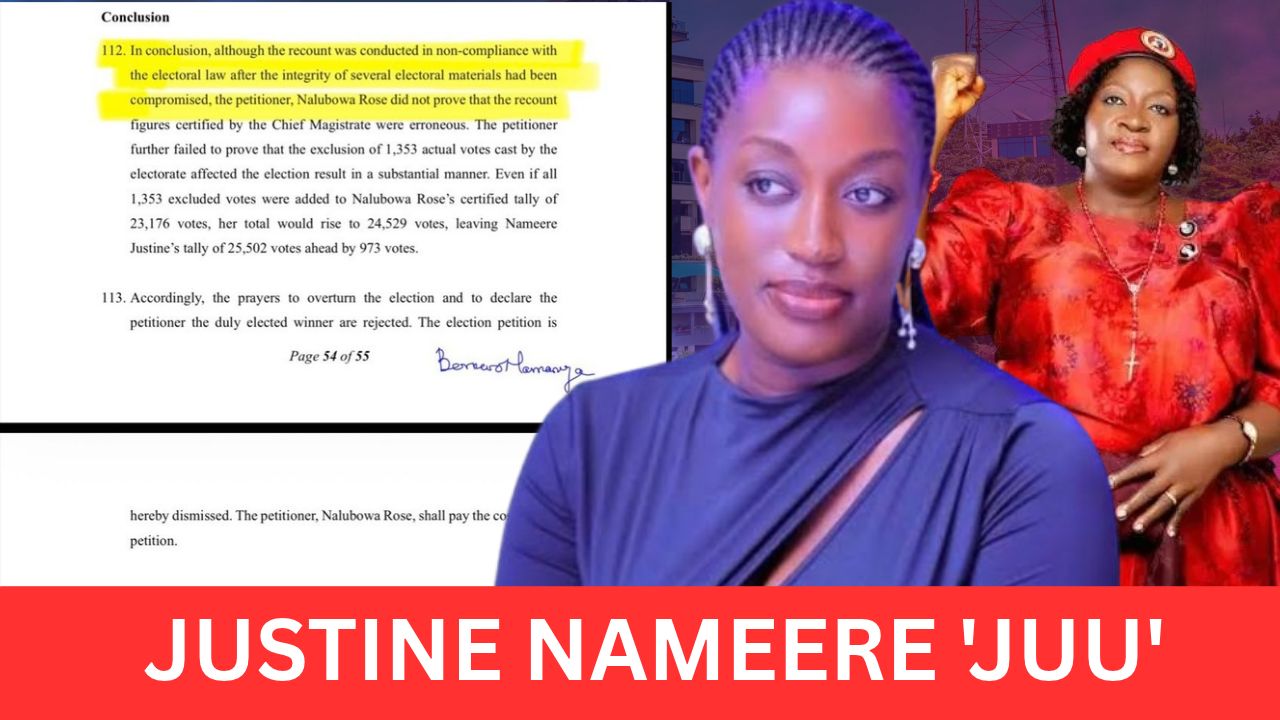 FeaturedOctober 21, 2026NAMEERE RETAINS MASAKA CITY SEAT: High Court Dismisses Nalubowa’s Election Petition, Ruling That Recount Irregularities Did Not Substantially Alter The Final Result
 FeaturedOctober 20, 2026VETERAN JOURNALIST KASYATE JOINS OPM: Simon Kasyate Moves Back Into Government Communications After Years In Journalism, Corporate Affairs And Public Relations, Including A Senior Role At KCCA
 FeaturedOctober 19, 2026BILLIONS LOST, INVESTORS DUPED, GOLD TRADE UNDER SCRUTINY: A City Pastor’s Arrest Over An Alleged Shs2.9b Fraud Involving American Investors Adds To A String Of High-Profile Gold Scams Threatening Uganda’s Investment Reputation
 FeaturedOctober 17, 2026THREE VETO POWERS THREATEN OTUNNU’S UN BID: With Three Of The Five Permanent Members Reportedly Against Him, Otunnu Must Win Over Powerful Opponents Or Risk Seeing His Campaign Collapse Before The Final Selection