




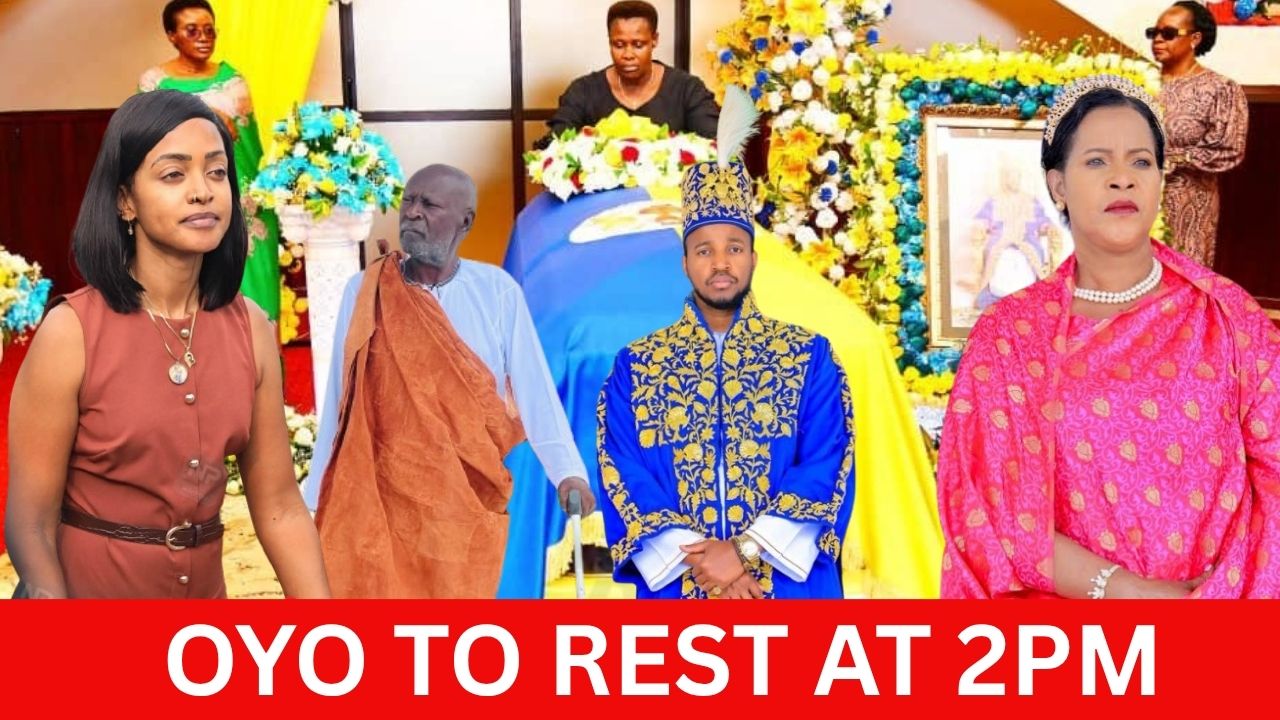


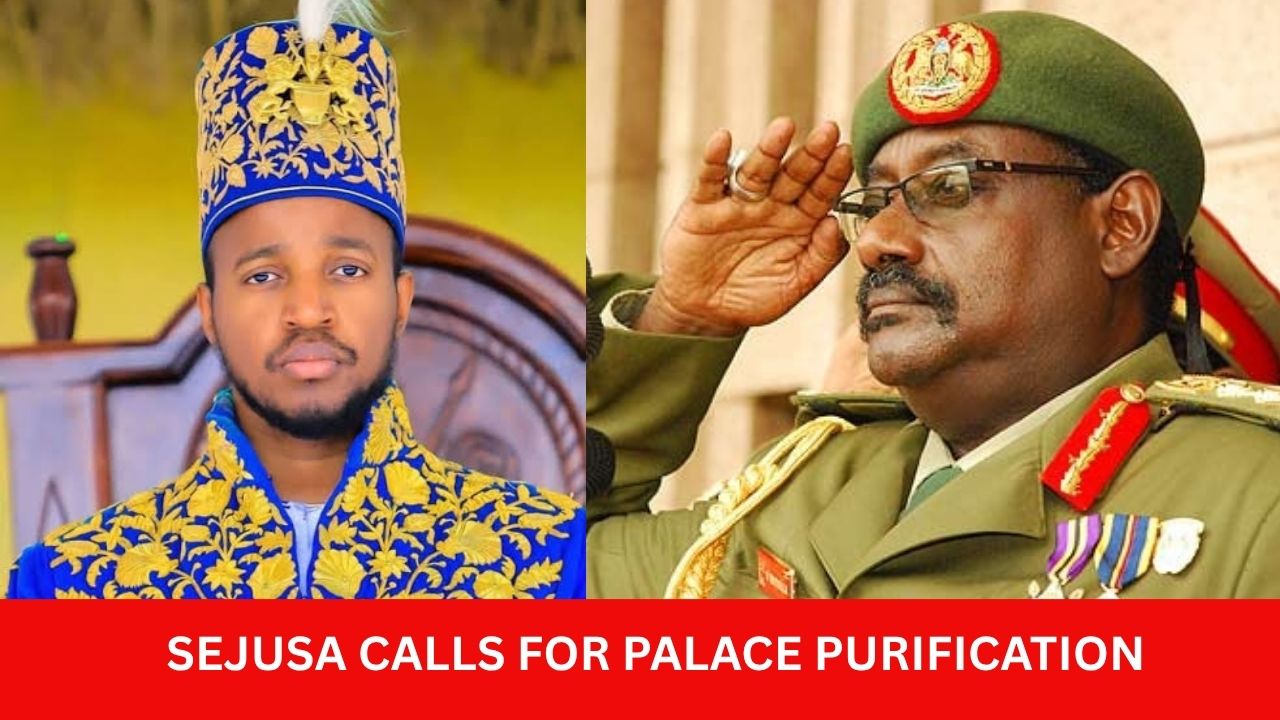
Gen. David Sejusa has advised Queen Mother Best Kemigisha and Tooro Kingdom officials to undertake extensive traditional spiritual and purification rites following the death of Omukama Oyo Nyimba Kabamba Iguru Rukidi IV. In a detailed account of what he describes as the traditional protocols of the Bateembuzi-Bachwezi, Sejusa says the current situation in Tooro requires more than the ordinary mourning rituals normally performed following the death of a king.
He describes the condition as Obwirirane, a term he links to okwira or darkness, saying it denotes successive nights in which daylight does not appear. According to his interpretation, Obwiriraneis more serious than Obuguute or Emirwa and requires extensive spiritual intervention to restore equilibrium in the kingdom. Sejusa says the purification rites should cover four major areas: the entire kingdom, the Royal Court, the Queen Mother and the new king. He argues that the objective should be to banish what he calls the “death-shadow” hovering over the Royal Court and restore what traditional beliefs regard as the kingdom’s cosmological balance.
Kingdom-wide cleansing
Sejusa says he is aware that some traditional rites are already being observed in Tooro, including okujumuka amacumu, the use of drums and the suspension of sexual intimacy in households during the mourning period. However, he argues that these measures alone are insufficient because they are also performed during ordinary royal mourning, even when there is no condition such as Obwirirane or Emirwa.
For a situation he considers more serious, Sejusa says traditional protocols require additional measures involving heads of families across Tooro. He says male heads of households would traditionally shave their heads, slaughter their main bull, known as Engundu, and take milk in an ekyanzifrom a cow that has produced for the first time to the Royal Court, or Ekaari.
According to Sejusa, these practices would be performed in addition to the rituals already being observed. His argument is that a spiritual crisis affecting the kingdom cannot be addressed solely within the palace but requires participation from communities and households throughout Tooro.
Rituals at the Royal Court
Sejusa says the Royal Court should also undergo extensive purification. He proposes that both men and women at the Court shave all their hair as part of the cleansing process. He also calls for a significant change in the location of the royal fire, or Orwooto. Instead of being maintained inside the palace, Sejusa says the fire should be lit outside the palace, opposite the main entrance.
He cites what he presents as a historical precedent involving OmuchweziNdahura, following an Obweemeinvolving his grandfather Bukuku. According to Sejusa, the spiritual crisis associated with that episode resulted in members of the Baranziclan fleeing toKaragweand the royal fire being maintained outside the palace throughout Ndahura’s reign.
He argues that the same principle should apply in the present circumstances in Tooro. Sejusa says the Ekyoto, or royal hearth, should remain outside the palace until the new monarch and his diviners determine that the traditional spiritual balance has been restored.
He further describes a nine-day ritual period before the burial of the deceased king, during which a white bull, a white goat and nine coffee berries would be offered daily. He deliberately withholds details concerning how, when and by whom these offerings should be made, saying there are other aspects of the rites that cannot be publicly disclosed.
Queen Mother’s purification
Sejusa says particular attention should be paid to Queen Mother Best Kemigisha because of her position in the royal institution and her close relationship with the deceased king. He says the Omugo, or Queen Mother, would traditionally undergo a purification process involving the shaving of all her hair.
Before the burial of her son, Sejusa says she would also be expected to remove her mourning clothes and have them disposed of by a Court diviner. He says the Queen Mother would then undergo a bathing ritual using specially prepared water, although he deliberately does not disclose its source or composition. According to Sejusa, these rites would mark a transition in the Queen Mother’s role.
He says she would emerge as a Nyangoma, a purified elder and counsellor, and thereafter cease active participation in the day-to-day affairs of the kingdom. He acknowledges that there are other traditional requirements but says he has deliberately avoided detailing them because they could be misunderstood or taken out of context.
New King faces elaborate rites
Sejusa says the most extensive purification process would involve the new king, particularly if the objective is to restore what traditional belief describes as the kingdom’s cosmological equilibrium, or Obugwagye. He refers to a process known as Okuhonga, among other traditional procedures. According to Sejusa, the new king was traditionally prevented from seeing the body of the deceased monarch. Other rites involving milk and the lighting of the royal fire would then be performed after the burial.
The new monarch would also undergo cleansing using specially prepared water and herbs. But Sejusa says there was one particularly important ritual that had to be performed before the royal drums could be sounded. He does not disclose the details of the ritual but insists that its purpose was to restore balance between the earthly and spiritual realms.
“If he doesn’t perform these sacred rites, there would be no balance between the earthly realm and the spiritual realm,” Sejusa argues. He links failure to maintain this balance to the possibility of calamities and disasters, saying traditional accounts associate similar failures with the downfall of the Bachwezi rule. He says there were other important rituals that a new king was traditionally required to perform but does not provide details.
‘Do not mock ancestral traditions’
Sejusa concludes by acknowledging that many of the practices he describes may attract criticism in a predominantly Christian society. He argues, however, that it would be contradictory for people to reject the spiritual traditions of the ancestors while continuing to embrace and venerate the institution of kingship that those same ancestors established.
His argument comes at a sensitive moment for Tooro, as the kingdom prepares for the burial of King Oyo and grapples with questions surrounding mourning, succession and the transition to a new reign. Sejusa’s intervention therefore places traditional spiritual practices at the centre of the debate about how the kingdom should move from the reign of the deceased monarch to that of his successor.
The rites he describes are rooted in traditional Tooro and wider Bantu spiritual beliefs and should be understood in that cultural and historical context. Whether they are formally adopted by the kingdom, however, remains a matter for the recognised custodians of Tooro’s cultural and royal institutions.
Author Profile
- Mr. Stephen Kasozi Muwambi is a seasoned crime investigative writer, majoring in judicial-based stories. His two decades’ experience as a senior investigative journalist has made him one of the best to reckon on in Uganda. He can also be reached via [email protected]
Latest entries
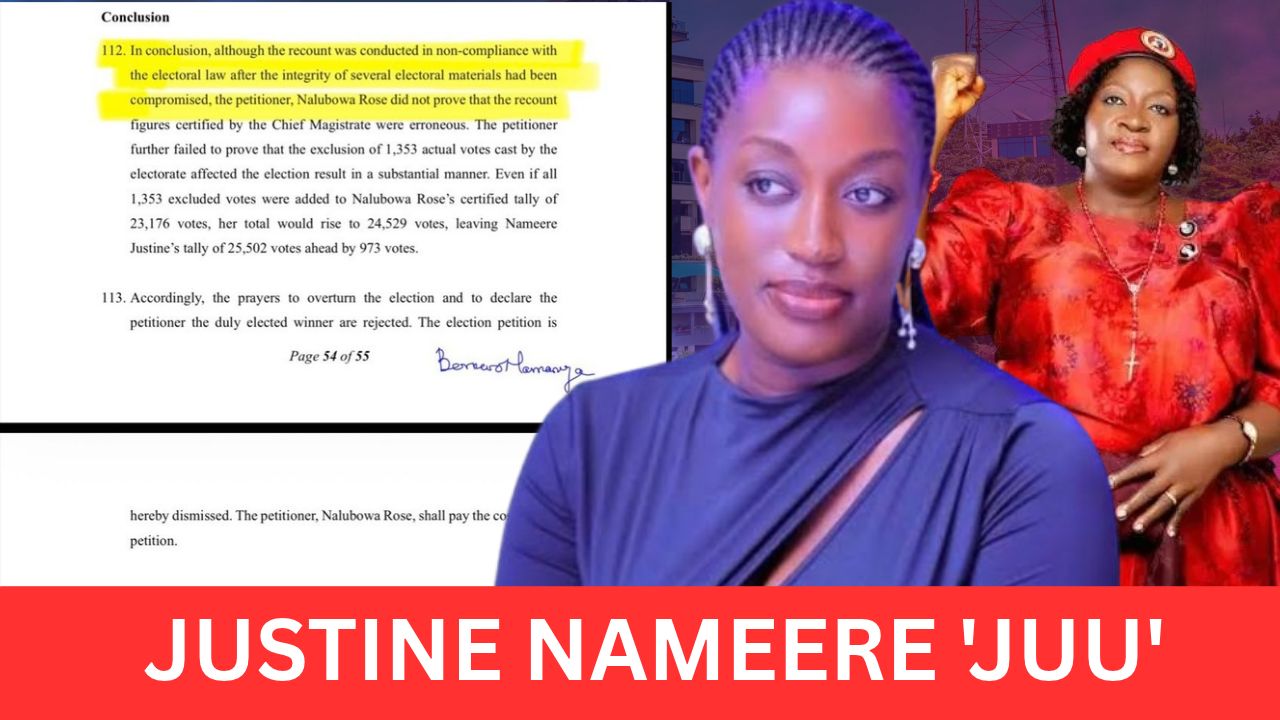 FeaturedOctober 21, 2026NAMEERE RETAINS MASAKA CITY SEAT: High Court Dismisses Nalubowa’s Election Petition, Ruling That Recount Irregularities Did Not Substantially Alter The Final Result
 FeaturedOctober 20, 2026VETERAN JOURNALIST KASYATE JOINS OPM: Simon Kasyate Moves Back Into Government Communications After Years In Journalism, Corporate Affairs And Public Relations, Including A Senior Role At KCCA
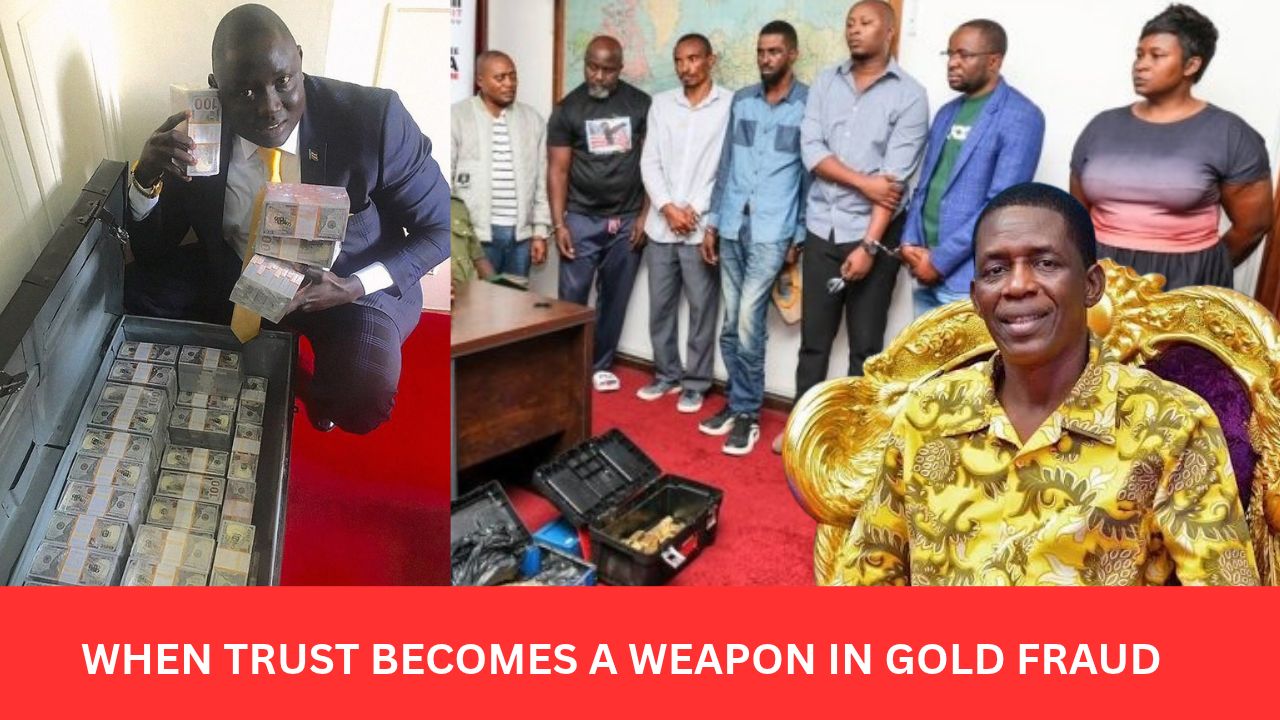 FeaturedOctober 19, 2026BILLIONS LOST, INVESTORS DUPED, GOLD TRADE UNDER SCRUTINY: A City Pastor’s Arrest Over An Alleged Shs2.9b Fraud Involving American Investors Adds To A String Of High-Profile Gold Scams Threatening Uganda’s Investment Reputation
 FeaturedOctober 17, 2026THREE VETO POWERS THREATEN OTUNNU’S UN BID: With Three Of The Five Permanent Members Reportedly Against Him, Otunnu Must Win Over Powerful Opponents Or Risk Seeing His Campaign Collapse Before The Final Selection