







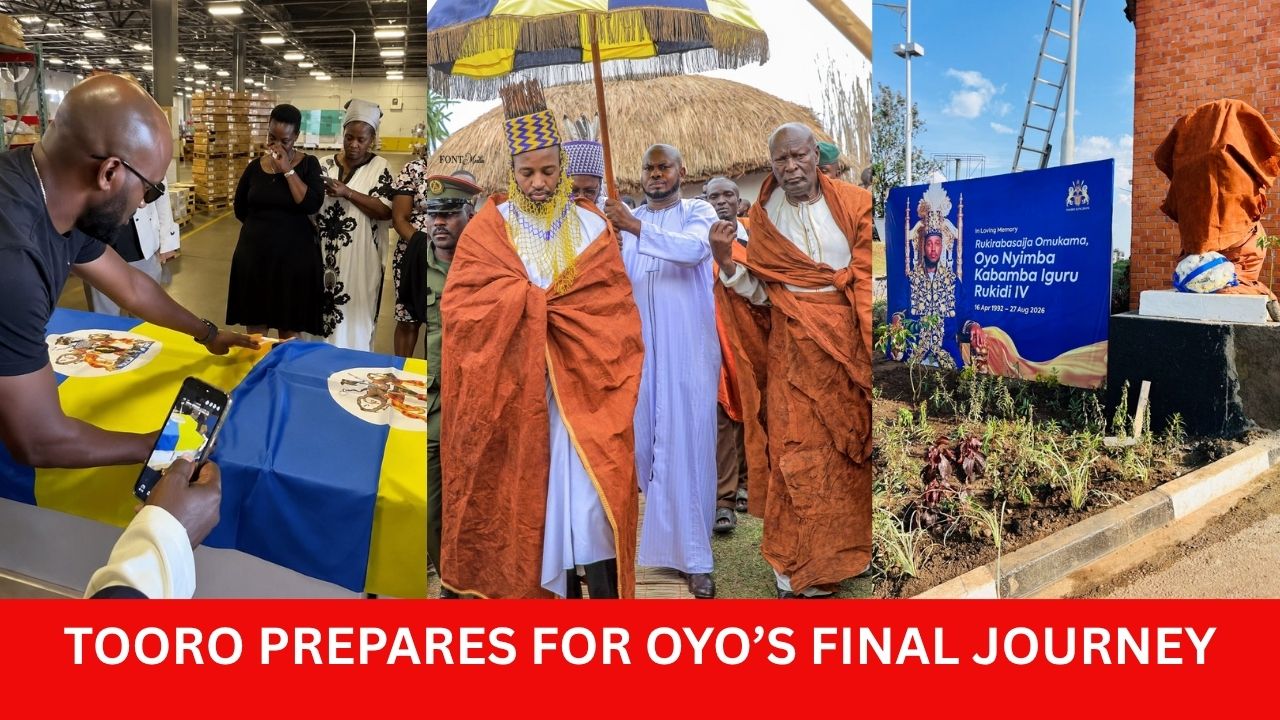
The death of Tooro’s King Oyo Nyimba Kabamba Iguru Rukidi IV has plunged the kingdom into a delicate transition, with preparations for his burial unfolding alongside a growing dispute over succession and the role of President Yoweri Museveni in guiding the process.
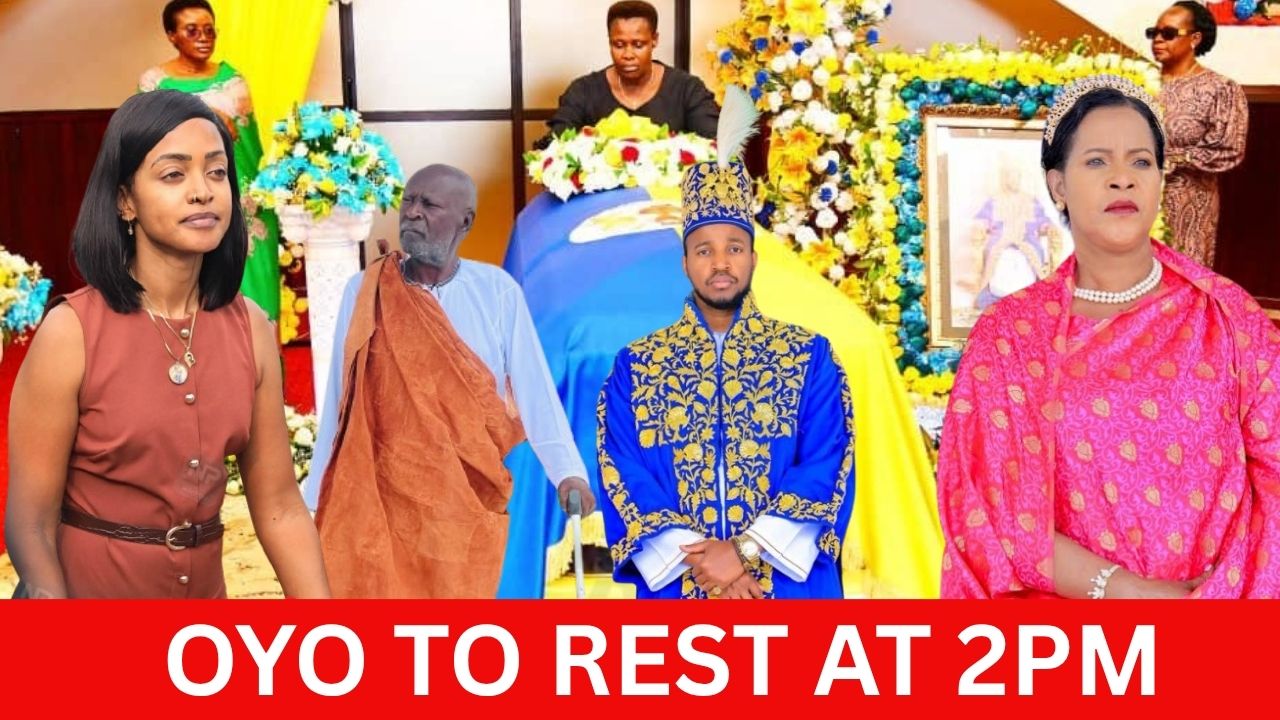
King Oyo, who died in the United States on August 27 at the age of 34, will be buried on September 12, 2026 — exactly 31 years after he ascended the Tooro throne as a three-year-old following the death of his father, King Patrick David Matthew Kaboyo Olimi III.
The date gives the funeral a deeply symbolic dimension, bringing Oyo’s reign full circle at the same time the kingdom begins the difficult task of determining who will occupy the throne.
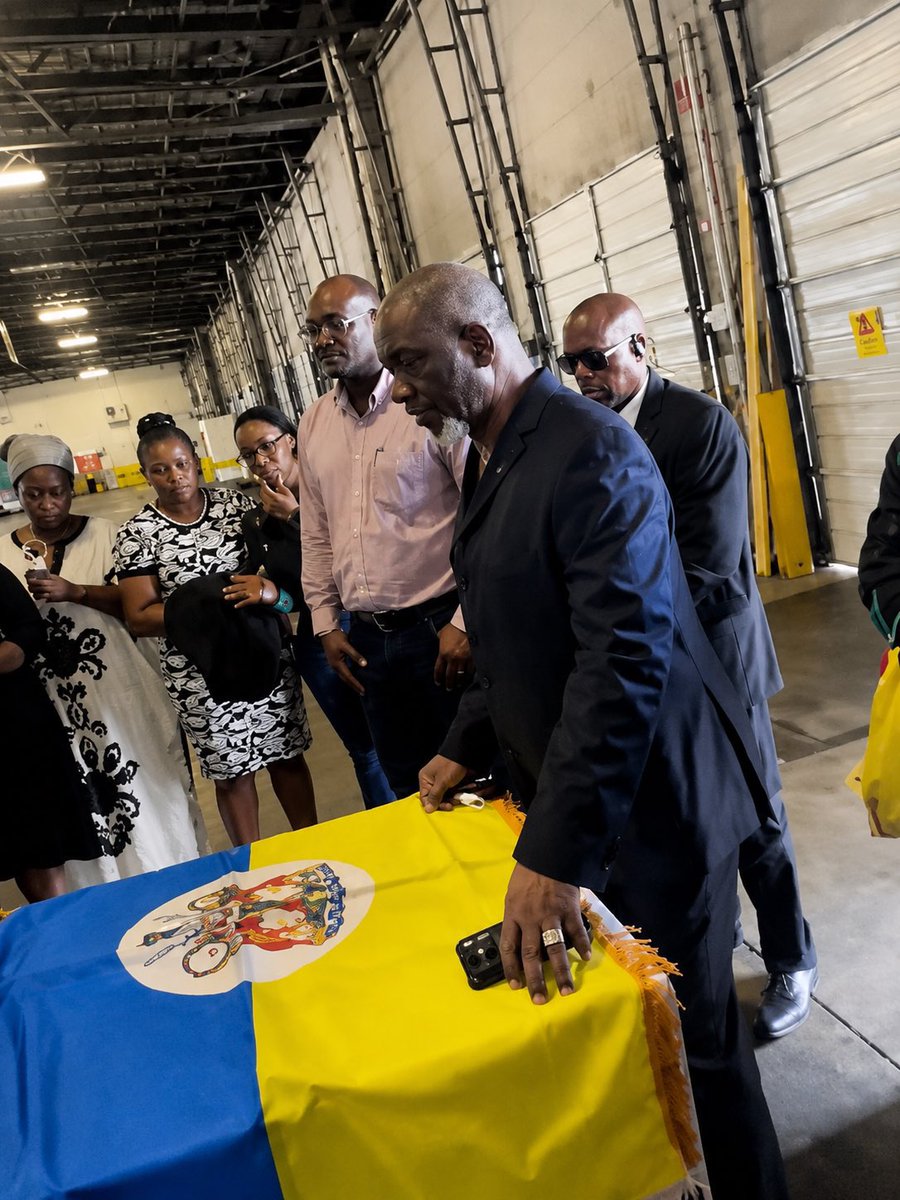
The king’s body has now left the United States and is expected in Uganda on Friday, September 4. At Entebbe International Airport, President Museveni is expected to receive the remains, pay his respects and condole with the royal family before the body is transported towards Tooro. The revised programme indicates that the casket will be taken to Kyegegwa and thereafter proceed by road towards Karuziika Palace in Fort Portal, where the official mourning period will begin.
The funeral arrangements, however, have been overshadowed by the question of succession.
Heir Claim Fuels Dispute
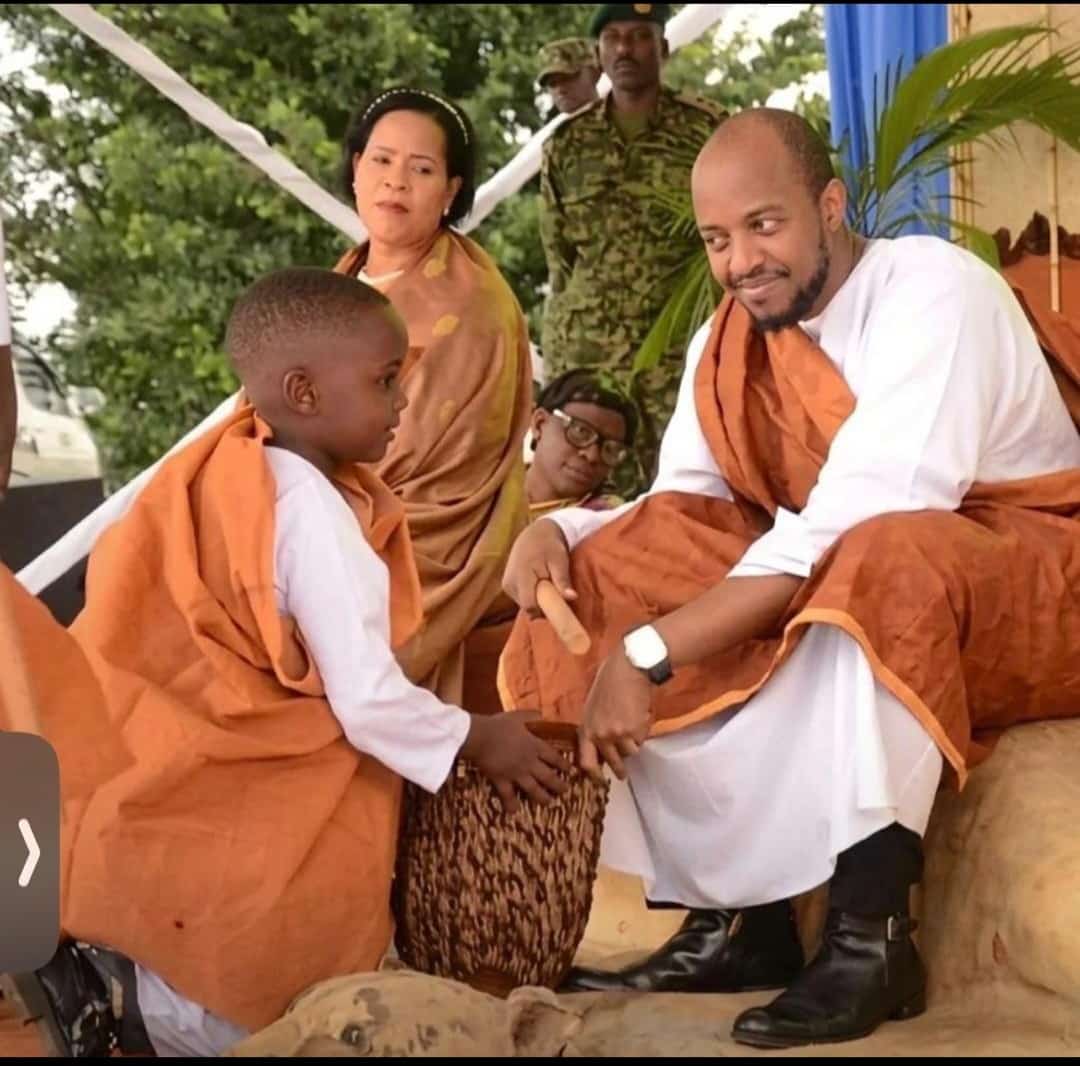
When King Oyo’s death was announced, Tooro Kingdom Prime Minister Calvin Armstrong Rwomiire Akiiki said the late monarch had left behind a prince who would eventually be presented as his heir in accordance with tradition.
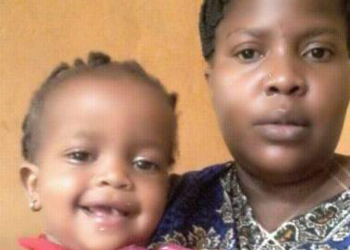
President Museveni subsequently said Queen Mother Best Kemigisa had informed him that the King had left a young son.
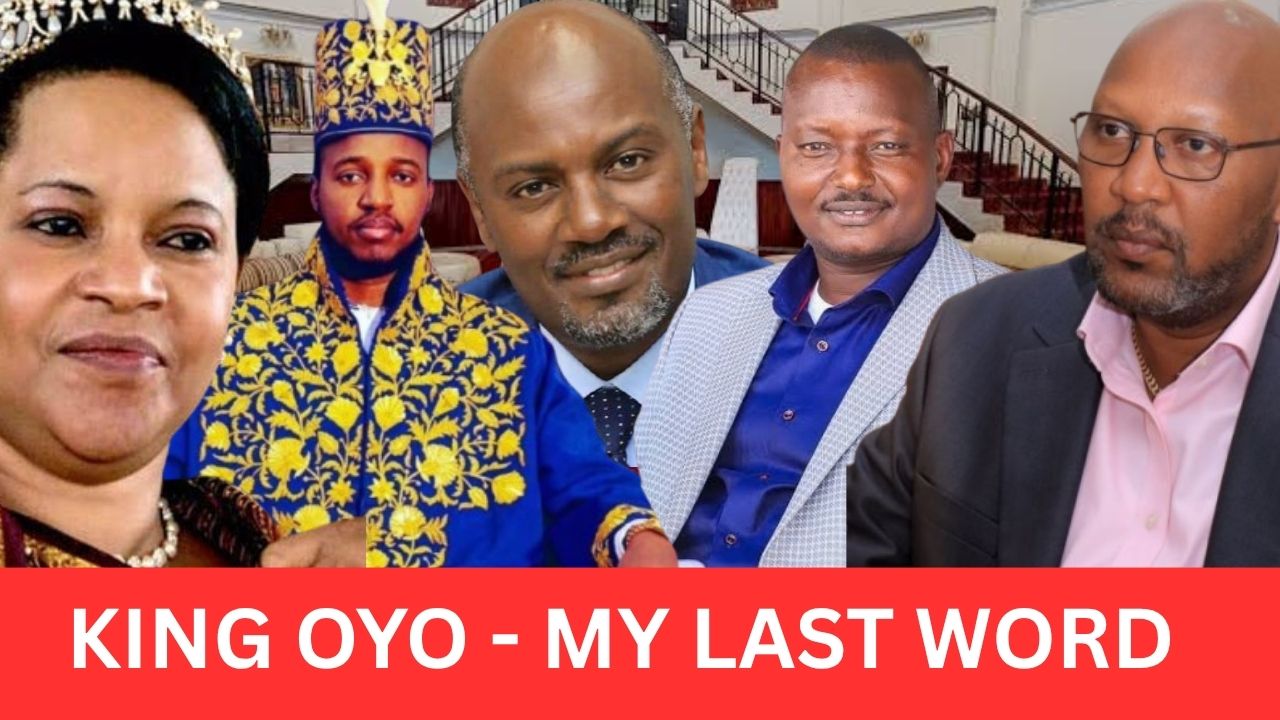
But the claim has been challenged by Omusuuga Charles Kayondo Kamurasi, the head of the Babiito royal clan, who said the royal family had not been informed about the existence of such a child.

That disagreement has transformed what would ordinarily have been a traditional succession process into a potentially complicated contest involving the royal clan, the Kingdom administration, government and possibly the courts.
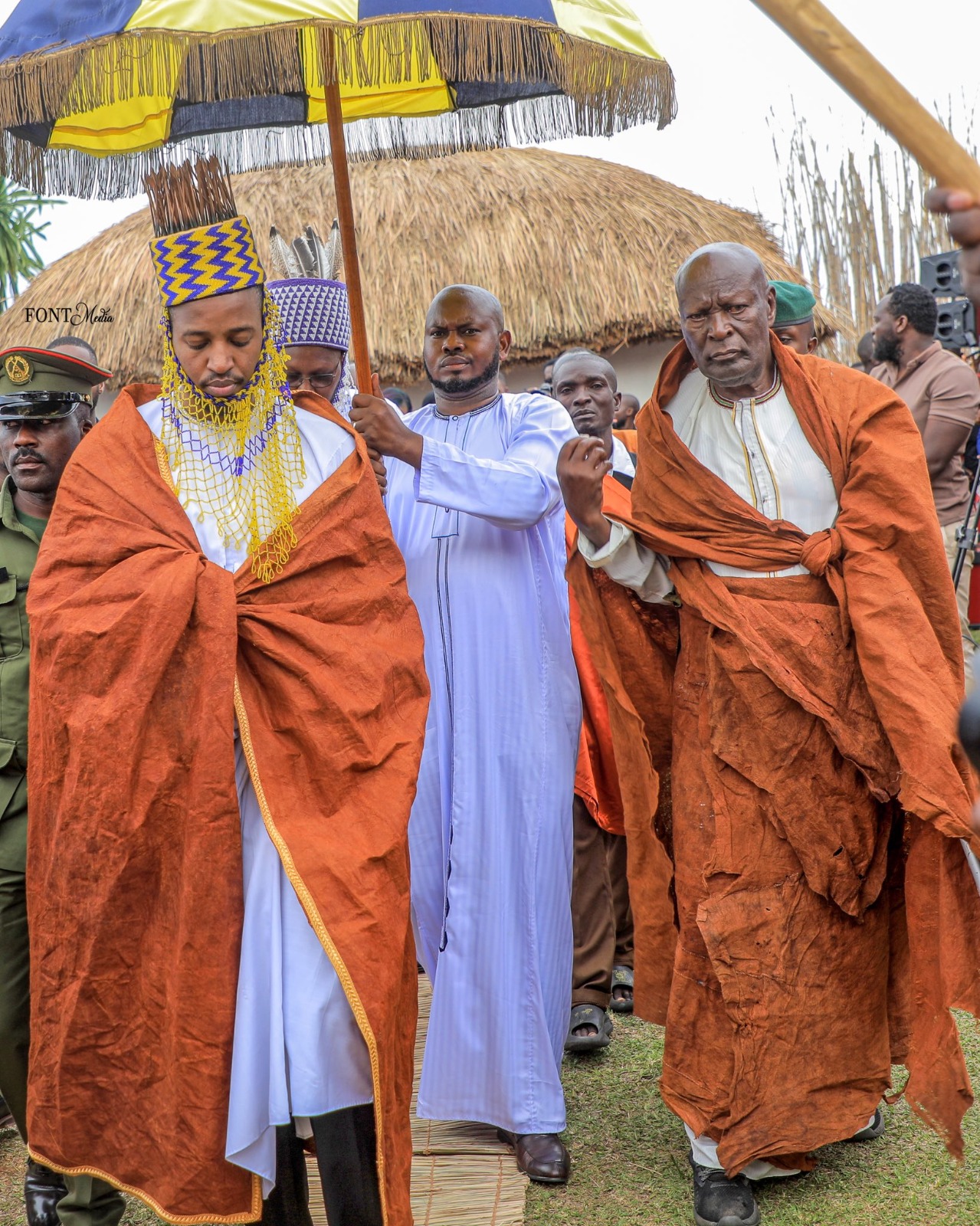
The Babiito have since asserted their traditional role in determining the next Omukama. A 21-member committee of Babiito elders has been constituted to oversee the succession process and identify a suitable successor in accordance with Tooro customs.
The competing positions have raised fundamental questions: Who has the authority to declare an heir? What happens if there is disagreement over the existence or legitimacy of a biological heir? And what role should the government play in resolving a dispute that is primarily cultural?
Museveni’s Role Questioned
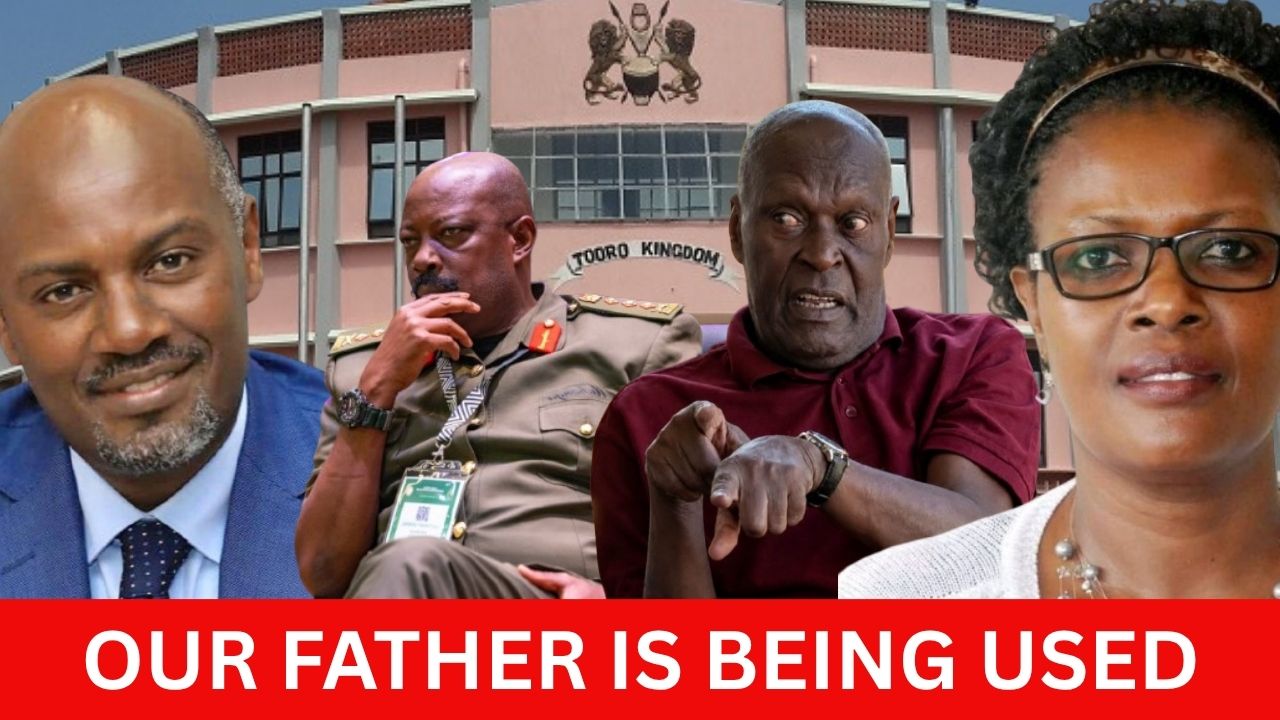
Government’s position has further intensified the debate. Gender, Labour and Social Development Minister Henry Tumukunde said the succession question would be communicated after appropriate guidance from President Museveni and the cultural institution of Tooro.
“The succession matters will be communicated to you when we have got appropriate guidance from the President of Uganda and the cultural institution of Tooro,” Tumukunde said.

Tumukunde also pointed to the Institution of Traditional or Cultural Leaders Act, 2011, saying the government would follow the law in handling the dispute.
The minister urged the public to avoid speculation and warned against relying on unverified information circulating on social media.
Government says any disagreements over the throne must be handled peacefully and in accordance with Tooro customs, traditions and Ugandan law.
But the announcement that Museveni will provide guidance has generated strong reactions, particularly on social media, where some Ugandans have questioned whether the President should have a direct role in the succession of a cultural institution.
One commentator, responding to the debate, asked: “How can the president interfere with cultural norms and traditions?”
Another argued that the President should restrict his role to providing security and financial support rather than determining cultural succession.
Others, however, defended Museveni’s involvement, arguing that the government has a legitimate interest in preventing conflict and ensuring that the transition is conducted peacefully.
One social media user noted that the government had played a role in restoring Uganda’s traditional kingdoms and therefore could not simply ignore disputes that threaten their stability.
Another warned that a poorly handled succession dispute could escalate into bloodshed, arguing that although kingdoms are cultural institutions, they operate within the Republic of Uganda and therefore remain subject to national law.
The reactions underline the central dilemma facing Tooro: where does cultural autonomy end and the responsibility of the state to maintain order begin?
A Kingdom Under Pressure
For Tooro, the dispute comes at an emotionally difficult moment. The official nine-day mourning period will begin once King Oyo’s body arrives at Karuziika Palace. According to the cultural protocols announced by the Kingdom, Karuziika is the official palace and the body should remain there before being taken to the royal tombs at Karambi for burial.
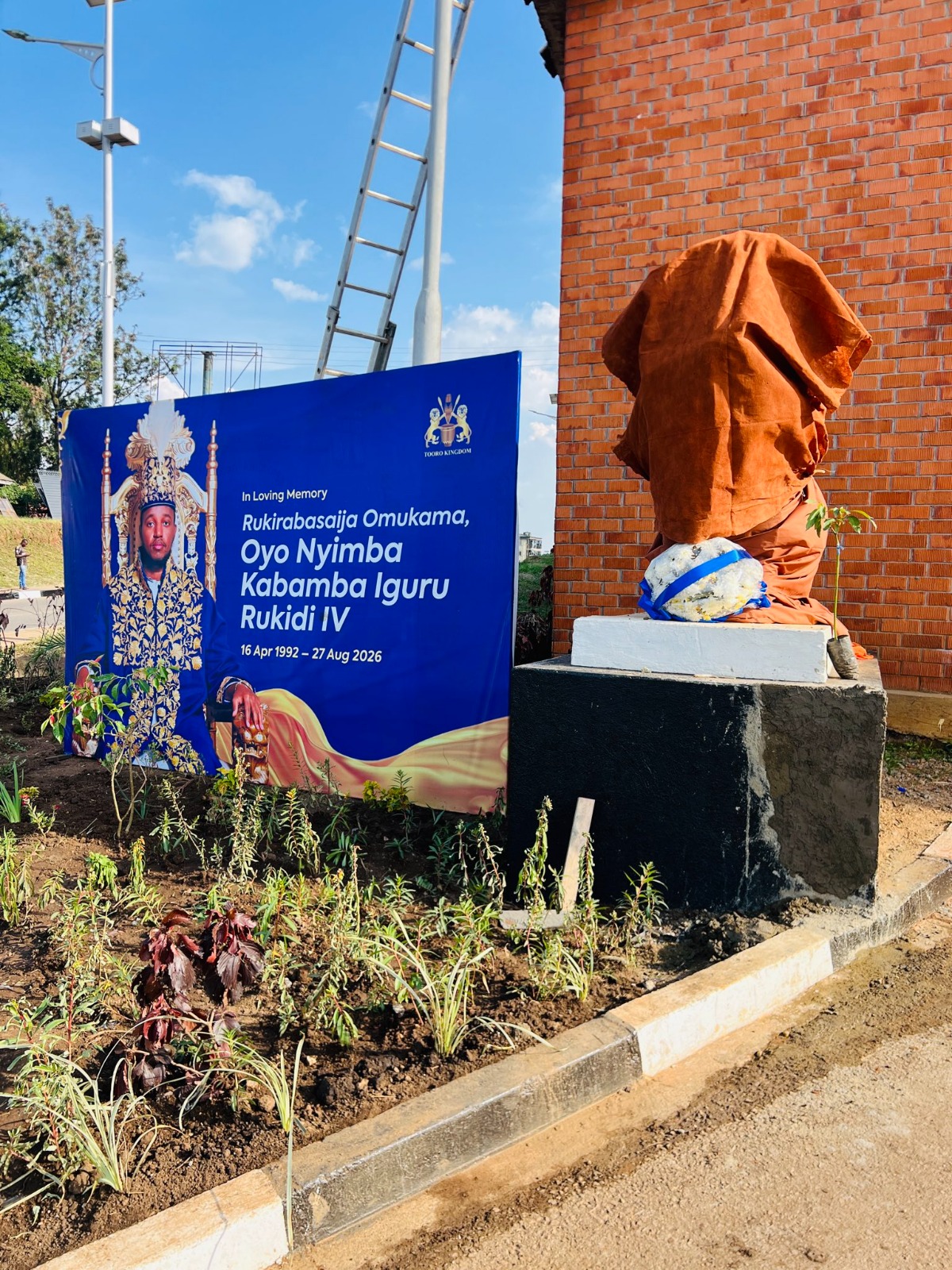
The funeral is expected to attract thousands of Batooro, dignitaries, cultural leaders, government officials and visitors from across Uganda.
It will also be the first major public gathering in Tooro since the succession dispute became prominent.
The September 12 burial is therefore likely to carry significance beyond mourning. It will mark the end of one chapter of Tooro’s history and potentially the beginning of another.
King Oyo’s reign lasted nearly 31 years. He became an international figure after ascending the throne at three and growing into one of Uganda’s most prominent cultural leaders.
During his reign, he promoted youth empowerment, tourism, environmental conservation and cultural preservation. Parliament has also recognised his contribution to Uganda, describing his death as a national loss.
His death at such a young age has consequently left Tooro without the transitional preparation that might have accompanied the eventual retirement or death of an elderly monarch.
Fear Of A Contested Throne
The most sensitive issue remains the reported heir. If the existence of King Oyo’s son is confirmed and the child meets the requirements under Tooro tradition, the succession debate could take one direction.
If the claim is disputed or cannot be verified, the Babiito elders could face the difficult task of identifying another eligible prince.
The possibility of disagreement between the royal clan and Kingdom officials has already raised concerns about whether the succession could become a prolonged dispute.
The government appears conscious of the danger. Tumukunde has called for restraint, stressing that Uganda is being watched as preparations continue for the funeral of a monarch whose story has attracted international attention.
The minister’s message is effectively a warning that the mourning period should not become a platform for political confrontation or competing claims to power.
For many Batooro, however, the issue is larger than personalities. It touches on the authority of the Babiito, the powers of the Kingdom administration, the role of cultural institutions and the constitutional relationship between traditional kingdoms and the Ugandan state.
The Road Ahead
For now, the immediate priority is King Oyo’s final journey. His body is expected to arrive at Entebbe on Friday, where Museveni will receive it before it begins its journey to Tooro. The nine-day mourning period will then provide the Kingdom with an opportunity to honour its fallen monarch.
But behind the mourning ceremonies, a much more consequential process will be taking shape.
 The Babiito elders must reconcile competing claims, the Kingdom administration must maintain unity, and government must determine how far its intervention should go without undermining Tooro’s cultural traditions.
The biggest test will be whether all sides can separate the question of mourning from the question of succession.
King Oyo’s burial on September 12 will close the book on a reign that began when he was a child.
What follows will determine whether Tooro enters its next era united around a new monarch — or whether the uncertainty surrounding Oyo’s successor develops into one of the kingdom’s most serious internal crises in recent history.
Author Profile
- Mr. Stephen Kasozi Muwambi is a seasoned crime investigative writer, majoring in judicial-based stories. His two decades’ experience as a senior investigative journalist has made him one of the best to reckon on in Uganda. He can also be reached via [email protected]
Latest entries
 FeaturedOctober 21, 2026NAMEERE RETAINS MASAKA CITY SEAT: High Court Dismisses Nalubowa’s Election Petition, Ruling That Recount Irregularities Did Not Substantially Alter The Final Result
 FeaturedOctober 20, 2026VETERAN JOURNALIST KASYATE JOINS OPM: Simon Kasyate Moves Back Into Government Communications After Years In Journalism, Corporate Affairs And Public Relations, Including A Senior Role At KCCA
 FeaturedOctober 19, 2026BILLIONS LOST, INVESTORS DUPED, GOLD TRADE UNDER SCRUTINY: A City Pastor’s Arrest Over An Alleged Shs2.9b Fraud Involving American Investors Adds To A String Of High-Profile Gold Scams Threatening Uganda’s Investment Reputation
 FeaturedOctober 17, 2026THREE VETO POWERS THREATEN OTUNNU’S UN BID: With Three Of The Five Permanent Members Reportedly Against Him, Otunnu Must Win Over Powerful Opponents Or Risk Seeing His Campaign Collapse Before The Final Selection