






















Former Internal Affairs minister Maj Gen (Rtd) Kahinda Otafiire has questioned the effectiveness and value for money of Uganda’s Intelligent Transport Monitoring System (ITMS), challenging claims that the digital number plates can reliably help security agencies track vehicles involved in crime.
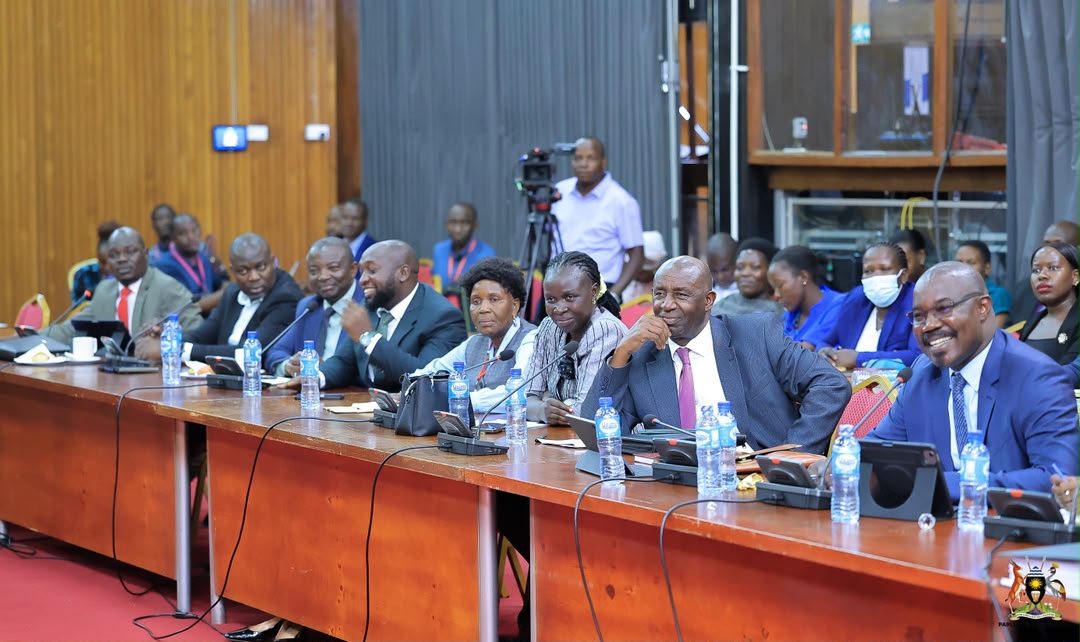
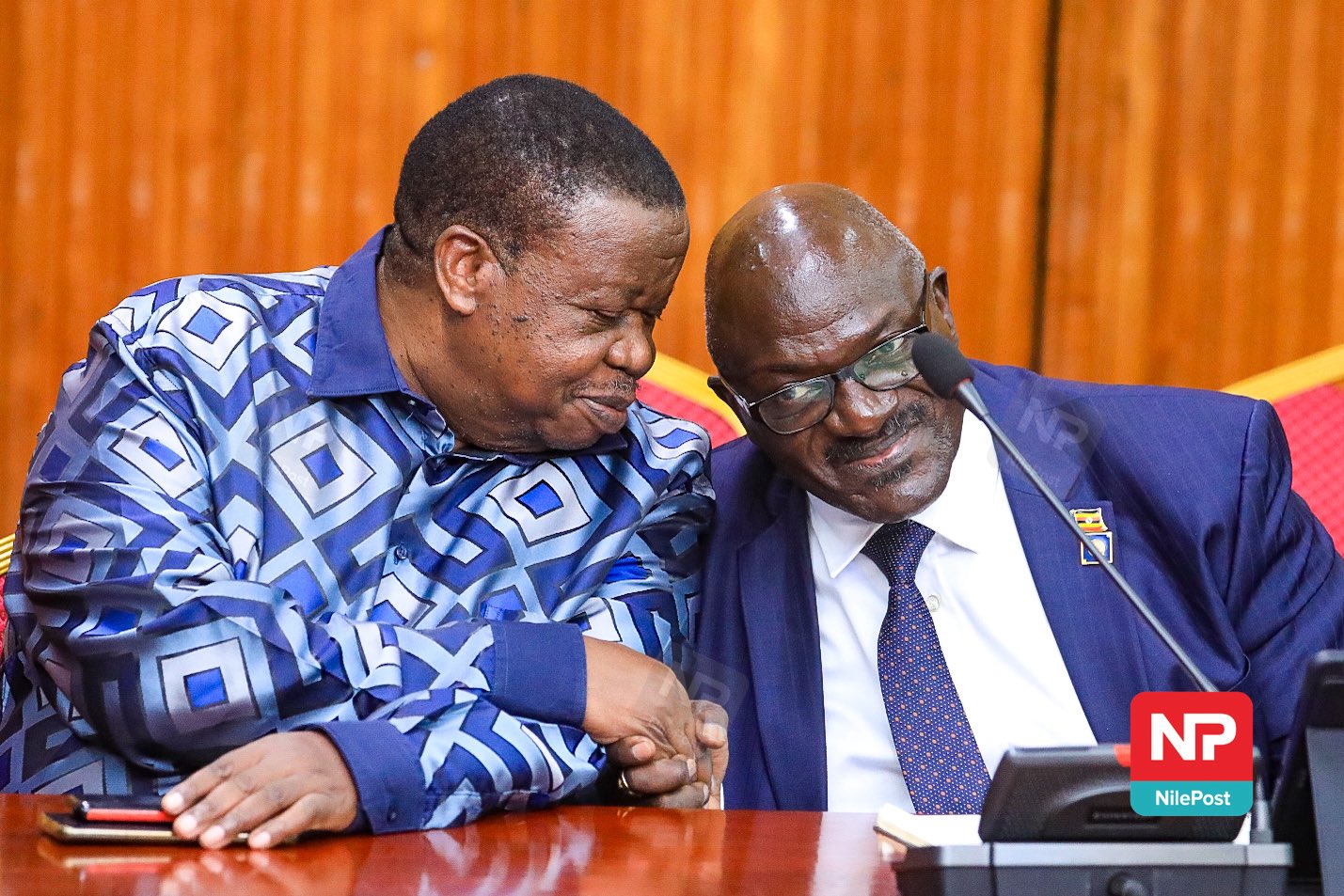
Otafiire, now Minister of Water and Environment, raised the concerns while appearing before Parliament’s Committee on Physical Infrastructure alongside former Works and Transport minister Gen (Rtd) Katumba Wamala and other officials to answer questions about the implementation, cost and performance of the digital number plates project.
While Katumba defended ITMS as a security intervention designed to improve vehicle monitoring and support crime detection, Otafiire questioned whether the technology could deliver on its central promise when vehicle number plates were removed.
The exchange exposed differences in how the two former ministers assessed a project that was introduced during their time in government, with Otafiire questioning its practical usefulness and Katumba defending its security rationale.
Otafiire told the committee that an experiment he conducted while serving as Internal Affairs minister had raised doubts about the system’s ability to establish the location of vehicles after their digital number plates were removed.
“When I was still Minister of Internal Affairs, this digital number plates thing was useless,” Otafiire said, arguing that the project had not delivered sufficient additional value.
He also questioned the decision to import the number plates instead of supporting local production, citing businessman and entrepreneur Wavamunno’s capacity to manufacture them in Uganda.
“Why did we abandon Wavamunno to go and import number plates when they could be made here?” he asked.
Otafiire argued that vehicle identification and traffic-monitoring technology could have been incorporated into locally manufactured plates rather than relying on an imported system.
“We could have added the traffic monitoring thing to Wavamunno’s number plates,” he said.
His remarks put the spotlight on two major questions facing the project: whether the technology works as intended and whether the Government secured value for money by choosing the existing arrangement over locally available alternatives.
Otafiire’s tracking test
The former Internal Affairs minister recounted an experiment in which vehicle number plates were removed and taken to his office. According to his account, when police were contacted to establish the locations of the corresponding vehicles, officers reported that the vehicles were in Kololo, even though the plates were physically in his office.
The anecdote was central to his criticism of the system, which he suggested relied on tracking devices rather than delivering the more comprehensive vehicle-monitoring capability expected by its proponents.
Otafiire also invoked ride-hailing services such as Uber, arguing that their tracking arrangements appeared more advanced than the system he had encountered.
His account raises a technical distinction that is important to the committee’s inquiry: a number plate is a vehicle identifier, while a tracking device and the supporting monitoring infrastructure perform different functions.
The removal of a plate does not, by itself, establish that a vehicle-tracking system has failed. Equally, a report showing a vehicle in a particular location does not prove that the system can reliably identify and follow a vehicle when its registration plates have been removed or transferred.
To establish the system’s effectiveness, investigators would need to examine the test conditions, the devices involved, the data available to police and whether the location reported corresponded to the actual vehicle rather than a registration record or another tracking reference.
Otafiire’s account therefore presents a question for the project’s technical operators: what exactly does ITMS track, how does it associate a vehicle with its digital registration plates, and what happens when those plates are removed, obscured or tampered with?
Those questions are particularly significant because the project has been presented as a tool to support law enforcement, road safety and the monitoring of vehicles across the country.
For Parliament, the issue is not merely whether the technology can collect data, but whether that data is accurate, useful and accessible to the agencies expected to act on it.
Katumba defends security rationale
Katumba, who was Works and Transport minister when the project was rolled out and now serves as Minister of Public Service, defended ITMS as an important security intervention intended to help authorities monitor vehicles and detect crime.
His defence placed emphasis on the system’s intended role in strengthening vehicle identification and supporting security agencies, rather than treating the digital number plates as ordinary registration plates.
The project was introduced amid concerns about vehicle-related crime, including the use of vehicles in criminal activities and the difficulties investigators face when tracing suspects.
Under the ITMS arrangement, digital number plates are part of a wider monitoring system intended to improve the identification and tracking of vehicles. Its value, therefore, depends not only on the plates themselves but also on the supporting technology, communications infrastructure, databases and the capacity of law enforcement agencies to use the information generated.
Katumba’s defence provides a counterpoint to Otafiire’s criticism: a project can have a legitimate security purpose even as questions remain about its implementation, performance and cost.
However, the committee’s task is to establish whether the system is delivering the promised benefits in practice.
The concerns raised by Otafiire require technical explanations from the project operators, particularly on how the system responds when number plates are removed and whether its tracking capabilities remain effective under such circumstances.
The two former ministers occupied different responsibilities during the project’s introduction. Katumba’s docket covered works and transport, while Otafiire’s Internal Affairs ministry was directly concerned with policing and internal security.
Their differing assessments highlight the importance of coordination between the ministries responsible for transport regulation and those expected to use the technology for crime prevention.

Local manufacturing and value for money
Beyond the question of tracking, Otafiire challenged the economic rationale behind importing the number plates instead of using local manufacturing capacity.
His reference to Wavamunno raises questions about whether the Government adequately assessed domestic alternatives before committing to the project.
The issue is relevant to Parliament’s value-for-money scrutiny because the cost of a technology project cannot be judged solely by its security objectives. Lawmakers must also consider procurement decisions, local industrial capacity, technology transfer, maintenance costs and the long-term financial obligations attached to the arrangement.
If comparable plates and monitoring capabilities could have been produced locally at a lower cost, the committee would need to establish why the Government selected the existing model.
Conversely, any comparison between imported and locally manufactured plates would need to consider more than the manufacturing price. The technical specifications, reliability, security features, compatibility with monitoring infrastructure and costs of operating the complete system would also have to be assessed.
The committee must therefore establish whether the decision to import was supported by adequate technical and financial evaluations and whether the expected benefits justified the expenditure.
The debate also touches on a broader policy question: how government technology procurement can meet security needs while supporting Ugandan businesses and building domestic technical expertise.

ITMS cites jobs and training
As Parliament scrutinises the project, its operators have pointed to employment, training and local business participation as evidence of the benefits generated by the investment.
JSC Project Manager Damir Makhmutov told the Committee on Physical Infrastructure that ITMS had employed 301 Ugandans, conducted 37 training programmes attended by more than 3,700 people and engaged 106 local suppliers as of September 2026.
Makhmutov presented the figures as evidence of the project’s contribution to employment, skills development and business growth.
The figures provide another dimension to the inquiry, showing that the project’s claimed benefits extend beyond vehicle monitoring to the participation of Ugandan workers and suppliers.
However, employment and training figures do not, on their own, establish whether the technology performs as intended or whether the Government obtained value for money.
The committee will need to weigh these reported benefits against the project’s overall costs, technical performance and contractual obligations.
It will also be important to establish the nature of the jobs created, the value of contracts awarded to local suppliers and whether the training has equipped Ugandans with skills that can be sustained beyond the project’s immediate operations.
The project operators’ claims and Otafiire’s criticism therefore point to different aspects of the same accountability question: whether ITMS is delivering measurable public benefits commensurate with the resources invested in it.
Parliament faces a critical test
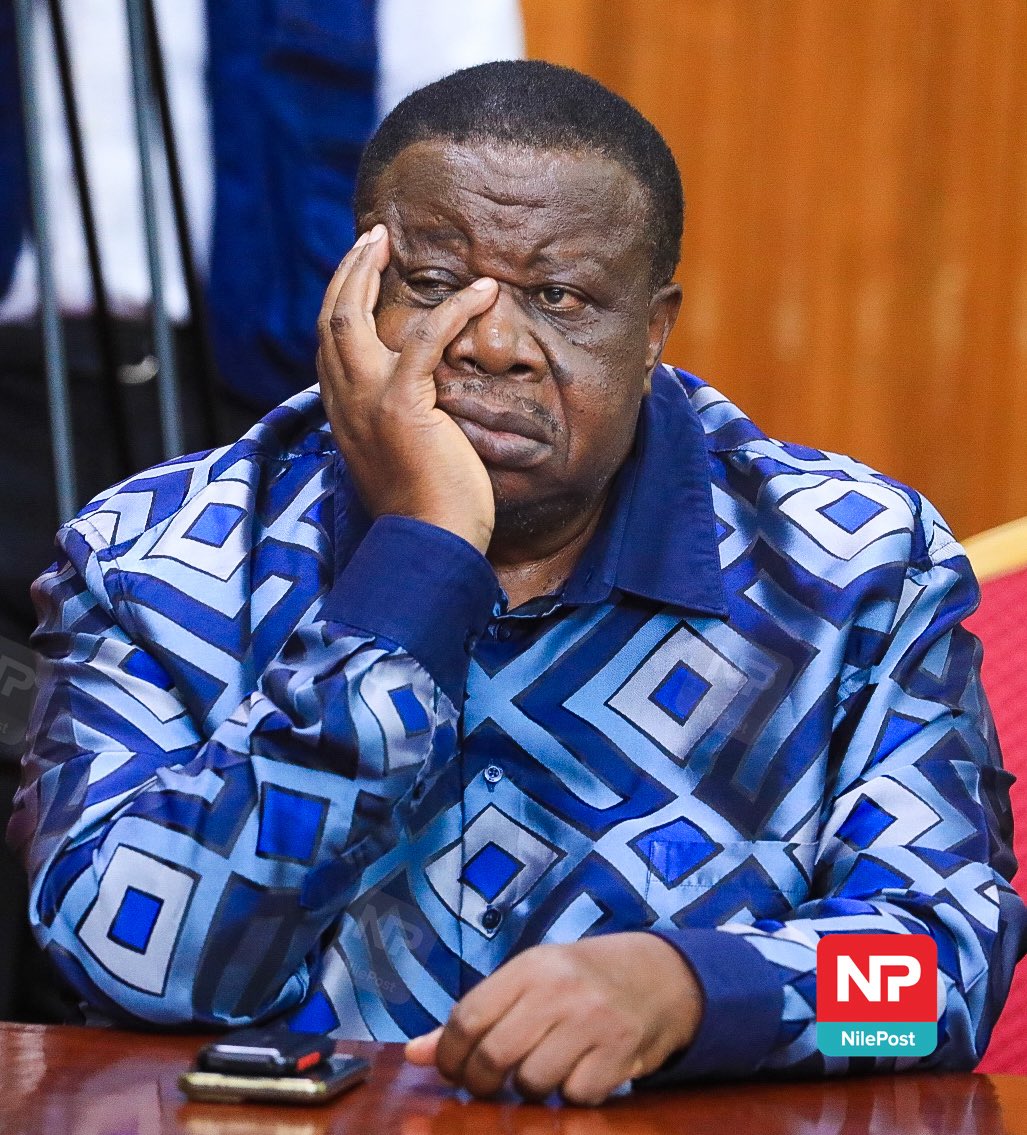
The appearance of the former ministers before the committee places the digital number plates project under renewed scrutiny, particularly over the decisions that informed its introduction and the evidence supporting its continued operation.
Otafiire’s account of the tracking experiment is a challenge that should be answered through independent technical testing rather than political argument. Katumba’s defence, meanwhile, makes it necessary for the project operators to demonstrate how the system contributes to security operations and what measurable results it has achieved.
The committee, chaired by Mwine Mpaka, must also examine procurement, pricing, local manufacturing alternatives and the project’s wider economic benefits before reaching conclusions about its performance.
Ultimately, the question is whether the digital number plates are delivering the security, monitoring and accountability benefits promised to Ugandans.
For Otafiire, the experience he recounted raises doubts about whether the technology adds sufficient value. For Katumba, the system remains a security intervention whose purpose must be understood in the context of vehicle monitoring and crime detection.
Parliament’s investigation now has to establish where the evidence lies.
The outcome could shape future decisions on transport technology, public procurement and the use of digital systems in law enforcement. It could also determine whether the Government needs to improve the existing system, renegotiate aspects of the arrangement or reconsider some of the choices made during its introduction.
For a project justified partly on public safety, the ultimate measure of success must be whether it works reliably, delivers value for money and provides security agencies with information they can use effectively—not simply whether digital number plates have been installed on vehicles.
Author Profile

- Charles Gazza Kodili is a seasoned journalist with over 20 years of experience in the media industry. He holds a Bachelor of Arts degree in Mass Communication. He’s currently the Chief Editor at the Investigator.
Charles can also be reached via; Tel: +256 774 108978
Email: [email protected]
Latest entries
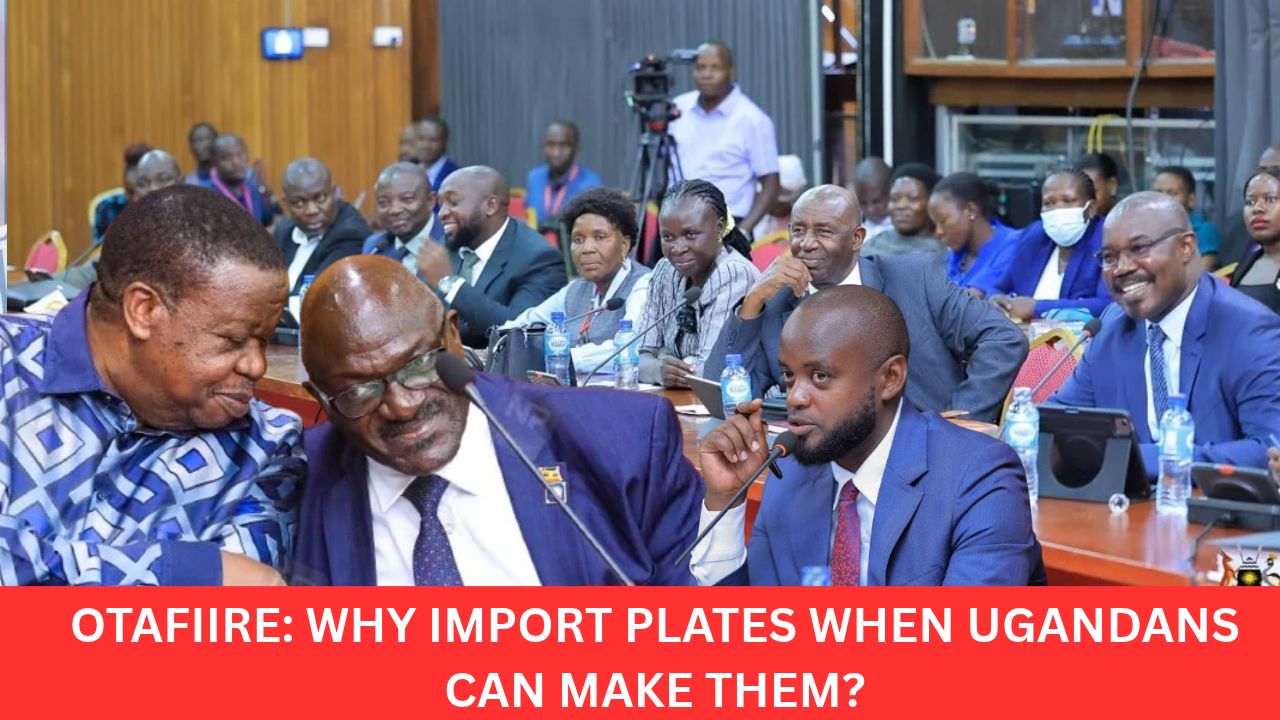 FeaturedOctober 13, 2026‘IT WAS USELESS!’ OTAFIIRE CHALLENGES VEHICLE TRACKING SYSTEM: The Former Internal Affairs Minister Maj Gen (Rtd) Otafiire Tells Mps That A Test Raised Doubts About Tracking Vehicles After Their Number Plates Were Removed, Contradicting The Confidence Placed In ITMS
 FeaturedOctober 13, 2026FROM PRESIDENT TO REBEL LEADER: Why Former DRC president Joseph Kabila Has Taken Leadership Of New Political-Military Alliance As Rebellion Deepens In The Mineral-Rich East
 FeaturedOctober 12, 2026MAGOGO’S FOREIGNERS DRIVE OUT CRANES LEGENDS: Cranes Captain Khalid Aucho’s Retirement Sparks Fears Of An Exodus As Established Ugandan-Born Players Reportedly Consider Quitting The National Team
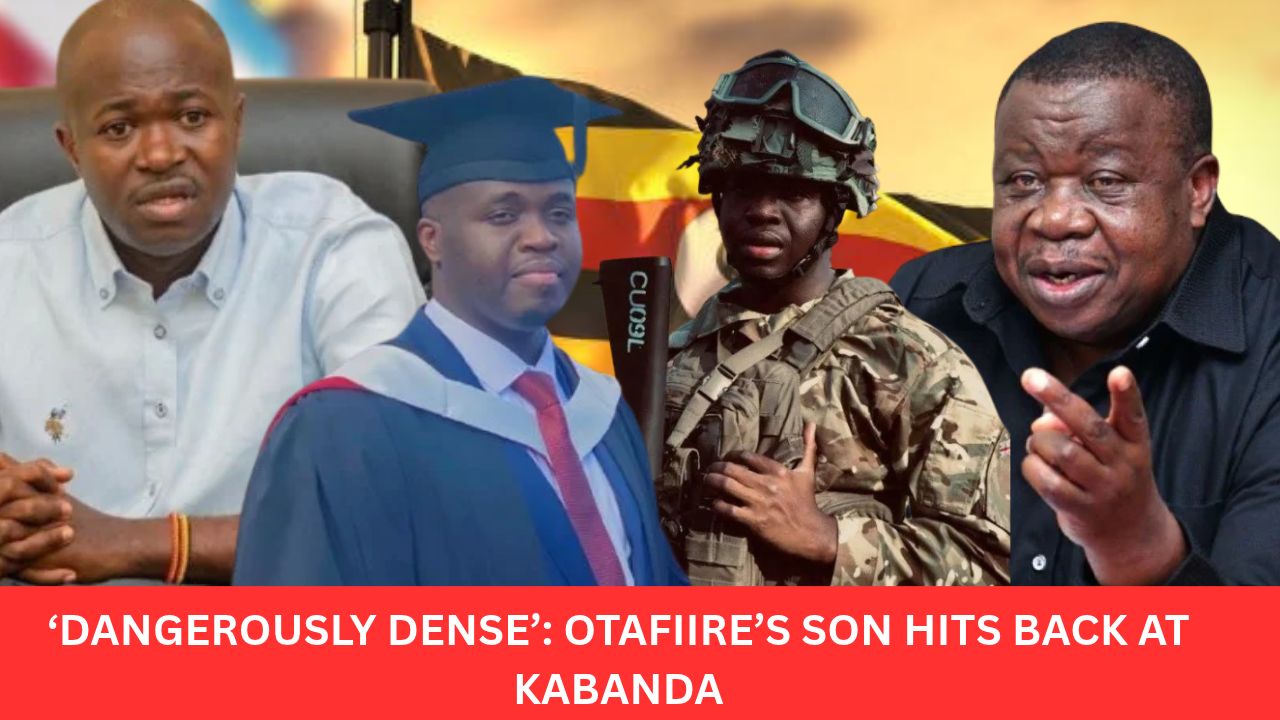 FeaturedOctober 12, 2026HONORARY COLONEL, MAJOR GENERAL: KABANDA CHALLENGES OTAFIIRE: PLU’s Daudi Kabanda Questions Kahinda Otafiire’s Military Training, Bush War Role And Rise To Major General, Prompting A Forceful Defence From The Retired Officer’s Son